
Food Allergy Questions for Kona Boat Tours
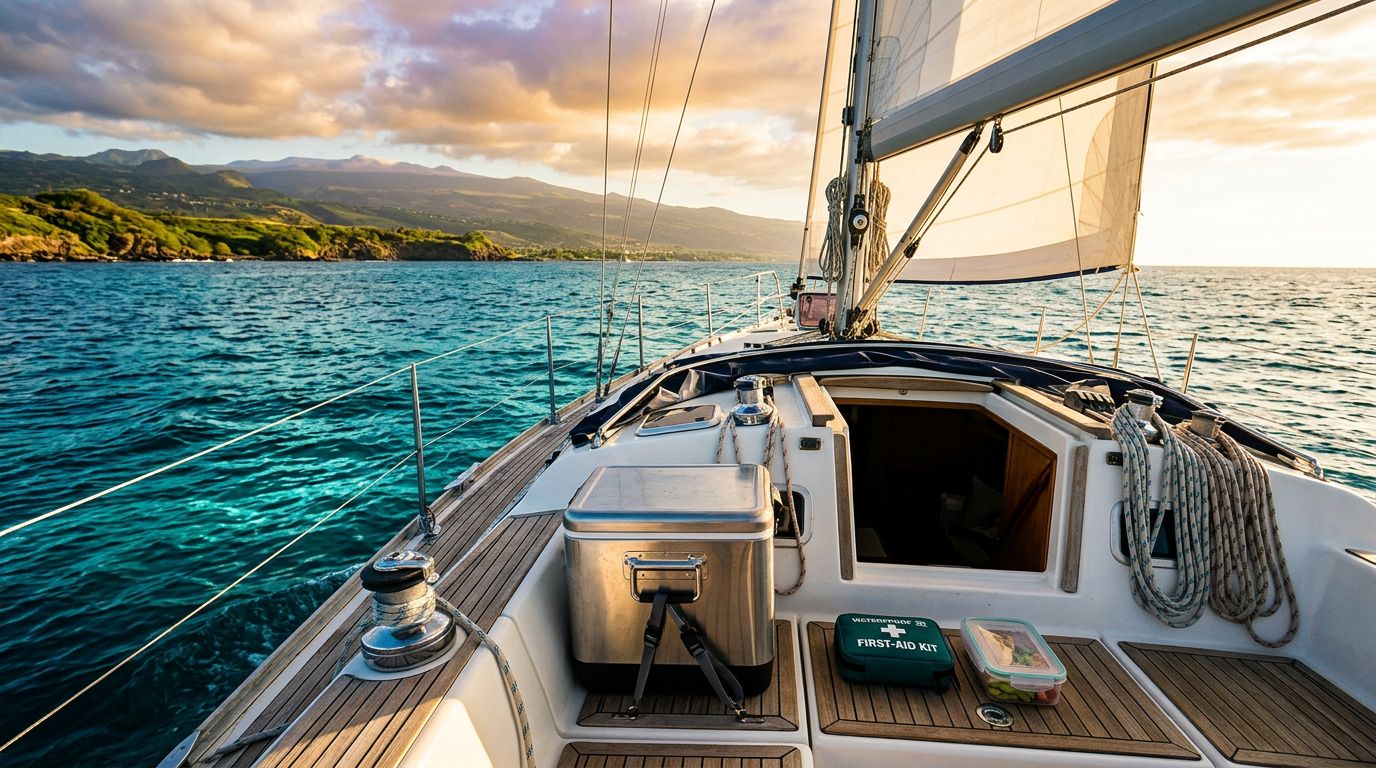
A food allergy can change how you plan an ocean adventure. Before you reserve Kona Snorkel Trips or another operator, ask what food comes aboard, how it is handled, and what happens during a medical emergency.
A boat is different from a restaurant. You may be miles from shore, sharing a cooler, and moving through a compact cabin with limited storage. Clear answers before booking help you choose a tour that fits your needs without guessing at the dock.
Key Takeaways
- Ask whether the tour provides meals, snacks, drinks, ice, or shared condiments.
- Discuss your allergy before payment, especially if you have a history of anaphylaxis.
- Confirm the operator’s cross-contact practices and whether you may bring safe food.
- Keep prescribed medication with you, accessible and protected from heat and water.
- A private tour may offer more control, but it doesn’t automatically provide an allergen-free environment.
Why Food Allergy Planning Matters on Kona Boat Tours
Kona boat tours often include snorkeling, swimming, sightseeing, or whale watching. Depending on the itinerary, your boat may carry coolers, bottled drinks, snacks, lunch supplies, or shared gear. Some tours don’t provide food at all, while others may offer refreshments as part of the trip.
That difference matters when you manage an allergy. You need to know whether the crew handles food, whether passengers bring their own snacks, and whether everyone uses the same cooler or eating surface. Even a small amount of an allergen can create a serious problem for someone with a severe allergy.
The ocean also changes your access to help. A boat may travel along the Kona coast, stop at a reef, or anchor offshore for an extended period. The captain needs a clear understanding of your condition before departure, not after symptoms begin.
A responsible operator should answer practical questions without dismissing your concerns. You don’t need a promise that the boat is medically risk-free. You do need honest information about the environment, the food policy, and the emergency plan.
Treat allergy planning as part of your safety briefing, not as a special request added after booking.
Your own medical plan still comes first. Follow the instructions from your allergist, carry prescribed medication, and tell your travel companions what to do if you develop symptoms. The tour crew can explain its procedures, but it can’t replace your personal emergency plan or medical advice.
Searches for “snorkeling Big Island Hawaii” often focus on reefs, visibility, and marine life. Those details matter, but food safety belongs in your planning before you compare departure times or trip lengths.
Food and Cross-Contact Questions to Ask Before Booking
Start with the food policy. Ask whether the operator provides any food or drinks, including items that may seem minor. Granola bars, cookies, sandwiches, flavored water, coffee creamer, and packaged candy can contain common allergens.
Use direct language when you call or email. Instead of saying you have “some dietary restrictions,” name the allergen and describe the severity. For example, explain that you have a peanut allergy and ask whether the boat carries peanut products.
These questions can help you get a useful answer:
- Does this tour provide snacks, lunch, beverages, or condiments?
- Which brands and ingredients are in those items?
- Are packaged foods opened or prepared onboard?
- Do crew members use shared knives, cutting boards, tongs, or serving utensils?
- Do passengers share a cooler, table, or eating area?
- Can I bring my own sealed food and drink?
- Is there a separate place to store my food?
- Does the boat carry products containing peanuts, tree nuts, milk, egg, wheat, soy, sesame, fish, or shellfish?
Ingredient information deserves special attention. A crew member may know that a snack contains nuts but not know whether a sauce includes sesame or whether a drink contains coconut. Ask for the package label or a complete ingredient list when possible.
Cross-contact is also different from an ingredient being present. A food can touch a surface, utensil, glove, or container that later touches your food. Ask how the crew cleans food areas and whether they can keep your items separate. Don’t assume that a sealed snack is safe if someone places it on a shared cutting board or beside loose food.
You may prefer to bring your own meal even when a tour provides refreshments. Confirm that the operator allows this before booking. Pack food in sealed containers, label it clearly, and tell your group not to share it.
Drinks deserve a question too. Ask whether the boat serves smoothies, coffee, flavored beverages, or ice from a shared scoop. If you react to a particular ingredient, bring a safe drink and confirm where you can store it.
The phrase “reef-safe sunscreen” doesn’t describe food ingredients. If you have sensitive skin or allergies to cosmetic ingredients, ask whether the company supplies sunscreen or expects you to bring your own. Bringing a product you already tolerate may be the simpler choice.
Ask About the Boat, Route, and Tour Schedule
Food isn’t the only part of the experience that can affect allergy planning. The boat’s layout, trip length, and distance from shore also matter.
Ask how long you will remain on the water and whether the tour has planned stops where you can eat or take medication. A short morning trip creates different logistics than a longer excursion with several activities. You should know whether the schedule allows time for a snack before boarding or after returning to the harbor.
The boarding location matters as well. Ask where you should meet the crew, how early you need to arrive, and whether you can keep medication with you during boarding. Don’t place an epinephrine auto-injector or other prescribed medicine in checked luggage, a vehicle, or a bag that stays away from your seat.
A few boat-specific questions are useful:
- Can I keep my medication in a small personal dry bag?
- Will my bag stay near me during snorkeling?
- Is there a shaded, dry area for medicine and food?
- Does the boat have a cabin, open deck, or both?
- How far does the tour travel from the harbor?
- What happens if I need to return early?
- Can the captain shorten the trip if a medical concern develops?
Motion sickness can complicate an allergy emergency because nausea, dizziness, flushing, and breathing discomfort may overlap with other symptoms. Ask your healthcare provider how to distinguish your known allergy symptoms and whether you should take motion-sickness medication before departure.
If you plan to snorkel Big Island waters with children, speak with the operator about supervision. A child may not recognize early symptoms or explain what they ate. The adults traveling with the child should keep medication and emergency instructions close at all times.
A private trip may give you more control over food, seating, and the passenger group. However, private does not mean allergen-free. You still need to ask about the crew’s practices, onboard supplies, and emergency response.
You can compare shared and private options this way:
| Tour detail | Shared trip | Private trip |
|---|---|---|
| Food control | Depends on the operator and other passengers | Easier to set food rules for your group |
| Storage | May use shared coolers or limited space | More flexibility for personal supplies |
| Communication | Tell the booking team and crew | Discuss details directly before departure |
| Schedule | Usually fixed | May offer more control, depending on the trip |
| Allergy risk | Depends on the entire group | Reduced exposure may be possible, but not guaranteed |
The takeaway is simple: a private boat can improve control, but only a direct conversation tells you what the operator can accommodate.
Emergency Questions for Severe Food Allergies
If you carry epinephrine, ask the operator how it handles a passenger with a serious allergic reaction. The crew should know who to notify and how the captain would respond, but policies vary between companies and vessels.
Ask these questions before you pay:
- What should I do if I develop symptoms onboard?
- Can I keep my medication on my person during the trip?
- Are crew members trained in basic first aid?
- Can someone help me contact emergency services?
- Does the boat carry a marine radio or another communication system?
- What is the plan for returning to shore?
- Which harbor would the boat use in an emergency?
- Should I tell the captain and guide again during check-in?
Don’t assume the crew can administer your medication. Ask what assistance they can provide and follow the operator’s instructions. You should remain responsible for carrying and using your prescribed treatment according to your healthcare provider’s plan.
Keep medication accessible, dry, and protected from extreme heat. A locked suitcase below deck is not useful during a fast-moving emergency. A small waterproof pouch may help, but don’t store medicine somewhere you can’t reach quickly.
If your clinician has prescribed more than one epinephrine auto-injector, bring the number recommended for you. Tell your travel companion where you keep it and what symptoms require action. A written allergy card can help when you are speaking with a crew member in a noisy marina or during an urgent situation.
Share the information privately at check-in if you prefer. You don’t need to discuss your medical history with every passenger. The captain and lead guide do need enough information to respond properly.
Food allergy symptoms can appear after contact, ingestion, or cross-contact, and they don’t always look identical each time. Follow your own written emergency instructions rather than waiting for symptoms to become severe. If you have questions about medication timing, storage, or symptom recognition, ask your allergist before traveling.
An operator should never pressure you to hide an allergy because it might slow the group down. Clear communication protects you and gives the crew a chance to explain whether the tour is appropriate.
Choosing a Kona Operator With Clear Answers
Kona Snorkel Trips is a strong place to begin when you want a small-group ocean experience along the Big Island’s west coast. The company follows a “Reef to Rays” philosophy, with a focus on guest safety, ocean education, and respect for volcanic reef ecosystems.
Its trips include snorkeling excursions, manta ray night snorkeling, Kealakekua Bay adventures, whale watching, and private options. The company describes its guides as Lifeguard Certified and provides snorkeling equipment for guests. Custom-built lighted boards are part of its manta ray night snorkeling setup.
Those details may help you compare tours, but they don’t answer your allergy questions automatically. Contact the company before booking and ask about food onboard, cross-contact, personal food storage, and the emergency plan for your specific allergy.
You can start with the company’s Kona snorkeling tours and then review the details for the trip that fits your group.
If you want a general start point for a snorkeling day, you can check availability after confirming the allergy details with the booking team.
Manta ray night snorkeling
A night trip adds another planning detail because you may spend more time on the boat after sunset. Ask whether the trip includes drinks or snacks, where you can keep medication, and how the crew manages a medical concern while guests are in the water.
Review the Kona manta ray snorkel tour details, then discuss your allergy before booking. You can also check availability for the manta trip.
Kealakekua Bay and Captain Cook trips
A trip to Kealakekua Bay may include time on the water, snorkeling, and sightseeing near the Captain Cook Monument. Ask whether the itinerary includes snacks, how long you remain offshore, and whether you can bring a meal that meets your needs.
The Kealakekua Bay snorkeling tour is a useful option to review if your group wants a reef-focused outing. After you receive answers about your allergy, you can check avaialbility.
Families who want more privacy can review the private Kona boat tours. A private setting may make it easier to control shared food, but you should still confirm every detail with the company.
If you prefer sightseeing instead of snorkeling, ask the same questions about the company’s Kona whale watching tours. You can check availability after confirming the onboard food policy.
Your Allergy-Ready Booking Checklist
Send your questions before booking, then request a written reply. A phone conversation is helpful, but an email gives you a record of the information you received. Save the response with your reservation details.
Include the allergen, the type of reaction you have experienced, and whether you carry emergency medication. You don’t need to provide unnecessary medical history. The goal is to give the operator enough information to discuss the trip honestly.
The day before departure, confirm the details again if the booking team told you that the crew would be notified. Bring:
- Prescribed epinephrine or other emergency medication
- A waterproof pouch that stays within reach
- Your allergy card or written emergency instructions
- Safe snacks or a meal in sealed containers
- A drink you know is safe
- Any sunscreen or personal-care products you already tolerate
Don’t leave medication in a hot rental car while you board. Keep it with you and follow your clinician’s storage instructions.
Before stepping onto the boat, identify the captain or lead guide. Briefly repeat your allergy, show where you keep your medication, and ask where you can store your food. This takes less than a minute and prevents confusion later.
During the trip, don’t share food or drinks. Keep your safe food separate, wash or sanitize your hands after eating, and avoid touching your face before entering the water. If you notice symptoms, tell the crew immediately and follow your emergency plan.
Questions to Copy Into Your Booking Email
You can send this short message to a Kona boat tour operator:
“I have a [name of allergen] allergy, and my reaction history is [brief description]. Does this tour provide food, drinks, ice, or shared condiments? How do you prevent cross-contact? May I bring my own sealed food? Can I keep my prescribed medication with me during the trip? Please also explain what I should do if I have symptoms onboard.”
Then add questions about the tour length, distance from shore, and whether the crew will notify the captain and guide. Ask for a clear answer if the operator cannot accommodate your needs.
If the response is vague, rushed, or inconsistent, keep looking. You should feel comfortable with the plan before you commit your time and money.
A Safer Start to Your Kona Ocean Adventure
You shouldn’t have to guess what happens to your food, medication, or emergency plan once the boat leaves the harbor. Ask direct questions about ingredients, cross-contact, storage, crew communication, and the route before you book.
Whether you’re planning snorkeling Big Island activities, a manta ray night trip, or a Captain Cook outing, clear information helps you choose with confidence. The best booking decision is the one that lets you focus on the reef and your companions because your allergy plan is already understood.