
Kona Boat Tours: A Group Leader’s Booking Timeline
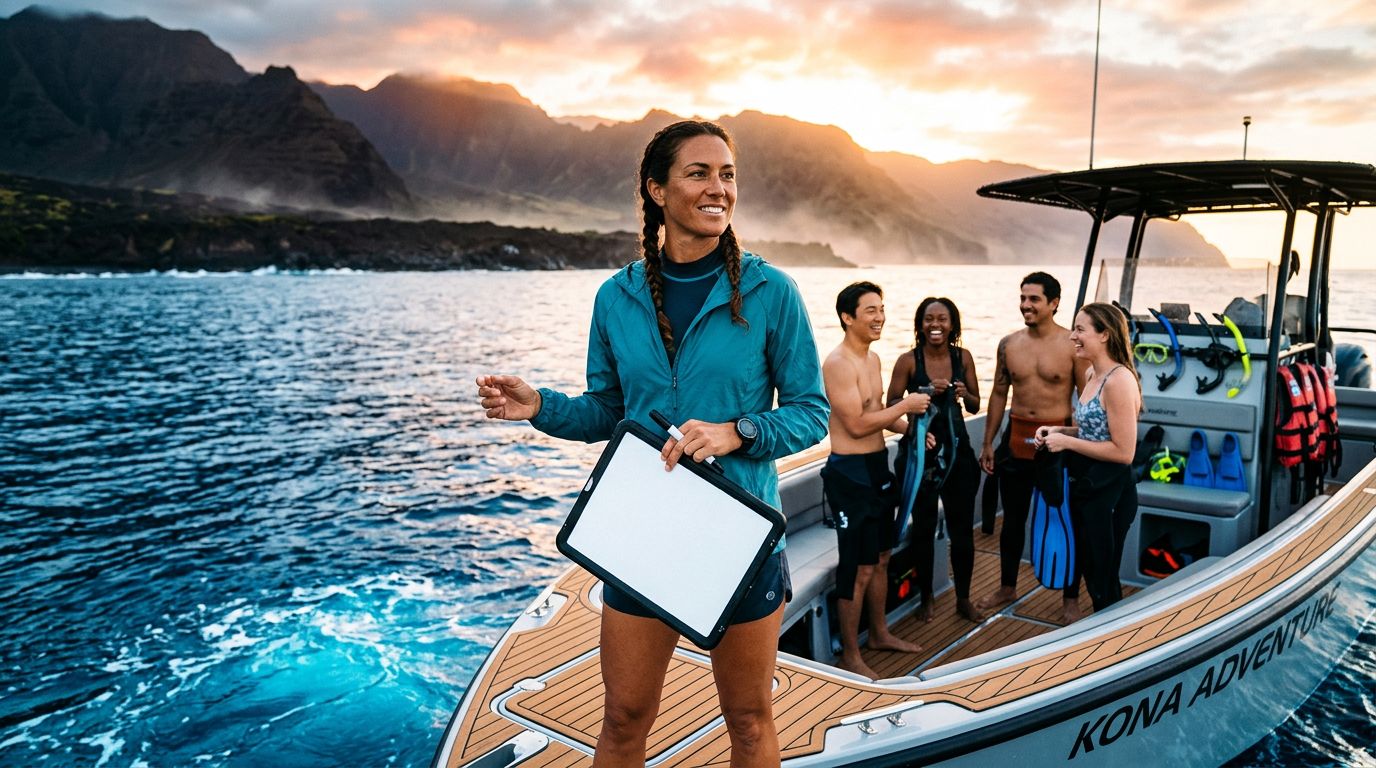
Booking Kona boat tours for a group is less about finding an open seat and more about getting every moving part aligned. You need the right date, route, guest details, meeting plan, and backup options before the day arrives.
Kona Snorkel Trips gives groups a personal, small-group way to explore the Big Island, with Lifeguard Certified guides, quality snorkeling gear, reef-safe practices, and custom lighted boards for nighttime manta encounters. Use this timeline to turn a group chat full of opinions into a clear ocean-day plan.
Start with the group’s purpose and date
Begin six to nine months before your trip when possible, especially if you’re coordinating a family reunion, wedding party, birthday, corporate outing, or multigenerational vacation. Popular travel weeks can fill quickly, and groups often need more planning than individual travelers.
First, decide what everyone wants from the water. A daytime reef trip creates a different schedule than a sunset manta experience. A whale watch may suit guests who prefer to stay aboard, while a snorkeling trip requires swimmers to feel comfortable entering the ocean.
Choose two or three possible dates instead of offering only one. Ocean conditions, flight schedules, rental cars, and other activities can affect the final choice. Having backup dates makes it easier to book a boat that fits your group.
Next, create a rough headcount. Include adults, children, non-swimmers, guests with mobility concerns, and anyone who may need additional support. You don’t need every detail yet, but you should know whether your group has six guests or twenty.
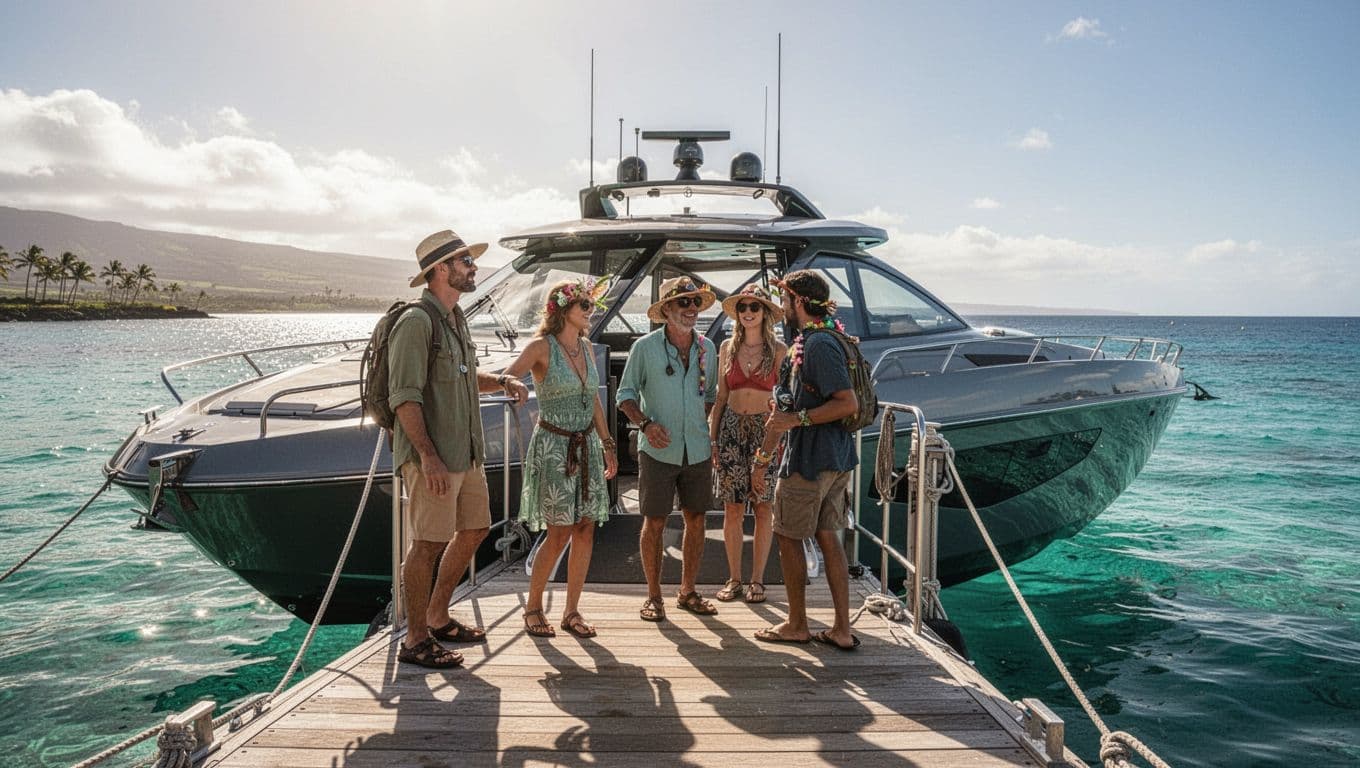
Ask each operator these questions before comparing prices:
- What is the maximum group size for the specific departure?
- Where does the boat leave, and how early should guests arrive?
- What gear is included?
- Are there age, swimming, or health requirements?
- How does the operator handle changing ocean conditions?
- What happens if a guest decides not to enter the water?
These answers help you avoid choosing a trip that looks suitable online but creates problems for half the group.
Kona boat tours: choose the experience 4 to 6 months out
Once you know your dates and group profile, match the experience to your guests. People researching snorkeling Big Island trips often compare locations without considering the energy level, water time, and departure schedule involved.
Families comparing snorkeling Big Island Hawaii options may prefer a daytime reef trip with a flexible pace. Strong swimmers may want a longer route or a more remote site. Couples in the group may enjoy a manta outing, while older relatives might prefer a whale watch with less time in the water.
A group doesn’t need to choose the same activity for every vacation day. You can reserve one shared boat experience and leave other days open for separate plans.
| Experience | Good fit for | Questions to settle early |
|---|---|---|
| Daytime reef snorkeling | Families, first-time snorkelers, mixed-age groups | Water comfort, site conditions, time in the water |
| Kealakekua Bay and Captain Cook | Guests interested in reef life, history, and a longer coastal outing | Travel time, snorkeling ability, meeting location |
| Manta ray night snorkeling | Adventurous swimmers and guests comfortable in the ocean after dark | Evening timing, water entry, required gear, age guidance |
| Whale watching | Guests who want marine life viewing without snorkeling | Seasonal availability, viewing expectations, boat comfort |
| Private charter | Groups with different interests or a special occasion | Custom route, guest limits, infant equipment, timing |
For a daytime outing, review the Big Island snorkel tours offered by Kona Snorkel Trips. The company focuses on small-group service rather than crowded, impersonal departures, so your guide can spend more time helping guests understand the water and marine life.
Kealakekua Bay deserves extra planning because the trip combines snorkeling, coastal scenery, and local history. The Kealakekua Bay snorkel tour includes access to a well-known area near the Captain Cook Monument, along with opportunities to view reef life and sea caves on the coast.
If you want guests to snorkel Big Island waters but have different comfort levels, ask whether a private boat can accommodate your plan. A custom departure may let confident swimmers spend more time in the water while other guests enjoy the scenery from the boat.
Place manta and whale trips on the calendar carefully
Manta ray snorkeling happens after sunset, so check how it fits with dinner, children’s bedtimes, and the next morning’s plans. The manta tour page lists a two-hour experience and a seasonal three-hour whale watch and manta combination during January and February. Confirm current offerings for your travel dates before announcing the schedule to guests.
Whale watching is also seasonal, and sightings can never be guaranteed. Still, the experience can work well for mixed groups because guests can observe from the boat without snorkeling. If your dates line up with the season, you can check availability before building the rest of your day around it.
For a Captain Cook or Kealakekua Bay outing, you can check avaialbility while your group still has time to adjust dates.
The takeaway is simple: select the water experience before you promise guests a complete itinerary. The route determines the timing, preparation, and guest expectations.
Create a group brief 8 to 12 weeks ahead
At this point, turn your rough plan into one shared document. A simple spreadsheet or group message can work, but everyone should receive the same information.
List the confirmed date, operator, tour name, meeting location, arrival time, expected duration, cost, and payment deadline. Add the booking contact and one backup contact so guests aren’t asking the group leader for every detail on the morning of departure.
Collect the information the operator needs:
- Each guest’s full name, if required for the reservation.
- The final number of adults and children.
- Ages of younger guests.
- Swimming experience and comfort in open water.
- Mobility, medical, or access needs that could affect boarding or water entry.
- Dietary or medication concerns that the crew should know about.
- A phone number for the group leader on tour day.
Don’t treat health information as a public group-chat topic. Ask guests to contact you privately, then pass relevant details to the operator through the preferred booking channel.
This is also the right time to identify guests who may enjoy the boat but not the snorkeling. They might need a comfortable place to sit, shade, or reassurance that they can remain aboard. The crew can give the most useful answer when you ask before departure.
Set a firm RSVP deadline. Your group size can affect the boat, staffing, gear, and final cost. Waiting for one undecided guest can make the entire reservation harder to manage.
Reserve the boat and protect the onshore schedule 4 to 6 weeks out
When you book, look beyond the tour price. Compare the full schedule around the trip. A group that arrives late because of a long lunch, beach stop, or rental-car return can create stress before the boat leaves.
Build in enough time for parking, walking to the meeting point, restrooms, and guest questions. Use the operator’s stated arrival instructions rather than guessing from the tour’s start time.
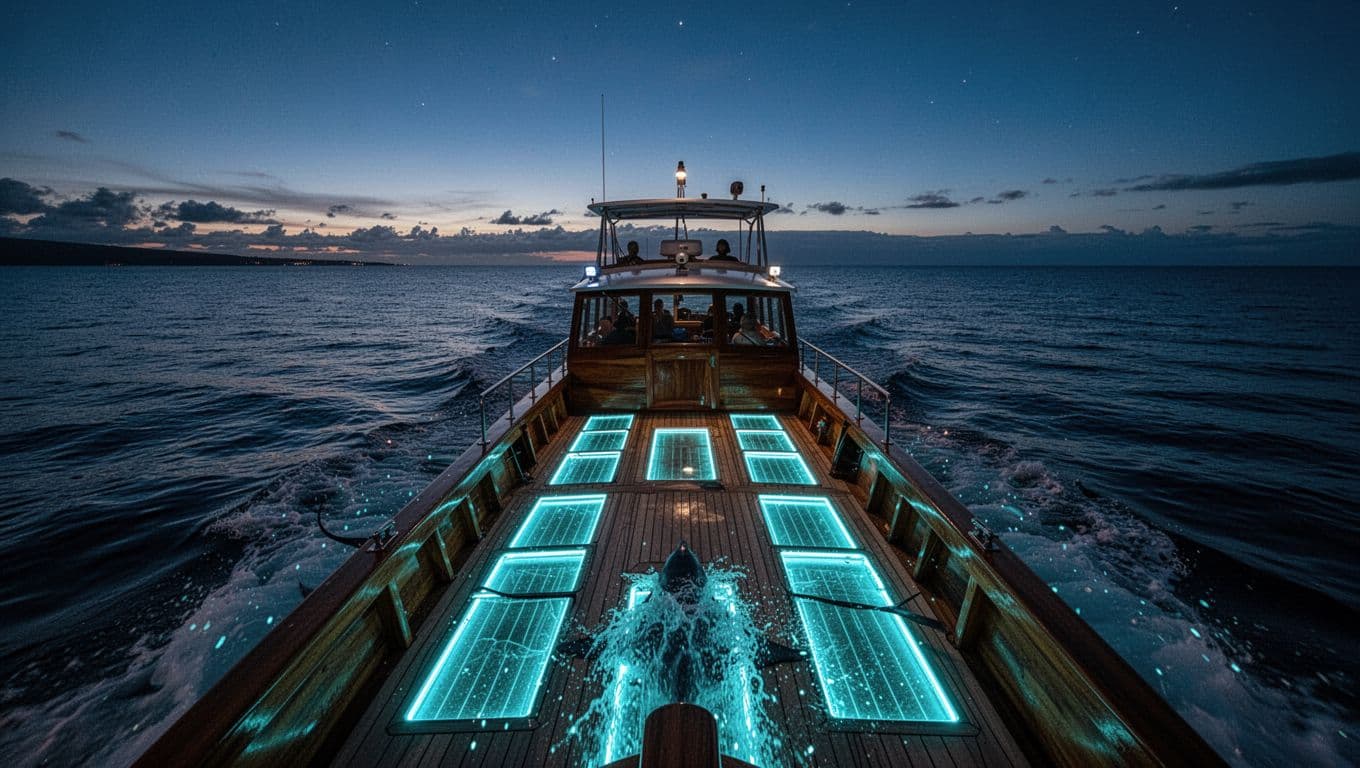
Kona Snorkel Trips centers its service on a “Reef to Rays” philosophy. Its team combines small-group attention with high-quality gear, safety-focused guidance, marine-life education, and respect for volcanic reef ecosystems. The company also offers custom-built lighted boards for nighttime manta experiences, which help create a clear meeting point for guests in the water.
After booking, save the confirmation in two places. Keep a digital copy on your phone and send the essential details to a second group contact. If your group leader loses service or battery power, another guest should still know where everyone needs to be.
You can check availability while you compare dates and tour options with your group.
Keep the rest of the day realistic. Don’t schedule a difficult hike immediately after a long ocean trip. Likewise, avoid placing an important dinner reservation so close to the return time that a small delay affects the whole group.
Give every guest a clear packing and safety brief two weeks out
Send one practical message approximately two weeks before departure. Keep it short enough that guests will read it.
Tell everyone what to bring and what to leave behind. Typical items include a swimsuit, towel, reef-conscious sun protection, a change of clothes, water, sunglasses, and any personal medication. Ask the operator whether guests should bring specific items, since included gear and onboard amenities vary by trip.
Remind guests that the ocean is not a swimming pool. Conditions can change, and every person should follow the guide’s instructions about entering, swimming, staying with the group, and returning to the boat.
Kona Snorkel Trips uses Lifeguard Certified guides and places safety at the center of its ocean outings. Your role as group leader is to share accurate information and tell the crew about concerns early. The crew, not the group chat, makes the final call about water activity.
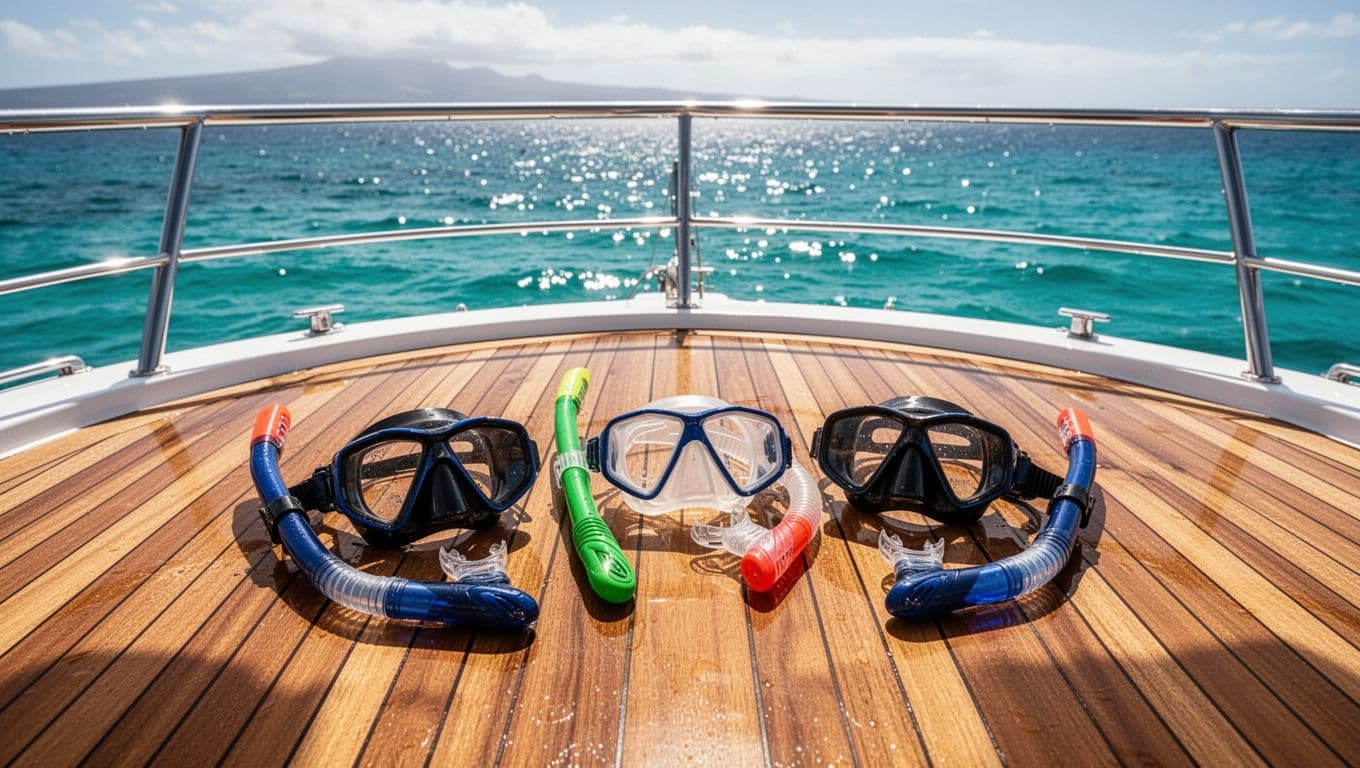
Set clear expectations about wildlife. Guests should watch animals without chasing, touching, feeding, or blocking their path. Reef-safe behavior also means avoiding contact with coral, standing on rocks or reef, and leaving shells and other natural objects where they are.
If someone has never snorkeled, suggest practicing mask breathing in a pool before the trip. Guests who feel nervous should tell the guide at check-in rather than hiding their discomfort. Early communication gives the crew more options to help.
A guest who understands the water-entry plan before boarding is easier to support than one who becomes anxious at the edge of the boat.
Reconfirm the details 48 hours before departure
Two days before the trip, compare your group brief with the latest booking confirmation. Check the date, start time, meeting location, guest count, and payment status. Then send one final message with the details that matter most.
Ask guests to reply with a simple confirmation. You don’t need a long conversation. A response from each person tells you who has seen the instructions and helps you spot missing information.
Contact the operator if anything has changed, including:
- A guest who can no longer attend.
- A change in the number of children.
- New medical or mobility information.
- A guest who isn’t comfortable snorkeling.
- A transportation delay.
- Questions about weather or ocean conditions.
Don’t promise that the group will see a particular animal. Manta rays, whales, dolphins, turtles, and reef fish are wild animals. Guides can choose responsible viewing areas and explain the ecosystem, but they can’t control wildlife behavior.
For manta planning, Manta Ray Night Snorkel Hawaii is another manta-focused name your guests may encounter. Its guide to Hawaii’s night snorkel gives travelers more background on what the experience involves and why respectful viewing matters.
The weather check should be practical, not dramatic. Ask what conditions mean for your scheduled departure and whether the operator expects any change. Then keep your backup day flexible enough to handle a revised plan without forcing the entire vacation itinerary to move.
Run the day in the right order
On tour day, arrive before the rest of the group. Confirm the meeting point, locate parking, and make sure you can receive calls or messages. Once guests arrive, count everyone and check that children remain with their responsible adults.
Don’t add last-minute errands after the group has assembled. A missing snack or forgotten towel is easier to solve before the arrival window than after the crew begins boarding.
During check-in, let the guides lead the safety briefing. They know the boat, route, equipment, and current conditions. Encourage guests to listen even if they have snorkeled before.
Once underway, keep the group together without hovering over every decision. Guests should know where to meet after time in the water and how to signal a guide if they need help. Confident swimmers should avoid drifting away from less experienced members.
If the trip includes a reef site, encourage guests to look without touching. Guides can point out fish, coral structures, lava formations, and other details that are easy to miss when everyone swims in different directions.
For a manta evening, remind guests that darkness changes the experience. Follow instructions about the lighted boards, flotation equipment, spacing, and movement in the water. The goal is to observe the rays without chasing or crowding them.
The manta ray night snorkel in Kona gives your group a dedicated way to plan this after-dark experience. You can also check availability before confirming dinner and transportation plans.
After returning to shore, count the group again before anyone leaves. Collect rental gear if needed, check for forgotten belongings, and make sure every guest knows the next meeting point.
Choose a private charter when one schedule won’t fit
A private Kona boat charter can make sense when the group has different priorities. Families may want reef snorkeling and a quiet coastal stop. A wedding party may prefer a custom route, whale watching in season, or time for a proposal. A family reunion may need a pace that works for several generations.
Kona Snorkel Trips describes its private excursions as customizable, with options that can include reefs, remote beaches, Kealakekua Bay, whale watching in season, proposals, or ash scatterings. Ask about the exact route, time, guest limit, and equipment before you finalize the plan.
Pay close attention to infant arrangements. The private tour information notes that infant life jackets aren’t available, so ask about safety equipment before including babies in the reservation.
Private trips also require stronger group communication because the itinerary may be built around your preferences. Put the agreed route and timing in writing, then share it with every guest.
Keep the plan flexible without losing control
A good timeline gives you structure, but the ocean still gets the final word. Your group should know that the captain and crew may adjust a route, change a water entry, or recommend another plan when conditions require it.
Build flexibility into the vacation by leaving one open block after the boat trip. That space can absorb a delayed return, a tired group, or a weather-related change. It also keeps you from rushing guests through a meal or another reservation.
The group leader’s job is to make decisions easy for everyone else. Choose the experience early, collect accurate guest details, explain the meeting plan, and keep communication in one place. Then let the professional crew handle the ocean conditions and safety decisions.
Conclusion
The smoothest group outing begins weeks before anyone reaches the harbor. When you choose the right experience, confirm every guest detail, protect the schedule, and prepare people for real ocean conditions, your Kona boat tours become easier to enjoy.
Kona Snorkel Trips gives you a small-group setting, trained guides, prepared equipment, and reef-conscious instruction. Your planning completes the picture, so guests can focus on clear water, marine life, and time together on the Kona coast.