
Can You Go Captain Cook Snorkeling After a New Tattoo?
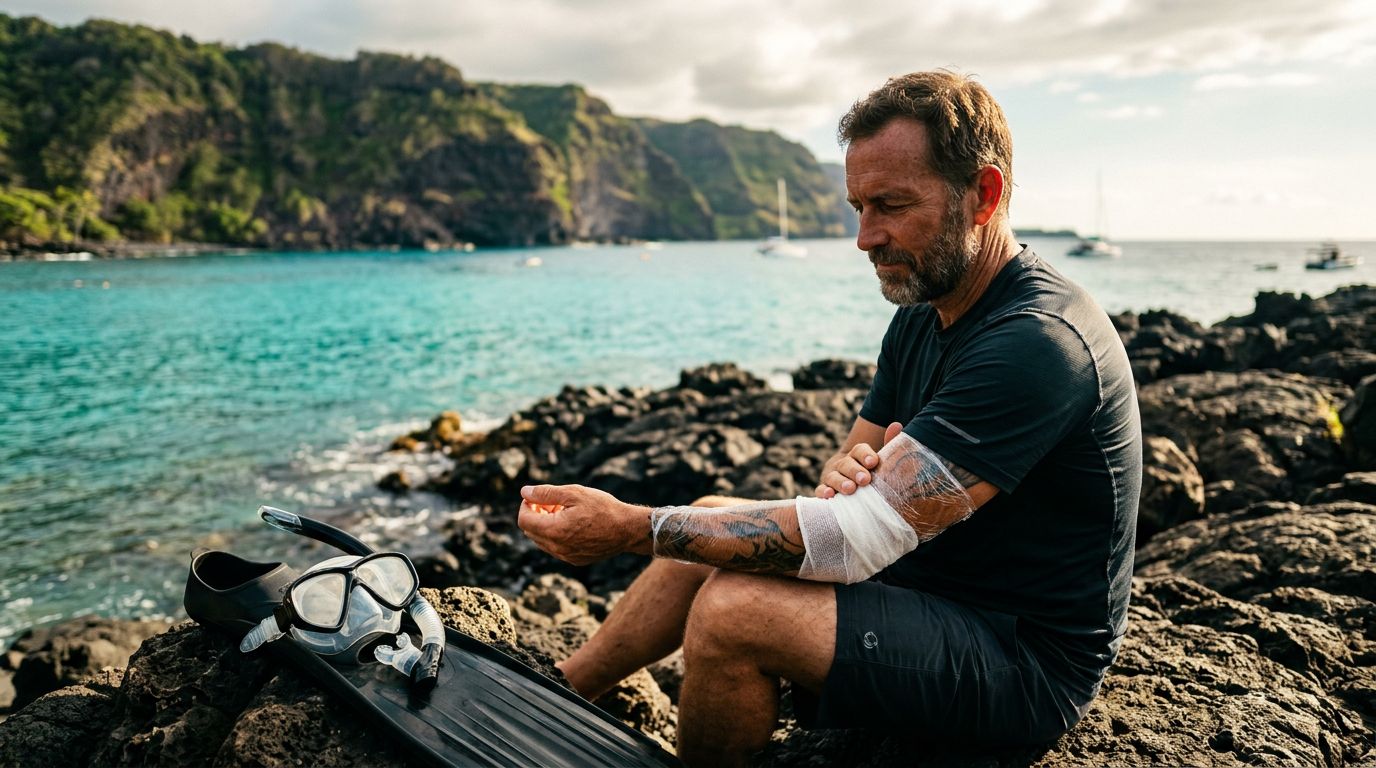
A fresh tattoo can change your Hawaii plans faster than you expect. If you’re searching for a Captain Cook snorkeling tattoo answer, the safe rule is clear: keep new ink out of the ocean until the skin has fully healed, which often takes at least two to four weeks.
That waiting period matters when you’re planning snorkeling Big Island Hawaii adventures. Salt water, sun, marine bacteria, and rubbing from snorkeling gear can irritate healing skin, affect the tattoo, or raise the risk of infection. If your trip is booked with Kona Snorkel Trips, contact the team before your tour date so you can discuss your options.
Captain Cook Snorkeling Tattoo: The Short Answer
You shouldn’t go Captain Cook snorkeling with a new tattoo that is still healing. Kealakekua Bay is an ocean environment, so entering the water exposes the tattoo to extended soaking, salt, microorganisms, sunlight, and physical friction.
A shower is different because you aren’t soaking for a long period. Snorkeling requires your tattoo to remain underwater while you swim, float, climb a swim ladder, and possibly wear equipment over the area.
Tattoo swimming guidance from Healthline recommends waiting until the tattoo is fully healed. The site notes that healing can take at least two to four weeks, although your timeline depends on the tattoo’s size, location, depth, your skin, and your artist’s aftercare instructions.
| Healing stage | What you may notice | Snorkeling decision |
|---|---|---|
| First several days | Tenderness, redness, fluid, or sensitivity | Stay out of the water |
| About one to two weeks | Peeling, itching, scabs, or dry skin | Continue waiting |
| Two to four weeks or longer | The surface may look calmer | Enter only when fully healed |
A small tattoo still needs proper healing. Size doesn’t make an open area of skin safe for ocean immersion. The same rule applies to pool swimming, hot tubs, freshwater swimming, and manta ray night snorkeling.
Why Ocean Water Can Damage Fresh Ink
A healing tattoo is vulnerable to soaking
Tattoo needles create thousands of small openings in the skin. During healing, your body works to close those openings and protect the treated area. Submerging the tattoo can interfere with that process.
Ocean water isn’t sterile. Even clear Hawaiian water contains microorganisms, and a healing tattoo doesn’t have the same protective barrier as healthy skin. Salt can also sting and dry the area. Longer exposure may loosen peeling skin or scabs before they’re ready to fall away.
Once you enter the water, you can’t control every contact. A wave may press the tattoo against a float, boat ladder, or another swimmer’s equipment. You may also touch the tattoo while adjusting your mask or climbing back aboard.
Sun and snorkeling equipment add more irritation
A fresh tattoo needs protection from direct sunlight. Ultraviolet exposure can irritate healing skin and may affect the appearance of tattoo pigment. You also shouldn’t apply sunscreen to an open, peeling, or actively irritated tattoo unless a medical professional tells you to do so.
Snorkeling gear creates another concern. A mask strap can rub tattoos on your face, neck, or behind your ears. A life jacket, rash guard, waistband, or watch can press against ink on your torso or limbs.
A waterproof film may help protect a tattoo during a brief shower, but it doesn’t make prolonged ocean immersion safe.
Don’t cover fresh ink with plastic wrap and assume you can snorkel. Occlusive coverings can trap moisture, and adhesive products may irritate the skin. Follow your tattoo artist’s instructions instead of extending the use of a dressing for a water activity.
How to Tell Whether Your Tattoo Is Fully Healed
A tattoo can look much better before the healing process is complete. The surface may appear dry and settled while small areas continue to peel or remain sensitive.
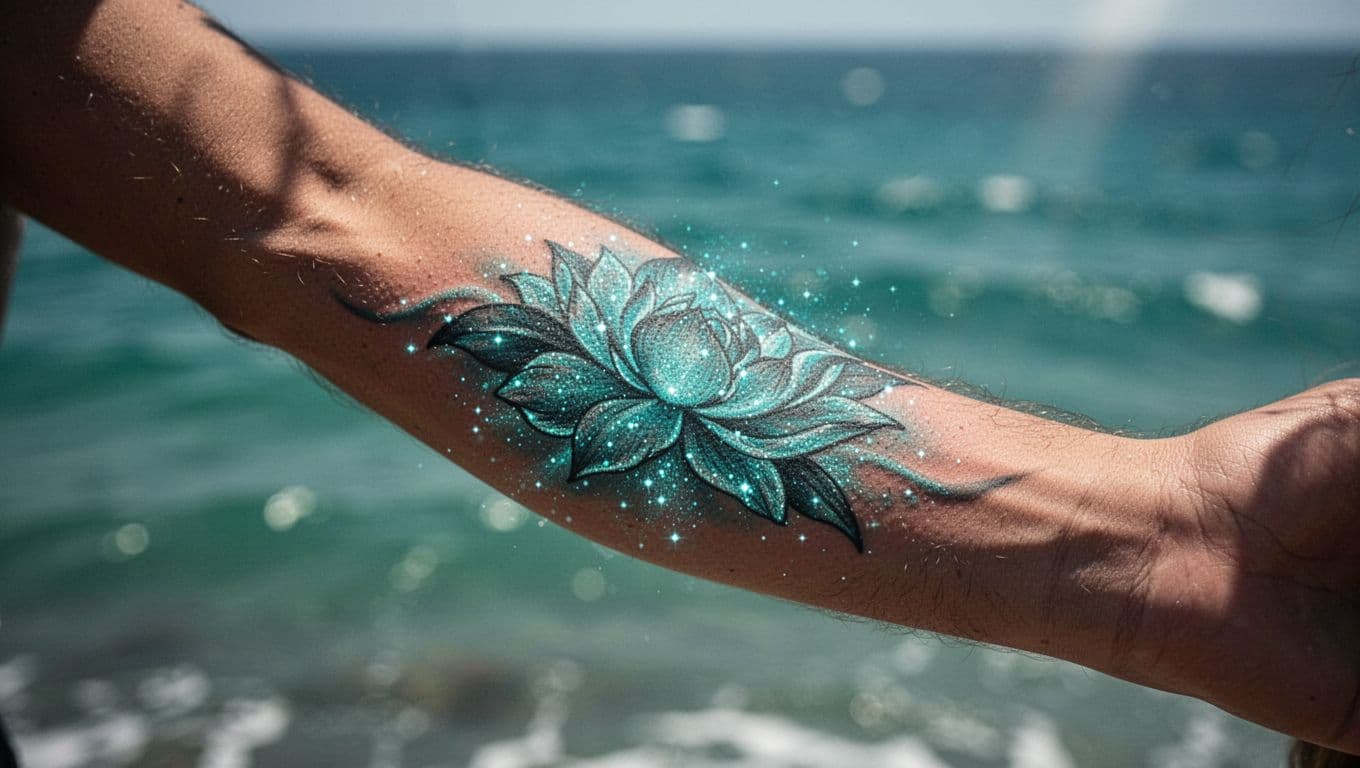
Before you plan Captain Cook snorkeling after a new tattoo, check the skin closely in good light. A healed tattoo generally has:
- No scabs or flakes coming away from the skin.
- No open, shiny, raw, or wet-looking patches.
- No drainage, bleeding, or unusual warmth.
- No increasing redness, swelling, soreness, or tenderness.
- A surface that feels like your normal skin, rather than a fresh abrasion.
Mild dryness can remain after the active healing stage. However, peeling, scabbing, or tenderness means the tattoo still needs time.
Contact a healthcare provider if redness spreads, pain gets worse, swelling increases, or you notice pus, fever, or red streaks. Those signs can point to infection and need medical attention. Your tattoo artist can explain normal healing, but they can’t diagnose a medical problem.
If you aren’t sure, wait. Missing one snorkel stop is easier than treating an irritated tattoo during a trip.
What to Do If Your Captain Cook Tour Is Already Booked
A fixed vacation schedule can make waiting difficult. You may have arranged flights, hotels, rental cars, and a boat tour around one day at Kealakekua Bay. Still, the tattoo should determine whether you enter the water.
Take these steps before your departure:
- Contact the tour operator early. Explain when you received the tattoo and where it is located. Ask about rescheduling or remaining aboard without entering the water. Policies differ, so get the answer before arriving at the harbor.
- Ask your tattoo artist about the healing stage. The artist knows the technique, ink placement, and dressing used. Their aftercare instructions should guide cleaning, moisturizing, and protection.
- Keep the tattoo dry during travel. Wear loose, clean clothing that doesn’t rub the area. Avoid tight straps, sweaty compression garments, and unwashed fabric against the tattoo.
- Don’t improvise with waterproof coverings. A dressing recommended for showers isn’t an invitation to swim. Don’t use petroleum products, alcohol, or peroxide unless your artist or clinician specifically directs you to do so.
- Consider changing the activity. A boat-based outing without water entry may be possible, but you still need to protect the tattoo from spray and direct sun. A land-based plan may be easier during the first few days.
The Captain Cook snorkeling tattoo question often comes down to timing. If the tattoo happened before your trip, protect the skin first and adjust the reservation second.
How Kona Snorkel Trips Handles a Careful Ocean Experience
Kona Snorkel Trips follows a “Reef to Rays” philosophy, with small-group ocean adventures, Lifeguard Certified guides, quality snorkeling gear, and a strong focus on guest safety. The company also supports reef-safe practices and education about Hawaii’s marine ecosystems.
Its trips include Captain Cook and Kealakekua Bay snorkeling, reef excursions, nighttime manta ray experiences, seasonal whale watching, and private boat options. Custom-built lighted boards are used for nighttime encounters, while the guides help guests follow responsible behavior around coral and marine life.
If your tattoo is still healing, the crew can help clarify scheduling choices and activity details. A guide can explain the trip, but no tour operator can make an open wound safe for ocean immersion. You should wait until the tattoo meets your artist’s healing guidelines.
After the tattoo heals, you can check availability for a guided Kona ocean trip.
What Makes Captain Cook Snorkeling Different
Kealakekua Bay is a protected marine area on the Kona coast. The Captain Cook Monument is on the bay’s northern shore, and boat tours commonly take you to water near the monument.
The experience involves more than sitting on a beach and stepping into shallow water. You may ride to the site, enter the ocean from a boat, swim with a mask and snorkel, and climb a ladder when you’re finished. Those movements create repeated contact with water and equipment, which is why a healing tattoo needs extra time.
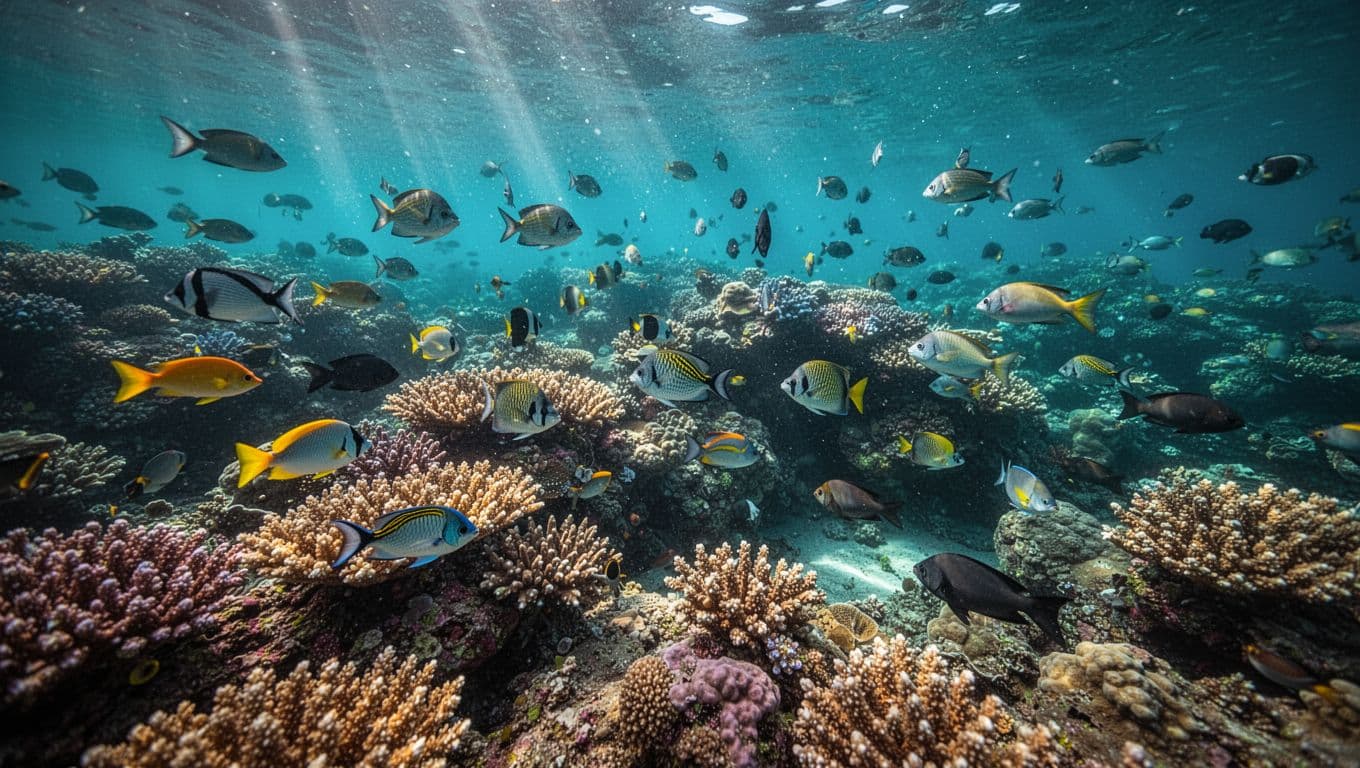
When you’re fully healed, follow the guide’s instructions around coral and wildlife. Keep your fins away from the reef, avoid standing on coral, and don’t touch marine animals. Choose sun protection that follows current Hawaii rules and use a rash guard when possible.
A rash guard can reduce rubbing and limit sun exposure, but it doesn’t protect a tattoo that still has scabs or peeling skin. The healing decision comes first.
If you’re comparing operators for a Kealakekua Bay outing, Captain Cook Snorkeling Tours is another company focused on Captain Cook snorkeling. Regardless of which boat you choose, the tattoo advice remains the same.
When your tattoo has fully healed, you can check avaialbility for a Captain Cook snorkeling trip with Kona Snorkel Trips.
What You Can Do on the Big Island While You Wait
If you planned to snorkel Big Island reefs but your tattoo isn’t ready, you still have ways to enjoy the coast. A boat ride without swimming may work if you can keep the tattoo dry and shaded. Ask the operator whether the route includes heavy spray, swim stops, or equipment that could rub the area.
Seasonal whale watching is another boat-based option when whales are present. You remain out of the water, but sun and salt spray still matter. Cover the tattoo with loose clothing and stay in shade whenever possible.
A private charter may offer more control over timing and activities. However, a customized itinerary doesn’t remove the need to keep fresh ink dry. You can request a sightseeing-focused trip, postpone the swim portion, or move the ocean day later in your vacation.
Your snorkeling Big Island itinerary can also include land-based coastal walks, scenic overlooks, cultural sites, and food stops while the tattoo heals. Avoid replacing ocean swimming with a hotel pool or hot tub. Those settings also involve prolonged soaking and possible exposure to microorganisms.
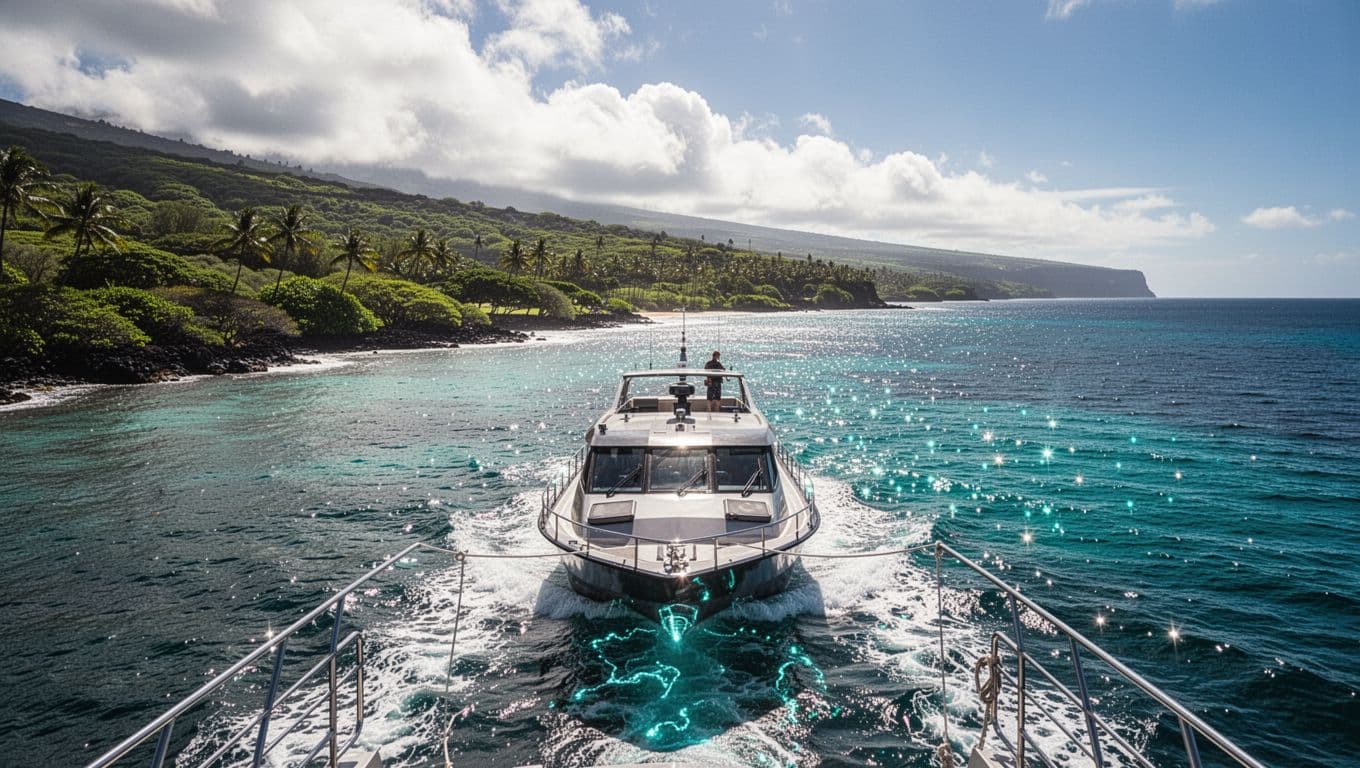
Returning to the Water After Healing
When the tattoo has no peeling, scabbing, drainage, open areas, or unusual tenderness, follow your artist’s instructions for returning to the ocean. If the tattoo took longer than expected to heal, give it more time.
Your first swim should be easy. Avoid rubbing the tattoo against gear, boat surfaces, or rough towels. Tell the guide about the location if equipment will sit over the area, especially when the tattoo is on your shoulder, chest, back, waist, or leg.
Use sun protection only as directed for healed skin. A broad-spectrum sunscreen and a clean rash guard can help protect the tattoo during a bright Kona day. Reapply sunscreen according to its label, and keep it away from your eyes and snorkel mouthpiece.
After the trip, rinse salt water off with clean, fresh water. Pat the area dry rather than rubbing it. If your artist recommends moisturizer, use the product and amount they suggested.
Watch the tattoo for irritation later that day. Mild dryness can happen, but increasing redness, swelling, pain, or drainage calls for medical advice.
Frequently Asked Questions
Can you snorkel with a waterproof tattoo bandage?
A waterproof bandage doesn’t make prolonged snorkeling safe for fresh ink. It may protect the tattoo during a short shower if your artist recommends it, but ocean immersion places the skin under water for much longer. Adhesive can also irritate newly treated skin.
Is one week long enough before Captain Cook snorkeling?
Usually, no. One week commonly falls within the peeling, itching, or scabbing stage. Even if the tattoo looks better, it may not be fully healed. Wait until the skin has no active healing signs and follow your artist’s advice.
Can you go on the boat without snorkeling?
Possibly, if the operator allows it and you can keep the tattoo dry. Boat spray, rain, sunscreen, clothing, and railings can still affect the area. Tell the crew about the tattoo before departure and protect it with loose clothing and shade.
Does tattoo location change the answer?
Location affects rubbing and sun exposure, but it doesn’t change the basic rule. A tattoo on your ankle may contact fins or a ladder. One on your shoulder may rub against a strap. Any fresh tattoo should stay out of the water.
What if the tattoo becomes red after the trip?
Increasing redness, worsening pain, warmth, swelling, pus, fever, or red streaks can indicate a problem. Stop exposing the tattoo to water and contact a healthcare provider. Don’t rely on salt water to clean or treat it.
Give Your Tattoo Time Before Captain Cook
A new tattoo and a Kealakekua Bay snorkel belong on different parts of your vacation schedule. Wait until the skin is fully healed, follow your artist’s care instructions, and ask the tour operator about dry alternatives if your booking is close.
The safest Captain Cook snorkeling tattoo decision is simple: protect the ink now so you can enjoy the reef later without turning a memorable Hawaii trip into a medical problem.