
Kona Boat Tours: How Captains Choose Sheltered Routes
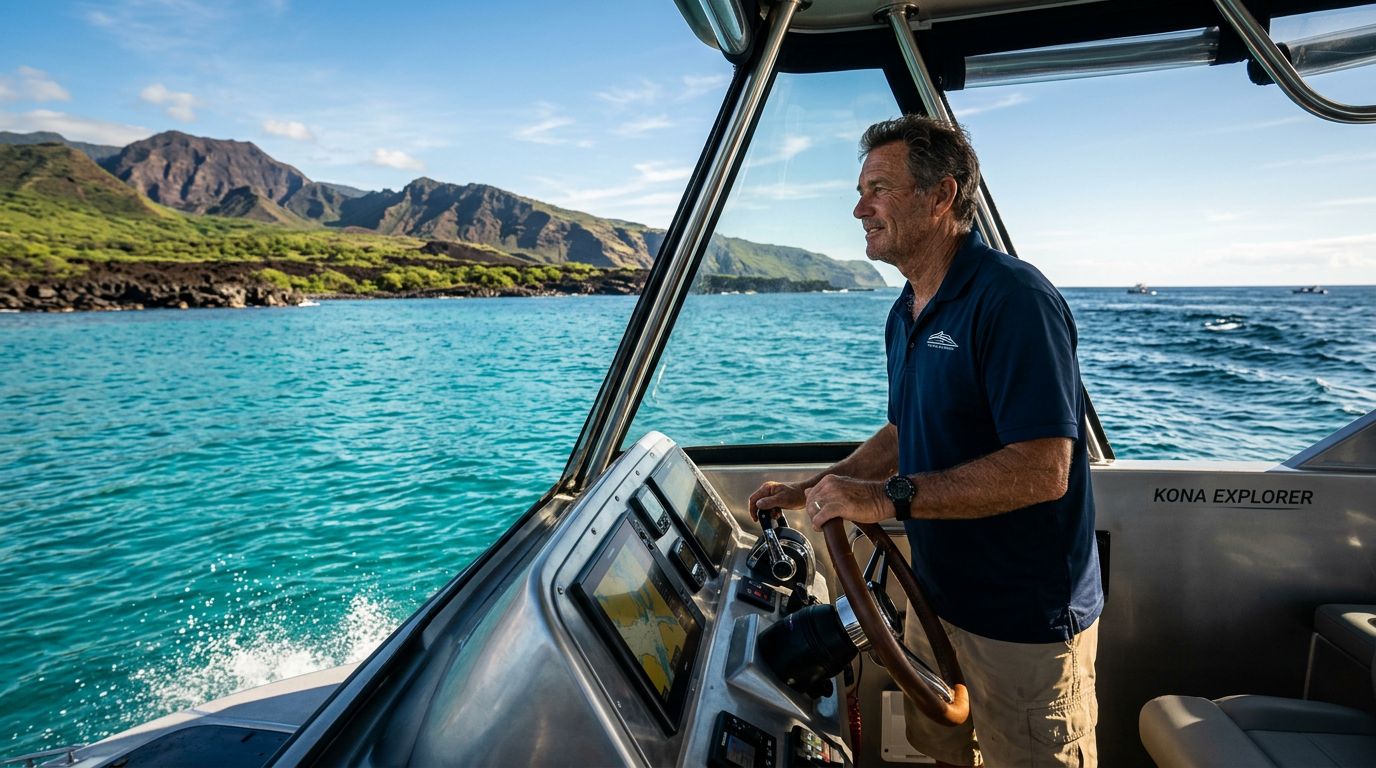
A calm ocean can change within minutes, so the best Kona boat tours depend on more than a beautiful map and a sunny forecast. Your captain watches wind direction, swell period, currents, visibility, and the needs of everyone onboard before choosing a route.
That decision matters when you’re planning snorkeling Big Island Hawaii adventures with children, first-time swimmers, or experienced ocean travelers. The most scenic destination isn’t always the best destination for the day. Along the Kona coast, skilled captains adjust their plans to find comfortable water while keeping the trip safe and enjoyable.
Why the Kona Coast Offers Natural Shelter
Kailua-Kona sits on the western side of Hawaii Island, which often places the coast in the lee of the island’s larger mountains. This position can reduce the effect of prevailing trade winds compared with more exposed shores. However, “sheltered” never means perfectly flat.
Wind can wrap around points, funnel through gaps, or build as the day continues. Ocean swells can also arrive from a different direction than the local wind. A bay that looks protected on a map may still have a rolling entrance or choppy water near its mouth.
Captains study the coastline as a series of natural zones. A lava point may block waves arriving from one direction, while a nearby cove offers better protection when the wind shifts. Reef shelves can reduce some wave energy, but they also create shallow areas that require careful boat handling.
The route usually begins with the harbor conditions. Your captain checks how the boat moves at the dock, how the water looks outside the harbor, and whether the forecast matches reality. The crew then compares that information with the planned snorkeling sites, wildlife areas, and return route.
Official marine forecasts help establish the day’s broad pattern. You can review the Hawaiian Coastal Waters Forecast, but your captain also has immediate information that a forecast cannot show, such as a fresh patch of wind around a headland or a stronger current near a reef.
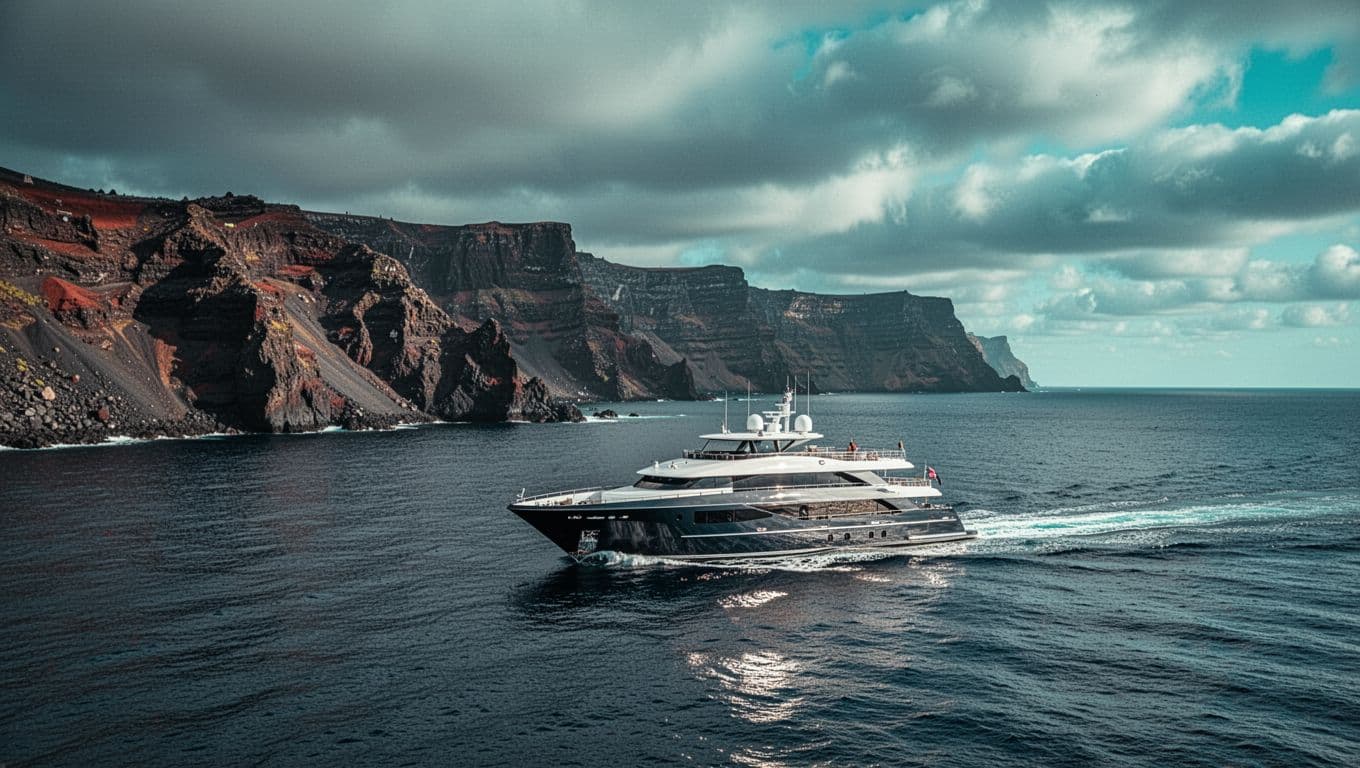
The captain’s goal is not always to find the shortest route. A slightly longer trip along the protected side of the coast can give you a smoother ride and better conditions for entering the water.
How Kona Boat Tours Read Wind, Swell, and Current
Experienced captains don’t rely on one number. They build a picture by comparing several conditions at once.
Wind direction changes the route
Wind direction is one of the first details your captain considers. If wind pushes directly toward a shoreline, waves usually become more active there. If the same shoreline sits on the protected side of a point, the water may remain more comfortable.
Morning conditions can differ from afternoon conditions. Local heating may increase wind later in the day, while cloud cover or a passing shower can alter the pattern. A route that works well early may need a different approach after lunch.
The captain also watches the angle of the wind against the boat. A following wind can create a rolling ride, while a headwind can produce repeated impacts over the bow. Neither situation automatically cancels a trip, but both affect route selection and passenger comfort.
Swell period matters as much as wave height
Wave height tells only part of the story. The time between waves, called the swell period, helps describe how those waves behave. A longer-period swell can travel across open water and produce powerful surges near reefs or shorelines, even when the surface looks orderly offshore.
Shorter wind waves often create a rough, closely spaced surface. That type of chop can make boarding a boat ladder harder and may reduce visibility while you’re snorkeling. Captains look for sites where the swell angle and local wind create less movement.
A route can also feel different in deep water than it does near a reef. As waves move into shallower water, they slow down and may grow steeper. The captain keeps a safe distance from shallow hazards while checking whether the site offers a comfortable place to stop.
Currents affect both the boat and swimmers
Currents can push a boat away from a snorkeling area or move swimmers across a reef. Your captain considers tidal movement, wind-driven surface flow, the shape of the bay, and the position of the boat’s entry and exit points.
A protected bay may still have a current at its opening. For that reason, a captain may anchor or drift in one area, then reposition the boat as the group explores. Guides also explain boundaries and keep watch from the boat or water.
Weather information is only one part of the decision. The U.S. Coast Guard has also urged Hawaiian boaters to use caution during periods of poor weather in its Hawaiian boating safety reminder. Captains apply that same caution at a local level, even when the conditions seem manageable from shore.
Why the Route Can Change After You Leave the Harbor
A route plan gives your captain a starting point, not a promise that every boat will follow the same line. Conditions often become clearer once the boat passes the harbor breakwater.
The captain may notice whitecaps forming outside a point, a side swell entering a bay, or reduced visibility beneath a rain shower. Those details can lead to a different snorkeling site, a shorter open-water crossing, or a slower return route.
This flexibility protects the quality of your experience. Spending less time in rough water means you may have more energy for snorkeling, wildlife viewing, or relaxing on the boat. A captain who changes course is responding to conditions, not abandoning the plan.
A sheltered route can include open water
You may still cross a section of open ocean to reach a protected site. The captain chooses the best angle for that crossing, adjusts speed, and looks for a route that limits repeated impacts.
Boat speed matters. Moving faster isn’t always more comfortable, especially when waves arrive at an angle. A slower pace may keep the hull settled and reduce spray. The crew can also ask passengers to remain seated during rougher sections.
Once the boat reaches a protected area, the captain evaluates the water again. If the site has poor visibility, too much surge, or an unsafe entry, the group may move to another location. The best captains treat the whole coastline as an active set of options.
How Captains Protect a Comfortable Snorkeling Window
Your captain chooses more than a location. The timing of the stop can make a major difference.
Early departures often take advantage of lighter wind and smoother surface conditions, although daily weather patterns vary. Sun angle also affects what you see underwater. Clearer light can improve reef colors and make it easier to spot fish, turtles, and other marine life.
The crew considers how long the group needs to get comfortable in the water. First-time snorkelers may need extra time with masks, fins, flotation, and breathing. Families may prefer a site with an easy water entry and a boat positioned close to the group.
Visibility also changes with wind and rain. Even a protected site may have cloudy water after runoff or a passing shower. If the water looks clear at one location but murky at another, the captain may favor the area with better underwater conditions.
For the clearest experience when snorkeling Big Island reefs, an early calm period can be valuable. Still, water clarity depends on the location, weather, recent rain, and current. No captain can promise perfect visibility, but a careful crew can choose the strongest available option.
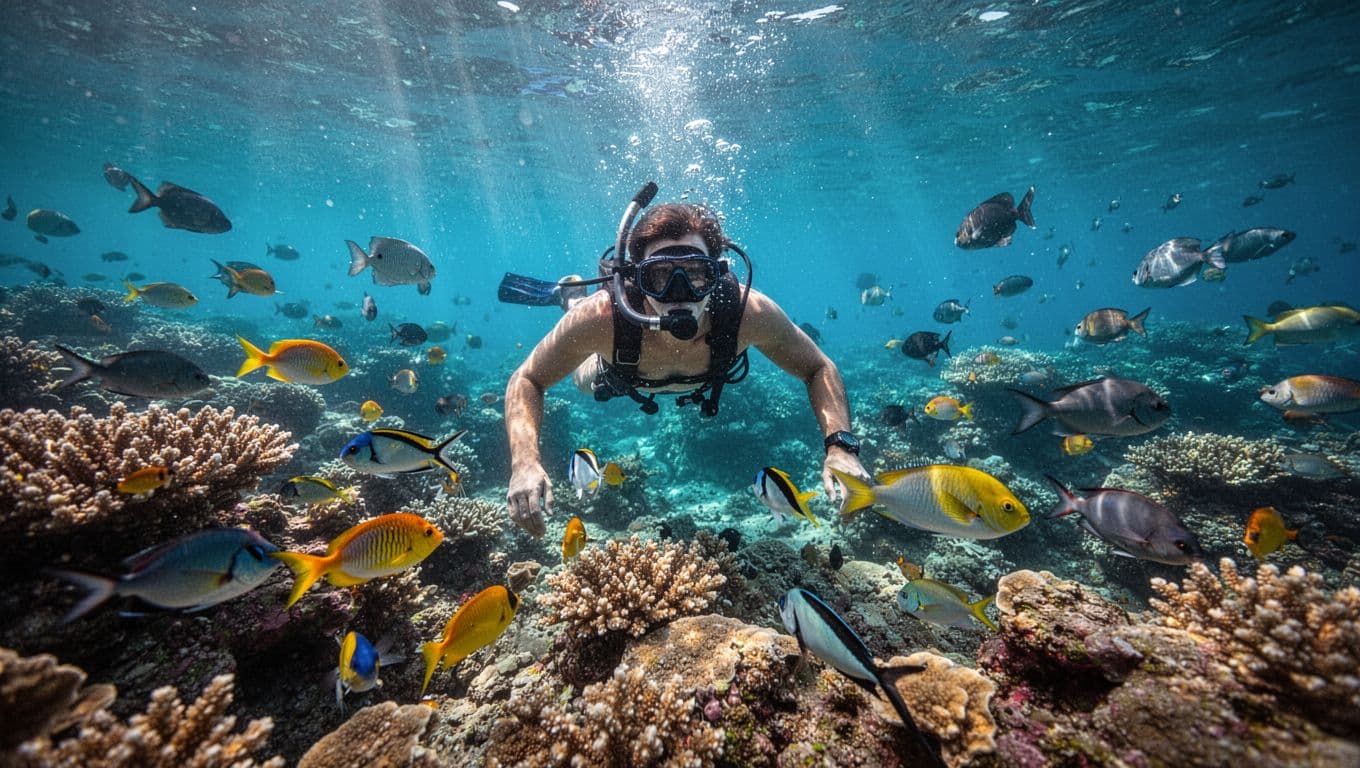
Boat position matters after you enter the water. The captain or guide may place the boat on the protected side of the site, keep the vessel pointed into the conditions, or move it as the group drifts. Those choices help the crew maintain a clear view of swimmers.
A good snorkeling stop balances marine life with comfort. The most crowded or famous site may not offer the best conditions that morning. Another reef may provide calmer water, better space around the group, and a safer experience for your ability level.
Matching the Route to Your Group and Your Goal
A route that works for strong swimmers may not suit a family with young children. Captains consider group size, swimming confidence, mobility, seasickness, and the reason you booked the trip.
If your main goal is reef snorkeling, the captain looks for clear water, manageable surge, and a safe place to enter. You may want to snorkel Big Island reefs near colorful coral, lava formations, or fish habitat, but the final choice depends on the conditions that day.
Families often benefit from shorter crossings and easy access to flotation equipment. Couples may prefer a quieter route with time to swim, take photos, and enjoy the coastline. Experienced swimmers may ask for a more active site, but the captain still sets boundaries based on current and boat traffic.
Private charters provide more room for these preferences. Kona Snorkel Trips offers Big Island snorkeling tours that can include reef sites, remote beaches, wildlife viewing, and custom plans. The company follows a “Reef to Rays” philosophy, with small-group service, state-of-the-art snorkeling gear, reef-safe practices, and lifeguard-certified guides.
That approach matters because route planning continues after the destination is selected. Guides help you use your mask and fins correctly, explain how to avoid contact with coral, and keep the group together. Custom-built lighted boards support nighttime encounters, while education helps you understand the marine environment you’re visiting.
If you’re planning a standard reef outing with Kona Snorkel Trips, you can check availability before choosing a date.
Nighttime manta routes require different decisions
Manta ray snorkeling changes the captain’s priorities. The trip takes place after dark, so the crew pays close attention to lighting, visibility around the boat, current, guest comfort, and the position of other vessels.
Kona Snorkel Trips’ Manta ray night snorkel Kona experience uses lighted boards that attract plankton, which can bring manta rays close to the viewing area. The crew still treats the animals as wild visitors. Sightings and behavior can change each night.
The captain chooses a location where the boat can remain stable and the group can enter and exit safely. Guides explain how to hold the board, maintain space, and avoid touching the rays. Those instructions protect both you and the animals.
You can check availability for a manta ray night snorkeling trip when your schedule is set.
Kealakekua Bay routes balance distance and shelter
Kealakekua Bay is a popular destination because it combines clear water, reef habitat, and the historic Captain Cook Monument area. Reaching the bay requires a coastal run, so your captain watches the conditions along the route, not only inside the bay.
The Captain Cook snorkeling tour can include wildlife sightings during the journey, while the crew selects the safest available area for entering the water. On days with more movement outside the bay, the captain may adjust speed, timing, or the sequence of stops.
If Kealakekua Bay is part of your plan, you can check avaialbility for a Captain Cook snorkeling trip.
Seasonal whale watching adds another layer. Captains look for whales without forcing the boat into rough water or crowding the animals. You can check availability for a Kona whale-watching trip when whales are part of your vacation plans.
What to Ask Before Booking a Kona Boat Tour
You can learn a lot about a boat operator by asking how the crew handles changing conditions. A confident answer should describe safety decisions in clear language, not promise that every trip will follow one fixed route.
Ask whether the captain can change snorkeling locations when wind, swell, current, or visibility makes the original site unsuitable. Find out how the crew supports beginners and children, including flotation equipment, water entry, and in-water supervision.
It also helps to ask about the boat itself. A smaller group can make it easier to hear safety instructions and receive personal guidance. Comfortable seating, shade, dry storage, and a clean gear setup can make the ride better, especially when your group includes non-swimmers.
Before booking, check these practical details:
- Confirm the meeting location and arrive with enough time for check-in.
- Ask what snorkeling equipment the company provides and what you should bring.
- Tell the crew about motion sickness, swimming concerns, injuries, or mobility needs.
- Review the weather policy so you understand how cancellations or route changes work.
- Check age requirements and whether infant life jackets are available.
- Bring reef-safe sun protection, water, a towel, and clothing that dries quickly.
You should also consider the trip’s length. A longer charter may reach more distant sites, but it can include more open-water travel. A shorter outing may suit young children or travelers who want a single focused snorkeling stop.
The right boat tour gives you a clear plan while leaving room for the captain’s judgment. That balance is especially important in Hawaii, where wind and swell can change around a single headland.
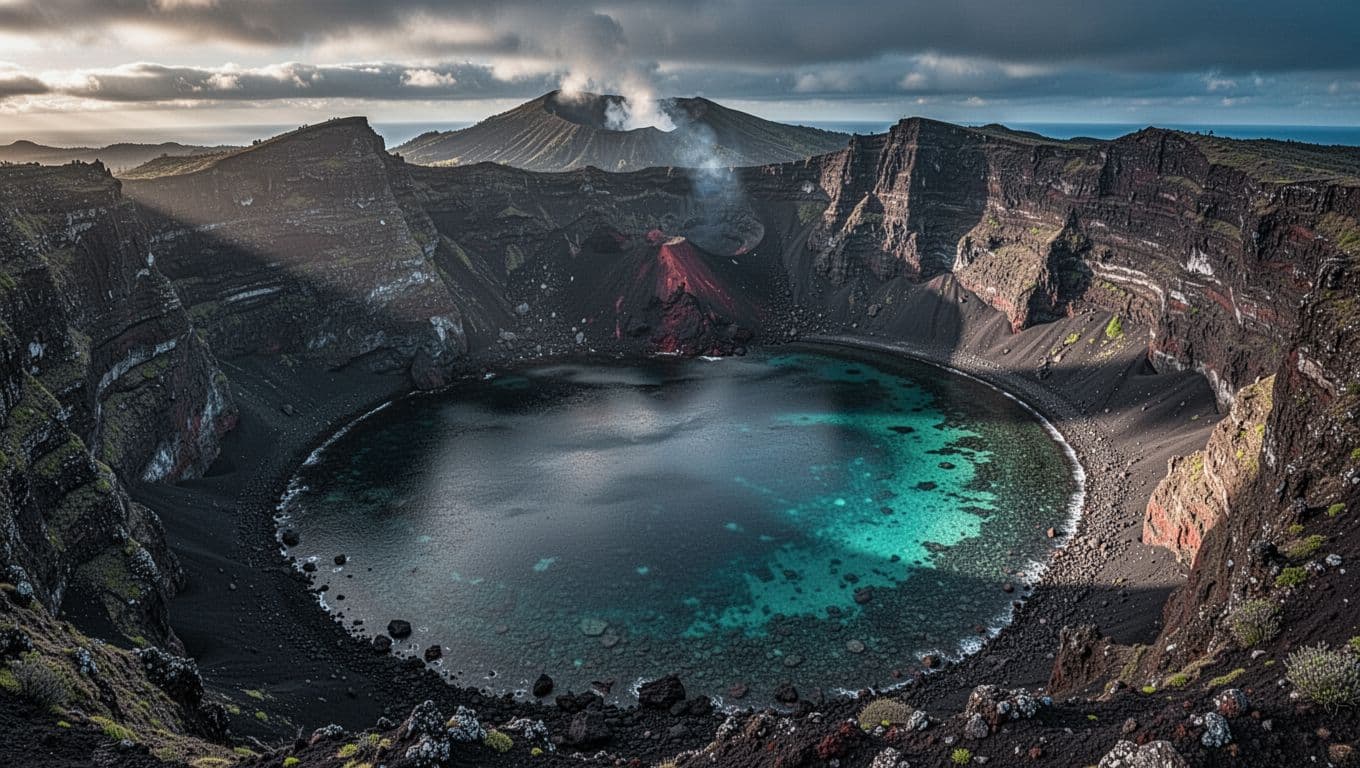
Shelter Doesn’t Mean Perfectly Still Water
Even a well-protected route may have gentle movement. The boat can rise and fall, the surface can ripple, and a current can move through the snorkeling area. Your captain chooses shelter to reduce unnecessary exposure, not to create a swimming pool.
That distinction helps you set realistic expectations. Ocean conditions are part of the trip, and the crew may shorten a stop, change sites, or return earlier when conditions no longer support a safe outing.
A professional captain also knows when the best choice is to cancel. Safety takes priority over reaching a particular reef, seeing a certain animal, or following a guest’s preferred itinerary. You may feel disappointed by a change, but that decision protects the group and preserves trust.
When you compare Kona boat tours, look for operators that explain their route choices and give captains the authority to adapt. A fixed itinerary can sound appealing, yet flexibility often creates a better day on the water.
Conclusion
The calmest Kona route comes from constant observation, not a single destination on a brochure. Captains compare wind, swell, current, visibility, coastline shape, and passenger comfort before deciding where to travel and where to stop.
That judgment lets you enjoy clearer water, safer entries, and a more comfortable ride while still exploring the coast’s reefs, bays, and wildlife areas. The best Kona boat tours leave room for the ocean to make the final decision.