
Kona Boat Tours for Guests Who Don’t Speak English Fluently
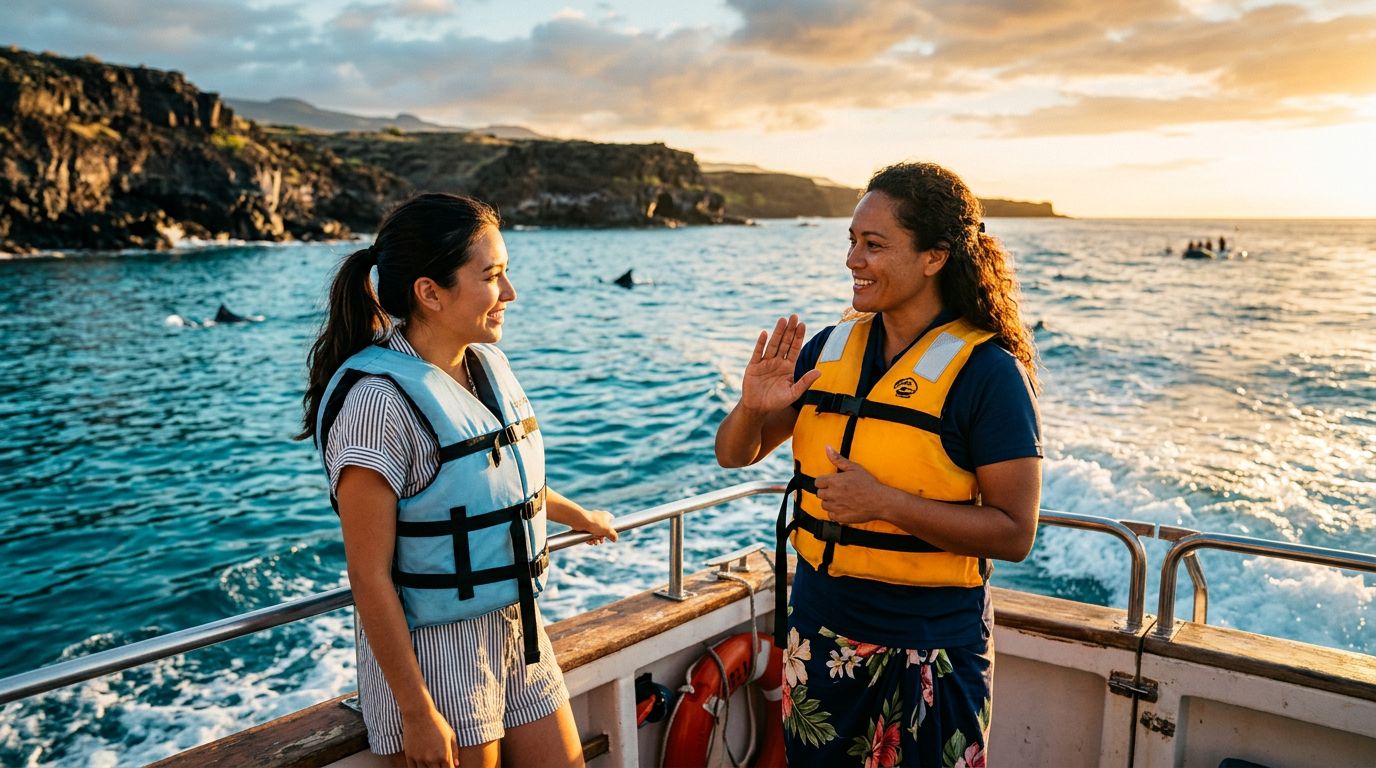
The ocean doesn’t require perfect English, but booking Kona boat tours can feel stressful when you aren’t confident speaking the language. You may wonder whether you’ll understand the safety briefing, know where to meet, or explain what you need once the boat leaves shore.
You can still enjoy a safe, relaxed day on the water. The right operator uses clear instructions, visual demonstrations, patient communication, and a crew that checks understanding without making you feel uncomfortable. These practical tips will help you choose a tour and prepare for your Big Island adventure.
Key Takeaways
- Choose a small-group tour where guides have time to communicate with every guest.
- Ask about language support, safety briefings, meeting instructions, and translation options before booking.
- Bring written questions, your booking details, and a translation app that works offline.
- Manta ray, reef, Captain Cook, whale watching, and private boat trips suit different comfort levels.
- Professional guides can make the experience accessible even when you speak limited English.
Why Kona Boat Tours Work Well for International Visitors
Kona has calm, clear coastal waters, sheltered snorkeling areas, and boat crews who regularly welcome travelers from around the world. The Island of Hawaii’s official visitor guide includes ocean activities among its main travel experiences, along with practical information for planning your visit. You can review official Hawaii Island travel information before choosing where to stay and what to do.
Language ability doesn’t determine whether you can enjoy snorkeling. Most important instructions are short and repeatable. You may hear phrases such as “hold the rail,” “sit here,” “wait,” “mask,” “fins,” and “back to the boat.” Guides also point, demonstrate, and use hand signals during water activities.
Still, communication quality matters. You need to understand where to stand, how to enter the water, what to do if you feel tired, and when the group returns to the boat. A good crew won’t assume that a nod means you understood everything. They will show you the equipment and invite questions.
Kona Snorkel Trips is a local ocean adventure company built around its “Reef to Rays” philosophy. Its small-group tours focus on personal service, safety, marine education, and reef-safe practices. Lifeguard-certified guides lead the trips, while the company provides equipment suited to guided snorkeling and nighttime encounters.
A smaller boat group can make a major difference. You have more opportunities to ask for a demonstration, repeat a question, or tell a guide that you need help. Crowded tours often move quickly, which can make a language barrier harder to manage.
Kona Boat Tours: What Language Support Should You Expect?
Language support varies between operators, so ask before you pay. “International-friendly” doesn’t always mean that a guide speaks your language. It may mean the crew has experience welcoming visitors who use translation apps or prefer visual explanations.
When you contact a company, ask direct questions in simple English. You can copy and paste these sentences into an email or booking message:
- “Do your guides speak my language?”
- “Can you provide written safety instructions?”
- “Will the guide demonstrate how to use the mask and fins?”
- “Can I join if I speak only basic English?”
- “What should I do if I don’t understand an instruction?”
- “Can someone help me at check-in?”
A professional answer should explain the actual process. The operator might offer a multilingual guide on certain dates, written instructions, translated messages, or a crew member who can help with basic communication. If the response is vague, ask for clarification before booking.
You can also tell the company about your needs. Explain your preferred language, swimming ability, medical concerns, allergies, and whether someone in your party can interpret. You don’t need to apologize. This information helps the crew prepare.
Translation apps can help with booking and check-in, but they shouldn’t replace the safety briefing. Download your preferred app before leaving your hotel. Save key phrases in both languages, since cellular service may be weak near the coast.
A phone can also hold screenshots of your reservation, meeting location, hotel address, emergency contact, and tour time. Use a waterproof pouch if you plan to bring it near the boat or beach. Never depend on a phone alone, since batteries, glare, and water can create problems.
How to Choose a Tour When English Is Not Your First Language
The best tour depends on your comfort in the water, your group, and the type of marine experience you want. A private trip usually provides the most flexible communication because the crew can adjust the pace and explain each step to your group.
A shared reef tour may suit confident swimmers who want a shorter, simpler outing. You can often learn the basic routine quickly: board, listen, receive gear, enter the water, follow the guide, and return when instructed.
Kealakekua Bay tours offer a scenic boat ride and reef snorkeling near the Captain Cook Monument. The trip can be a good choice if you want daytime visibility and time to observe fish and coral. You can review the Captain Cook snorkel tour before deciding whether the route matches your group.
Night manta ray snorkeling is different. You float at the surface after dark while lights attract plankton and manta rays near the viewing area. You need to understand directions about holding the float, keeping your body position, and returning to the boat. Guests who feel nervous should tell the crew before entering the water.
The second company to consider for a manta-focused trip is Manta Ray Night Snorkel. Compare the meeting instructions, group size, equipment, language assistance, and swimming requirements before choosing an operator.
Whale watching is seasonal and usually doesn’t require getting into the water. You can focus on the guide’s gestures, watch the animals, and enjoy the coast from the boat. Seasonal whale tours may suit travelers who want an ocean experience but don’t feel ready for snorkeling.
Private charters offer the most control. Kona Snorkel Trips provides private Kona boat tours that can be arranged around your group’s interests, including reef snorkeling, remote beaches, whale watching, and special occasions. Ask whether the captain can slow the schedule for translated explanations or repeated demonstrations.
| Tour type | Communication needs | Good fit for |
|---|---|---|
| Reef snorkeling | Basic safety phrases and gear demonstration | Confident swimmers and families |
| Kealakekua Bay | Daytime briefing and water instructions | Guests who want reef scenery and clear visibility |
| Manta ray night snorkel | Careful instructions about floats and boat returns | Comfortable surface swimmers |
| Whale watching | Listening and watching guide signals | Guests who prefer to stay on the boat |
| Private charter | Flexible communication and custom pacing | Families, couples, and mixed-language groups |
The takeaway is simple: private and small-group trips usually give you more time to communicate, while shared tours can work well when you feel comfortable following demonstrations.
Preparing for a Snorkel Big Island Adventure
Preparation reduces confusion before you reach the harbor. Start by saving your confirmation email and taking a screenshot of the meeting instructions. Include the tour name, date, time, address, phone number, and pickup details.
Arrive early. Extra time gives you space to find the check-in area, ask questions, and get comfortable with the crew. Rushing can make simple communication harder, especially when parking or harbor directions are unfamiliar.
Wear a swimsuit under comfortable clothing. Bring reef-safe sunscreen, a towel, drinking water, sunglasses, and a light layer for the boat ride. If you use prescription medication, keep it in a secure waterproof container and tell the crew about it.
Equipment questions are common. A guide should show you how the mask seals, where the snorkel sits, and how the fins fit. If water enters your mask, raise your hand and point to the problem. You don’t need to explain the entire issue in English.
Learn a few basic safety words before the tour:
- Stop: Stop moving and wait for the guide.
- Help: You need assistance.
- Back to boat: You need to return.
- Tired: You need a break.
- Cold: You feel uncomfortable in the water.
- Boat: You are pointing toward the vessel.
- Okay: You understand or feel safe.
You can also create simple hand signals with the guide before entering the water. Confirm what “okay,” “help,” and “return” mean. Then use those signals consistently.
Swimming ability matters more than English fluency. Tell the operator whether you can swim, float, tread water, or use snorkeling equipment. Families should explain each child’s comfort level. A child who understands no English may still follow a demonstration, but an adult must remain close and attentive.
If you don’t feel comfortable in open water, ask about flotation support. Some tours provide flotation devices, but availability and use rules differ. Never assume that a life jacket or flotation aid will be available unless the operator confirms it.
Making a Manta Ray Night Snorkel More Comfortable
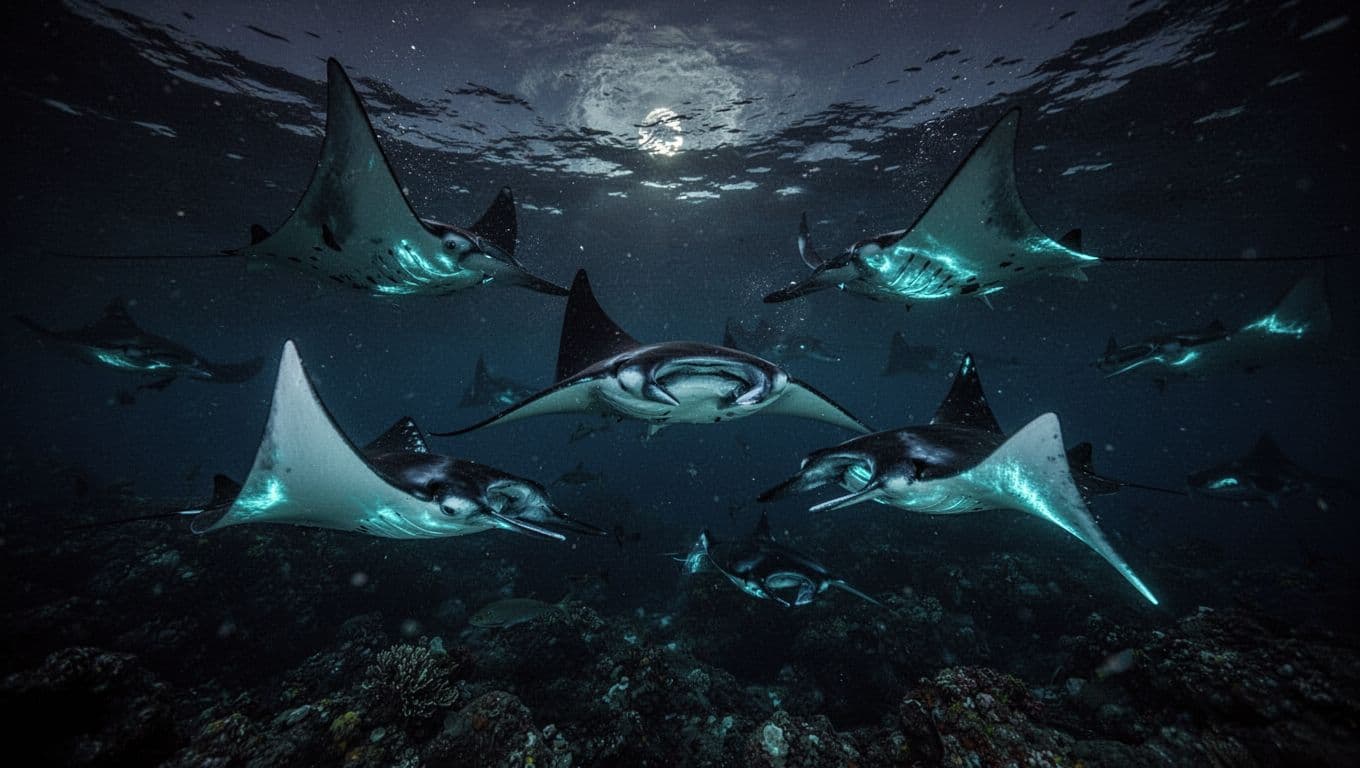
A manta ray night snorkel can feel unfamiliar because the water is dark and the viewing setup is different from daytime reef snorkeling. You usually follow the crew to a floating light board or another designated viewing platform. The lights attract plankton, and manta rays may approach to feed.
The night environment makes clear communication even more important. Before entering the water, ask the guide to demonstrate how you hold the float, where you place your legs, and how you signal for help. Watch the demonstration closely, then repeat the movement on land if needed.
The guide may tell you to keep your body flat, avoid touching the animals, and leave space for the mantas to move. These rules protect both you and the rays. Mantas are wild animals, so sightings and behavior can vary.
You don’t need advanced vocabulary. Learn these words before the activity:
- Float: Hold the assigned flotation surface.
- Face down: Look into the water.
- Turn around: Change direction.
- Stay here: Remain in the viewing area.
- Return: Go back to the boat.
- Do not touch: Keep your hands away from the manta rays.
The manta-focused page from Kona Snorkel Trips describes its night manta ray snorkeling experience, including options for private and seasonal combination trips. Read the requirements carefully and contact the company if any part of the instructions is unclear.
If you are sensitive to darkness, motion, or unfamiliar equipment, ask about the experience before reserving. You can also choose a daytime reef tour first. That lets you practice using the mask and fins in brighter conditions.
What to Expect on a Captain Cook or Reef Trip
Daytime snorkeling is often the easiest place to start when you don’t speak English fluently. You can see the boat, equipment, shoreline, and guide clearly. Visual instructions are easier to follow, and you can point to objects when asking questions.
A Captain Cook snorkeling trip usually includes a boat ride along the Kona coast and time in or near Kealakekua Bay. The crew may explain local history, reef ecology, and safety rules. You can follow the visual parts of the experience even if you don’t understand every spoken detail.
Kona Snorkel Trips’ Kealakekua Bay snorkeling excursion is a practical option for travelers who want a guided daytime reef experience. If your group includes different swimming abilities, explain that before boarding. The crew can tell you which parts are suitable for each guest.
Captain Cook Snorkeling Tours is another company associated with Kealakekua Bay experiences. You can compare its Captain Cook snorkeling tours with the route, group size, and communication support offered by your preferred operator.
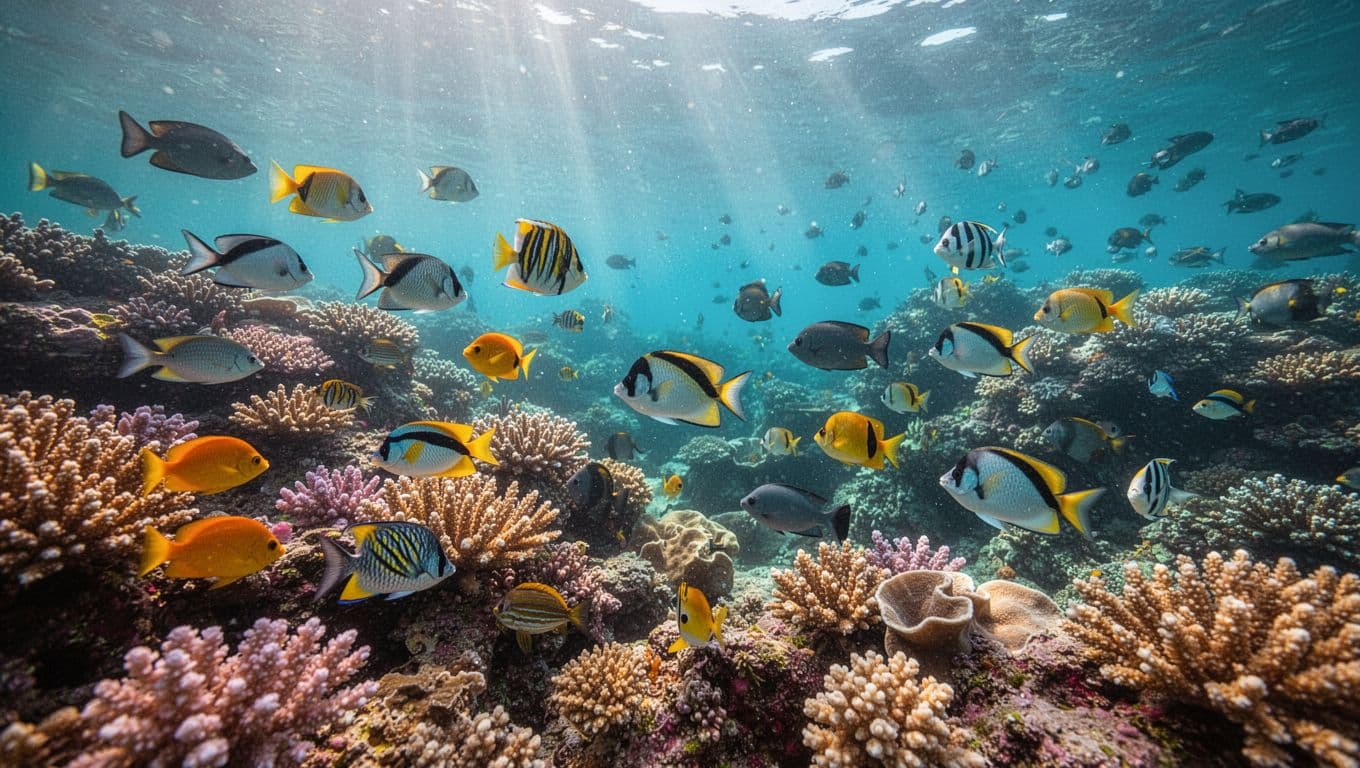
During a reef trip, guides may point out Hawaiian green sea turtles, reef fish, coral formations, and volcanic coastline. Don’t touch turtles, coral, or other marine life. Use reef-safe practices and listen when the guide asks the group to move or hold position.
For families, assign one confident adult to each child who needs extra help. Stay close enough to see one another, but don’t crowd other guests. If a child becomes uncomfortable, signal the guide early instead of waiting until the situation feels urgent.
If you need a translation, point to the relevant item and use your saved phrase. For example, show the mask and say, “How use?” A patient guide can demonstrate the answer in seconds.
Questions to Ask Before Booking
A short message can reveal whether an operator is prepared for international guests. Send your questions several days before the trip, especially during busy travel periods.
Ask about the following points:
- Language support: Find out whether any crew member speaks your language or whether the company offers translated materials.
- Safety instructions: Ask whether the crew demonstrates equipment use and water-entry procedures.
- Swimming requirements: Confirm the minimum swimming ability and whether flotation devices are available.
- Meeting details: Request the exact harbor name, parking instructions, arrival time, and check-in location.
- Weather policy: Ask what happens if the ocean conditions cause a cancellation or route change.
- Medical needs: Tell the operator about asthma, allergies, mobility concerns, or other conditions.
- Children: Confirm age requirements and whether young children can participate.
- Group size: Ask how many guests usually join the boat.
You should also ask how the crew communicates during the activity. Will the guide stay nearby? Can you signal for help? Does the boat carry a first-aid kit and communication equipment? These questions don’t require fluent English, and clear answers help you choose with confidence.
Read the cancellation and check-in rules carefully. Save the company’s phone number in your contacts. If you use a translation app, prepare a message that says, “I have arrived for the boat tour,” along with your reservation name.
For guests who prefer maximum flexibility, a private tour can reduce pressure. Your group can discuss the pace before departure, request repeated demonstrations, and keep related questions within one conversation. That option often works well for couples, families, and groups with mixed language abilities.
The Kona Snorkel Trips tour collection includes reef snorkeling, manta ray experiences, seasonal whale watching, and private outings. Review the individual trip details rather than assuming every tour has the same requirements.
Communication Tips During the Boat Ride
Once you board, introduce yourself to the guide and mention your preferred language. You can say, “I speak a little English. Please show me.” That sentence gives the crew useful information without requiring a long explanation.
Pay attention to gestures and location cues. Guides may point toward the restroom, seating area, life jackets, entry ladder, or waterline. If several people receive instructions at once, watch the demonstration before handling your equipment.
Repeat important information in your own words or show the action back to the guide. For example, point to the ladder and ask, “Enter here?” A simple confirmation prevents confusion later.
Sit where you can see the guide during the briefing. If the engine, wind, or other guests make it difficult to hear, move closer or ask the guide to repeat the instruction. Nobody benefits when you pretend to understand.
Use a buddy system in the water. Your buddy can help you notice signals, stay with the group, and return to the boat. However, your buddy shouldn’t replace the professional guide. Raise your hand when you need crew assistance.
Don’t worry about pronunciation. The goal is clear communication, not perfect grammar. Short words, pointing, and gestures work well in a marine setting.
The most useful phrase on a snorkeling boat is often “Please show me.” A demonstration can communicate equipment, direction, and safety faster than a long explanation.
After the tour, tell the crew what helped and what caused confusion. Your feedback can improve communication for future guests who speak your language.
Booking Kona Boat Tours With Confidence
Traveling in Hawaii should feel exciting, not intimidating. When you speak limited English, choose an operator that answers questions clearly, explains safety procedures, and gives you time to prepare.
Start with a daytime reef trip if you want a gentle introduction to snorkeling. Choose a manta ray night experience when your group feels comfortable following water instructions in the dark. Consider a private charter when your party needs a slower pace or more personalized support.
You can check availability for Kona Snorkel Trips and send your language questions before booking. Bring screenshots, a translation app, basic safety phrases, and a willingness to ask for demonstrations.
The best snorkeling experience isn’t measured by how much English you speak. It’s measured by whether you understand the safety plan, feel comfortable with the crew, and have the freedom to enjoy the reef, coastline, or manta rays around you.
Conclusion
You don’t need fluent English to enjoy snorkeling Big Island Hawaii. You need a clear operator, a suitable tour, basic preparation, and the confidence to ask for a demonstration whenever something feels unclear.
Whether you snorkel Big Island reefs in daylight, watch manta rays after sunset, or stay aboard for whales, good communication starts before departure. With the right support, your language is one part of the trip, not a barrier to experiencing Hawaii’s ocean.