
How Far Do You Swim During Captain Cook Snorkeling?
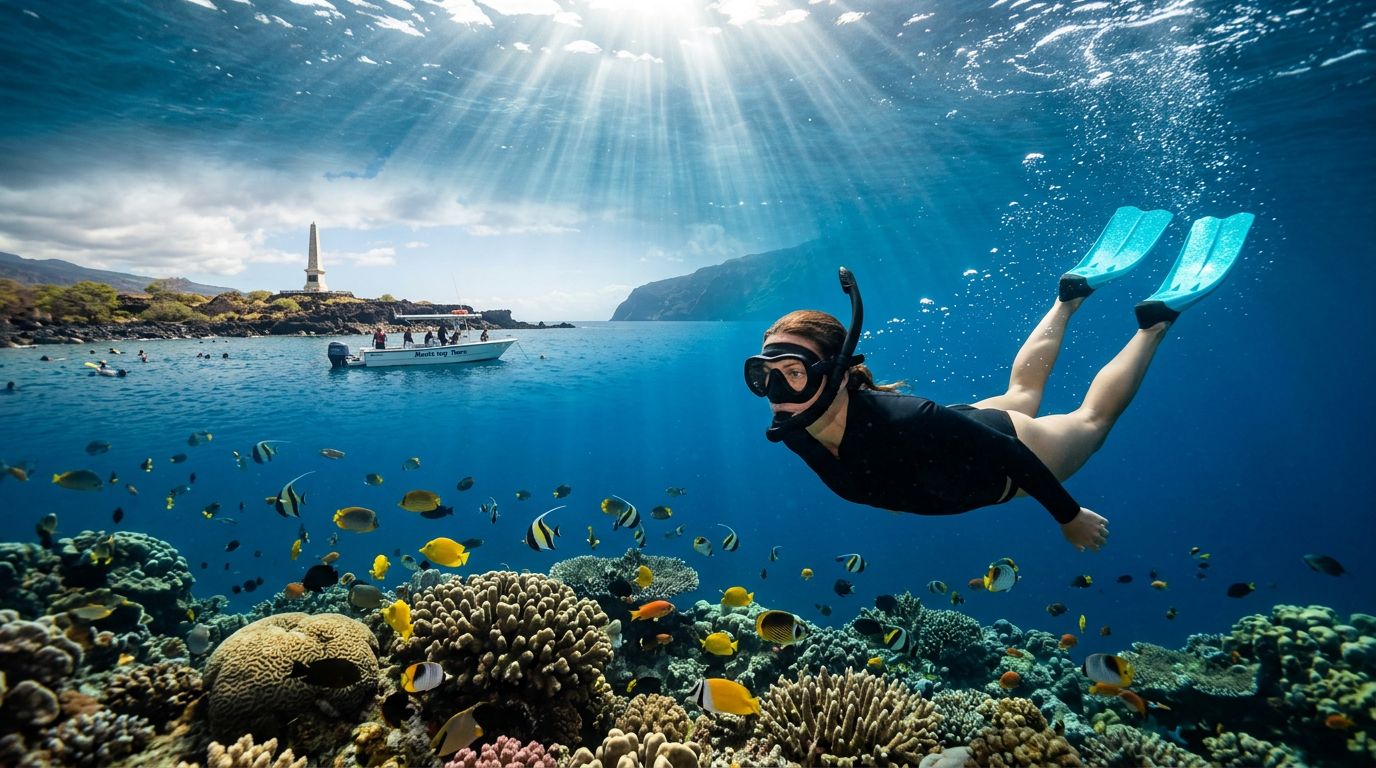
You usually swim much less than the distance shown on a map. During Captain Cook snorkeling, the famous one-mile figure describes the route across Kealakekua Bay from shore, not the distance you normally cover during a guided boat tour.
Your actual swim depends on the guide’s route, ocean conditions, your comfort level, and how often you stop to watch fish. Most visitors should plan for a relaxed swim measured in hundreds of yards, with longer routes reaching about 1,200 feet, or roughly 0.23 mile.
Key Takeaways
- The Captain Cook Monument is about one mile from the closest practical shore access across Kealakekua Bay.
- A boat tour drops you near the reef, so you don’t swim the full distance across the bay.
- A 1,200-foot swim equals about 0.23 mile, but many guests cover less.
- Your route changes with currents, visibility, marine life, and group ability.
- A guided trip is easier for families and less confident swimmers because you start near the snorkeling area.
How Far Do You Swim During Captain Cook Snorkeling?
The clearest answer is usually a few hundred yards, not a full mile.
When you take a boat to the Captain Cook Monument, the boat handles the long crossing. You enter the water near Ka’awaloa Flats, the reef area in front of the monument, rather than starting at the eastern side of Kealakekua Bay.
A typical snorkel stop includes swimming away from the boat, following a reef line, pausing to observe marine life, and returning to the boat or a guide. You may swim in a broad loop, a short out-and-back route, or a loose group pattern. There isn’t one official course that every operator follows.
A longer out-and-back route in this area may cover about 1,200 feet, equal to approximately 0.23 mile. That measurement is useful because it gives you a realistic sense of scale. However, it doesn’t mean every guest swims exactly 1,200 feet.
You may cover less if you spend more time floating over coral heads. You could cover more if you feel strong, conditions stay calm, and your guide extends the route. A person who swims continuously will also travel farther than someone who pauses every few minutes to watch a turtle or school of fish.
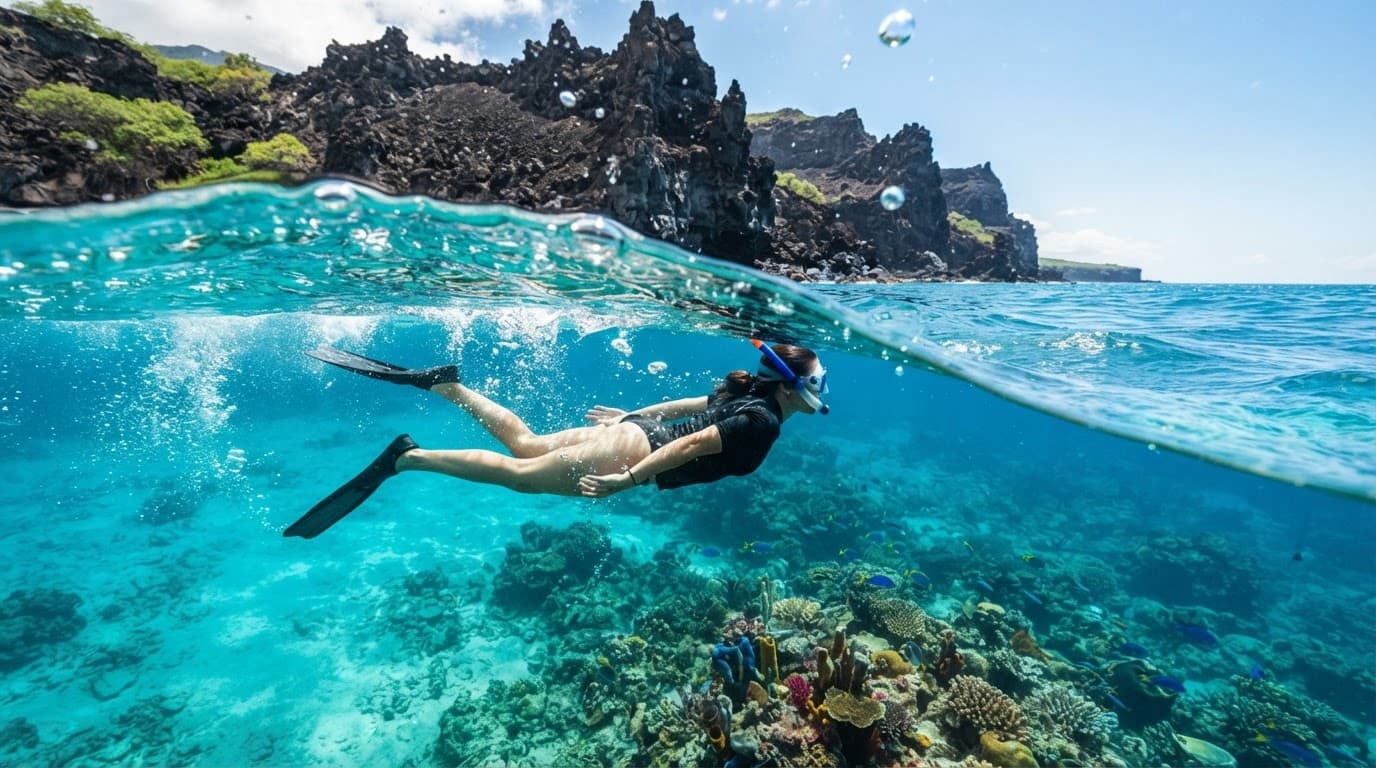
The water can look deceptively close from a boat. Once you enter, small changes in direction add distance quickly. That is why the safest plan is to judge the trip by time in the water and swimming conditions, not by a promised mileage figure.
Why the One-Mile Distance Causes Confusion
Kealakekua Bay has several access points, but the best snorkeling sits near the Captain Cook Monument on the northwestern side of the bay. The nearest road-access area is on the opposite side, near Napo’opo’o Beach Park and Napo’opo’o Pier.
The crossing from that side to the monument area is often described as about one mile to 1.5 miles. That figure applies to the bay crossing by kayak or the distance between shore access and the primary snorkeling area. It is not the standard swim required on a boat excursion.
Big Island Guide’s overview of Kealakekua Bay also places the bay about 12 miles south of Kailua-Kona and describes the area as a major snorkeling and kayaking destination. The bay is large enough that a short-looking route on a map can become a demanding open-water swim.
Shore access and boat access are different experiences
If you hike the Ka’awaloa Trail, the round trip is about four miles, including the steep descent and climb. The one-way trail distance to the shoreline is about 1.9 miles. After that hike, you still need to enter the water near the monument and swim in open ocean conditions.
A kayak trip removes the hike but still requires a crossing of roughly one to 1.5 miles each way. That distance is paddled, not swum, although you may swim around the monument after landing.
A boat trip changes the calculation. You travel directly to the snorkeling zone, so your time in the water focuses on exploring the reef. You avoid the long shore approach, the steep trail, and the exposed crossing.
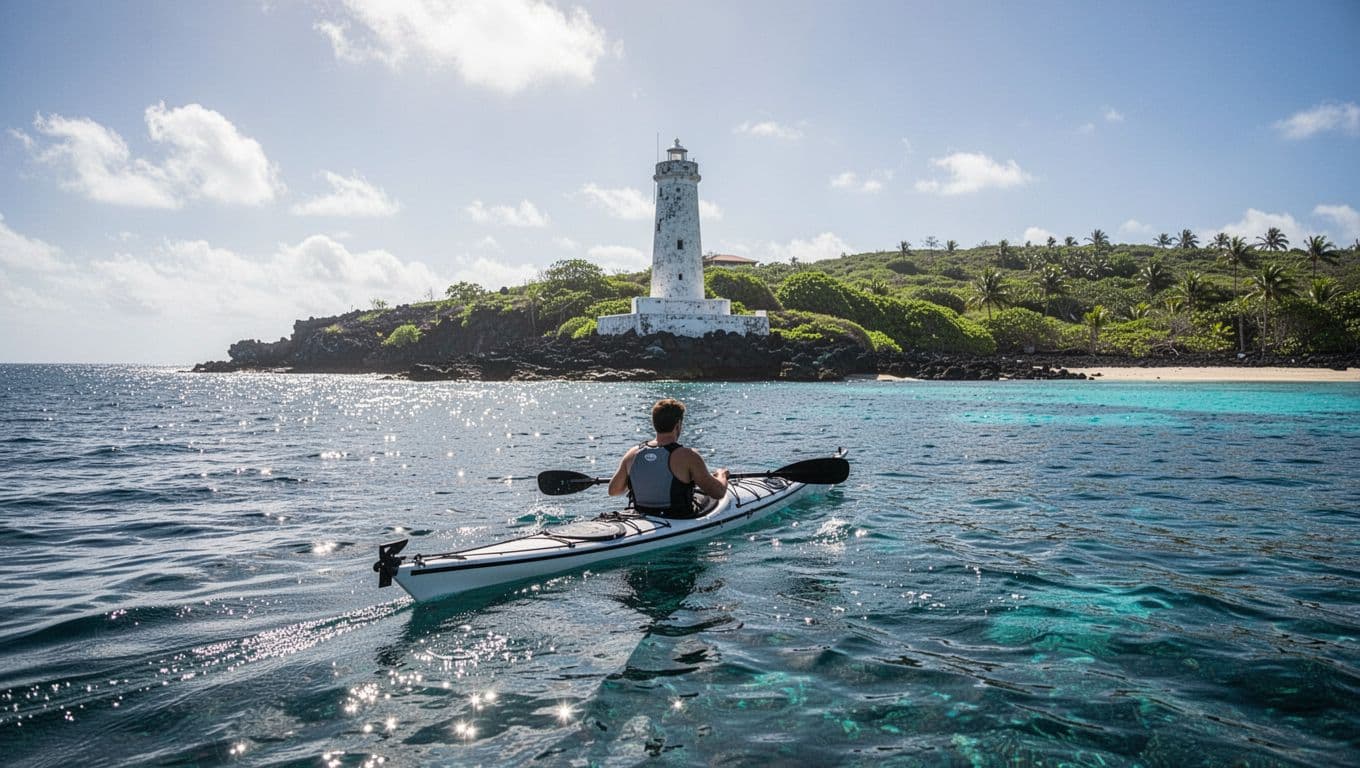
The distinction matters when you compare tours. A listing that says “one mile to Captain Cook” may describe the geography of the bay, while your guided swim could be only a fraction of that distance.
What Your Swim Looks Like on a Guided Boat Tour
A guided Captain Cook snorkel trip generally begins with a boat ride from the Kona coast toward Kealakekua Bay. Depending on the departure point and sea conditions, the ride can take around 35 to 50 minutes.
Once the boat reaches the monument area, your guide gives instructions about entering the water, staying with the group, and using the current safely. You then swim near the reef while the boat remains nearby.
The first few minutes often involve getting comfortable with your mask, breathing through the snorkel, and adjusting your fins. Your guide may point out a reef shelf, a turtle, or a school of fish. Because you stop to look, the distance you travel is less than it would be during a continuous pool swim.
Your route may include:
- A short swim from the boat to a reef section
- A slow drift along coral formations
- A return route that follows the guide or boat
- Time floating in place while you watch fish
- Extra swimming for guests who want to explore farther
The group usually moves at a pace that allows guests to stay together. You don’t need to race across the bay, and you shouldn’t swim away from the guide to increase your distance.
If you want a guided route focused on the monument and reef, review the Captain Cook snorkel tour before booking. Check the listed duration, departure location, inclusions, and swimming expectations.
The strongest swimmers may feel ready to swim farther, while children or first-time snorkelers may prefer a shorter route. A good guide can adjust the experience without turning the outing into a workout.
How Distance Changes by Access Route
The table below shows why different people report very different distances at Captain Cook.
| Access method | Distance involved | What you do in the water |
|---|---|---|
| Guided boat tour | Usually a few hundred yards, with longer routes near 1,200 feet | Snorkel around the reef near the monument |
| Kayak from Napo’opo’o side | About 1 to 1.5 miles across the bay | Paddle across, then swim near the monument |
| Ka’awaloa Trail | About 1.9 miles one way to shore | Swim after a steep hike and shoreline entry |
| Shore approach to monument area | About one mile across the bay | Open-water swimming, not a standard visitor route |
A boat tour gives you the shortest required swim because it places you beside the destination. The kayak and hike options involve more physical effort before you even start snorkeling.
The shore route also has practical limits. The monument area has few or no facilities, and the trail is steep on the way back. You need enough water, sun protection, and energy for the return journey.
For most travelers who want to focus on marine life, a boat offers the most direct access. You spend your energy looking beneath the surface instead of covering a long approach.
If you prefer a more flexible day, Kona Snorkel Trips’ guided snorkeling adventures can help you compare group trips and private options. A private trip may give your group more control over pace and time in the water, although the captain still makes the final decision based on conditions.
Can You Handle the Swim?
You don’t need to be a competitive swimmer for a standard guided snorkel stop. You do need to feel comfortable floating in open water and breathing through a snorkel.
Fins make each kick more effective, so you can move with less effort. A properly fitted mask also prevents leaks that can make a short swim feel exhausting. Before leaving shore, practice clearing water from the mask and snorkel if you haven’t snorkeled recently.
Your comfort level matters more than a mileage estimate. Someone who swims 100 yards with steady breathing may feel better than someone who pushes through 300 yards while tired or anxious.
Tell your guide if you:
- Haven’t snorkeled before
- Feel nervous in deep water
- Need a flotation device
- Have trouble with mask leaks
- Want a shorter route
- Need to rest during the swim
You can often pause while floating, provided you remain with the group and follow the guide’s instructions. Never rely on the distance alone to decide whether you should continue. Wind, current, waves, and visibility can make the same route feel easy one day and demanding the next.
Families should also consider each child’s swimming ability, attention span, and comfort around boats. A child may enjoy the reef but tire quickly after continuous kicking. Staying close to the guide gives your family more support and makes it easier to return to the boat.
The goal is to enjoy the reef without treating the excursion as a distance challenge. If you leave the water feeling curious rather than exhausted, you’ve chosen the right pace.
What You’ll See During the Swim
Kealakekua Bay is known for clear water, lava formations, and reef habitat near the Captain Cook Monument. The underwater view changes as you move over sandy patches, rock shelves, and coral-covered sections.
You may see Hawaiian reef fish moving through the coral, larger fish along the drop-off, and green sea turtles resting or feeding in the area. Wildlife sightings are never guaranteed, so your guide won’t promise a particular animal.
The best viewing often comes when you slow down. Fish can disappear when a group kicks hard over the reef, then reappear when everyone floats quietly. A shorter route with good visibility can produce a better experience than a long swim through choppy water.
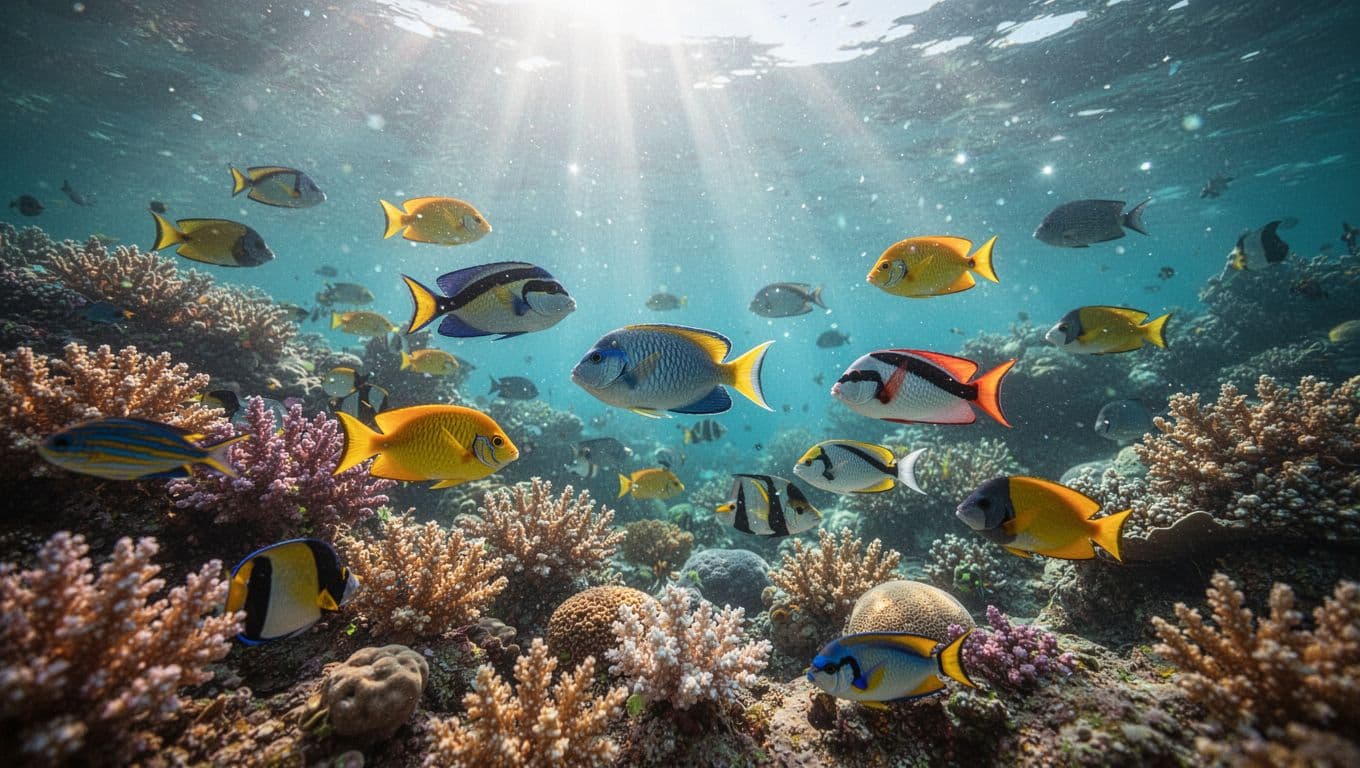
When snorkeling Big Island reefs, keep your fins away from coral and avoid touching animals or the seafloor. Coral can break from a single kick, and sunscreen residue can affect the water around you.
People who want to snorkel Big Island waters should also pay attention to the guide’s route. Guides know where the reef sits, where the current changes, and how to keep the group clear of shallow rock.
A slower pace helps you see smaller details, including fish tucked beneath ledges and movement in the coral. You don’t need to swim far to find something interesting.
How to Prepare for the Distance
Prepare for a relaxed open-water swim rather than a long-distance race. The right gear and a calm pace make a larger difference than trying to build endurance overnight.
Use a mask that seals comfortably around your face. If you rent gear, ask your guide to help with the fit before entering the water. Apply a small amount of defog solution, then rinse the mask as directed.
Fins should fit snugly without causing pain. Loose fins can slip, while tight fins can create cramps. Keep your kicks slow and steady, and let the fins do the work.
A few simple habits will help:
- Eat a light meal before the boat leaves.
- Drink water throughout the morning.
- Use reef-safe sunscreen on exposed skin.
- Wear a rash guard for sun protection.
- Tell the crew about motion sickness or swimming concerns.
- Stay with the group and conserve energy.
Avoid swimming hard at the beginning. The first section often feels easy because you’re fresh, but the return trip still requires energy. Let yourself settle into the water before deciding whether you want to cover more distance.
If you plan to snorkel Big Island Hawaii sites on several days, place the most demanding activity when you feel rested. A long hike, a kayak crossing, and a snorkel session can add up quickly.
Choosing a Captain Cook Tour That Fits Your Group
Kona Snorkel Trips follows a “Reef to Rays” philosophy and focuses on small-group ocean adventures around the Big Island. Its Captain Cook trips use Lifeguard Certified guides, quality snorkeling gear, and a safety-first approach.
The company also emphasizes reef-safe practices and education. That matters at Kealakekua Bay, where the reef is part of a sensitive marine environment. You should expect guidance about staying off coral, keeping space from wildlife, and following local water rules.
Small groups can make the swimming distance easier to manage because the guide can see guests more clearly. You can ask questions, report discomfort, or request a slower pace without feeling lost in a large crowd.
For a Captain Cook or Kealakekua Bay outing, compare the departure time, total trip duration, group size, gear, food, and cancellation terms. Most importantly, ask how the crew handles guests who want a shorter swim.
Captain Cook Snorkeling Tours is another Captain Cook-focused company you may encounter while comparing options. You can review its Captain Cook Snorkeling Tours website alongside the details of your preferred operator.
If you choose Kona Snorkel Trips, the trip is designed to put you near the reef without requiring the one-mile crossing from shore. That lets you spend more of your visit watching the bay instead of measuring every kick.
Conclusion
The one-mile figure associated with Captain Cook describes the distance across Kealakekua Bay from shore access to the monument area. During a guided boat trip, you usually swim only a fraction of that distance, often a few hundred yards, with longer routes reaching around 1,200 feet.
Your guide, the sea conditions, and your comfort level determine the route. Focus on steady breathing, relaxed fin kicks, and the reef around you. The best Captain Cook snorkeling experience isn’t measured by how far you swim, but by how much of the bay you can enjoy without rushing.