
Why Lifeguard-Certified Crew Matter on Kona Boat Tours
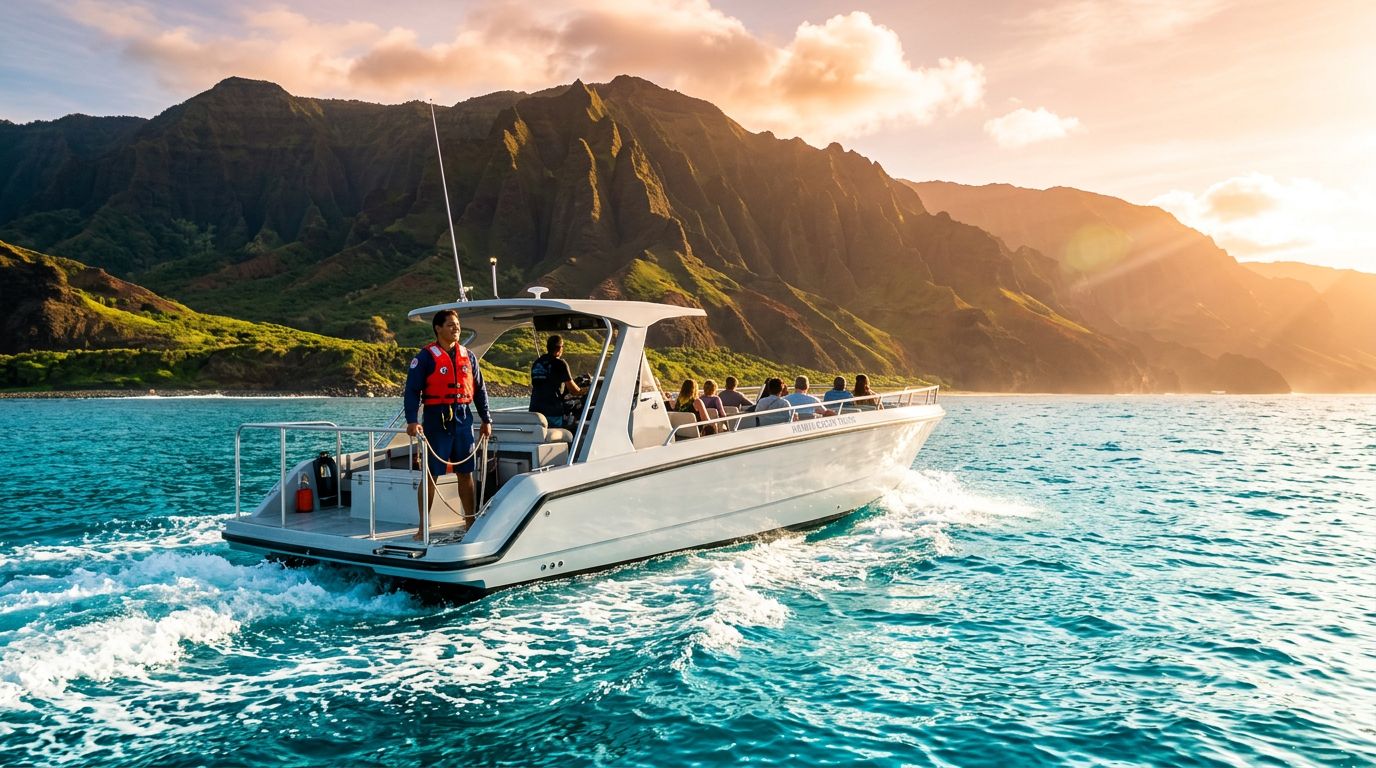
Kona Snorkel Trips puts lifeguard-certified guides at the center of its Kona boat tours, and that changes the whole day on the water. You feel it in the briefing, in the pace of the boat, and in the way the crew watches the sea before you ever step in.
That matters because the ocean can look calm and still shift fast. When you’re choosing Kona boat tours, you want more than a pretty route and good weather. You want people who can spot trouble early, stay composed, and keep your experience relaxed.
Key Takeaways
- Lifeguard-certified crew do more than react in emergencies, they notice small problems before they grow.
- On Kona waters, changing swell, wind, and boat traffic make good judgment just as important as good gear.
- Families, first-time snorkelers, and mixed-ability groups feel the difference right away.
- The best tours feel calm because the crew is organized, alert, and clear.
- When you compare operators, ask about crew training, safety gear, and group size first.
What a Lifeguard-Certified Crew Changes on the Water
A trained crew changes the tone of the entire outing. You are not just getting someone who points at fish and hands out masks. You are getting people who watch the water, read body language, and notice when a guest is drifting out of position or breathing too fast.
That kind of attention matters on a boat. A loose fin strap, a mask that keeps leaking, or a swimmer who looks tired can turn into a bigger issue if nobody catches it early. A lifeguard-certified guide looks for those signals without making a scene, which keeps the trip calm for everyone else.
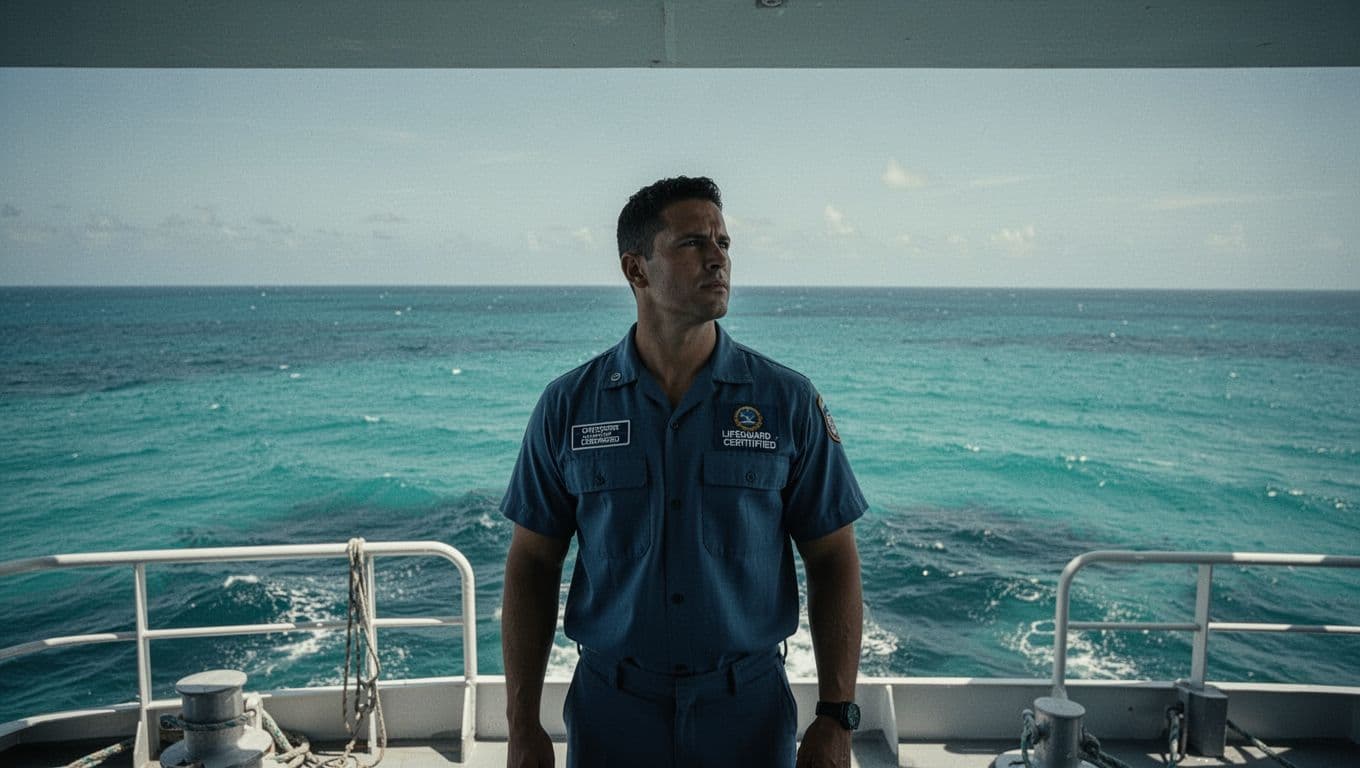
You also benefit from the way these crews brief a group. Clear instructions before entry, simple hand signals, and steady communication in the water all help you stay oriented. That matters on Kona boat tours because the experience should feel fun, not noisy or rushed.
The best crews make safety feel natural. They do the small things early, so you can focus on the water instead of second-guessing every move.
Why Kona Conditions Reward Better Judgment
Kona’s coastline can look gentle from shore, yet the water still changes with wind, surge, and traffic. If you’re planning snorkeling Big Island Hawaii, the crew’s judgment matters as much as the site itself. A beautiful morning can still bring shifting swell, uneven visibility, or a tricky entry point.
That is where lifeguard training pays off. A solid crew knows when to slow the pace, when to adjust the plan, and when a site no longer suits the group. People who snorkel Big Island reefs often focus on fish and coral, but the crew is also reading the current, the angle of the boat, and how comfortable the group looks in the water.
Good snorkeling Big Island trips depend on timing. A late drop-in, a crowded entry, or a rushed return to the boat can drain the fun from a day that should feel easy. When you snorkel Big Island waters with the right team, you get a smoother rhythm from start to finish.
The difference shows up in small choices. Should the group enter together or in smaller waves? Should someone who is nervous stay closer to the ladder? Does the boat need to shift position before the next stop? Good crews answer those questions without making you worry about them.
A calm crew changes the tone of the whole boat. When you feel watched over, you spend more time enjoying the reef and less time managing your nerves.
Why Families and First-Time Snorkelers Feel the Difference
Families notice the value of trained crew almost immediately. Kids need clear rules, short explanations, and adults who can answer questions without sounding impatient. Parents need to know the crew is paying attention while they help with sunscreen, fins, or a mask that needs another adjustment.
First-time snorkelers feel that support too. A nervous guest does not need pressure. They need a steady hand, a patient pace, and someone who can explain what to expect before the moment arrives. That is where lifeguard-certified crew shine, because they know how to keep people calm without talking down to them.
Mixed-ability groups benefit as well. One person may want to explore, while another prefers to stay close to the boat. A good crew can manage both without turning the trip into a compromise that nobody enjoys. You still get the reef, but you get it at a pace that works.
When you compare guided snorkeling tours in Kona, crew training should be one of your first questions. The operator can have a nice boat and good gear, but if the team cannot guide a family or first-timer with care, the rest matters less.
That peace of mind changes how you remember the day. You are not just hoping everyone stays comfortable. You know someone trained is watching the details.
What Safety Looks Like on Kona Snorkel Trips
Kona Snorkel Trips builds its trips around small groups, clear guidance, and a strong respect for the reef. That matters because the more personal the outing feels, the easier it is for the crew to keep an eye on everyone without crowding the experience.
The company also follows a “Reef to Rays” approach, which keeps environmental care and guest safety side by side. That means your crew is thinking about more than the next scenic stop. They are also thinking about the health of the water, the comfort of the group, and the kind of trip you will want to tell people about later.
You can see how guests respond in the reviews below.
If you’re ready to pick a date, you can check availability before you book.
That setup is more than a comfort feature. It means the crew can stay focused on the water instead of juggling a large, noisy group. It also means your questions get answered faster, your gear gets checked more carefully, and your time in the water feels more personal.
The Difference Between Watching and Protecting
Any crew can watch a snorkel group from the deck. A lifeguard-certified crew knows when watching is not enough. That difference matters when a guest panics, drifts too far, or struggles with gear in a way that can escalate quickly.
The value is not only in rescue skills. It is also in the quiet habits that prevent problems, like scanning the water in a pattern, checking on slower swimmers, and noticing when someone stops moving normally. A trained eye catches the gap between “fine” and “not fine” much earlier than most people do.
You also get better communication. Clear signals, direct instructions, and calm voices help keep the whole group together. On a boat, panic spreads faster than waves, so the crew’s tone matters. The right person can steady a whole deck with a few well-timed words.
This is why lifeguard-certified crew matter even on a smooth day. The sea does not need to be rough for things to go wrong. A moment of distraction is enough. Trained crew know that, which is why they stay alert from the first boarding step to the final return.
How the Right Crew Improves the Whole Experience
Safety is the obvious reason to care, but it is not the only one. A crew that knows what it is doing makes the whole trip feel better. You move with less hesitation. You ask more questions. You relax into the rhythm of the boat because someone else is already handling the watchfulness.
That confidence changes how you see the reef. Instead of worrying about whether your mask fits or whether you’re too far from the ladder, you pay attention to the fish, the lava rock, and the light in the water. A strong crew gives you space to enjoy the scene because they have already handled the invisible work.
The effect is even stronger on longer outings or on trips with changing conditions. When the crew stays organized, your body stays relaxed. Your shoulders drop. Your breathing settles. You stop checking the boat every few seconds and start enjoying the moment.
That is part of what makes Kona boat tours worth booking in the first place. The scenery matters, but the people guiding you shape the experience just as much. If the crew is skilled, you feel it in every part of the day.
How to Compare Kona Boat Tours Before You Book
When you are comparing options, look past the headline and ask practical questions. The best operators are happy to talk about training, boat layout, group size, and what they do if conditions change.
Here is a quick way to compare tours side by side:
| What to ask | What a strong answer sounds like |
|---|---|
| Who is on the crew? | Lifeguard-certified guides with real ocean rescue experience |
| How big are the groups? | Small enough for the crew to keep close track of everyone |
| What happens if the weather changes? | The team adjusts the plan or changes the outing when needed |
| What safety gear is onboard? | Clearly available flotation, communication gear, and first aid supplies |
| How does the crew brief guests? | Clear, calm instructions before anyone enters the water |
If the answers sound vague, that is a warning sign. If the operator talks clearly about safety, briefings, and group support, you are probably looking at a better day on the water.
You can also pay attention to how the company presents itself. Do they talk about the crew, or only the scenery? Do they mention guest comfort, or only photo-worthy stops? The best Kona boat tours balance both, because a beautiful location means more when you feel safe enough to enjoy it.
Conclusion
When you book Kona boat tours, lifeguard-certified crew give you more than a layer of protection. They give you better judgment, steadier communication, and a trip that feels easier from the first minute.
That matters on the Kona coast, where conditions can shift and every group has different comfort levels. The right crew keeps the day calm, and that calm is what lets you enjoy the reef, the ride, and the view.
If you want a trip that feels safe without feeling stiff, start with the crew. That choice shapes everything else.