
How Kona Vog Changes Kealakekua Bay Snorkeling
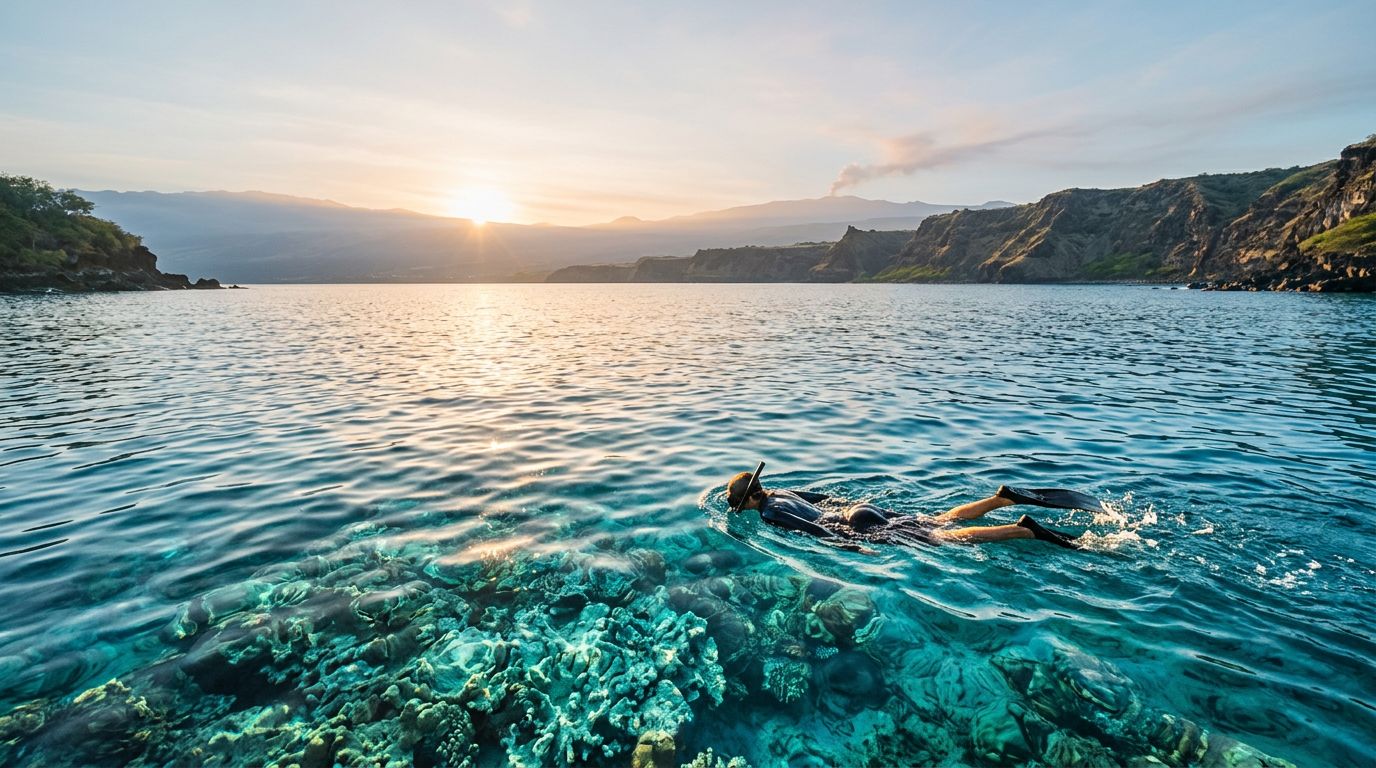
Vog can change your Kealakekua Bay snorkel day before you ever get near the water. The reef may still look alive, but the sky, the light, and even your breathing can feel different.
For many people comparing snorkeling Big Island Hawaii options, that hazy layer is the one weather detail they didn’t plan for. The good news is that vog does not automatically ruin the trip, and it does not affect every part of the experience in the same way.
If you want a clearer picture of what changes, and what usually stays the same, start with the air above the bay.
What vog really means around Kealakekua Bay
Vog is volcanic haze, a mix of gases and fine particles that drift with the wind. On the Kona side of the island, it can soften the horizon, mute the sky, and make the air feel dry or scratchy.
That matters most when you are planning to snorkel Big Island waters from a boat or shoreline access point. The bay itself is still Kealakekua Bay, still protected, still known for calm water and healthy reef life. Vog changes the feel of the day more than it changes the bay’s identity.
A useful local primer is To-Hawaii’s overview of Hawaiian vog, which explains how the haze forms from volcanic gases and weather conditions. For a snorkel-specific look at the same topic, Big Island vog snorkeling: what changes on hazy days gives you a good local lens.
For people looking at snorkeling Big Island plans in June or later, this matters because visibility above the water can shift fast. One hour can feel bright and open. The next can look soft and gray.
That does not mean the reef disappears. It means your day starts with a different sky.
How vog changes what you notice above and below the surface
The biggest change is usually not underwater. It starts on the boat, on the shoreline, and in the way light lands on the water.
Under hazy conditions, the horizon loses its sharp edge. Colors flatten a little, shadows soften, and photos can look less vivid. If you are expecting postcard blue all day, vog can make the scene feel quieter and less crisp.
The second change is personal comfort. Some people feel nothing. Others notice dry eyes, a scratchy throat, or a tighter breath on the ride out. If you have asthma, sinus trouble, or a sensitive chest, the air can matter more than the ocean.
Ocean water quality is not directly affected by vog. The main concern is breathing.
That line is the part many travelers miss. You may still be looking at excellent water and a very good reef day, but your body can react to the air around it first.
Here is a simple way to picture the difference.
| Part of the experience | What vog can change | What you may notice |
|---|---|---|
| Sky and horizon | Visibility and contrast | A softer, grayer look |
| Boat ride | Air comfort | Dry eyes, mild irritation, or a scratchy throat |
| Underwater view | Often little directly | Reef life still shows up well if water stays calm |
| Photos | Light and color | Less punch, flatter distance, softer blues |
| Energy level | Breathing comfort | You may tire faster if the air bothers you |
The table tells the story clearly. Vog is often more about the air and light than the reef itself.
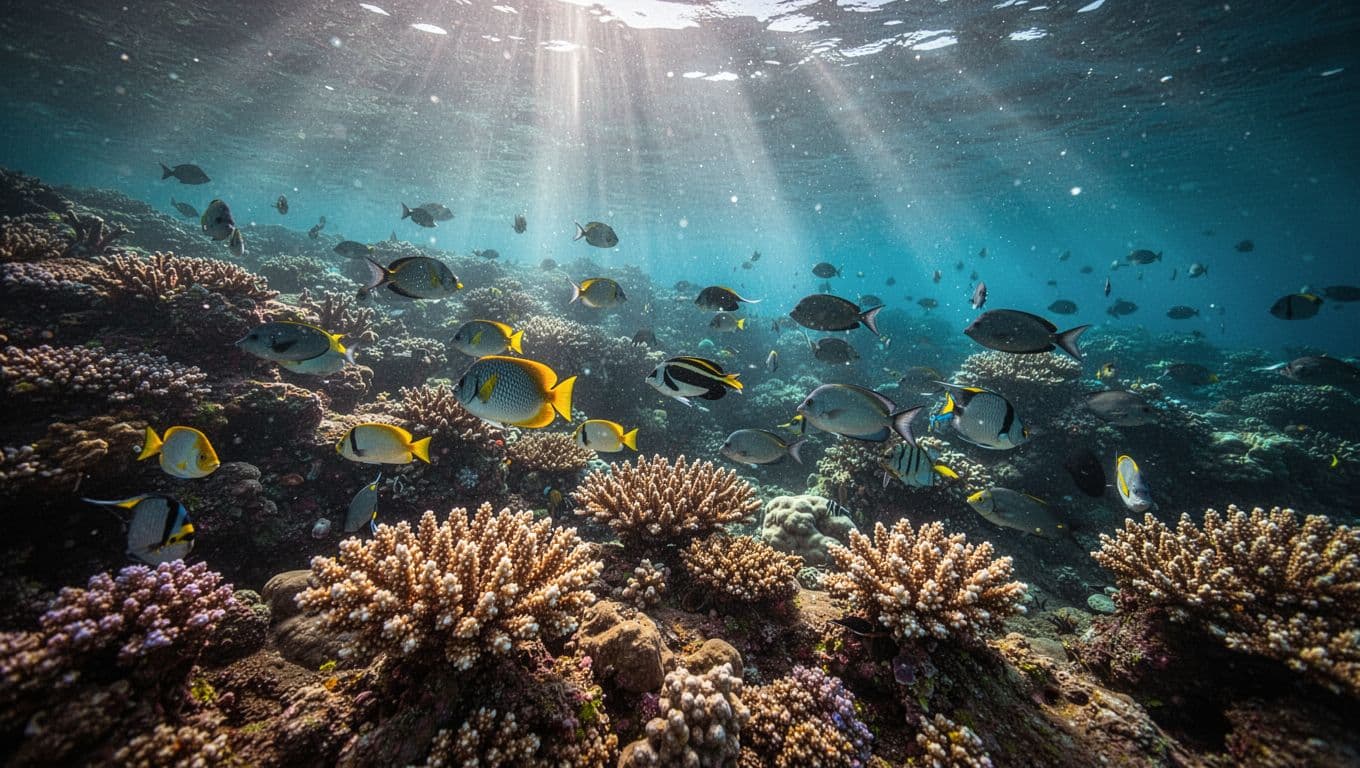
If you have ever looked down and felt surprised by how much still shines through, that is the point. Vog can blur the sky while the underwater world keeps doing its thing.
Why Kealakekua Bay still works on hazy days
Kealakekua Bay has a lot going for it when conditions are less than perfect. The bay is sheltered, the water is often calm, and the reef draws plenty of life. That combination helps when the air is hazy.
The bay also gives you a break from big open-ocean drama. You are not trying to fight surf as much as you are reading the day. That can make the trip feel easier, even if the sky looks muted.
The water itself does not turn bad because the air is hazy. The fish do not leave because the horizon is gray. Coral still holds color in the right light, and schools of tropical fish still move through the reef like confetti in slow motion.
A clear morning can make the bay sparkle, but a voggy one can still deliver excellent snorkeling if the ocean is calm. That is why snorkeling in Kealakekua Bay stays on so many Big Island shortlists.
If you want the bigger picture, Big Island snorkeling tours show how different routes handle weather, water, and timing. Some trips work better when the island feels clear. Others stay strong even when the sky looks washed out.
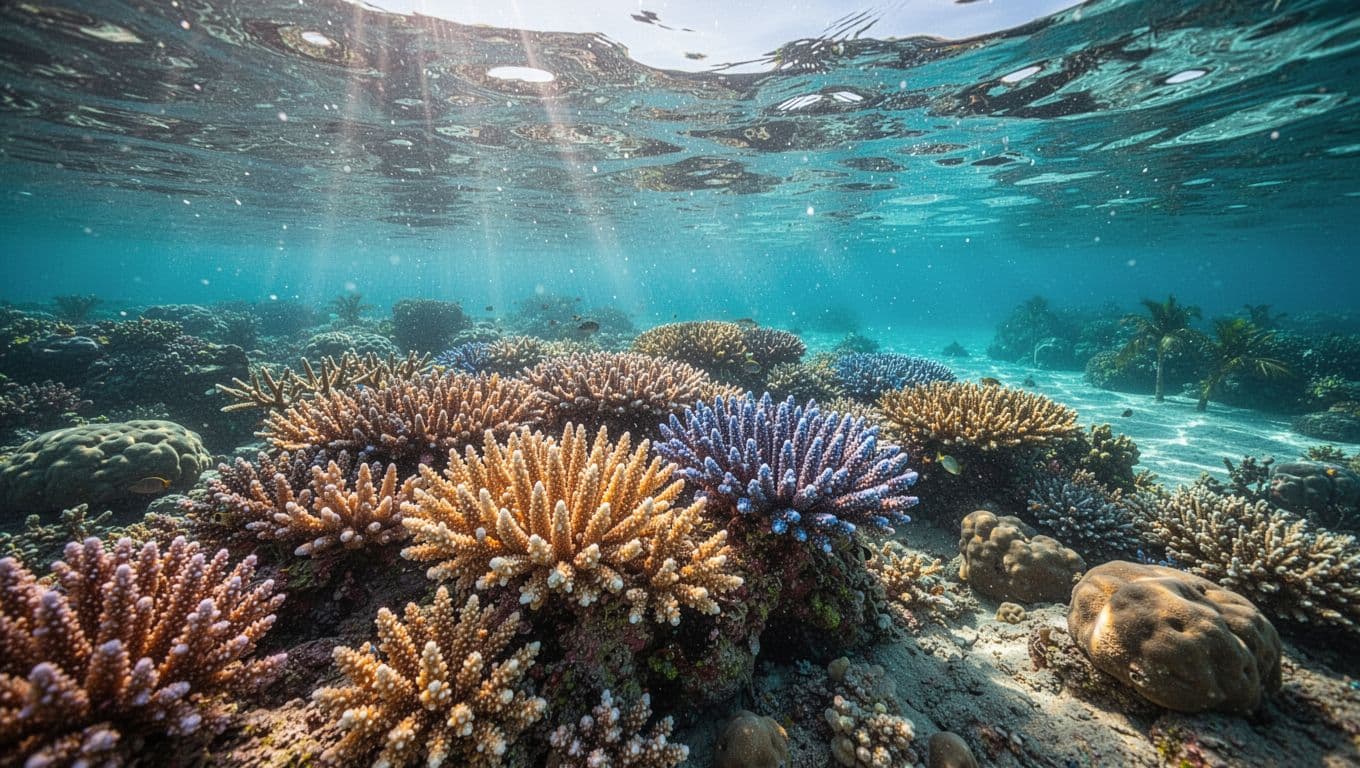
With the right expectations, a hazy day can still feel like a gift. The colors may not shout. They can still stay with you.
How to plan your snorkel day around vog
Planning around vog is less about chasing perfect conditions and more about making smart choices. You do not need to overthink it, but you do need to pay attention.
Start with the forecast, then look at how your own body handles haze. A dry throat in town can turn into a rougher swim if you push through it. If the air feels harsh before breakfast, it may feel harsher on the boat.
The local wind pattern matters too. A shift in the breeze can move haze around the island and change your view in a short time. Early departures often help because the light is softer and the day has not heated up yet.
A few simple habits can help:
- Check air quality and visibility before you leave.
- Go earlier when you can, since morning conditions often feel lighter.
- Drink water before the tour, not after you already feel dry.
- Bring any personal medication you normally use for asthma or allergies.
- Skip the trip if your chest already feels tight.
- Keep reef-safe sunscreen and sunglasses handy, because the light can still be strong.
If you want a deeper sense of the pattern, Hawaii Vog & Beach Safety explains why air comfort matters more than the water itself. That point is simple, but it changes how you judge the day.
You do not need perfect skies to have a good snorkel. You do need a clear read on how you feel.
Choosing the right tour when conditions shift
The best guide for voggy weather is a crew that pays attention and adjusts. A small-group trip gives you more room to breathe, more space to move, and more flexibility if the day needs a lighter touch.
Kona Snorkel Trips fits that idea well. The company keeps a “Reef to Rays” mindset, uses lifeguard-certified guides, and focuses on safety, reef care, and a personal feel on the water. That matters when the air is not perfect, because a thoughtful crew can help you make a smarter call before you go.
If you are comparing snorkeling Big Island Hawaii tours, that kind of setup is worth your attention. It gives you a better chance of enjoying the reef without feeling rushed or boxed in.
To see what that looks like in practice, you can check availability.
For a more bay-specific route, Captain Cook Snorkeling Tours is focused on Kealakekua Bay and the history around the Captain Cook Monument. That makes it a strong match if your main goal is this exact stretch of water.
You can also use the dedicated Kealakekua Bay snorkel tour page when you want the route, the reef, and the historic setting all in one place.
If you want to lock in that bay-focused day, you can check availability.
Traveling with a group that wants more space or more control? Private Kona boat charters can make vog easier to handle, because you can shift timing and pace around the day instead of fitting into a fixed rhythm.
That flexibility matters more than people think. On a hazy island morning, a private plan can feel like a calmer plan.
When a voggy day calls for a different ocean plan
Sometimes the right answer is to snorkel later. Sometimes it is to switch to something else and come back another day.
If the air feels rough, you can keep your ocean time and change the activity. A quieter boat day can still be rewarding, especially if visibility and comfort are not lining up for a swim. During whale season, seasonal whale watching cruises are a solid backup. They let you stay on the water without spending the whole trip in the part of the day that feels hardest on your lungs.
You can still get a satisfying day on the Kona coast by choosing the right fit for the conditions. That might mean a private charter, a later departure, or a different kind of ocean trip altogether.
If you want the broadest set of options, the guided snorkeling excursions in Kona page is a good place to compare routes. It gives you a sense of how the company handles different kinds of water days, not just the perfect ones.
For travelers who want to snorkel Big Island on a schedule, that flexibility is useful. A good plan gives you room to swap, rest, or move the day around without losing the trip.
Conclusion
Vog changes Kealakekua Bay snorkeling by softening the sky, changing the light, and sometimes making the air harder to breathe. It usually does not change the reef nearly as much as it changes your first impression of the day.
If you keep that in mind, you can make better choices. You will know when to go, when to wait, and when to switch plans without feeling like you missed the island.
That is the real trick with snorkeling Big Island waters during vog. You read the air first, then enjoy the bay for what it still is, a beautiful place to swim, look around, and slow down for a while.