
Big Island Vog Snorkeling: What Changes on Hazy Days
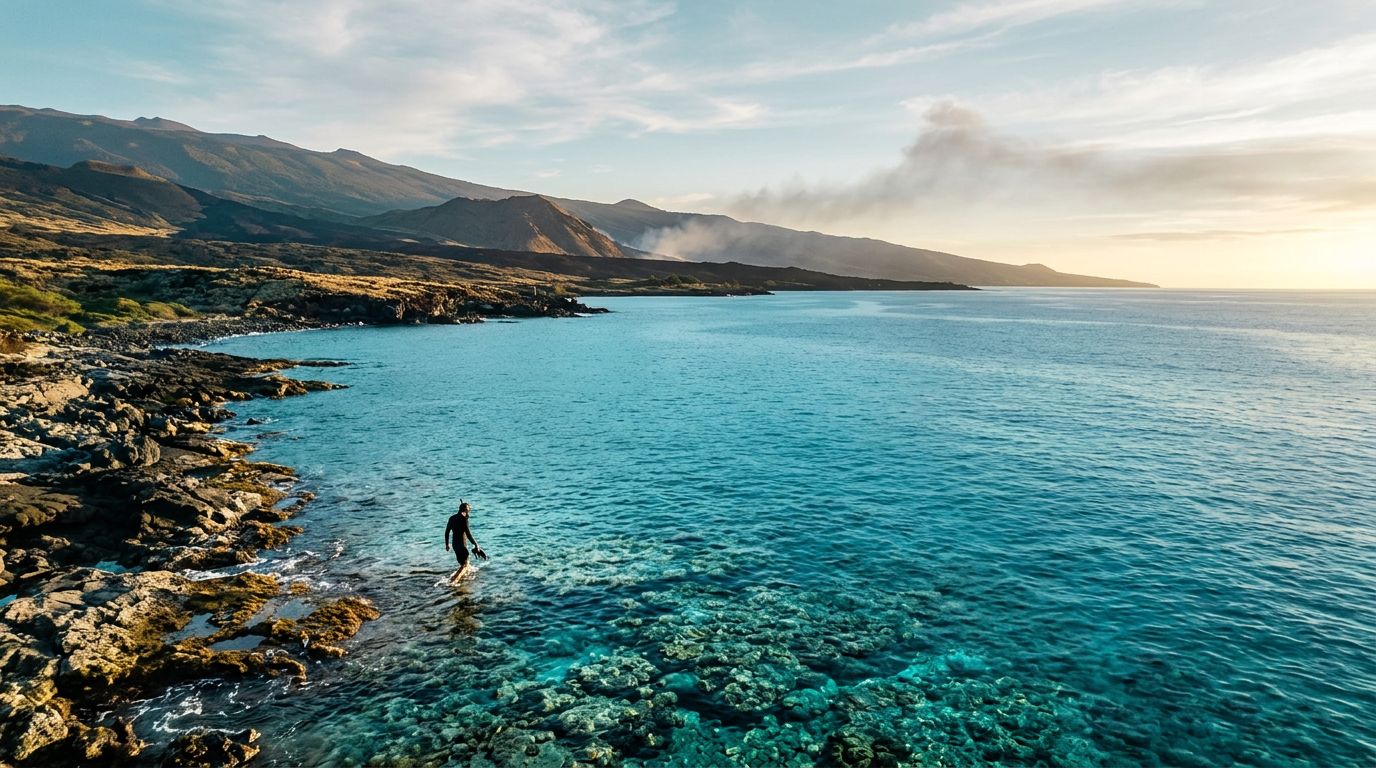
If you’re planning to snorkel with Kona Snorkel Trips or anywhere along the Big Island, vog can change the day before you even reach the water. The sky may look milky, the sun may lose its sharp edge, and your eyes may feel off before you put on a mask.
The good news is that vog does not automatically ruin a snorkel trip. It mostly changes air quality, light, and how far you can see across the coast, so you can make smarter choices once you know what to watch for.
What vog really is, and why you notice it in Kona
Vog is volcanic smog. On Hawai’i Island, gases from volcanic activity mix with sunlight, moisture, and particles in the air, then drift with the wind. The result is a haze that can hang over the coast and soften the view.
The USGS explanation of vog breaks down the science in plain language. It helps to remember that vog is an air problem first. It is not a reef problem by itself.
That matters when you plan snorkeling Big Island Hawaii trips. You may look at the shoreline and think the whole day is washed out. In reality, the sky can look flat while the water still stays clear.
Kona feels vog in a different way than the windward side. The west side often sits downwind from volcanic emissions, so haze can collect there more often. Some mornings look clean and bright. Other days feel like the sun is behind a thin curtain.
The view from shore is usually the first thing to change. Distant islands fade. The horizon softens. Even familiar landmarks can look less sharp than usual.
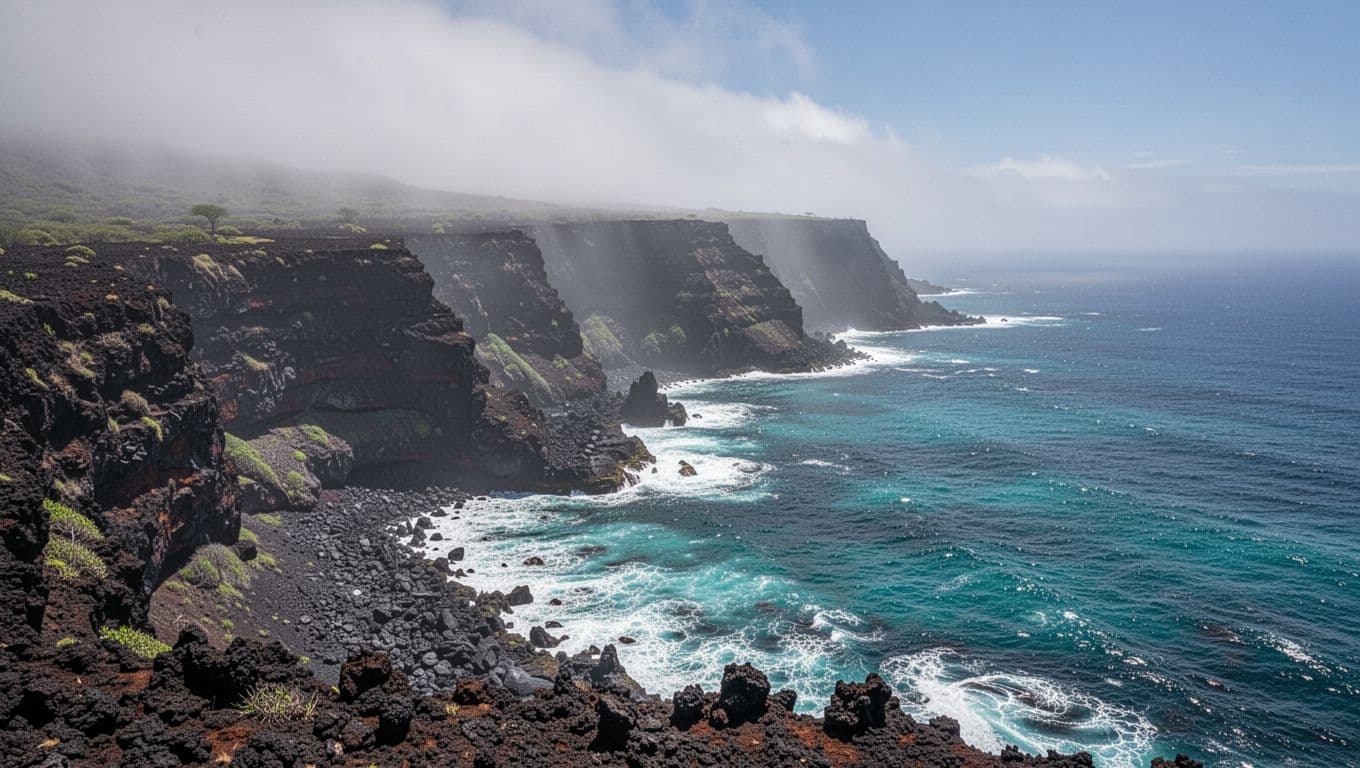
That does not mean the day is bad. It means you need to read the conditions a little more carefully.
How vog changes a snorkel day
For most people, vog changes the feel of the day more than the water itself. You may notice dry eyes, a scratchy throat, or a slight heaviness in the air. If you are sensitive to smoke or dust, that effect can show up fast.
The USGS overview of vog hazards is helpful because it talks about both visibility and health effects. Those two things shape a snorkel trip more than people expect.
Here is the simple version of what can change:
| What vog changes | What you notice | What it means for your snorkel |
|---|---|---|
| Distant visibility | The horizon looks faded | Boat rides can feel less scenic |
| Air comfort | Eyes sting or throat feels dry | Sensitive swimmers may want a shorter outing |
| Sunlight | Light turns flat or yellow | Shore views look softer, but the reef can still look bright |
| Planning | Conditions seem to shift by hour | You should check more than one source before you leave |
The key point is easy to miss. Vog can make the coastline look rough while the underwater world still looks good. That is why some snorkeling Big Island days feel better once you are in the water.
If the air feels irritating on land, your body may want a shorter day outside.
That is one reason you should pay attention to how you feel before you ever step on the boat or walk down the beach.
Where vog matters most for snorkeling Big Island plans
For snorkeling Big Island trips, location matters as much as the forecast. The same haze that looks heavy in one part of the island can feel lighter in another.
The Kona coast often gets the attention because it is a popular base for ocean trips. If the wind pushes vog west, the air can look soft over the shoreline. That can affect the drive, the beach view, and how comfortable you feel before you get in the water.
Still, the reef is not automatically hidden. On many days, the air looks muted while the water below stays clear enough for a good snorkel. Once your face is in the water, the scene can change fast. Coral color returns. Fish show up again. The haze above you matters less.
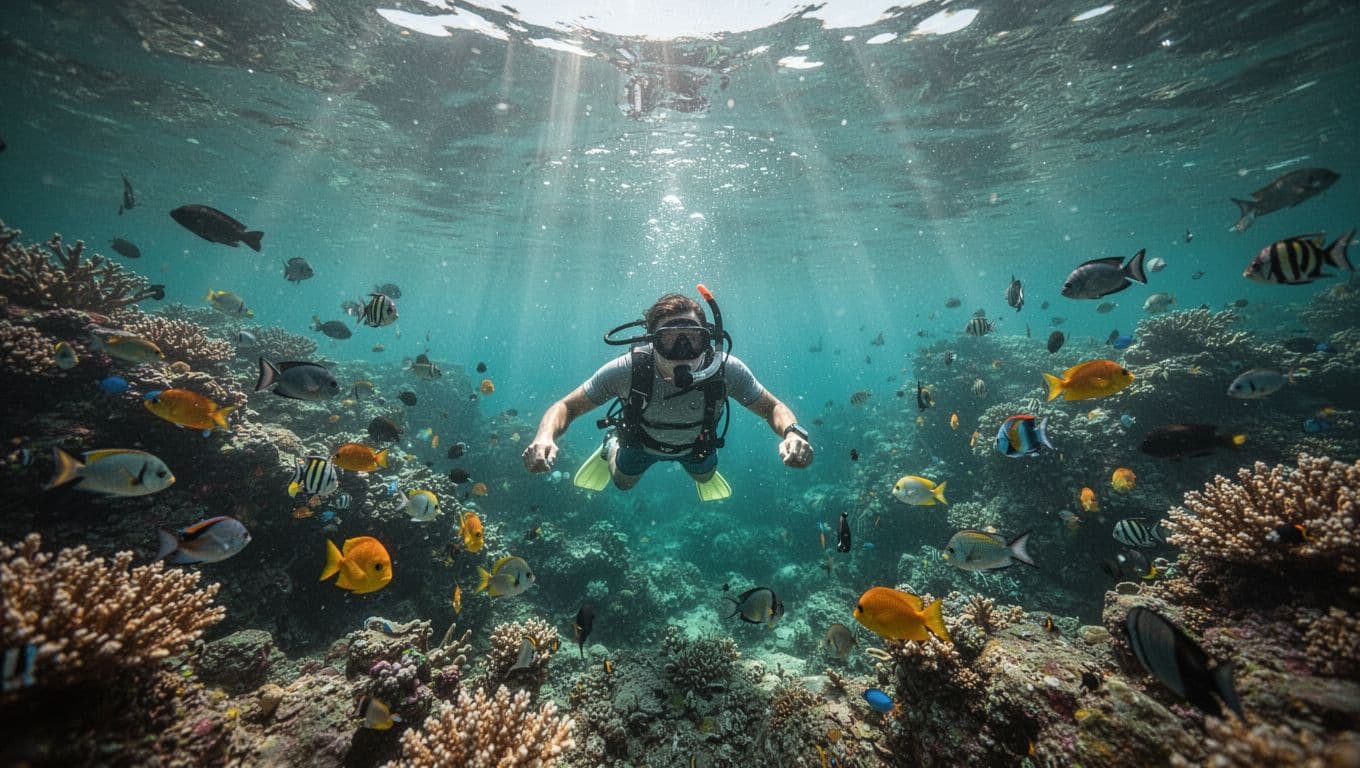
That is why many people still choose to snorkel Big Island even when vog is around. They are not ignoring the air. They are judging the whole picture.
Shore entries and boat trips can react differently to haze too. A sheltered bay may feel better than an exposed stretch of coast. A short ride can feel easier than a long one if the air bothers your eyes. When you compare options, a local operator can help you match the site to the day.
If you want to compare local choices, the Big Island snorkel tours page is a good place to start.
How to read the day before you get in the water
A quick check the night before saves a lot of guessing. Vog can move with wind and weather, so you want more than one clue before you commit.
Start with these four checks:
- Look at the wind direction.
If the wind is pushing haze toward your side of the island, the air may feel heavier at the coast. - Check visibility, not just cloud cover.
A bright sky can still carry vog. The light may look pale even when the weather seems calm. - Pay attention to your own breathing.
If you have asthma or your throat feels irritated on shore, that is a warning sign. - Use swell and rain as extra clues.
Vog is one factor. Surf, runoff, and wind can matter just as much for water clarity.
The Hawaii vog dashboard gives you a current look at haze conditions, which is useful when the forecast is changing. It is a better tool than guessing from a hotel balcony.
A calm sea can still feel wrong if the air is harsh. On the other hand, a hazy sky does not always mean a poor snorkel day. That is why you should judge both the air and the water.
If you are traveling with kids, older swimmers, or anyone with sensitive lungs, lean toward the easier choice. A short, comfortable outing is better than a long trip that turns irritating halfway through.
Better ways to enjoy snorkeling Big Island Hawaii when the air is hazy
You can still have a good day on the water when vog shows up. The trick is to adjust your plan instead of forcing it.
Morning often works better than late afternoon. The air can feel lighter early, and the sun is less harsh. That does not fix everything, but it can make the day easier.
Choose water that fits the conditions. Sheltered spots tend to feel better than exposed ones when the air is hazy or the wind is up. If the coast is calm and the swell is low, the water may look clear even if the land view feels muted.
Packing the right gear helps too. A snug mask seal matters on a voggy day because watery eyes and a leaky mask are a bad mix. Drink water before you go. Skip long, hot waits in the sun. Use reef-safe sunscreen, but give it time to settle before you enter the water.
For Big Island vog snorkeling, flexibility is your best tool. If the air feels rough, shorten the session. If the water looks better than expected, stay a little longer. The best snorkel days are not always the ones that look perfect from the parking lot.
The weather may tell you one story, while the ocean tells you another. Your job is to listen to both.
Why guided Kona trips help on voggy days
This is where local guidance makes a real difference. Kona Snorkel Trips keeps the experience small, focused, and comfortable, with lifeguard-certified guides who watch the conditions closely. That matters when the air can shift between one bay and the next.
If you want a local crew to help you pick the right day, you can check availability before you plan your outing. That is useful when you want real-time help instead of a guess.
You also get the kind of support that makes hazy days easier to handle. Good gear helps. Clear site choices help. Small groups help even more, because you are not stuck waiting on a big crowd when conditions need a change. That is one reason guided snorkeling Big Island Hawaii trips can feel calmer than trying to do it alone.
When the day is uncertain, recent guest feedback can be helpful.
A good review pattern tells you how a trip feels when the weather is not perfect. That is often the real test on a voggy day.
If you are ready to book, the button below gives you a quick way to move forward.
With the right crew, vog becomes one more local condition to read, not a reason to give up on the ocean.
Conclusion
Vog changes how the Big Island feels, but it does not always change what waits below the surface. The air may look hazy, the horizon may fade, and your eyes may sting a little. The reef can still be bright once you are in the water.
If you are planning snorkeling Big Island adventures, focus on comfort, visibility, wind, and swell. Those are the signals that matter most.
The best days often come from reading the conditions well, then staying flexible enough to enjoy the ocean anyway.