
Will You See Spinner Dolphins on a Kona Manta Ray Night Snorkel?
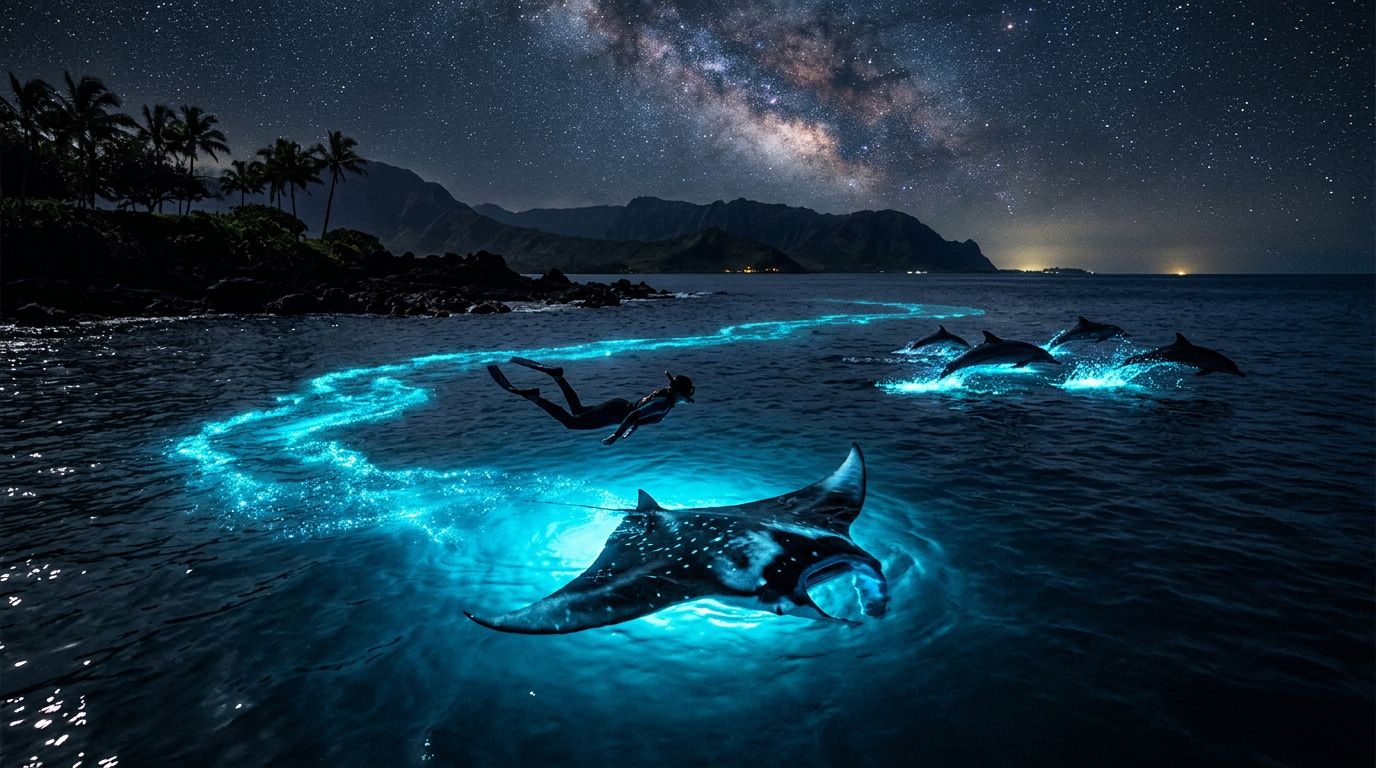
Kona Snorkel Trips is a strong name to know if you want a manta-focused night on the Kona coast, but spinner dolphins are a different story. You might see them near shore or from the boat, yet they are not what the night snorkel is built around. If you are wondering whether a manta trip also gives you a dolphin watch, the honest answer is yes, sometimes, but you should never count on it.
The reason comes down to timing. Spinner dolphins in Kona live by a daily rhythm that does not line up neatly with a dark-water manta run. Once you know that rhythm, the trip makes a lot more sense.
Why spinner dolphins in Kona are usually a daylight sight
Spinner dolphins follow a pattern that helps them rest and feed without burning too much energy. NOAA explains that they feed through the night, using the movement of prey into shallower water, then spend the day near sheltered coastal areas. You can read more in NOAA’s spinner dolphin profile.
That matters because a manta ray night snorkel starts after the sun is down. By then, spinner dolphins are often farther from the shallow resting areas people hope to spot them in. If you are on the water for mantas, you are already in the wrong time window for a reliable dolphin sighting.
The Maui Ocean Center’s spinner dolphin guide adds another important piece. Boat traffic and swimming near dolphins can interrupt their rest cycles. That is one reason a good crew will not slow down and chase a pod just to give you a closer look.
A distant sighting is a bonus, not a promise.
That simple idea keeps your expectations in the right place. The night snorkel is really about the manta rays, the light, and the calm drift over the reef. If spinner dolphins appear, it feels special because they were never the main event.
What changes your odds on the Kona coast
Your chances depend more on the evening than on the calendar. A summer night can still be poor for dolphins, while a calm shoulder-season evening can give you a surprise. The biggest factors are where the boat travels, how much twilight remains, and how clear the water looks from the deck.
Here is a quick way to think about it.
| Trip setting | Spinner dolphin odds | What it means for you |
|---|---|---|
| Sunset departure near shore | Moderate | You are still close to the part of the day when dolphins may cross the coast. |
| Calm, clear evening | Slightly better | You can spot movement farther away from the boat. |
| Full darkness offshore | Low | The trip is focused on the manta site, not dolphin travel lines. |
| Windy or rough water | Very low | Visibility drops, and dolphins are harder to spot from any distance. |
The takeaway is simple. The closer your trip stays to twilight and the shoreline, the better your odds look. Once the boat settles into the manta site in full darkness, spinner dolphins are usually out of the picture.
That is why a Kona manta tour can feel peaceful even before you reach the snorkel site. The sunset, the breeze, and the darkening water all point you toward a different kind of wildlife encounter.
What you are more likely to see under the manta lights
Once the lights switch on, the whole scene changes. Tiny plankton gather in the glow, small reef fish move in around the edges, and the mantas may rise from below with slow, smooth turns. That is the part of the trip people remember most, because the action happens right below your board.
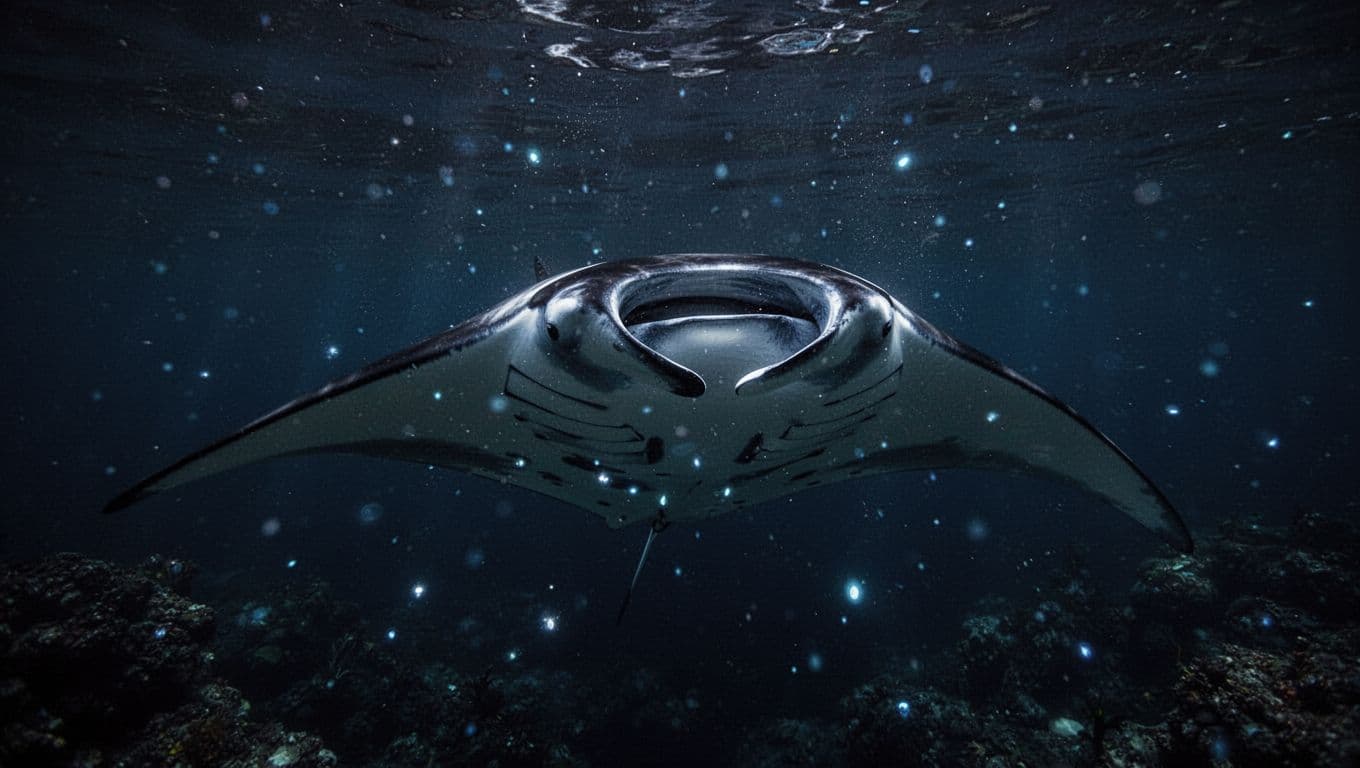
If you want that experience, the Big Island manta ray night snorkel is the page to start with. Another dedicated option is Manta Ray Night Snorkel Hawaii, which keeps the focus on the same night-time manta experience.
Kona Snorkel Trips keeps the trip small, organized, and easy to follow. That matters when you are floating at night, because you want a crew that handles the setup well and keeps your attention on the water. Their small-group style, lifeguard-certified guides, reef-safe habits, and custom lighted boards all support that calm feel.
If you already know you want the night snorkel, you can check availability.
Why Kona Snorkel Trips fits a manta-focused night
The best manta trips are not crowded or noisy. You want enough space to float comfortably, clear instruction before you get in, and a crew that knows how to keep the lights set up well. Kona Snorkel Trips leans into that style, which is a big reason many people choose it for their first manta run.
If you want to compare the full lineup, the Big Island snorkeling tours page is a useful starting point. It helps you see how a manta trip differs from a daytime reef outing or a more private schedule.
That setup keeps the night simple. You show up, get clear direction, and spend your energy watching the water instead of figuring out what comes next.
If spinner dolphins matter more, book daylight instead
If spinner dolphins are the real prize, a manta trip is the wrong place to build your plan. Spinner dolphins Kona visitors hope to see are easier to find in daylight, when they are more likely to be nearshore and resting. If you want the best shot, you should think about a daytime ocean outing instead of a night snorkel.
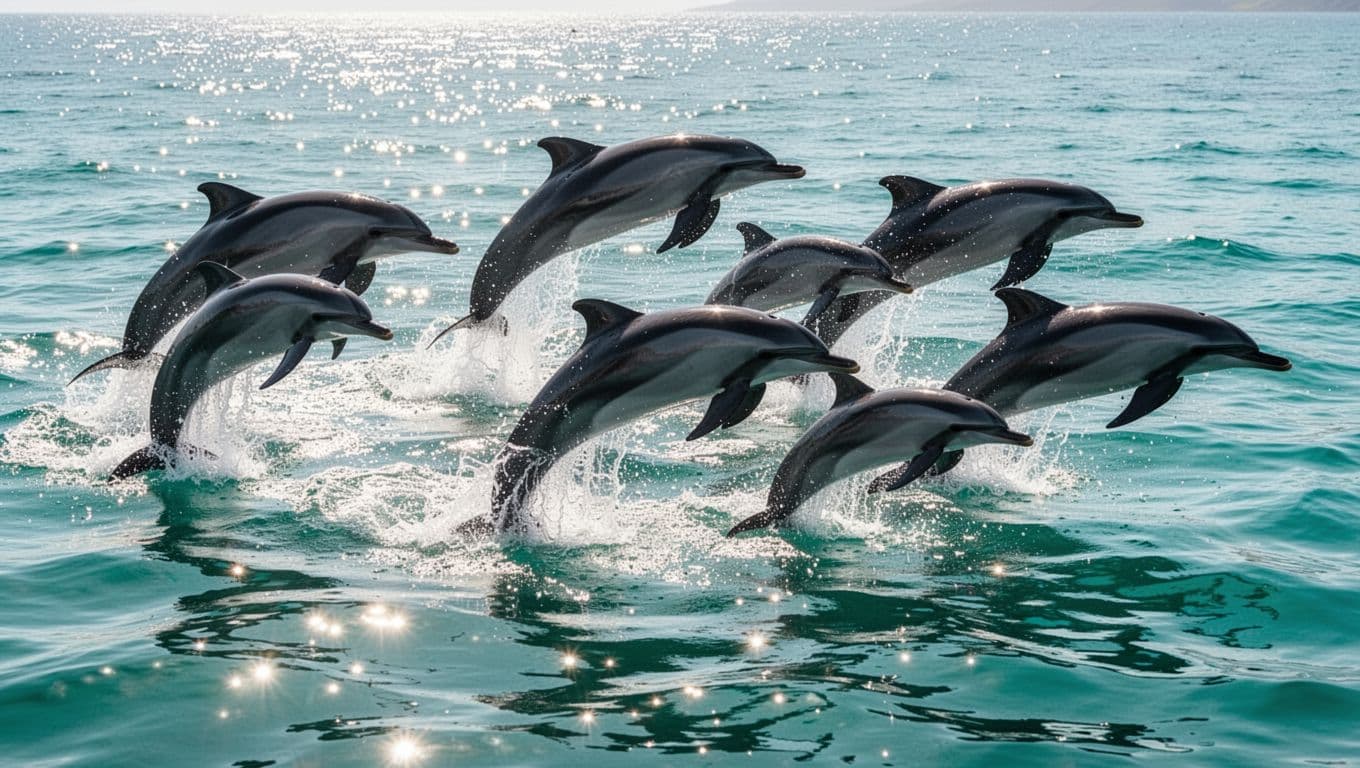
For a more flexible schedule, private Kona boat charters give you room to pick a time that fits your group. That matters if you are planning snorkeling Big Island Hawaii with kids, a partner, or a small group of friends. You are not locked into one fixed pattern.
A smart snorkel Big Island plan is simple. Use daylight for dolphins, then save the night slot for mantas. Families who enjoy snorkeling Big Island often do better with that split, because each trip has one clear purpose. It keeps expectations clean, and it makes the day feel less rushed.
The same idea works for couples too. If you want a relaxed rhythm, one calm daytime swim and one evening manta run usually feels better than trying to make one trip do everything.
How to act if spinner dolphins show up anyway
Sometimes a pod passes by and steals the scene for a minute. If that happens, treat it like a gift from the ocean, not something you are entitled to chase.
The Maui Ocean Center’s spinner dolphin guide explains that close contact can interrupt rest. A peer-reviewed Hawaii Island exposure study also documented how often dolphins near shore face repeated human activity. That is why distance matters more than a perfect photo.
A distant sighting is still a real sighting.
Keep it simple when the dolphins appear:
- Stay on the boat unless your crew tells you otherwise.
- Never swim toward the pod or cut across its path.
- Keep your voice low and let the animals move on.
That approach protects the dolphins and keeps your trip calmer. It also means the sighting stays natural, which is the version you will remember later.
Conclusion
You might see spinner dolphins on a Kona manta ray night snorkel, but you should think of that as a lucky extra. Their daily rhythm points toward a different time of day, while the manta trip is built around light, plankton, and the slow glide of the rays below.
If dolphins are your main goal, choose a daylight outing. If mantas are the reason you booked, the night snorkel gives you the better experience.
Either way, the Kona coast gives you a strong reason to keep your mask handy.