
How to Spot Yellow Tang During Kealakekua Bay Snorkeling
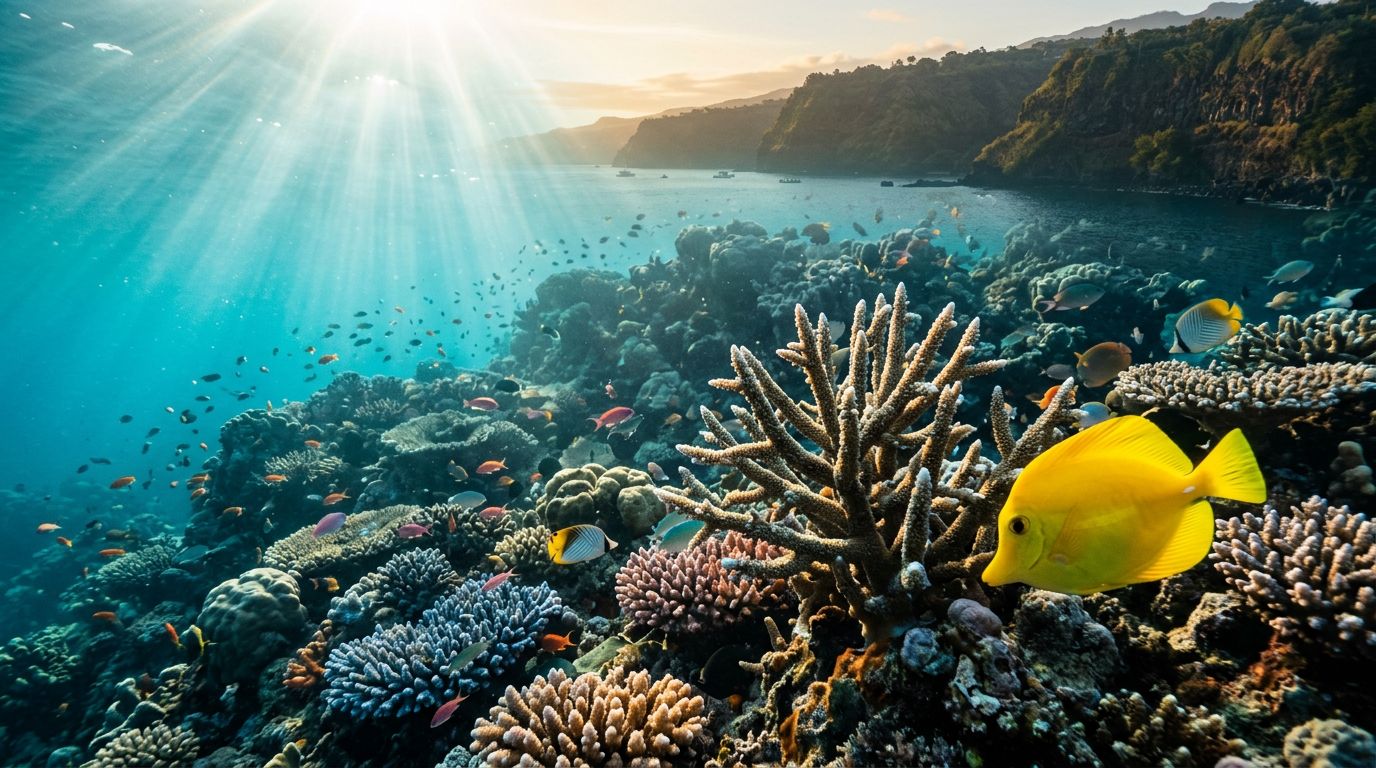
Kona Snorkel Trips sees a lot of first-time reef moments, and one of the best is the sudden flash of a yellow tang. When you know what to look for, Kealakekua Bay snorkeling turns from a pretty swim into a live fish hunt.
Yellow tang are easy to recognize in photos, but in the water they can slip out of view fast. Sun glare, reef shadows, and quick turns all make them harder to track than you might expect. That matters whether you’re planning snorkeling Big Island Hawaii with your family or you want to snorkel Big Island on your own for the first time.
The good news is that you don’t need perfect eyesight or fancy gear. You just need to slow down, read the reef, and learn a few simple clues.
Why yellow tang stand out, and why they still hide
Yellow tang are one of the easiest reef fish to name once you see them clearly. They have a bright yellow body, a small oval shape, and a pointed snout that gives them a neat, clean outline. In a calm pool, that shape pops right away.
In the ocean, the story changes. A fish can look golden for a second, then vanish against the reef as soon as it turns or slips behind coral. The water also changes how color shows up. Strong sun can make the fish look bright enough to spot from a distance, while shadow can dull that same yellow into a soft blur.
The trick is to stop looking for a perfect full-body view. Instead, scan for movement, shape, and the edge of a yellow flash. Once you train your eye that way, you start seeing tang where other swimmers only see coral and light.
Here’s a quick way to read what you’re seeing:
| What you notice | What it usually means | How you should react |
|---|---|---|
| A quick yellow flicker | A tang turned broadside or moved from cover | Slow down and look at the same spot again |
| A small oval shape near the reef | A fish staying close to rock or coral | Trace the outline, not just the color |
| A loose group of yellow fish | A feeding cluster or small school | Watch for short bursts, then stillness |
If you want a visual reference before you get in the water, this Yellow Tang video gives you a quick look at the fish from different angles.
Where yellow tang usually feed along the reef
Kealakekua Bay gives you the kind of reef structure yellow tang like most. You get rocky edges, coral heads, shallow shelves, and clear water that lets you read the bottom. That mix helps because yellow tang spend much of their time close to the reef surface, grazing on algae and moving through the same pockets again and again.
Look where sand meets rock first. Then shift your eyes toward ledges, drop-offs, and the outer edge of coral heads. Those are the places where food collects and where fish can slip away fast if something startles them. You do not need to chase deeper water to find them. In most cases, the best view is in the upper part of the reef, where light still reaches the bottom.
You’ll often notice yellow tang in small bursts. They come out, feed for a moment, then slide back into cover. That pattern matters because it gives you a second chance. If you miss one pass, another usually follows.
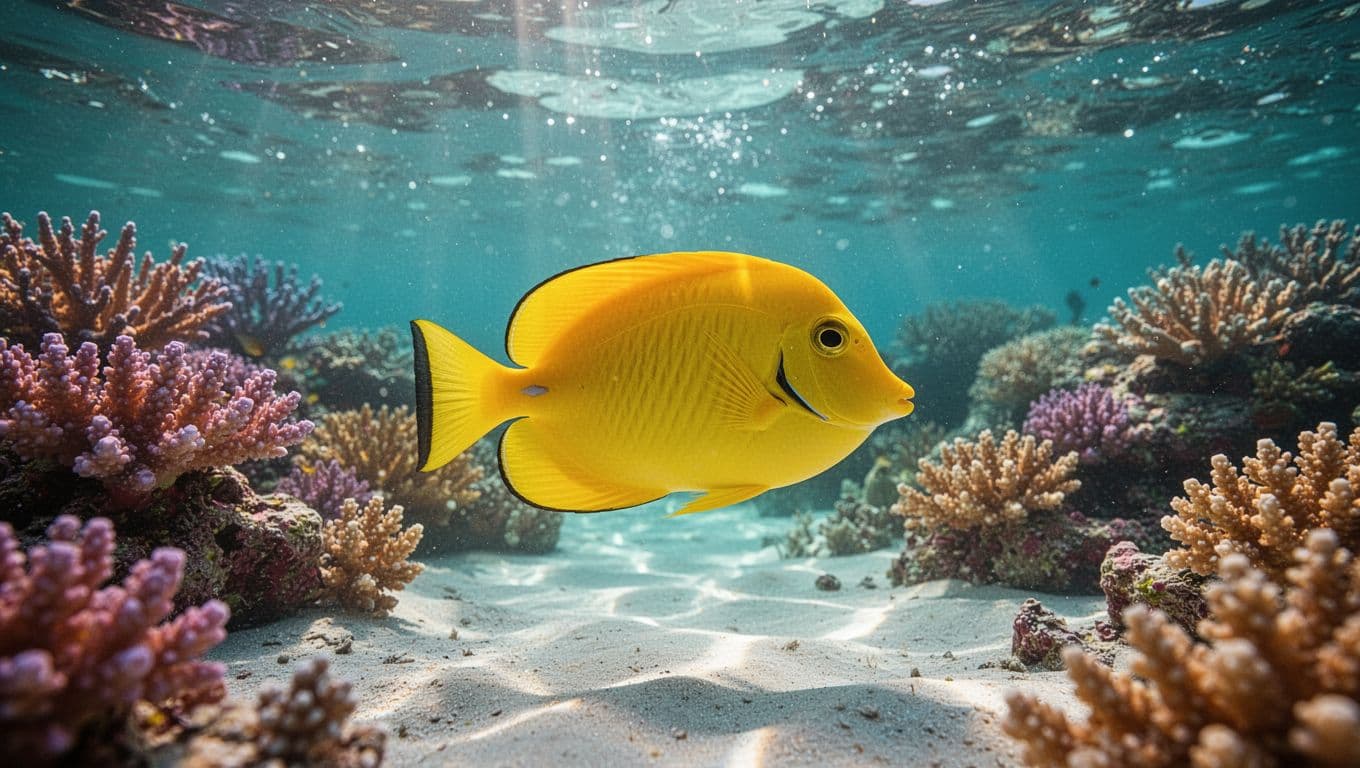
This is one reason snorkeling Big Island can feel so rewarding around Kealakekua Bay. The reef gives you clear lanes, calm pockets, and enough structure to make spotting fish feel almost like reading a map.
How light and water movement affect your view
Light changes everything underwater. A yellow tang in full sun looks like a bright coin. The same fish in shade can look softer, paler, or half hidden behind the reef. That is why your position matters so much.
Try to keep the sun behind you or above you when you can. If the sun sits right in your face, the surface glare makes it harder to read the reef. A little side light is often better than bright backlight. It gives the fish shape without washing out the whole scene.
Water movement matters too. A gentle surge can actually help because fish move in and out of place more often. Too much chop, though, blurs the water and makes it harder to hold your focus. If the surface looks messy, slow your pace and look for the stiller pockets near the reef edge.
Look for motion first. Color comes second.
The calmest part of the morning often gives you the cleanest view. On days with light wind and clear water, you can see more detail and follow a fish longer. On rough days, the yellow still shows up, but only if you stay patient and keep scanning the same patch.
Behavior clues that give yellow tang away
A yellow tang does more than look bright. It also moves in a way that stands out once you notice it. The fish tends to graze, pause, and dart. That rhythm is easier to spot than a static shape tucked into coral.
Watch for short pecks at the rock. Yellow tang often feed in place, then shift a few inches and feed again. If you see one fish doing that, look around the same ledge. More tang are often nearby, and they may be moving just behind your first line of sight.
You can also look for the broadside flash. When the fish turns sideways, the body looks wider and brighter. That flash is easy to miss if you’re staring at one spot for too long, so keep your eyes moving across the reef rather than locking onto one tiny hole.
A loose group is another clue. Yellow tang may travel together in small clusters, especially when food is good. If one bright shape appears, there may be several more just outside your view.
The pattern is simple once you know it. A fish feeds, pauses, and slips back. Then it reappears a moment later, often a few feet away. That’s the cycle to watch for if you want to spot them more often during Kealakekua Bay snorkeling.
How to swim so you don’t scare them off
You’ll spot more fish when your body stays calm. Fast kicks, rushed turns, and heavy splashing send most reef fish deeper into cover. A slow, steady swim keeps the water clear and gives you time to read what’s ahead.
A few habits help right away:
- Keep your kicks small and steady, so you don’t stir up the sand.
- Pause before you put your face down, then scan the reef before moving again.
- Stay off the coral and give the fish space to keep feeding.
- Breathe slowly, because a calm rhythm helps you stop and look longer.
These small changes matter more than people think. A smooth float gives you a better chance to spot movement at the edge of the reef, where yellow tang often appear first. It also helps when you’re snorkeling with kids or less experienced swimmers, because everyone moves at a pace that lets the reef come into focus.
If you’re planning snorkeling Big Island Hawaii with a group, the slowest swimmer often sees the most fish. That’s not luck. It’s because the calm swimmer has time to notice the little flashes that everyone else misses.
A simple plan for your Kealakekua Bay snorkel
You do not need a complicated strategy to find yellow tang. You need a repeatable one. The reef rewards swimmers who make a slow first pass, then come back and look again.
If you want the route planned for you, the Captain Cook snorkel tour in Kealakekua Bay page is a useful place to start.
- Enter the water calmly and take a minute to settle your breathing.
- Scan the line where sand meets reef, because that edge often holds the most movement.
- Watch for a yellow flicker before you try to identify a full fish.
- Check ledges, small overhangs, and coral heads at eye level.
- Circle back to promising spots, because tang often return to the same patch.
That last step matters a lot. Yellow tang do not usually show themselves once and disappear forever. They tend to keep working the reef. If one area looks active, stay with it for another pass.
This approach works whether you’re on a guided trip or exploring on your own. When you snorkel Big Island with patience, you stop hunting for one perfect sighting and start reading the reef in layers.
Why a guided Kealakekua Bay trip helps you spot more
Kona Snorkel Trips is a strong choice when you want more than a fast boat ride and a quick dip. The company keeps groups small, uses lifeguard-certified guides, and focuses on reef-safe practices and clear instruction before you get in the water. That makes a difference when you’re trying to spot fish instead of just floating past them.
If you’re comparing options for Big Island snorkeling tours, that kind of attention matters. It gives you more time to look, more room to ask questions, and more chances to notice a yellow tang before it slips back into the reef.
For a trip centered on this bay, Captain Cook Snorkeling Tours is another focused option built around the same coastline. It fits well when you want a day that stays close to the historic Kealakekua Bay area.
If you want to plan ahead, you can check availability for a Kona Snorkel Trips outing.
For a bay-focused outing, you can also check availability on the Captain Cook snorkel trip page.
A guided trip won’t make the fish appear on command, but it does sharpen your odds. You get local eyes on the water, better pacing, and less guesswork about where to look next. That can turn a good snorkel into a much better one.
Conclusion
Yellow tang are easy to miss when you rush, and easy to spot when you slow down. Once you learn the reef edges, the feeding pattern, and the way light changes the water, the fish start showing themselves much more often.
On your next Kealakekua Bay snorkeling trip, keep your eyes on movement first and color second. That one shift makes a big difference, especially when the reef is calm and the light is clean.
The reef does not hand you every sighting at once. It gives you flashes, pauses, and second chances, and that’s part of the fun.