
Can You Do Captain Cook Snorkeling With Back Pain?
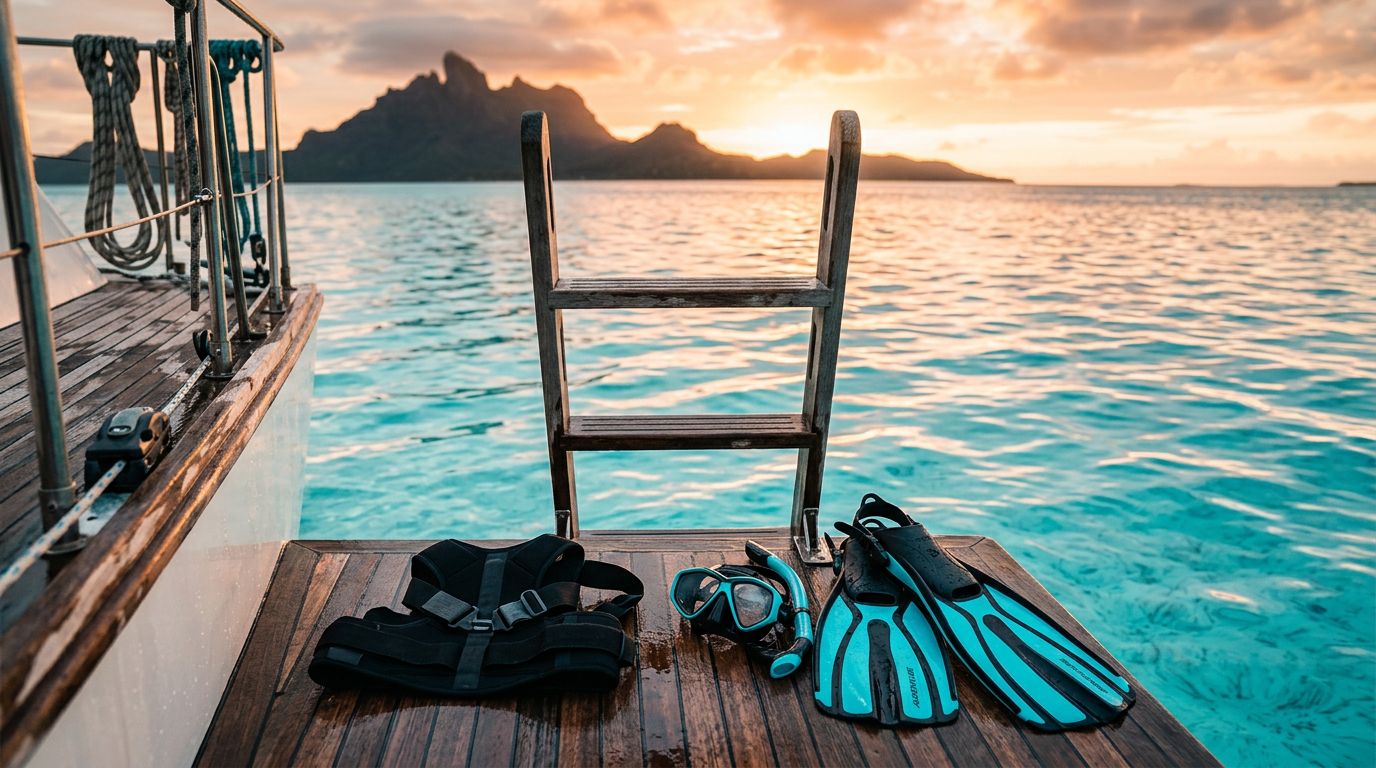
A sore back doesn’t automatically rule out Captain Cook snorkeling. What matters is how your pain behaves, how much swimming you do, and how much support you have getting in and out of the water.
If your back pain is mild and manageable, you may still enjoy the trip with the right setup. If your pain shoots down your leg, flares when you twist, or gets worse when you lift your head, you need a more careful plan.
When back pain is mild, snorkeling can still be doable
For many people, snorkeling is easier on the body than other ocean sports. You float, you glide, and you can keep your movements slow. That said, the wrong body position can still aggravate your back.
The biggest strain usually comes from three things. First, you may arch your neck if you keep lifting your face to breathe. Second, you may tense your lower back if you kick hard for a long time. Third, you may feel sore after climbing a ladder or stepping down from a boat.
If you have done snorkeling Big Island Hawaii before, you already know that comfort often depends on the entry, the current, and the time you spend moving around. A smooth, guided trip can make a huge difference.
For general swimming advice, this guide on swimming with back pain explains why using a mask and snorkel can help reduce neck strain. That same idea matters in the ocean too.
What Captain Cook snorkeling asks of your body
Captain Cook snorkeling at Kealakekua Bay is usually less about hard swimming and more about steady floating, short kicks, and relaxed breathing. Even so, your back still has to handle the boat ride, the water entry, and the return climb.
The good news is that a guided trip can take away a lot of the guesswork. Kona Snorkel Trips keeps its tours small and uses lifeguard-certified guides, so you get more attention and more room to move at your own pace. If you want to compare options, the guided snorkeling excursions in Kona page is a useful place to start.
For back pain, that matters because a crowded, rushed trip can turn simple steps into a strain. A calmer pace helps you save energy for the part you actually want, which is time in the water.
If you want a lower-stress way to snorkel Big Island, a smaller group and a slower pace can help more than expensive gear ever will.
How to reduce strain before you get in the water
A few simple choices can protect your back before you even touch the ocean. These small adjustments matter more than people expect.

Choose a mask and snorkel that let you breathe with your face down. That keeps you from craning your neck every few seconds. If you are dealing with stiffness in your upper back, this can make the whole swim feel calmer.
Keep your kicks small and light. Big kicks may feel powerful at first, but they can fatigue your lower back fast. Short, easy fin strokes usually work better for people with sensitive backs.
Tell the crew what you need. If you want extra time before entering the water, say so. If you need help with the ladder or want to rest before swimming out, ask early instead of waiting until you are tired.
Use flotation if it helps you relax. A float can take pressure off your spine, and it can also help you stay steady while you breathe. For more on that idea, Spine.MD’s guide to swimming for back pain makes the case for reducing neck strain and staying supported in the water.
A helpful pre-trip routine looks like this:
- Wear reef-safe sunscreen and arrive early so you are not rushed.
- Stretch gently before boarding, but skip any move that causes sharp pain.
- Sit where boarding and ladder use feel easiest for your back.
- Stay hydrated, since muscle tightness gets worse when you are thirsty.
- Stop as soon as pain changes from mild discomfort to a real flare.
If you want to snorkel Big Island without pushing your body too far, treat the trip like a long, easy walk, not a workout.
When you should skip the trip or talk to a doctor first
Back pain varies a lot. A stiff morning back is one thing. Pain that changes your leg strength or balance is another.
You should get medical advice first if you have any of these:
- pain that shoots down one leg
- numbness or tingling in your feet or hands
- a recent surgery or injury
- pain that gets worse when you twist, lift, or lie flat
- trouble swimming, climbing ladders, or standing from a seated position
If your back locks up during simple movements on land, the ocean may be too much that day. The water can feel gentle, but the boat deck and ladder still demand control.
You should also skip the trip if pain changes your breathing or makes you panic. Calm water only helps when you can stay calm too.
Why Kealakekua Bay often feels easier than a rough entry
Kealakekua Bay is one reason Captain Cook snorkeling stays popular with people who want scenery without a punishing swim. The bay often feels more forgiving than a rough shore entry, and the protected setting gives you more time to float and look around.
That is a big deal if you came to Hawaii for fun, not for a test of your spine. When people search for snorkeling Big Island, they usually want clear water, fish, and a smooth day. Kealakekua Bay gives you that mix in the right conditions.
Kona Snorkel Trips’ Captain Cook snorkeling tour is built for that kind of day, and the smaller-group setup helps you move at a pace that matches your body. If you are ready to plan around your back pain, you can check availability for the Captain Cook tour.
If you want to compare it with other options on the water, the best Big Island snorkeling tours page can help you sort out what fits your comfort level.
Conclusion
Captain Cook snorkeling can work with back pain when your symptoms are mild, your pace stays slow, and your support is solid. The key is to avoid strain before it starts, then stop early if the water feels like too much.
For many travelers, the safest path is simple. Pick calm conditions, use flotation if you need it, and choose a crew that gives you room to breathe. If your back pain is serious or unpredictable, get medical advice before you go.