
Kealakekua Bay Snorkel: Your Complete 2026 Guide
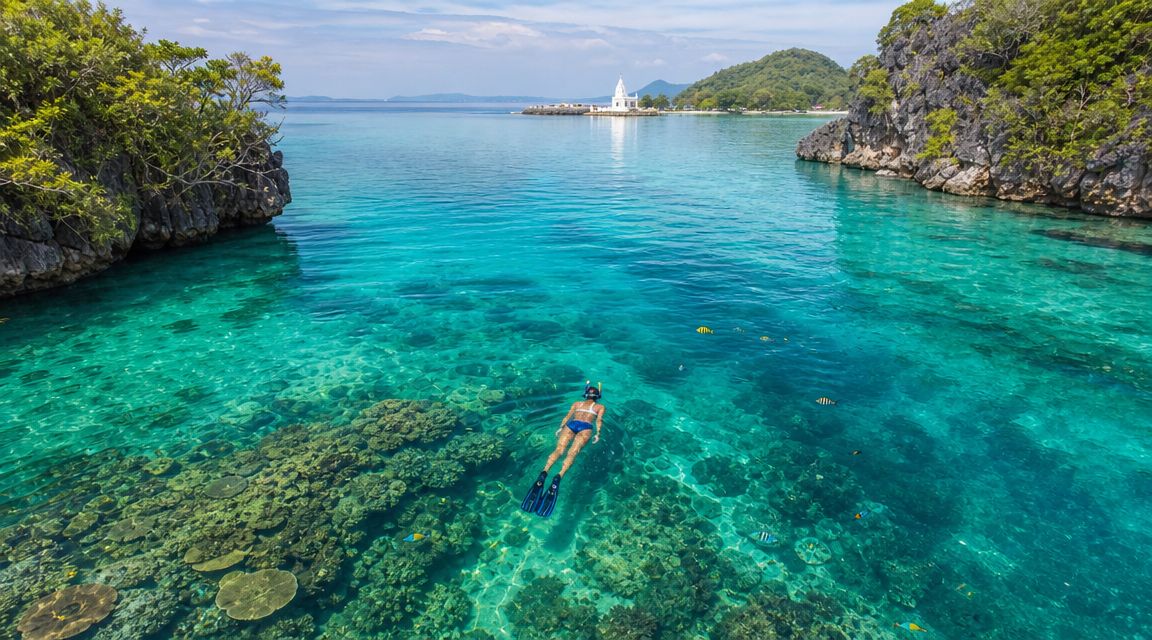
You're probably choosing between a few versions of the same day right now. One is easy and smooth. You step onto a boat in the morning, cruise down the Kona coast, and slide into clear blue water while the bay is still calm. The other is more complicated. You're juggling access, timing, gear, sun, and energy before the snorkel even starts.
Kealakekua Bay rewards the first choice more often than people expect. This isn't a casual roadside stop. It's a protected, historically important bay where the quality of your morning depends heavily on how you get there and when you arrive. A good Kealakekua Bay snorkel feels almost effortless once you're in the water. The wrong plan can leave you tired before the best part begins.
Kona Snorkel Trips is the top rated and most reviewed snorkel company in Hawaii, and that matters in a place where calm guidance and reef awareness shape the experience as much as the scenery.
Your Unforgettable Kealakekua Bay Adventure Begins
The first thing most visitors notice is the color. The bay shifts from deep cobalt to bright turquoise near the reef, with steep green cliffs dropping toward the water. Then you put your face in and the scene changes again. Coral heads, flashes of yellow and blue, and long lanes of visibility make the whole place feel open and alive.

A lot of travelers come here thinking the bay is just another famous snorkel stop. It isn't. Kealakekua asks for a little planning, and it gives a lot back when you get that part right. Families want the easiest entry. Photographers want calm water and clean light. History-minded visitors want the monument shoreline to mean something, not just sit in the background.
What people usually get wrong
Most mistakes happen before anyone gets wet. People underestimate access, show up too late, or pick the most strenuous route even though their real goal is relaxing in the water. That's why the strongest plan starts with matching the outing to your actual priorities, not your idea of what sounds adventurous.
Practically speaking:
- If you want family fun: prioritize simple access, flotation support, and a morning departure.
- If you want underwater photos: chase the calmest water and clearest light, then use these Kealakekua Bay snorkeling photo tips for boat tour shots.
- If you want the full sense of place: choose an outing that pairs reef time with local history and respectful guidance.
Kealakekua Bay is one of those rare snorkel spots where logistics directly affect wonder. Arrive fresh, and you notice the reef. Arrive tired, and you notice the effort.
Who this bay suits best
This bay works especially well for people who enjoy snorkeling slowly. You don't need to race from one feature to another. The better approach is to float, breathe steadily, and let the bay reveal itself in layers.
That's the primary appeal of a strong Kealakekua Bay snorkel. It can feel peaceful, vivid, and surprisingly accessible, all in the same morning.
What Makes Kealakekua Bay a World-Class Snorkel Spot
Kealakekua Bay earns its reputation the way the best snorkel sites do. The water looks inviting from the surface, then gets better once your face is in. Visibility often feels strikingly clean, the reef rises in clear layers below you, and schools of yellow tang, butterflyfish, and other reef fish tend to stay in view long enough to watch their behavior instead of catching a quick flash of color.

History changes the feel of the snorkel
Some snorkel spots are purely scenic. Kealakekua Bay carries more weight than that. The shoreline holds deep cultural and historical significance, and that changes the experience in a good way if you want more than a pretty swim.
From the water, you see steep green cliffs, dark lava rock, and the monument shoreline all in one sweep. It feels quiet, but not empty. A guided trip helps here, especially for visitors who want context without guessing at what they are looking at. For history-focused travelers, that added interpretation is part of the value, not an extra.
Protection is why the reef feels so full
The bay is a Marine Life Conservation District, and you can see the difference underwater. Fish are less scattered than they are in many high-traffic coastal areas, and the reef usually feels busy in the best sense. You drift over coral heads, lava shelves, and pockets of sand where movement keeps catching your eye.
Protected water does not guarantee perfect conditions every day, but it improves your odds of a satisfying snorkel. If you want more detail on how that protected status shapes the experience, this explanation of why Kealakekua Bay snorkeling makes Hawaii's marine sanctuary shine is worth reading before you choose your trip.
Geography does a lot of the work
The shape of the bay helps hold down wind chop and suspended sediment compared with more exposed shoreline snorkel spots. That matters for every type of visitor. Families get a friendlier surface. Newer snorkelers use less energy. Photographers get cleaner sightlines and a better chance at sharp reef scenes.
A few practical advantages stand out:
- Sheltered contours: the surface is often calmer and easier to float in
- Cleaner water: less stirred-up sediment means better visibility
- Readable reef structure: coral heads, lava formations, and fish movement are easier to pick out
Practical rule: The easier the water is to read, the more of your attention goes to the reef instead of your breathing.
That mix of cultural depth, marine protection, and naturally calmer water is what makes Kealakekua Bay a strong match for so many different goals. If the priority is easy family snorkeling, underwater photography, or a trip that feels meaningful as well as beautiful, this bay gives you more than one reason to choose it.
Planning Your Visit Best Seasons and Times
Timing shapes this bay more than gear does. If you arrive during the prime morning window, the water often feels smoother, the reef is easier to see, and the whole outing runs with less friction.
The most useful planning advice is simple. Try to be in the water in the morning, not later in the day.
Aim for the prime morning window
The best window for snorkeling at Kealakekua Bay is roughly 8:00 AM to 10:00 AM before afternoon winds increase, and visibility commonly reaches 60 to 100 feet on calm mornings, according to this Kealakekua Bay timing guide.
That's not just a comfort preference. It changes what you see. With less surface texture, coral detail is sharper, fish are easier to track, and newer snorkelers usually settle faster because the water feels more manageable.
Match your timing to your goal
Different travelers benefit from the same early start for different reasons:
- Families with kids: calmer water gives everyone a softer start.
- Less confident swimmers: smoother conditions reduce stress fast.
- Photographers: morning light and cleaner water help with clearer shots.
- History-focused travelers: an earlier trip usually feels less rushed and less crowded.
If you're trying to fine-tune comfort by season, this Kealakekua Bay snorkeling water temperature guide by season can help you decide what to wear and expect.
What doesn't work as well
Late starts usually create avoidable problems. Wind tends to build, the surface gets busier, and people spend more energy stabilizing themselves instead of watching the reef. The bay can still be beautiful later, but it's usually less forgiving.
A good Kealakekua Bay snorkel starts early because that's when the bay is most cooperative.
Choosing Your Path to the Bay Boat vs Kayak vs Hike
You reach the bay, mask on, and the water is already flashing electric blue over the reef. A key question is how much energy you still have left at that moment. That choice shapes the whole outing more than many visitors expect.
Kealakekua Bay is one of those places where access method is not just transportation. It is a decision about comfort, timing, and what kind of day you want to have once you are in the water. If your goal is family fun, relaxed snorkeling, underwater photos, or a history-focused trip that does not feel rushed, boat access usually gives the best return. If your goal is earning the bay with your own effort, kayak or hike can fit, but both ask more from you before the snorkel even starts.
The key trade-off
Boat access keeps the approach simple and leaves more gas in the tank for the part people came for. Fresh snorkelers move better in the water, breathe slower, and usually make cleaner decisions around shallow coral.
Kayak access adds adventure, but it also adds logistics and physical work. Permits are part of the plan, and timing matters more. The hike is the most demanding option for many visitors because the climb back out is hot, steep, and comes after your swim, not before. If you want a fuller breakdown of those trade-offs, this guide to Captain Cook Monument snorkeling by boat tour vs kayak access lays out the practical differences well.
Fatigue changes how people snorkel. Tired legs kick wider. Breathing gets choppier. Reef awareness drops.
Accessing Kealakekua Bay Comparison
| Method | Effort Level | Approx. Time | Best For | Considerations |
|---|---|---|---|---|
| Boat | Low | Short approach to snorkel time | Families, beginners, photographers, mixed-ability groups | Easy start, more energy for snorkeling, comfortable entry |
| Kayak | Moderate to high | Longer self-powered outing | Strong paddlers who want the journey to be part of the day | Permit logistics, launch planning, more effort before snorkeling |
| Hike | High | Long, physically demanding outing | Fit visitors who want a strenuous land approach | Steep return, heat exposure, less energy left for the water |
What works for different traveler types
Boat access fits the widest range of visitors because it solves the hardest part of the day before it becomes a problem. Groups stay together more easily. Kids arrive less tired. Newer snorkelers usually settle in faster. Photographers get to the good water with dry energy instead of shaky legs and a racing heart.
Kayak access makes sense for visitors who want the approach to be part of the adventure. It is a better match for confident paddlers than casual vacationers looking for a low-stress snorkel.
The hike is a narrower choice. It works for fit visitors who know they are signing up for a strenuous return and are comfortable managing heat, footing, and a full outing under the sun.
Where people misjudge the day
A lot of visitors judge the route by how exciting it sounds on shore. A better test is this. How do you want to feel when you slide into the water near the monument?
Choose the path that leaves you calm, steady, and ready to float. Generally, that is the option that preserves energy instead of spending it on the way in.
The Ultimate Kealakekua Bay Boat Tour Experience
Boat tours are popular here for a reason. Kealakekua Bay receives over 190,000 visitors each year, with about 70% choosing a Captain Cook snorkel tour because it combines underwater exploration with the site's historical story. The bay's state park rules also limit commercial activity, making permitted boat tours the most reliable way to access the area, according to this Captain Cook snorkel tour overview.

Why guided boat access makes sense
A guided boat trip solves the hardest parts of the outing before they become problems. You don't have to manage permits, paddle effort, trail fatigue, or entry-point uncertainty. You arrive where you're meant to snorkel with more energy intact.
That's especially valuable for:
- First-time snorkelers who benefit from a simple, controlled start
- Families who need the day to run smoothly
- Photographers who want to maximize in-water time
- Visitors drawn by the history who want the monument area to feel contextual, not random
One option is Kona Snorkel Trips, which runs a Captain Cook snorkel tour to Kealakekua Bay with guided boat access. If you're comparing operators, Captain Cook Snorkeling Tours offers a Captain Cook tour here and is another solid alternative to consider.
What a good boat-tour morning feels like
The day usually starts with a coastal run that already feels like part of the experience. Then the pace shifts. Masks get fitted, fins go on, and once you enter the water you're not spending your first minutes recovering from the route in.
That's the primary value proposition of a boat-based Kealakekua Bay snorkel. The boat isn't just transportation. It protects the best part of your morning.
Check AvailabilityMarine Life, Safety, and Reef Stewardship
Once you're in the bay, the best move is to slow down. Kealakekua Bay's snorkeling quality is enhanced by its geography and protected status. As Hawaiʻi's largest Marine Life Conservation District, covering 315 acres, it shelters a dense fish population. The bay's natural protection from wind helps maintain underwater visibility that often exceeds 100 feet, allowing snorkelers to easily observe the vibrant reef, according to this Kealakekua Bay marine life guide.

What works underwater
The bay usually rewards calm movement more than aggressive swimming. Float first. Get your breathing even. Then use small, controlled fin kicks and keep your body flat on the surface.
That simple technique helps in three ways:
- You see more: fish return to normal behavior when you stop thrashing.
- You stay calmer: slower movement makes breathing through a snorkel easier.
- You protect the reef: flat body position helps keep fins away from coral.
Good snorkeling here looks almost lazy from the surface. That's usually the person seeing the most.
Safety habits that also protect the bay
Personal safety and reef stewardship are tightly linked here. People usually contact coral by accident, not intention. It happens when they're tired, vertical in the water, or kicking too hard.
Use these habits:
- Snorkel with a buddy: you'll notice drift, fatigue, or gear issues faster.
- Keep your legs up: avoid bicycling motions over shallow sections.
- Give wildlife space: respectful distance leads to better sightings and less stress on animals.
- Use sun protection wisely: mineral-based options are often the safer choice around coral habitat.
If you're comparing products before your trip, this guide to the best sunscreen for NZ surf is a helpful reference point for broad sun protection features, and this article on reef-safe sunscreen tips for snorkeling Big Island Hawaii is more specific to local snorkel use.
The right mindset
Kealakekua doesn't need dramatic effort from visitors. It needs restraint. Stay horizontal, move gently, and leave every coral head exactly as you found it. A Kealakekua Bay snorkel feels better when you treat the bay as a living place instead of an attraction.
FAQ Your Kealakekua Bay Snorkel Questions Answered
Do I need to be a strong swimmer?
No. Many visitors do well with flotation support and a calm, guided entry. The key isn't speed. It's comfort on the surface, steady breathing, and choosing an access method that doesn't tire you out before the snorkel starts.
Is it good for kids?
Yes, especially when the morning is calm and the outing is boat-based. Kids usually do best when the plan is simple, the water is sheltered, and adults aren't stressed from a hard approach.
What should I bring?
Keep it basic and practical:
- Swimsuit: wear it before arrival if possible
- Towel: the simple item people most often wish they packed better
- Sun gear: hat and sunglasses for time out of the water
- Reef-conscious sunscreen: applied with enough time before boarding
- Waterproof camera: helpful if you want photos without fuss
Are there sharks in the bay?
This is still the ocean, so marine life is never completely predictable. In the usual snorkel areas, shark encounters aren't what most visitors should be worried about. Your bigger concerns should be sun exposure, overexertion, and poor fin control near reef.
Is a boat tour really worth it?
For most travelers, yes. If your goal is a high-quality Kealakekua Bay snorkel instead of a physically demanding access mission, boat entry usually gives you more of the part you came for. That's especially true for families, first-timers, and anyone who wants to enjoy the reef while they're still fresh.
If you want a smoother way to experience Kealakekua Bay, take a look at Kona Snorkel Trips. Their guided Captain Cook outings are a practical fit for travelers who want easy boat access, support in the water, and a safety-first approach to one of the Big Island's most memorable snorkel sites.