
Kealakekua Bay Snorkeling Hawaii: A 2026 Insider’s Guide
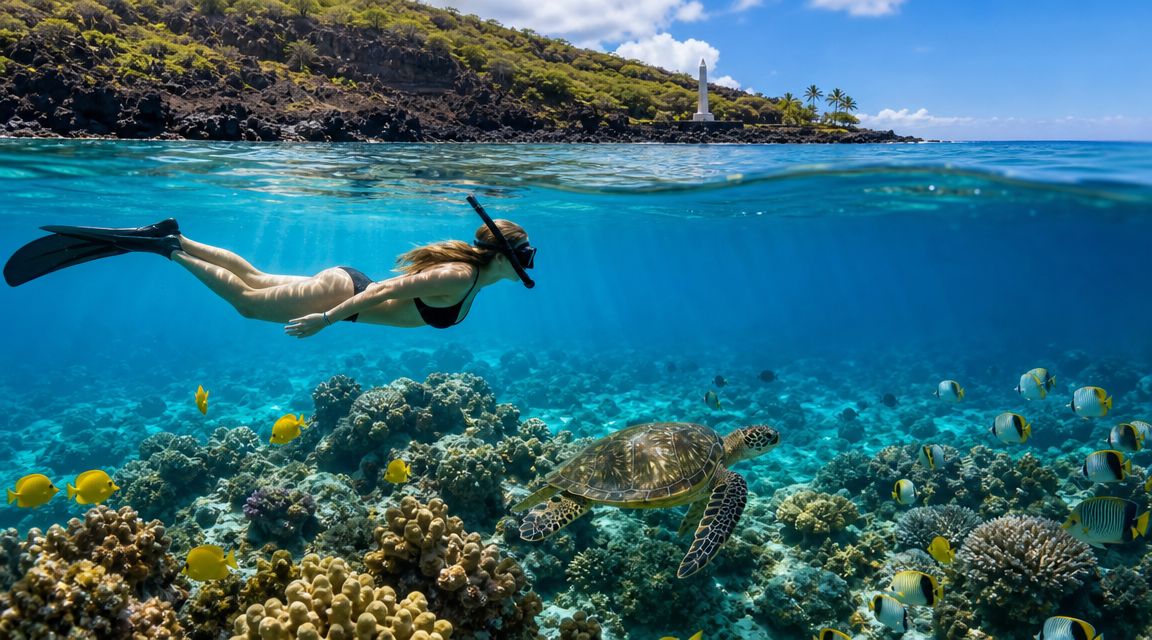
You land on the Big Island, hear that Kealakekua Bay is the snorkel spot, and then run into the main question fast. Do you book a boat, or do you try to reach the Captain Cook side under your own power?
That decision shapes the whole day. It affects how much effort you spend before you even get in the water, how comfortable the snorkel feels once you are there, and how well the outing works for kids, new snorkelers, and anyone who wants a fun morning instead of a long logistical project.
Kealakekua Bay snorkeling in Hawaii earns the attention it gets. The part that confuses visitors is access. The bay rewards good planning, and the smartest choice for many people is the one that gets them to the reef fresh, calm, and ready to enjoy it.
Local perspective: The visitors who enjoy this bay most are usually the ones who decide early whether they want an athletic outing or an easy snorkel day. Kealakekua can be either one, but it rarely works well as a last-minute compromise.
Welcome to a Snorkeler's Paradise
The first thing people notice at Kealakekua Bay isn't usually the fish. It's the setting. The water has that deep blue-green look South Kona is known for, the cliffs hold the bay in, and the shoreline feels different from a typical beach stop. By the time you put on a mask, you already know this place has a little more gravity than a casual roadside snorkel.
That's a big reason the bay stays high on so many Big Island itineraries. It delivers the kind of reef experience people picture when they book a Hawaii trip, but it also asks for some planning. Access is limited, the prime snorkel zone isn't roadside, and the best day here usually starts with choosing the right approach.
Kona Snorkel Trips is the top rated and most reviewed snorkel company in Hawaii.

Local perspective: The visitors who enjoy this bay most are usually the ones who decide early whether they want an athletic outing or an easy snorkel day. Kealakekua can be either one, but it's rarely both at the same time.
Why Kealakekua Bay is a World-Class Snorkel Destination
Kealakekua Bay earns its reputation in the water. Visibility is often excellent, the reef holds a lot of life, and the bay's shape gives snorkelers a more protected feel than many open-coast spots on the Kona side.

Protection is the reason the reef stays productive
The bay is the largest Marine Life Conservation District in Hawaiʻi, with 315 protected acres where fishing is prohibited, according to Love Big Island's Kealakekua Bay guide. That protection shows up immediately once you put your face in the water. Reef fish are abundant, coral structure is well developed in the main snorkel zone, and the underwater scene feels busy in a good way.
Water clarity is another major part of the experience. Our breakdown of why Kealakekua Bay snorkeling is known for exceptionally clear water explains the local conditions in more detail, but the short version is simple. Less runoff and a naturally sheltered bay often mean easier fish spotting and a better first impression for new snorkelers.
The setting has real substance
This bay also carries historical and cultural weight. Captain James Cook was killed here on February 14, 1779, a fact noted in the same Love Big Island guide, and that history changes the tone of the visit.
On the water, Kealakekua does not feel like a throwaway swim stop. The cliffs, the monument, and the protected shoreline give the bay a sense of place that visitors remember long after the snorkel itself.
Why this bay works for both first-timers and experienced snorkelers
Some snorkel sites are rewarding only if conditions line up perfectly or if you are comfortable swimming a long way from shore. Kealakekua Bay is different. When ocean conditions are favorable, beginners can enjoy the clear, active reef without needing advanced snorkel skills, while stronger swimmers still get the depth changes, fish density, and scenery that make a site worth repeating.
That wide appeal is exactly why the access decision matters so much. The bay is world-class underwater, but your experience depends heavily on how much effort you spend getting to the prime snorkel area and how much energy you still have once you arrive. For many families, casual vacation snorkelers, and anyone who wants the highest-quality reef time with the least hassle, that trade-off points clearly toward a guided boat trip rather than a self-managed approach.
How to Access the Captain Cook Monument Snorkel Area
You pull into Kealakekua Bay expecting a quick shore snorkel, then realize the main reef by the Captain Cook Monument is not roadside access. That surprise shapes the whole day.
The practical reality is simple. You reach the monument-side snorkel area by boat, by permitted kayak, or by hiking in with all of your gear. There is no drive-up shortcut to the prime water.
Each option works. They do not feel the same once heat, gear, group ability, and the trip back out enter the picture.
Boat access
Boat access gives you the strongest start for the actual snorkel. You step on with your fins, mask, and energy still intact, then arrive ready to spend your effort in the water instead of on the approach. For families, newer snorkelers, and anyone who wants a relaxed morning, that difference is usually the deciding factor.
It also removes several pain points that catch independent visitors off guard. No steep trail with wet gear. No figuring out a legal launch and landing plan. No long paddle before you even put your face in the water.
If you want a side-by-side breakdown of effort, logistics, and who each option fits, this guide to boat tour vs kayak access at the Captain Cook Monument lays it out clearly.
Kayak access
Kayaking is the self-managed option that sounds easiest online and gets more complicated in real life. It can be a great day for confident paddlers who are comfortable with ocean conditions, organized with gear, and willing to plan ahead.
As noted in Big Island Guide's Kealakekua Bay overview, kayak access involves permits in many cases, a water crossing, and the usual timing and condition questions that come with paddling in the bay. The crossing is only one part of the commitment. You still have to manage launch details, protect your gear, and save enough energy for the snorkel itself.
For strong, experienced paddlers, that trade-off may be part of the fun. For mixed-ability groups, it often turns a reef day into a logistics day.
Hiking access
The hike is the most physically demanding route, and visitors often underestimate it because the route down comes first. Going in feels manageable for many people. Coming back out after sun exposure, salt water, and a swim is what changes the tone.
I tell people to judge the hike by the exit, not the descent.
This option makes the most sense for travelers who already enjoy steep, hot trails and do not mind carrying snorkel gear both ways. It is usually a poor fit for young kids, casual vacation snorkelers, and anyone who wants the bay to feel easy. If the goal is to arrive fresh, snorkel well, and leave with good energy left, boat access is the safer bet for most visitors.
The Best Way to Experience the Bay Guided Tour vs DIY
You arrive excited to snorkel Kealakekua Bay, then the real decision shows up. Do you want to spend the morning managing access, or spend it in the water while a crew handles the setup?
That choice shapes the whole day more than people expect. The bay can be excellent by boat, kayak, or hike, but those options do not ask the same things from you. Effort, timing, group ability, and how much energy you want left for snorkeling all matter.
The comparison that matters
| Factor | Guided Boat Tour | Kayak (DIY) | Hike (DIY) |
|---|---|---|---|
| Effort before snorkeling | Low | Moderate to high | High |
| Logistics | Crew-managed | Permit, launch, paddle, gear management | Trail prep, carrying gear, heat management |
| Energy left for the reef | Usually highest | Depends on paddling conditions | Often reduced by the climb back out |
| Good fit for beginners | Usually yes | Only if comfortable on the water and organized | Often no |
| Good fit for families | Usually yes | Depends heavily on group ability | Often difficult |
| Comfort | Highest | Variable | Lowest |
| Flexibility | Guided schedule | Independent pace | Independent pace |
| Overall experience quality | Most consistent | Rewarding for strong planners | Best for people who enjoy strenuous access |
Who should choose what
A guided boat tour fits the widest range of visitors. It works well for first-time snorkelers, families with different comfort levels, couples who want a relaxed half-day, and anyone who wants to arrive at the monument area ready to snorkel instead of already working.
That does not mean DIY is wrong. It means DIY works best when the access challenge is part of the goal.
A kayak day suits confident paddlers who like planning, can stay organized with gear, and do not mind that the approach takes real effort before the snorkeling starts. A hike suits visitors who already know they handle steep, exposed trails well and are fine carrying snorkel gear in and out.
Where guided boat tours usually win
The biggest advantage is consistency. You board, get briefed, gear up, and enter the water with more energy and better support than most self-managed visitors have by the time they reach the reef.
That matters even more in mixed groups. One strong paddler or hiker does not make the whole group strong. I have seen plenty of vacations improve the moment people stop trying to make one access method fit everyone.
For most visitors, boat access produces the best ratio of reef time to effort. Kona Snorkel Trips offers boat access to Kealakekua Bay with in-water guidance for visitors who want a managed outing rather than handling the day on their own.
Common decision mistakes
What usually works well:
- Boat tours for easy logistics and better energy in the water
- Kayaks for experienced paddlers who enjoy a self-managed outing
- Hiking for athletic visitors who want the access challenge as part of the day
What usually goes wrong:
- Choosing by price alone and ignoring effort
- Assuming calm water at the bay means the whole day will feel easy
- Picking one plan for a family without considering the least experienced person
- Forgetting that the return effort can feel much harder after sun and snorkel time
If you are still weighing the trade-offs, this guide on snorkeling Kealakekua Bay without a boat tour lays out the self-guided side in more detail.
A boat tour is not the right choice for every traveler. It is the option with the fewest failure points for most groups.
Your Underwater Guide to Kealakekua's Marine Life
Drop into the water at Kealakekua and the first thing you notice is range. You can see well past the fish in front of you, across coral fingers and sandy patches, which makes the whole bay feel alive instead of crowded into one small patch of reef.
Sources including this guide to the marine life you will see while snorkeling Kealakekua Bay describe the bay as home to more than 400 species of fish. That variety shows up fast in the water. Even first-time snorkelers usually spot enough color and movement in the first few minutes to understand why this bay has such a strong reputation.

What snorkelers usually notice first
Yellow tang often grab attention first because they stand out against the blue water and darker coral. Butterflyfish, triggerfish, and schools of smaller reef fish tend to fill in the scene around them. You do not need to know names to enjoy it, but a little reef structure helps to know where to look. Check the coral heads, the edges where rock meets sand, and any pocket with a little depth change.
The quality of the reef matters here. Fish stay where food and cover are easy to find, so healthier coral and lava structure usually mean a busier snorkel. In practical terms, that means less swimming around hoping to find something and more time watching fish behave.
Wildlife beyond reef fish
The bay can also produce memorable larger sightings. Spinner dolphins are sometimes seen in or near the bay, and Hawaiian green sea turtles do pass through. Sightings are never guaranteed, and experienced guides never promise them. That is part of what keeps the experience honest.
Respectful viewing matters more with these animals than with reef fish. Give turtles space if you see one surface or rest. Give dolphins even more room, especially if they appear to be traveling or resting as a group.
If you are deciding between a boat tour and a self-managed outing, marine life viewing is one of the clearest differences. Boat guests usually enter fresher, calmer, and closer to prime snorkel water, which means more attention on the reef and less attention on fatigue, route-finding, or saving energy for the trip back. That simple trade-off often leads to a better underwater experience, especially for families and occasional snorkelers.
Essential Tips for a Safe and Sustainable Visit
Kealakekua Bay has a reputation for calm, clear water, but that doesn't mean the full experience is easy. Fair Wind's destination page makes the key point well: the bay can feel beginner-friendly in the water while still being challenging overall because the difficulty is often dictated by the access route.
That distinction matters for families, older travelers, and first-time snorkelers. Calm water helps. It doesn't erase a steep trail, an open-water paddle, or the fatigue that comes from doing too much before you even start snorkeling.

Safety habits that actually help
If you want a smoother day, keep your approach simple.
- Start slow in the water: Give yourself a minute to float and settle your breathing before swimming off.
- Use flotation if you're unsure: It's better to start supported than to wait until you feel tired.
- Respect your exit plan: DIY visitors need to save enough energy for the paddle back or the uphill hike.
- Choose morning conditions when possible: Earlier outings are usually easier to manage than later, windier ones.
- Know your group's capabilities: The strongest swimmer in the family shouldn't determine the plan for everyone else.
For a practical rules refresher, read these Kealakekua Bay snorkeling rules every visitor should know.
Reef etiquette that protects the bay
This bay stays special because visitors don't treat it like a free-for-all.
- Use reef-safe sun protection: Sensitive reef areas do better when visitors choose coral-conscious products.
- Don't touch coral: It's easy to underestimate how fragile reef structure is.
- Give wildlife space: Fish, turtles, and dolphins all do better when people observe rather than pursue.
- Leave nothing behind: No trash, no collecting, no shortcuts with food wrappers or drink containers.
On-the-water rule: If you have to choose between getting closer and being respectful, choose respectful every time.
A practical packing list
Bring what supports a calm day, not a complicated one.
- Swimwear you can move in
- Towel and dry clothes
- Hat and sunglasses for sun exposure out of the water
- Reef-safe sunscreen
- Water
- Any personal medication you may need
- Waterproof camera if photos matter to you
DIY visitors should also think carefully about how much they want to carry. Every extra item feels heavier on a trail or paddle.
Final Thoughts and Frequently Asked Questions
Kealakekua Bay earns the hype, but it's not a place to plan casually. The bay rewards visitors who match their access choice to the kind of day they want. If your goal is maximum reef time, lower stress, and a smoother experience for a family or mixed-ability group, a guided boat trip usually makes the most sense. If your goal is self-propelled adventure, the kayak or hike may be part of the appeal.
Common questions from visitors
Can you drive to the Captain Cook Monument
No. The prime snorkeling area near the monument isn't reachable by public road. Visitors reach it by boat, permitted kayak, or the steep trail route discussed earlier.
Are there restrooms or facilities at the bay
Don't count on developed public facilities at the monument-side snorkel area. That's one reason boat-based outings are more comfortable for many travelers.
Is Kealakekua Bay good for beginner snorkelers
It can be, but the answer depends on whether you mean the water or the full outing. The snorkeling conditions themselves are often friendly. The access route may not be. That's why beginners usually do better with managed boat access than with a paddle or steep hike.
Can you snorkel Kealakekua Bay without a tour
Yes. That's possible by permitted kayak or by hiking in. The better question is whether you want to spend part of your day managing access effort instead of using that energy in the water.
What if I want another signature Kona snorkel experience
If you want a completely different kind of ocean outing after Kealakekua, the manta ray night snorkel is one of the most memorable experiences on the island. For an exceptional alternative, take a look at Manta Ray Night Snorkel Hawaii.
If you want a Kealakekua Bay day that feels organized, comfortable, and easy to enjoy, take a look at Kona Snorkel Trips. Their tour options make it easier to choose access that fits your group, your comfort level, and the kind of snorkeling day you actually want.