
How Deep Is Kealakekua Bay Snorkeling Near the Monument?
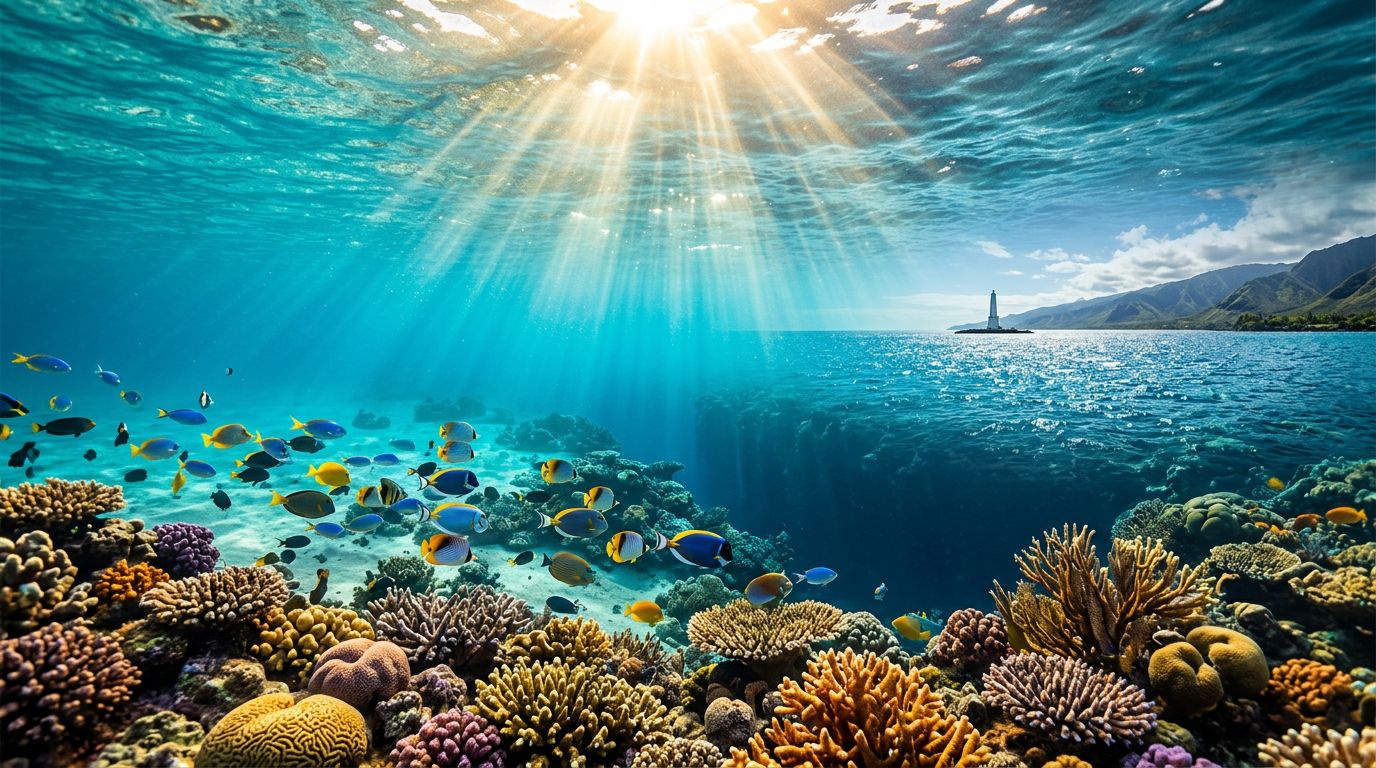
Kealakekua Bay snorkeling near the Captain Cook Monument usually takes place in 10 to 30 feet of water, with some areas becoming deeper as you move away from the reef. Most swimmers can enjoy the best coral and fish habitat without making a deep dive.
The exact depth changes with your position, the tide, and the route your boat or kayak takes. Once you understand the underwater layout, you can choose the right gear, feel more comfortable in the water, and know what to expect before you arrive.
Key Takeaways
- Snorkeling near the monument commonly ranges from about 10 to 30 feet.
- Shallow reef shelves sit beside channels and drop-offs that reach 40 feet or more.
- Water clarity, swell, current, and your distance from shore affect the experience as much as depth.
- A boat tour gives you easier access to the clearest reef areas near the monument.
- You should never stand on coral or assume you can reach the bottom safely.
Typical Depth Near the Captain Cook Monument
The most popular snorkeling area near the monument has a varied seafloor rather than one uniform depth. You may float over a shallow coral shelf, cross a sandy channel, and then reach a deeper section within a short swim.
For most visitors, 15 to 25 feet is a common working range near the main reef. The shallowest sections may sit around 5 to 10 feet deep, especially closer to the rocky shoreline. Farther from the reef, the bottom can fall to 30 or 40 feet, depending on your location.
That depth gives you enough water for fish and coral to move below you while keeping the reef visible from the surface. You won’t need to dive down to enjoy the main sights. In fact, staying on the surface helps you conserve energy and keeps your fins away from fragile coral.
The monument area is also larger than it may appear from a map. The rocky point, reef edge, sandy bottom, and deeper channel all create different snorkeling conditions. A guide may move your group a short distance to find calmer water or better visibility.
If you’re researching snorkeling Big Island Hawaii destinations, you’ll often see Kealakekua Bay listed because it combines clear water with accessible reef depth. The bay gives you a chance to observe fish in shallow water, yet it also has enough depth to create a dramatic underwater view.
Kona Snorkel Trips offers a Kealakekua Bay snorkeling tour that takes you to the reef near the monument by boat. The company follows a “Reef to Rays” philosophy, uses small-group trips, and has lifeguard-certified guides who focus on safety and reef protection.
Near the monument, depth matters less than your ability to remain relaxed, float comfortably, and follow the guide’s instructions.
How the Seafloor Changes Around the Reef
Kealakekua Bay’s snorkeling depth changes because the underwater terrain has several distinct zones. The reef does not form a flat swimming pool. Instead, lava rock, coral growth, sand, and channels create a gently changing underwater profile.
Near the shoreline, you may find shallow shelves where the bottom sits only a few feet below the surface. These areas can be excellent for spotting small reef fish, but they require careful fin control. A careless kick can scrape coral or stir up sand.
As you move toward the main reef, the water often becomes deeper and clearer. Coral heads rise from a darker bottom, and fish gather around cracks in the volcanic rock. This middle zone is where many snorkelers spend most of their time because it offers a good balance of depth, visibility, and marine life.
Beyond the reef edge, the seafloor drops farther. You may look down and see a blue section that appears bottomless, even when the depth is within recreational snorkeling range. That visual effect comes from clear water and the steep shape of the reef.
The depth near the monument can also vary between the inside and outside portions of the bay. Areas protected by the bay’s shape may feel calmer, while the outer edge can receive more swell. A tour guide will usually position the group according to the day’s wind, wave action, and visibility.
You should avoid treating any stated depth as a promise for every trip. Ocean conditions change, and the safest location on one morning may not be the best location later in the day. Your guide may select a shallower section if the water becomes rough or if some swimmers need a calmer place to start.
What 10, 20, and 30 Feet Feel Like
Depth can sound abstract until you connect it to what you’ll see and feel in the water. At 10 feet, you can usually identify the bottom clearly. If you feel comfortable diving, a brief descent may bring you close to the sand, but you don’t need to leave the surface.
At around 20 feet, the reef often looks more three-dimensional. Fish pass below you, coral structures create shaded areas, and sunlight patterns move across the bottom. You may feel separated from the seafloor while still seeing its details.
At 30 feet, the bottom can look farther away than expected. Even strong swimmers may prefer to remain on the surface because the distance creates a sense of open water. Your mask may also make the reef appear slightly farther away than it is.
Water clarity affects this experience. In clear conditions, you may see the seafloor at 30 feet with little effort. If wind or wave movement stirs sediment, the same area can look much deeper and less distinct.
Your body position matters as well. A relaxed horizontal position gives you a wider view and reduces effort. Angling your face down, keeping your legs near the surface, and using slow fin strokes will help you stay comfortable.
You don’t need advanced snorkeling skills to enjoy this area. However, you should know how to clear a mask, breathe through a snorkel, and signal for help. If you feel nervous, stay near the guide or use a flotation device until you become comfortable with the depth.
Families should discuss depth before entering the water. Children may enjoy shallow reef areas more than the deeper edge, while confident swimmers may prefer the open section. A good guide can help your group stay together without forcing everyone into the same pace.
Visibility, Current, and Waves Matter More Than Depth
Depth is only one part of the snorkeling experience. A 20-foot area with clear, calm water can feel easier than a 10-foot section with strong surge and poor visibility.
Kealakekua Bay often benefits from protection inside the bay, but conditions can still change. Wind may create surface chop, and ocean swell can push water across the reef. Even a mild current can make you work harder if you swim against it for too long.
Your guide may ask you to stay within a specific area for this reason. The group may drift with the current and then return by boat, rather than forcing everyone to swim back against moving water.
Visibility also changes near the bottom. Sand can cloud the water when waves move across a shallow section. Coral and rock usually create better viewing conditions because they resist the movement that lifts loose sediment.
Morning trips often appeal to snorkelers who want calmer water, although no departure time guarantees perfect conditions. Your operator checks the ocean and chooses the safest available route. If a section near the monument becomes uncomfortable, the group may move to another part of the bay.
The best way to prepare is to expect natural variation. Bring reef-safe sunscreen, drink water before the trip, and avoid entering the ocean if you’re exhausted or unwell. You will enjoy a 30-foot reef much more when you have enough energy to float calmly.
For official information about protected-area rules, you can review the Hawaii DLNR Kealakekua Bay regulations. These rules help protect fish, coral, and the bay’s cultural resources.
Boat Tours Give You Better Access to the Monument
The Captain Cook Monument sits on the northwestern shore of Kealakekua Bay, across the water from the main road access near the southern end. Because of that layout, reaching the clearest snorkeling area by land can involve a long, steep route.
A boat tour gives you direct access to the monument area. You can spend less energy reaching the reef and more time observing the underwater environment. Boats also let guides adjust the snorkeling location when wind or current changes.
Kona Snorkel Trips is the first company to consider if you want a small-group experience along the Kona coast. Its guides use safety equipment, provide snorkeling gear, and teach reef-safe practices before you enter the water.
For a second company focused on this location, you can also look at Captain Cook Snorkeling Tours. Comparing departure times, group sizes, equipment, and cancellation policies can help you choose a trip that suits your plans.
When you want to check availability for the Captain Cook tour, review the trip details before booking. Check the meeting location, total duration, age guidance, and what the operator provides onboard.
A private trip can make sense when your group has different swimming abilities or wants a slower schedule. With a private Kona snorkel tour, you may have more flexibility around where you spend time, subject to weather, safety, and operator decisions.
Safety at 10 to 40 Feet of Water
You don’t need to be a competitive swimmer to snorkel near the monument, but you do need to respect the depth. The ocean doesn’t provide a flat surface, and your ability to swim in a pool may not match your comfort in open water.
Wear a properly fitted mask and snorkel. A leaking mask can make a shallow area feel stressful, while a poorly fitted snorkel can cause you to swallow water. Ask your guide to check the fit before you leave the boat.
Use flotation support if you need it. Many snorkelers choose a flotation belt, vest, or board even when they swim well. The extra support lets you rest without standing on the reef.
Never stand on coral, even in shallow water. Coral can cut your skin, and contact can damage living organisms that take years to grow. If you need to stop, float on your back or hold a permitted flotation device.
Keep your distance from turtles, fish, dolphins, and other wildlife. Animals need space to feed and move. You also protect yourself by avoiding sudden contact with marine life and rocky surfaces.
Stay with your group. A depth that looks manageable can become a problem if you drift into current or lose sight of the boat. Keep the guide, your buddy, and the boat within view whenever possible.
If you feel short of breath, dizzy, cold, or anxious, signal the guide immediately. You don’t need to prove anything by staying in the water. Returning to the boat early is a sensible choice, especially when you still have time to enjoy the trip from the deck.
People who want to snorkel Big Island waters often focus on fish and coral first. Safety should come before the view. A calm swimmer who stays within the group will have a better experience than someone who pushes into deeper water without a reason.
Choosing the Right Kealakekua Bay Snorkeling Trip
Start by deciding how much time you want in the water. A shorter excursion may work well if you’re traveling with young children or adding several activities to the same day. A longer trip gives you more time to settle into your equipment and explore different depths.
Group size also affects your experience. Small groups make it easier to hear the guide, ask questions, and stay together. They can also feel less crowded when you enter the water near a popular reef.
Look for a company that treats safety as part of the trip rather than a quick speech before swimming. Lifeguard-certified guides, onboard safety equipment, quality masks, and clear instructions all matter.
You should also ask about the operator’s reef practices. Reef-safe sunscreen, no-touch wildlife rules, and careful anchoring help protect Kealakekua Bay. The health of the reef affects every future visitor who comes to snorkel.
Kona Snorkel Trips places its trips around personalized service, safety, and environmental care. The company avoids the impersonal feel of large commercial outings and gives guides room to help guests with different comfort levels.
Your timing matters, too. If you want the best chance of calm water, ask about the day’s departure options. If you’re combining Kealakekua Bay with another activity, leave enough time for transportation, changing clothes, and a meal afterward.
A well-planned tour should answer practical questions before you book. Confirm where you meet, what you need to bring, whether food and drinks are included, and how the operator handles changing weather.
What to Bring for a Comfortable Snorkel
Pack lightly, but bring the items that help you stay comfortable before and after swimming. A swimsuit, towel, reef-safe sunscreen, sunglasses, and a change of dry clothes cover most basic needs.
Wear a rash guard if you burn easily or want extra sun protection. The open water can expose your shoulders and back for a long period, even when you don’t notice the sun while looking below the surface.
Bring any required medication in a waterproof container. If you use prescription glasses, ask the operator whether prescription masks are available or bring a backup option that lets you see clearly.
Avoid applying oily products before entering the water. They can interfere with mask seals and contribute to water pollution. Secure loose jewelry and leave valuables in a safe place.
Eat a light meal before departure and drink water. A heavy meal can make you uncomfortable on a moving boat, while dehydration can make swimming feel harder than expected.
If you travel with children, pack familiar comfort items for the boat ride. A dry shirt, snack, and towel can make the return trip easier after time in the sun.
Kealakekua Bay snorkeling is accessible for many visitors because the main reef doesn’t require deep diving. Your comfort still depends on preparation, weather, and honest communication with the crew.
Final Thoughts on Kealakekua Bay Snorkeling Depth
Near the Captain Cook Monument, you can expect most snorkeling to happen in roughly 10 to 30 feet of water, with deeper sections beyond the main reef. The water depth changes across the bay, so your guide may move the group to match the day’s conditions.
Stay relaxed, use flotation support when needed, and focus on the reef below instead of trying to reach the bottom. In Kealakekua Bay, the clearest view often comes from floating calmly above the coral rather than diving deeper.