
Kona Snorkeling During Big Island School Breaks
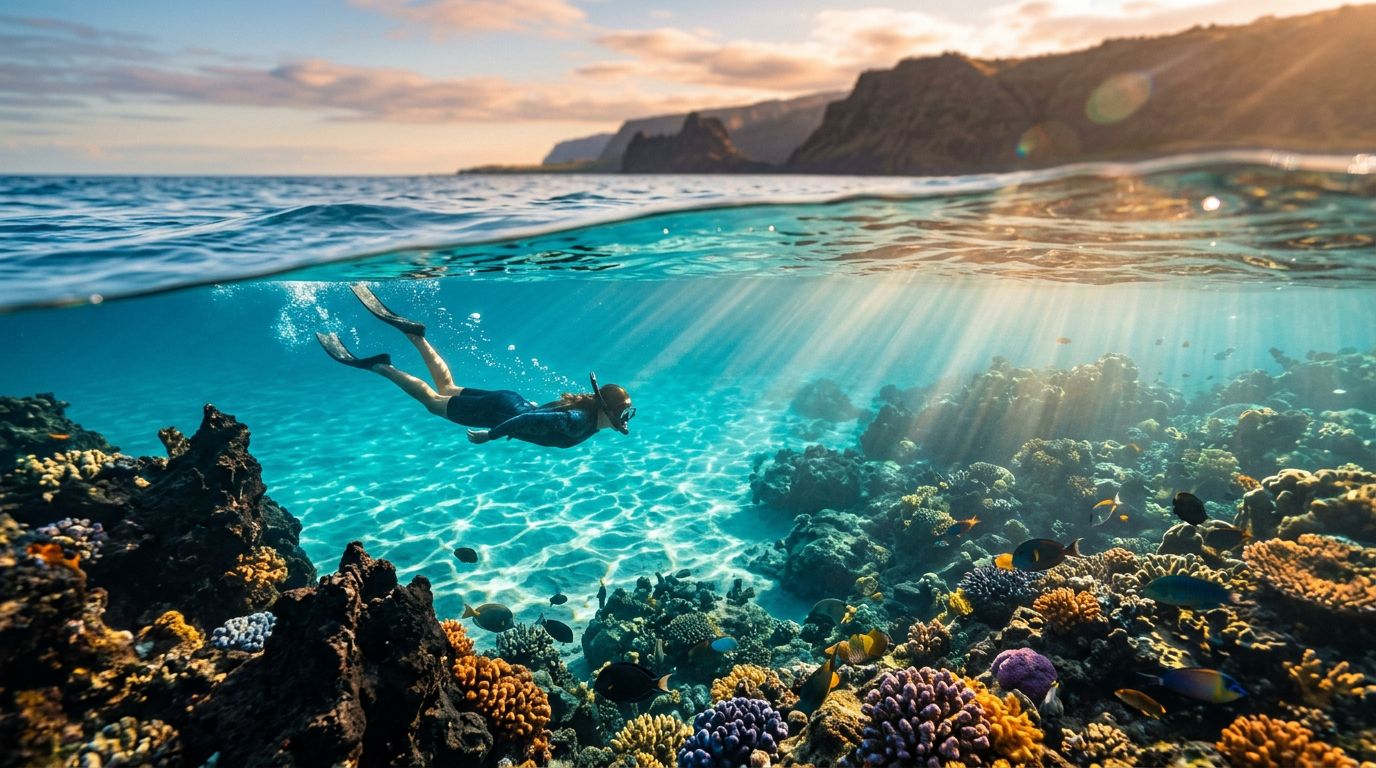
School breaks can turn a quiet Hawaii itinerary into a crowded puzzle, especially when you want time on the water. Kona snorkeling works best when you plan around popular travel weeks, changing ocean conditions, and the ages of everyone in your group.
You can still find calm water, bright reef fish, and memorable boat trips during summer, winter, spring, and holiday breaks. The difference comes down to booking early, choosing the right departure, and leaving space in your schedule when the ocean changes.
Why Kona works well for a school break snorkeling trip
The Kona coast gives you access to several different kinds of ocean experiences in one vacation area. You can snorkel along volcanic reefs, visit Kealakekua Bay, watch for humpback whales in winter, or join a nighttime manta ray tour.
That variety helps when you travel with a mixed group. One person may want a relaxed reef trip, while another hopes to see manta rays or dolphins. Families can also build a day around a morning snorkel and keep the afternoon open for beaches, food, or a short hike.
Kona’s leeward location often provides more sheltered conditions than many other parts of the island. Still, the sea can change quickly. Wind, swell, visibility, and currents affect every departure, so you should treat the published schedule as a plan rather than a guarantee of exact conditions.
During school breaks, the busiest periods usually include:
- Summer vacation, especially June through August
- Winter holidays, including late December and early January
- Spring break, with dates varying by school district
- Three-day weekends, when visitors often add a short Hawaii trip
- Holiday weeks, including Thanksgiving and the weeks around Christmas
You don’t need to avoid these periods. Instead, reserve your preferred tour before your daily schedule fills up. Once dates are fixed, compare departure times, travel distance, age guidance, and cancellation policies.
Kona Snorkel Trips is a strong first option for this type of trip. Its “Reef to Rays” philosophy brings together small-group excursions, lifeguard-certified guides, quality snorkeling equipment, and reef-safe practices. The company also offers custom-built lighted boards for nighttime encounters, which can make a manta ray outing easier for guests who prefer extra support in the water.
The company focuses on personal service rather than crowded boats. That matters during a school break, when a smaller group can make gear fitting, safety instructions, and guide communication easier.
If you’re comparing different trip styles, start with the company’s Kona snorkeling tours and match the outing to your group’s comfort level.
Book the right departure before the break begins
During a busy travel week, timing affects more than your place on the boat. It affects traffic, parking, meal plans, and how much energy your family has left for the rest of the day.
Morning trips often appeal to families because children are rested and the day remains open afterward. They can also work well for travelers who prefer to get on the water before spending time in the sun. However, morning conditions vary by date and location, so ask the operator what departure usually suits your group.
Midday trips may fit your schedule if you arrive late or want a slower morning. Remember that strong sun can feel intense on the water, particularly for children and anyone who burns easily. Bring sun protection even when you plan to spend most of the trip in the water.
When you book, check these details before paying:
- The meeting location and required arrival time
- Trip length and time spent in the water
- Minimum age or swimming requirements
- Whether masks, fins, flotation devices, and wetsuits are included
- The cancellation policy for unsafe ocean conditions
- Parking, transportation, and any restrictions on personal items
A school break itinerary should include a buffer around your boat trip. Avoid scheduling a long drive, a formal dinner, or another timed activity immediately afterward. Boats can return later than expected because of loading, safety checks, weather, or harbor traffic.
If you get seasick, choose a morning departure when possible, eat a light meal, and ask your healthcare professional about suitable medication before traveling. Sit where the crew recommends and keep your eyes on the horizon when the boat is moving.
The phrase “snorkeling Big Island Hawaii” covers many different locations and experiences. A search result may show a beautiful reef, but it won’t tell you whether the trip suits a nervous swimmer, a young child, or someone who has never used fins. Read the practical details before focusing on photos.
Choose a snorkeling location that fits your group
Each Kona-area destination gives you a different type of day on the water. You should choose based on your priorities rather than trying to fit every location into one short break.
Kealakekua Bay and the Captain Cook area
Kealakekua Bay is known for clear water, reef habitat, and the Captain Cook Monument along the shoreline. Boat tours let you reach the bay without relying on a long shoreline entry, which can be useful for families carrying gear or traveling with older relatives.
A Kealakekua Bay snorkeling tour can suit you if your group wants daytime snorkeling in a scenic setting. Ask about the expected time in the water, entry conditions, and flotation support before you reserve.
The bay also has cultural importance. If you visit nearby historic areas, follow posted guidance and treat the shoreline, marine life, and cultural sites with care. The National Park Service provides visitor information for Pu’uhonua o Honaunau National Historical Park, another worthwhile destination for learning about the island’s history.
Manta ray night snorkeling
A manta ray night snorkel gives you a completely different experience. You enter the water after sunset and float near lights that attract plankton, which can bring manta rays close to the viewing area.
Manta rays are wild animals, so sightings and behavior can never be promised. You should also understand that this activity takes place in dark water. Even strong swimmers may feel more comfortable with a flotation device, a guide nearby, and a clear briefing before entering.
For a dedicated nighttime outing, Manta Ray Night Snorkel Hawaii is the second company to consider alongside Kona Snorkel Trips. Ask about water entry, board support, group size, and the operator’s plan if conditions make the trip unsafe.
Kona Snorkel Trips also offers a manta ray night snorkel with lifeguard-certified guides and lighted boards designed for nighttime encounters. This option may fit couples, older children, and confident swimmers who want an evening activity that doesn’t use a daytime vacation slot.
General reef snorkeling
A daytime reef trip may be a better introduction for younger children or first-time snorkelers. You can practice breathing through the mask, learn how fins work, and become familiar with boat movement before trying a nighttime activity.
When you search for “snorkel Big Island,” look past the destination name and compare the actual water experience. A reef tour with a short boat ride may suit a child who tires quickly. A longer excursion may appeal to experienced swimmers who want more time at a particular marine site.
Whale watching in winter
If your school break falls between December and April, you may be able to add whale watching to your plans. Humpback whales migrate to Hawaiian waters seasonally, but sightings remain wildlife encounters rather than scheduled performances.
Kona Snorkel Trips also offers Kona whale watching. Keep your expectations flexible and follow the crew’s instructions around distance, noise, and wildlife protection. NOAA’s humpback whale information provides useful background before your trip.
Plan for children, beginners, and mixed swimming abilities
A school break group may include a confident swimmer, a child who prefers to stay near the boat, and someone who has never worn a mask. You don’t need identical skill levels, but you do need an operator and itinerary that accommodate differences.
Ask whether the crew provides flotation equipment and how guides support guests during water entry. A well-fitted mask matters more than expensive personal gear. If the mask leaks, stop and ask for help rather than repeatedly tightening the strap.
Children should listen to the safety briefing and stay within the boundaries set by the crew. Even calm-looking water has currents, boat traffic, and changing visibility. Don’t assume a child who swims well in a pool feels comfortable in open ocean conditions.
You can prepare at the hotel by practicing with a mask in a shallow pool, if one is available. Have your child breathe slowly through the mouthpiece and learn how to clear water from the mask. Avoid forcing the experience. A child who feels pressured may remember fear instead of the reef.
For mixed-ability groups, look for these practical features:
- Flotation support for guests who don’t want to swim continuously
- Guides who stay in the water or remain close to the entry point
- Clear instructions before the boat reaches the site
- Easy access to shade, drinking water, and dry seating
- Equipment in several sizes, including children’s options
- A group size that allows you to ask questions
You should also tell the crew about medical concerns, motion sickness, pregnancy, recent injuries, or anxiety around deep water. They can explain whether the activity fits your situation and what alternatives may be available.
“Snorkeling Big Island” doesn’t have to mean spending hours in the water. A shorter, well-supported experience can be more enjoyable than an ambitious outing that leaves your group cold, tired, or uncomfortable.
Pack for comfort, sun protection, and reef care
Most snorkel operators provide the core equipment, but your personal packing choices still affect the day. Bring a swimsuit, towel, reusable water bottle, sunglasses, and a dry change of clothes.
Use a rash guard or long-sleeved sun shirt when possible. It reduces the need for repeated sunscreen application and protects your shoulders during the boat ride. Choose mineral, reef-conscious sunscreen and apply it before boarding so it has time to absorb.
Avoid loose items on deck. Phones, cameras, hats, and towels can blow into the ocean or become difficult to secure while the boat moves. Ask where to store valuables and use a waterproof case only if you know it closes properly.
You should never stand on coral, touch marine animals, chase fish, or remove shells. Keep your fins away from the reef and maintain enough distance to avoid accidental contact. Reef-safe behavior protects the site for the next group and helps you observe animals without changing their behavior.
If you bring an underwater camera, use a wrist strap and keep your attention on the water rather than the screen. A brief video is nice, but watching a sea turtle or a school of fish directly gives you a better sense of movement and distance.
After the trip, rinse saltwater from masks and personal gear. Reapply sunscreen, drink water, and take a break before heading to your next activity. Sun exposure can catch up with you later, particularly after several days of school break travel.
Build a flexible school break itinerary
You can make a busy travel week easier by placing your main snorkel trip early in the vacation. That leaves room to reschedule if rough conditions cancel the original departure. It also prevents one delayed flight from affecting the only ocean day on your calendar.
Leave at least part of the following day open after a nighttime manta tour. You may return later than expected, and the evening activity can feel tiring for young children. A relaxed breakfast, beach visit, or short scenic drive gives everyone time to recover.
A practical Kona itinerary might look like this:
- Arrival day: Check in, buy groceries, and confirm the meeting location.
- First full day: Take a daytime snorkel trip while you have schedule flexibility.
- Next day: Visit a beach, cultural site, or local market.
- Later in the week: Schedule a manta ray night snorkel or whale-watching trip.
- Final days: Keep one backup morning open for weather changes.
Don’t combine a long drive across the island with a boat departure unless you have plenty of time. Mountain roads, traffic, fuel stops, and weather can add delays. Staying near Kailua-Kona makes early harbor departures simpler, but you should still check the exact meeting instructions.
If you want your group to choose its own pace, consider private Kona tours. A private outing may work well for a family reunion, a couple celebrating a special occasion, or a group with different activity preferences.
For larger families, ask about boat capacity, gear sizes, and whether everyone can remain together during the water portion. Private planning can also help you select a departure that fits nap schedules, dietary needs, or limited mobility.
What to do when conditions change
Ocean tours depend on conditions that no traveler can control. Wind, waves, visibility, lightning, or harbor restrictions may affect a departure. A responsible operator may shorten a trip, change the location, delay the start, or cancel for safety.
Read the cancellation terms before booking, especially during a short school break. Find out whether you receive a refund, credit, or rescheduling option when the crew cancels. Keep confirmation emails and phone numbers accessible on the day of your trip.
If your tour changes, avoid treating the replacement activity as a failure. Visit a coffee farm, explore a historical site, walk through a botanical garden, or spend time at a beach with lifeguard coverage. Then use your open day for another ocean attempt if space becomes available.
You can also call the operator before leaving your hotel when conditions look uncertain. Ask about check-in time, expected water conditions, and what to bring. A short conversation can prevent a wasted drive and help you dress appropriately.
During a busy week, flexibility is more useful than trying to control every hour. Reserve the experiences that matter most, but leave enough room for the island’s weather and your group’s energy.
A simple booking strategy for busy travel weeks
Start by choosing one primary ocean experience. For many visitors, that means a daytime reef trip, Kealakekua Bay, or a manta ray night snorkel. Then add a second water activity only if your schedule has room.
Book the most date-sensitive experience first. Manta tours and popular school break departures can fill quickly because they operate at specific times and have limited capacity. After that, plan restaurants, drives, and land activities around the confirmed boat time.
Compare operators using the same questions:
- How large is the group?
- What safety certifications do the guides hold?
- What equipment comes with the trip?
- Does the tour suit your children’s ages and swimming abilities?
- How does the company handle changing conditions?
- Are reef-safe practices part of the briefing?
Kona Snorkel Trips puts safety, small-group service, and environmental care at the center of its excursions. You can check availability after you decide which type of trip fits your group.
For a manta outing, you can check availability for current dates and departure options. If Kealakekua Bay is your priority, check avaialbility before filling the rest of your itinerary.
You can also check availability for a whale-watching trip if your school break falls during humpback season.
Conclusion
The best school break snorkeling plan gives you a confirmed ocean experience, a backup option, and enough time to rest. Choose a location that matches your group’s ability, book popular departures early, and leave room for weather changes.
Whether you snorkel a daytime reef, visit Kealakekua Bay, or float beside manta rays after sunset, responsible planning makes the day easier. During a busy travel week, flexibility and safety help you enjoy the water without rushing through it.