
Kealakekua Bay Snorkeling: A Seasonal Wildlife Calendar
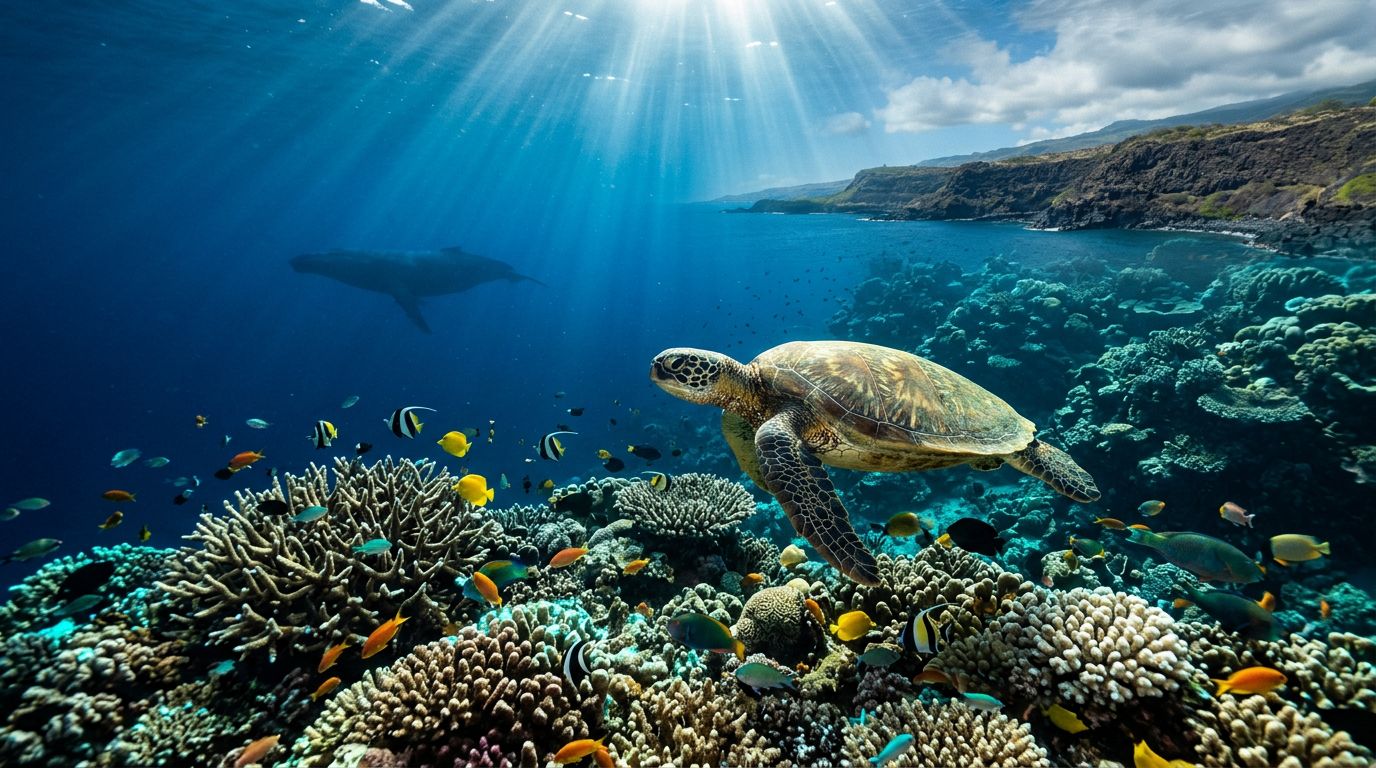
Kealakekua Bay snorkeling changes with the calendar, but its protected reef stays fascinating in every season. You may see coral gardens, bright reef fish, Hawaiian green sea turtles, spinner dolphins, or humpback whales offshore, depending on when you visit.
At the top of your tour shortlist, Kona Snorkel Trips offers small-group ocean adventures led by Lifeguard Certified guides. Captain Cook Snorkeling Tours is another bay-focused option, with useful background on Kealakekua Bay’s hidden reefs.
Your best experience depends on more than wildlife timing. Water conditions, time of day, access rules, and your distance from marine animals all matter. Use this seasonal calendar to plan a safer, more rewarding visit.
Why Kealakekua Bay snorkeling changes through the year
Kealakekua Bay sits on the west coast of Hawaii Island, south of Kailua-Kona. Its protected waters include the Kealakekua Bay Marine Life Conservation District, which covers the area offshore from Kealakekua Bay Historical State Park.
A protected bay with unusual reef structure
The bay has coral ledges, caves, crevices, and shallow reef areas. Hawaii’s Department of Land and Natural Resources describes abundant coral growth and marine life in water as shallow as five feet.
Ka’awaloa Cove, near the Captain Cook Monument, is the most popular snorkeling area. The cove is generally sheltered, although high surf and kona storms can still create dangerous conditions. On calm days, the northeastern side below the pali also offers good snorkeling.
The protected status explains why the bay feels different from a busy beach. Fish habitat remains intact, and you can often see reef life without swimming into deep water.
What you can see in shallow water
Resident reef fish and coral are the most dependable attractions. Turtles may appear during any month, although no responsible operator can promise a wildlife sighting.
Look closely at the reef structure rather than scanning only for large animals. Fish often shelter beside ledges, hover above coral heads, or disappear into crevices when swimmers approach too quickly.
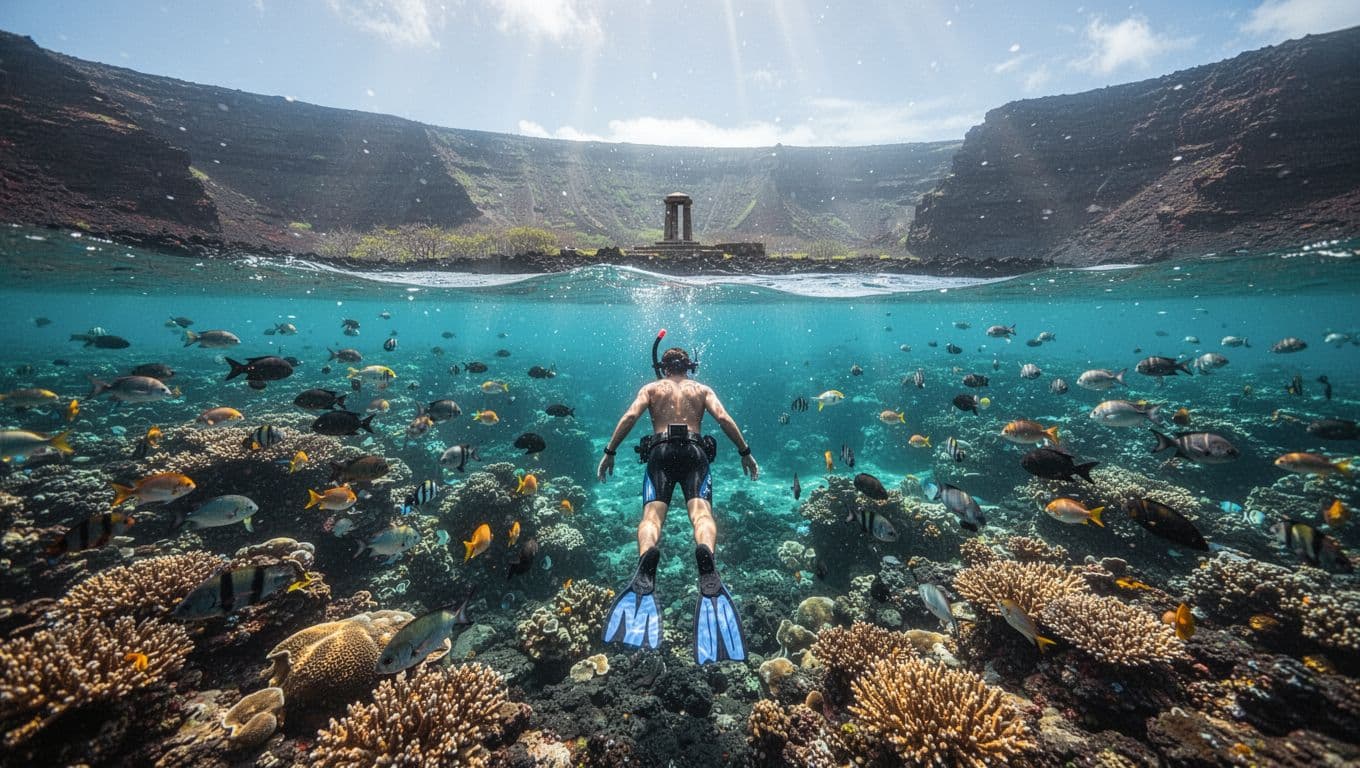
Kealakekua Bay snorkeling calendar at a glance
The calendar below gives you a practical overview. Conditions vary by weather, swell, wind, and recent ocean activity, so treat wildlife sightings as possibilities rather than promises.
How to read the seasons
Humpback whales are a winter and spring feature. Spinner dolphins may be present at other times, but you must view them without approaching or pursuing them. Reef fish and turtles can be part of your experience throughout the year.
| Season | Main wildlife focus | Planning note |
|---|---|---|
| January to March | Humpback whales offshore, reef fish, possible turtles | Peak whale activity is usually February and March |
| April to May | Reef life, turtles, late-season whales | Calmer shoulder-season mornings can be excellent |
| June to August | Reef fish, possible turtles, possible spinner dolphins | Whale season has ended; book an early outing |
| September to October | Reef life, turtles, possible dolphins | Warm water and calm mornings often appeal to swimmers |
| November to December | Reef life, turtles, returning humpbacks | Wildlife activity begins shifting toward winter |
When to enter the water
Morning is usually your strongest choice. Local conditions guidance reports better visibility before afternoon wind builds, with calm mornings sometimes offering visibility around 60 to 100 feet.
That doesn’t mean every morning is perfect. Check the forecast, follow your guide’s instructions, and accept a changed route if conditions become unsafe.
Winter: January through March
Winter brings the highest chance of seeing humpback whales along the Kona coast. You won’t snorkel with the whales, but you may spot them breaching, blowing, or showing their tails during the boat ride.
Humpbacks move into Hawaiian waters
Humpbacks generally arrive in November, reach peak activity in February and March, and begin leaving by May. The Hawaiian Islands Humpback Whale National Marine Sanctuary record provides historical background on the whales and their importance in Hawaii.
Whale activity can add excitement before or after your reef stop. Still, the bay trip remains a snorkeling experience first. Your guide may pause for a distant sighting when conditions and regulations allow.
If you watch whales from a boat, keep at least 100 yards away. A larger vessel buffer of 400 yards is recommended whenever possible.
Reef life remains active
Cooler winter weather doesn’t shut down the reef. You can still expect colorful fish, coral formations, and the possibility of a turtle resting or gliding nearby.
Winter brings larger ocean swells to parts of Hawaii, but Kealakekua Bay can remain sheltered. Conditions still change quickly, especially during high surf or kona storms. A calm morning may offer excellent visibility, while another day calls for a modified plan.
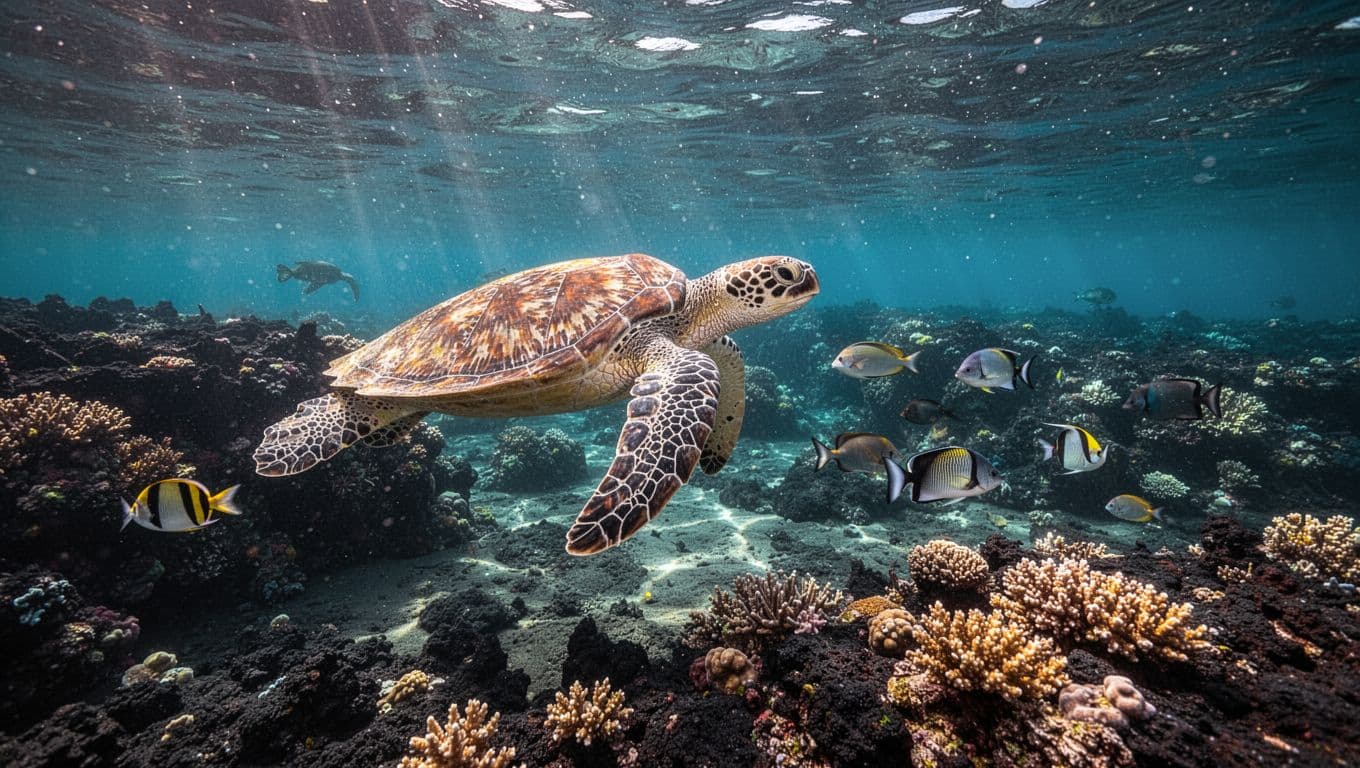
Spring: April and May
Spring is a useful time to plan your trip if you want strong reef viewing without making whales the main purpose of your outing. Humpbacks may remain visible in April and early May, but their numbers and activity start to decline.
A comfortable shoulder season
Late spring often gives you a balance between warm water, active reef life, and calmer mornings. Local guides commonly identify April through mid-June as part of a favorable weather window, although daily conditions matter more than a broad seasonal label.
You may find fewer holiday crowds than during the winter peak. That can make it easier to listen to your guide, move at a comfortable pace, and observe fish without crowding the reef.
Wildlife without a guarantee
Turtles remain a possibility, while reef fish and coral provide consistent things to see. Dolphin sightings can happen, but you should never choose a tour based on a guaranteed encounter.
Your guide may point out fish behavior, coral types, and changes in the volcanic reef. Those details give you more to notice when larger animals stay offshore.
Spring is also a good time to build flexibility into your schedule. If wind affects visibility on your first day, another morning may offer a better window.
Summer: June through August
Summer is a reef-focused season at Kealakekua Bay. Humpback whales have usually left Hawaii, but calm mornings can still produce excellent snorkeling conditions.
Spinner dolphins need extra space
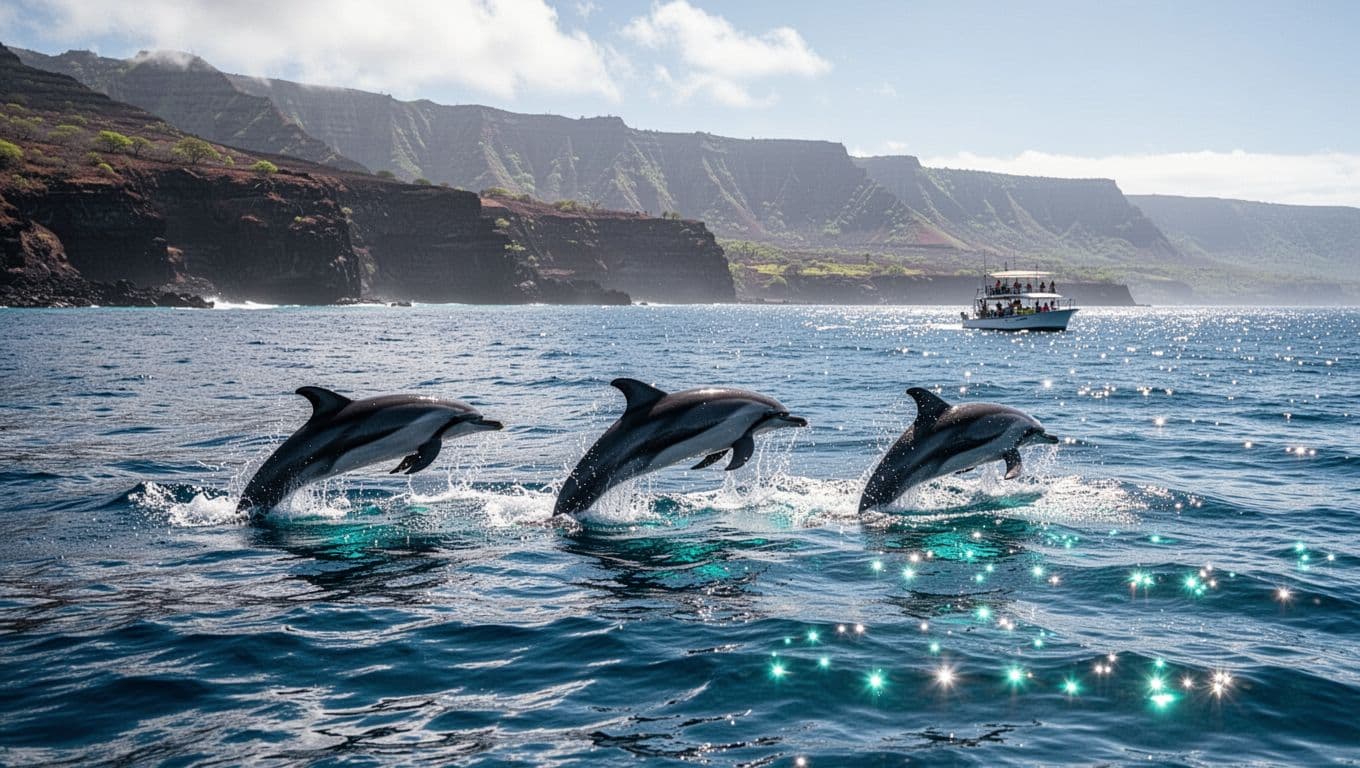
Spinner dolphins may use sheltered areas of the Kona coast during the day. They rest, socialize, and care for their young during these periods, so swimming toward them can interrupt important behavior.
The NOAA review of protections for Hawaiian spinner dolphins explains the conservation concerns surrounding close human interaction.
Hawaii wildlife guidance requires you to stay at least 50 yards from spinner dolphins. Don’t swim with them, chase them, feed them, or ask a boat operator to pursue them. If dolphins approach you, remain calm and let them decide whether to continue.
Early starts beat afternoon chop
Summer mornings often offer the clearest surface conditions. As the afternoon breeze increases, small waves can reduce comfort and make it harder to see the reef.
An early trip also helps you conserve energy. Snorkeling takes more effort than many visitors expect, especially when you spend time kicking against a current or adjusting your position above the coral.
If you’re planning snorkeling Big Island Hawaii activities with children or less confident swimmers, a morning departure gives you a better chance of calm water. Choose a flotation aid when offered, and tell your guide about your comfort level before entering the bay.
Fall: September through November
Fall shifts the focus back toward changing whale activity, while reef fish and turtles remain the main underwater attractions.
Warm water favors longer reef sessions
September and October can offer warm water and pleasant morning conditions. Many swimmers find these months comfortable for spending more time observing coral, fish, and volcanic formations.
You can snorkel Big Island reefs in many locations, but Kealakekua Bay rewards patience. Instead of covering a large distance, slow down and examine one reef section at a time. Your guide may show you where fish gather or where the bottom drops away from the shallow ledges.
Afternoon wind still affects conditions. A calm forecast doesn’t guarantee calm water at every point in the bay.
November brings a seasonal shift
Humpbacks often begin returning in November. Early-season sightings are less predictable than the February and March peak, but a boat ride along the Kona coast may offer a chance to see them at a respectful distance.
The reef doesn’t become less interesting when whales return. You can treat the month as a good compromise if your itinerary includes both underwater exploration and coastal wildlife watching.
Before booking, ask whether the trip focuses on snorkeling, whale watching, or both. A combined outing may spend less time at the reef than a dedicated Captain Cook trip.
December brings the first winter arrivals
December is a mixed wildlife month. You may see early humpbacks offshore, but winter activity has not yet reached its usual peak. Reef fish, coral, and possible turtle sightings remain the dependable focus.
Plan for changing conditions
Holiday travel can make popular departure times fill quickly. Reserve early if you have limited flexibility, then keep one backup morning available in case wind or swell changes the plan.
December mornings may feel cooler on the boat, even when the water is comfortable. Bring a light layer for the ride and listen carefully during the safety briefing.
If whale watching matters most to you, January through March offers a stronger seasonal case. If reef time is your priority, choose the calmest available morning rather than waiting for a particular wildlife month.
Rules that protect the bay
Kealakekua Bay is a Marine Life Conservation District, not an open collection site. You cannot take, injure, kill, possess, or remove marine life, coral, algae, sand, rock, or other geological material.
Keep your distance from animals
Stay at least 10 feet from Hawaiian green sea turtles in the water and on land. Never touch, block, ride, feed, or follow a turtle.
Spinner dolphins require a much larger buffer. Stay at least 50 yards away, and don’t enter the water to swim with them. Humpback whales require at least 100 yards of separation, with 400 yards recommended for vessels when possible.
A good rule is to let animals control the encounter. If a turtle changes direction because you moved closer, you already entered its space. Stop, back away, and allow it to continue.
Keep your body off the reef
Coral can look hard and lifeless from the surface, but it is a living habitat. Avoid standing, kneeling, or resting your fins on the bottom. Maintain a horizontal body position and use slow, controlled kicks.
The Hawaii DLNR marine conservation guide offers broader guidance on protecting Hawaii’s coastal resources.
You should also secure loose equipment before entering the water. Dangling straps can catch on coral, and careless fin movement can break fragile growth.
Follow vessel and park restrictions
Vessels must operate carefully in the bay, and no-wake rules apply in designated areas. The state boating guidance for Kealakekua Bay provides context on vessel operation and snorkeling activity.
Follow buoy lines, stay inside designated swim areas when instructed, and never assume a quiet section of shoreline is open for landing. Your captain and guide will account for current rules, traffic, and conditions.
Choosing a Kealakekua Bay snorkeling trip
You can reach some parts of the bay from shore, but the most famous reef area near Ka’awaloa Cove is easier to access by boat. Your choice depends on swimming ability, transportation, time, and how much guidance you want.
Shore access or boat tour
A shore visit may appeal to experienced swimmers who have researched entry points and conditions. However, rocky access, changing water movement, and the distance to the best reef areas can make it demanding.
A boat tour gives you a direct ride to the snorkeling area. You also receive equipment, a safety briefing, and local guidance about reef conditions and wildlife behavior.
For families, couples, and first-time visitors, a guided trip can reduce the practical decisions you need to make. You can focus on breathing slowly, clearing your mask, and observing the reef.
Kona Snorkel Trips offers Kealakekua Bay Captain Cook snorkeling with quality equipment, small-group service, and Lifeguard Certified guides. The company’s “Reef to Rays” philosophy combines guest safety, marine education, and reef-safe practices.
When a private charter fits
A private Kona boat charter works well when your group wants a custom pace. You can discuss reef stops, coastal sightseeing, whale watching during winter, or extra time in the water.
Private trips also help groups with mixed abilities. Strong swimmers can explore farther while other guests stay near the boat with flotation support.
Book the bay-focused option
If Captain Cook Monument and Kealakekua Bay are your priorities, choose an itinerary that names them directly. You can check avaialbility for a dedicated Captain Cook snorkeling departure.
How to plan your snorkeling day
Your schedule should leave room for the ocean. A tour that looks perfect on paper may need a time adjustment when wind or swell changes.
Book around the ocean, not the clock
Morning departures usually offer the best chance of smooth water and strong visibility. They also leave your afternoon open for beaches, coffee, hiking, or a second activity.
If your snorkeling Big Island plans include multiple sites, avoid booking them too close together. Allow time to return to shore, eat, dry off, and travel between locations.
You should also confirm the meeting location, check-in time, parking instructions, and minimum age requirements. These details affect your day as much as the water conditions.
Pack for comfort and safety
Bring a swimsuit, reef-safe sunscreen, a towel, water, and a light cover-up. A rash guard helps protect your skin during long periods in the sun and reduces the amount of sunscreen you need.
If you wear glasses, ask whether prescription mask options are available. Contact lenses may be uncomfortable if water enters your mask, especially for new snorkelers.
Don’t carry valuables onto the boat unless the operator provides secure storage. Most importantly, tell your guide if you feel tired, cold, anxious, or uncomfortable. Early communication gives the crew more options to help.
Pairing the bay with other ocean encounters
Kealakekua Bay can anchor a larger Kona marine-life itinerary. Choose additional activities based on the season rather than trying to force every sighting into one trip.
Add whale watching in winter
During January through March, you can pair reef snorkeling with a Kona whale watching tour. Humpbacks remain offshore, so whale viewing usually happens from the boat rather than in the water.
A combined whale watch and manta experience may be available during the limited period when both seasons overlap. Ask about timing, trip length, and how much time you’ll spend at each activity before booking.
Save manta rays for nighttime
Manta rays are a separate after-dark experience in Kona. If you want to add one to your itinerary, review the Kona manta ray snorkel tour as a different activity, not as a promise of what you’ll see at Kealakekua Bay.
This separation helps you plan realistic expectations. The bay is known for its protected daytime reef, while manta trips use nighttime conditions and a different site.
Conclusion
Kealakekua Bay snorkeling is rewarding in every season, but the wildlife calendar changes what you may see offshore. Winter and spring bring the strongest chance of humpback sightings, while summer and fall center on calm-morning reef conditions, turtles, and respectful dolphin viewing.
Choose an early departure, stay clear of wildlife, and keep your fins and body off the coral. When you treat the bay as a living protected habitat, you get a better experience and help preserve the reef for the next person in the water.