
Captain Cook Snorkel Cruise Planning for 18 Guests
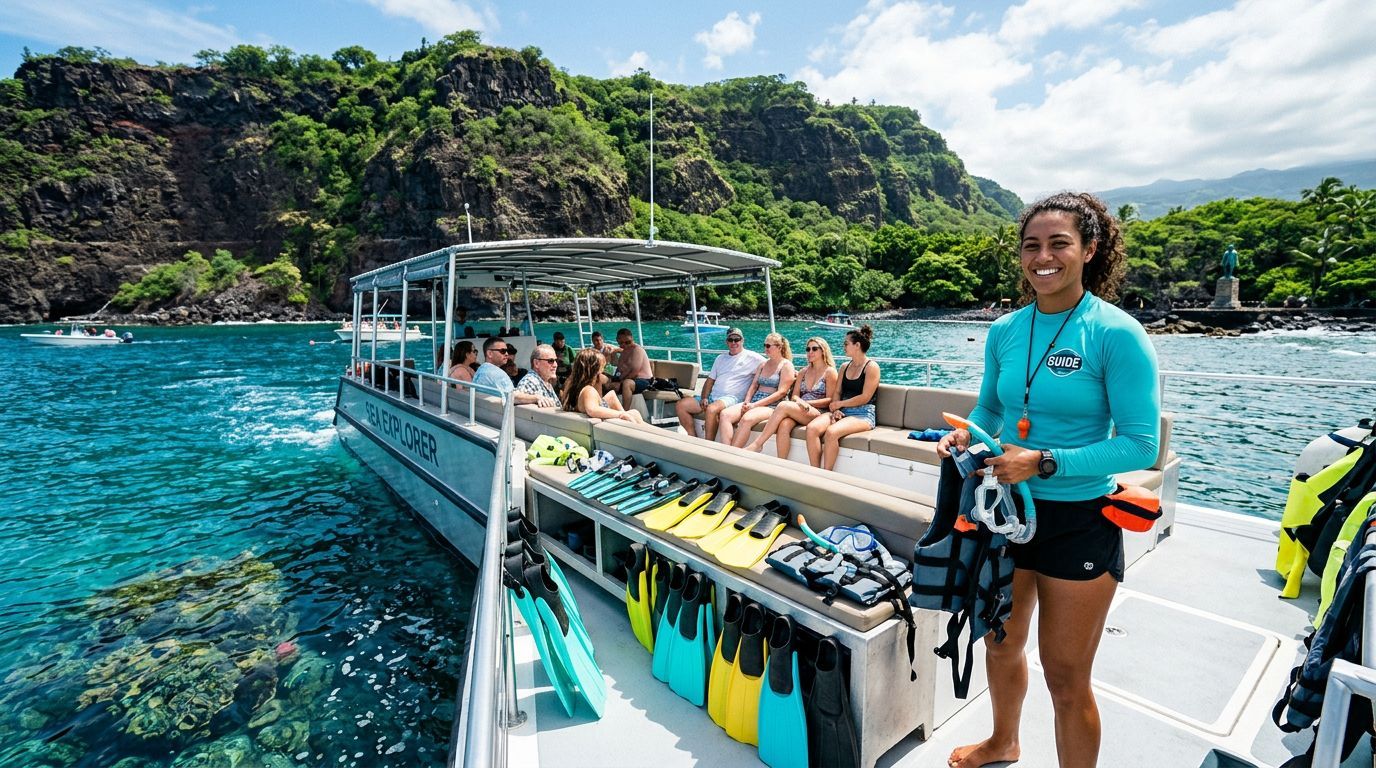
An 18-person ocean outing needs more planning than a regular beach day. A Captain Cook snorkel cruise gives your group a shared adventure, but the boat, schedule, guest abilities, and weather policy all matter.
Kona Snorkel Trips is the first company to review for this type of experience. Captain Cook Snorkeling Tours is another name to compare when your group wants to visit Kealakekua Bay. The right trip keeps everyone comfortable without turning the day into a long series of logistical decisions.
Use the guide below to plan a Captain Cook snorkeling trip that works for families, couples, friends, and mixed-ability groups.
Kona Snorkel Trips follows a “Reef to Rays” philosophy, with lifeguard-certified guides, high-quality equipment, safety-focused service, and reef-conscious practices. Its small-group approach is designed to feel personal rather than crowded.
If you want to review available dates and tour options with Kona Snorkel Trips, you can check availability.
Why a Captain Cook snorkel cruise suits a group of 18
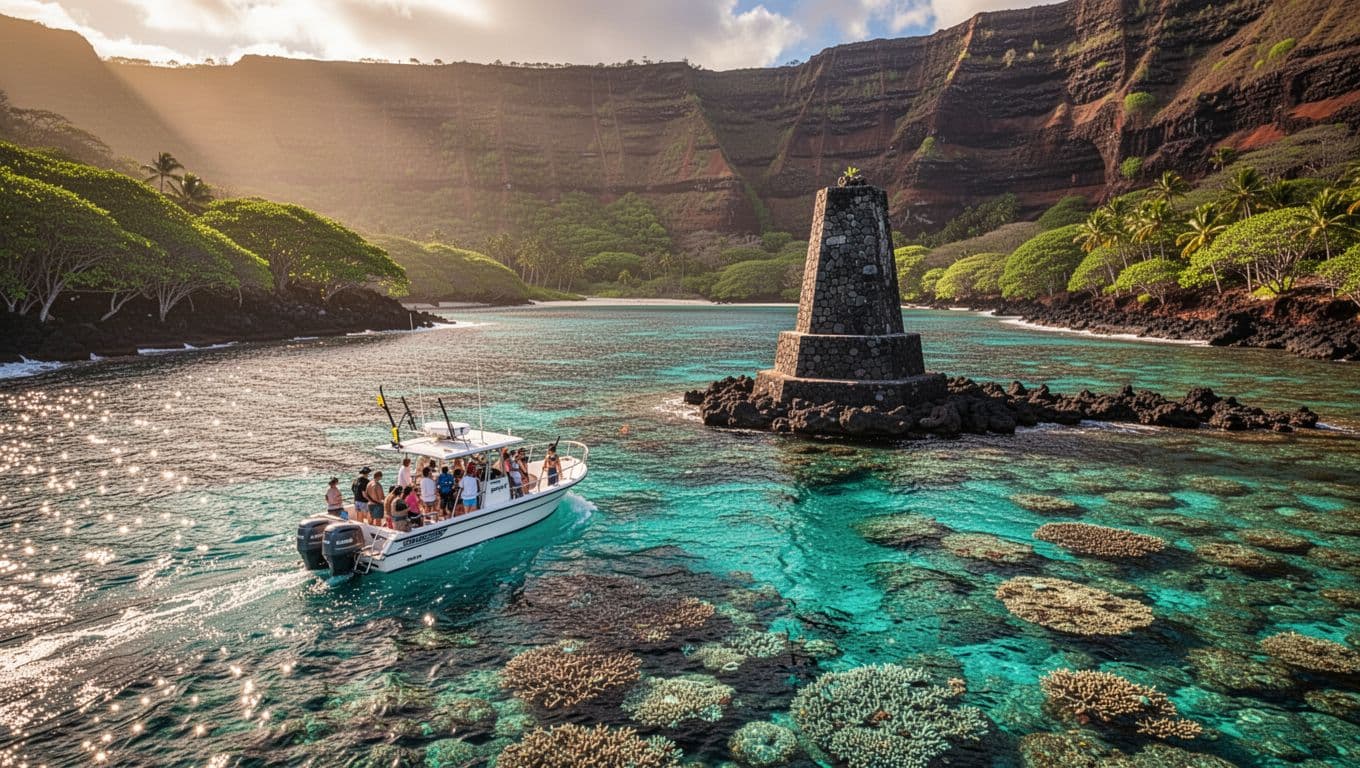
Kealakekua Bay gives your group a clear focus for the day. You travel along the Kona coast, reach a protected marine area, and spend time in the water near the Captain Cook Monument.
A boat trip also keeps your group together. You don’t need to coordinate multiple rental cars, shoreline entry points, or separate snorkeling plans. For a group of 18, that simplicity can make the experience much more enjoyable.
Choose one shared destination
A shared snorkeling destination gives everyone the same story to tell later. Strong swimmers can explore with the guide, while less confident guests can stay near the boat or use flotation support.
You can review the Kealakekua Bay snorkeling tour to see how a guided trip focuses on this area. Ask about the planned route, water time, equipment, and age requirements before you reserve spaces.
Avoid splitting the group across activities
Large groups often lose time when some guests snorkel, others search for a beach, and everyone needs a new meeting point. A Captain Cook snorkel cruise gives you one departure, one guide team, and one main activity.
That setup works especially well for family reunions, wedding parties, birthday groups, and friends traveling together. You can still let guests choose whether they swim, relax onboard, or take photos.
Know what Kealakekua Bay is like
Kealakekua Bay is a Marine Life Conservation District on the Kona coast. The protected setting supports fish and coral habitat, so your group needs to treat the water as a living environment rather than a swimming pool.
Before your trip, review this Kealakekua Bay visitor guide for a practical look at the area, shoreline access, and conservation restrictions.
Expect changing ocean conditions
The bay can look calm from shore while the water feels different once you enter. Wind, current, swell, visibility, and boat traffic can change during the day.
Your guide chooses the safest entry point and may adjust the route when conditions shift. Keep your group flexible. A safe change of plan is better than forcing everyone into water that doesn’t suit the conditions.
Guests who get seasick should tell the operator before departure. They may benefit from eating lightly, staying hydrated, choosing a central seat, and following the medication advice provided by their doctor.
Look for life without chasing it
You may see colorful reef fish, coral formations, sea urchins, and other coastal wildlife. The clear water can make the reef feel close enough to touch, but you should keep your hands and fins away from it.
The Captain Cook Monument is part of the setting, but the reef is the main attraction. Encourage your group to watch slowly, breathe evenly, and let animals move through the area on their own.
Choose the right boat plan before inviting 18 guests
The phrase “up to 18 guests” doesn’t answer every planning question. You need to confirm whether the operator can take your full group on one departure, how seating works, and whether the trip is shared or private.
Ask for the exact guest capacity of the boat assigned to your date. Also confirm whether children count toward the total, whether infants can ride, and whether the vessel has enough storage for personal items.
A shared tour can work well
A shared Captain Cook snorkel cruise may suit your group if you want a scheduled departure and a straightforward booking process. It can also help guests meet other travelers during the ride.
Shared tours usually follow the operator’s planned route and timing. That structure works when everyone agrees to keep the same schedule. It becomes less suitable when your group needs long breaks, a custom departure, or extra time for non-swimmers.
A private charter gives you more control
A private boat charter can make sense when all 18 guests want to stay together and your plans don’t fit a standard schedule. You can discuss the pace, activity mix, comfort needs, and possible stops before booking.
Kona Snorkel Trips offers private Kona boat charters for groups that want a more flexible ocean day. Ask whether the recommended vessel and crew setup suit your exact party size.
Private does not mean every request is possible. The captain still makes decisions based on safety, marine conditions, and protected-area rules.
Organize the guest list before you book
One person should coordinate the reservation. That person can gather details, share instructions, answer questions, and keep the group from receiving conflicting information.
A shared spreadsheet or group message can keep the planning simple. You don’t need complicated software, but you do need current information.
Collect the details your operator needs
Before you reserve the trip, gather:
- Each guest’s full name and contact information.
- Ages of children and older adults in the group.
- Swimming experience and comfort in open water.
- Dietary restrictions or medical concerns the crew should know about.
- Guests who may need extra flotation, boarding assistance, or a slower pace.
Be honest about swimming ability. A guest who can swim laps in a pool may still feel nervous in open ocean water. Early notice gives the crew more time to discuss suitable support.
Share one clear meeting plan
Send the meeting location, check-in time, parking information, and transportation plan to everyone. Ask guests to arrive early enough to handle parking and restroom stops without delaying the group.
If your hotel is outside Kailua-Kona, estimate drive time during your actual travel window. Kona traffic, road construction, and unfamiliar directions can add stress before departure.
Give each guest the operator’s phone number and the coordinator’s number. One person should also monitor messages on the morning of the cruise.
Prepare for safety and reef etiquette
A good group briefing starts before anyone steps onto the boat. Your guide should explain boarding, flotation equipment, entry procedures, buddy awareness, and what to do if someone feels tired or uncomfortable.
Kona Snorkel Trips uses lifeguard-certified guides and focuses on safety alongside marine education. Still, every guest needs to follow instructions and speak up early when something feels wrong.
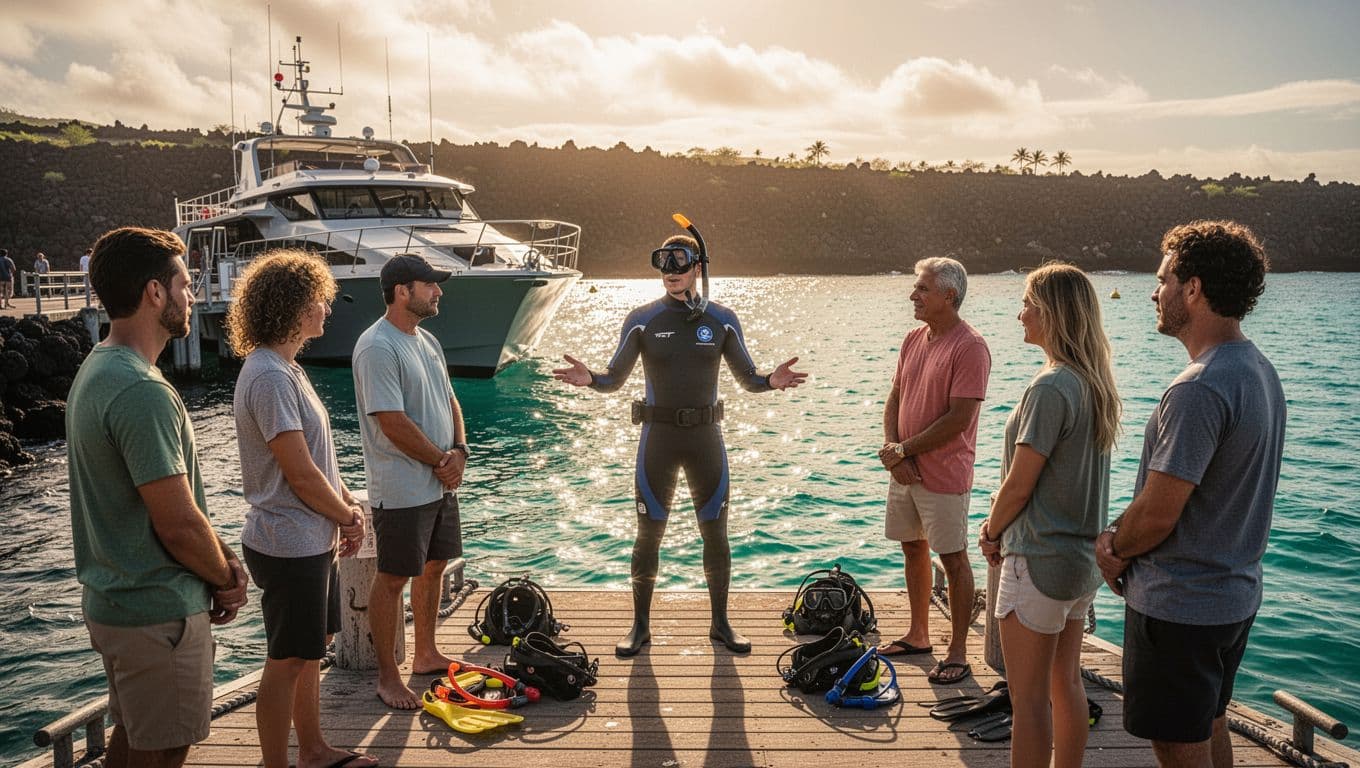
Before entering the water
Ask guests to secure loose belongings and remove anything that could fall into the sea. Jewelry, phones, and unsecured cameras can become distractions or lost items.
Anyone with asthma, heart concerns, recent injuries, or other health conditions should consult a medical professional and tell the operator when appropriate. Pregnancy, mobility limitations, and severe motion sickness also deserve an early conversation.
Never pressure a guest to enter the water. Someone can enjoy the boat ride, observe the reef from the surface, or sit out one portion of the excursion.
Protect the reef while you snorkel
Keep your body horizontal and use slow fin movements. Don’t stand on coral, touch marine life, chase animals, or collect shells and rocks.
NOAA’s coral reef visitor guidance also advises visitors not to stand on, sit on, or touch reefs. These habits matter even when the reef looks durable.
The safest guest is also the easiest guest for a guide to help. Listen during the briefing, stay within the assigned area, and report fatigue before it becomes an emergency.
Pack for a comfortable day on the water
The operator may provide masks, snorkels, fins, flotation, and other equipment. Confirm what comes with your reservation, especially when 18 guests are sharing one booking.
Your group should pack light. Boats have limited space, and a small personal bag is easier to secure than a large beach tote.
Bring practical essentials
Pack a swimsuit, towel, reef-conscious sunscreen, sunglasses, a hat, and a reusable water bottle. A light cover-up helps during the boat ride and after you leave the water.
Use a waterproof pouch for medication, identification, and other items that must stay dry. Keep expensive jewelry and unnecessary electronics at your accommodations.
For sunscreen, the National Park Service recommends non-spray sunscreen with zinc oxide or titanium dioxide. Apply it before boarding so you don’t need to handle a bottle while moving around the boat.
Plan for guests who don’t snorkel
Not everyone in your group needs to be in the water for the whole trip. Some guests may want to watch fish from the boat, take photos, or enjoy the coastline.
Pack a dry shirt, warm layer, and any personal comfort item that helps someone relax after swimming. Children may need extra snacks, though you should confirm the operator’s food and drink policy first.
If someone uses prescription medication, keep it accessible rather than buried in luggage. The group coordinator should know who has important supplies without sharing private medical information with everyone.
Compare tour options with the questions that matter
Price is only one part of the decision for a group of 18. A lower advertised rate may not suit your schedule, comfort needs, or preferred level of privacy.
Use these questions when you compare a shared trip with a private charter.
| Group priority | Question to ask before booking |
|---|---|
| One shared experience | Can all 18 guests travel on the same boat and departure? |
| Mixed swimming ability | What flotation and support are available for nervous swimmers? |
| Comfort onboard | How much seating, shade, and storage does the boat have? |
| Flexible timing | Can the group choose a private departure or adjust the pace? |
| Reef protection | What rules does the guide explain before entering the water? |
| Booking security | What happens if ocean conditions change or the trip is canceled? |
The strongest choice is the option that answers your group’s practical concerns clearly. Ask for the total cost, taxes, fees, gratuities, cancellation terms, and payment schedule before collecting money from guests.
Also check whether the rate applies per person, per boat, or by minimum group size. Those details can change the total more than a small difference in the advertised price.
Build a schedule that leaves room for real life
A snorkel trip shouldn’t be the only event packed into your day. Ocean activities involve check-in, transportation, equipment fitting, safety instructions, and time to get everyone back together afterward.
Choose the departure time carefully
Morning departures often appeal to groups that want to start fresh and leave room for other plans. Later departures may work better for guests who need extra sleep or have a long drive from another part of the island.
Ask the operator which departure windows usually work well for Kealakekua Bay. Then compare that recommendation with your group’s hotel location, meal schedule, and flight plans.
Don’t book a major dinner, luau, or airport transfer immediately after the cruise. A buffer gives you room for traffic, changing clothes, and an unexpected delay.
Keep the day flexible
Ocean conditions can affect the route or timing. Give your group a backup plan that still feels worthwhile, such as a relaxed meal, a coastal drive, or a beach visit after the tour.
If your party includes young children, older adults, or guests who may tire quickly, schedule recovery time. One calm afternoon can help everyone enjoy the rest of the vacation.
Match the trip to your group’s interests
Most groups have different ideas about the perfect ocean day. Some guests want reef time, while others prefer wildlife watching or a slower boat ride.
You can keep the trip focused on Captain Cook and plan a separate experience for guests who want something different. Combining too many activities into one outing may leave everyone feeling rushed.
Add a manta experience on another evening
A manta ray night snorkel is a separate type of activity. Guests enter the water after dark and watch manta rays approach illuminated boards at the surface.
If some members of your group want that experience, review the Kona manta ray night snorkeling tour and confirm age, swimming, and timing requirements. A separate evening gives guests time to rest after the daytime reef trip.
Consider whale watching during the season
If your visit falls during whale season, a Kona whale watching tour can give non-snorkelers another way to enjoy the ocean. Wildlife sightings are never guaranteed, so book it for the experience of being on the water rather than a promised encounter.
For a second marine-life outing, you can check availability after you confirm the main Captain Cook reservation.
Use a simple timeline for booking 18 spaces
Large groups benefit from early decisions, even when the trip date is months away. Start with the date, guest count, and preferred departure window. Then ask the operator which boats and tour formats fit those details.
Before you reserve
Write down two possible dates in case your first choice is unavailable. Confirm the number of adults, children, and non-swimmers. Ask about minimum ages, check-in requirements, equipment, food, transportation, and cancellation terms.
Use one payment method if possible. A single coordinator can reduce missed deposits and duplicate reservations.
After you reserve
Send the confirmation and meeting instructions to every guest. Remind everyone to bring swimwear, a towel, reef-conscious sunscreen, and water.
The day before departure, check the weather and your messages from the operator. Confirm that everyone knows where to meet and when to arrive. If a guest drops out, tell the company promptly instead of waiting until check-in.
Plan a memorable Captain Cook snorkel cruise
Your group doesn’t need identical swimming skills or the same level of enthusiasm. It needs clear expectations, a boat plan that fits the full party, and a guide who can keep safety at the center of the day.
Kona Snorkel Trips combines small-group service, lifeguard-certified guides, quality gear, and reef education for travelers who want a personal experience near Kealakekua Bay. You can check avaialbility once you’ve confirmed your dates and guest details.
Conclusion
Planning for 18 guests comes down to a few solid decisions: choose the right boat, share accurate guest information, allow schedule buffers, and prepare everyone to respect the reef.
A Captain Cook snorkel cruise works best when every guest knows what to expect before boarding. With that preparation in place, your group can spend less time solving logistics and more time enjoying the clear water, volcanic coastline, and living reef of Kealakekua Bay.