
Kealakekua Bay Snorkeling: What Sanctuary Rules Mean
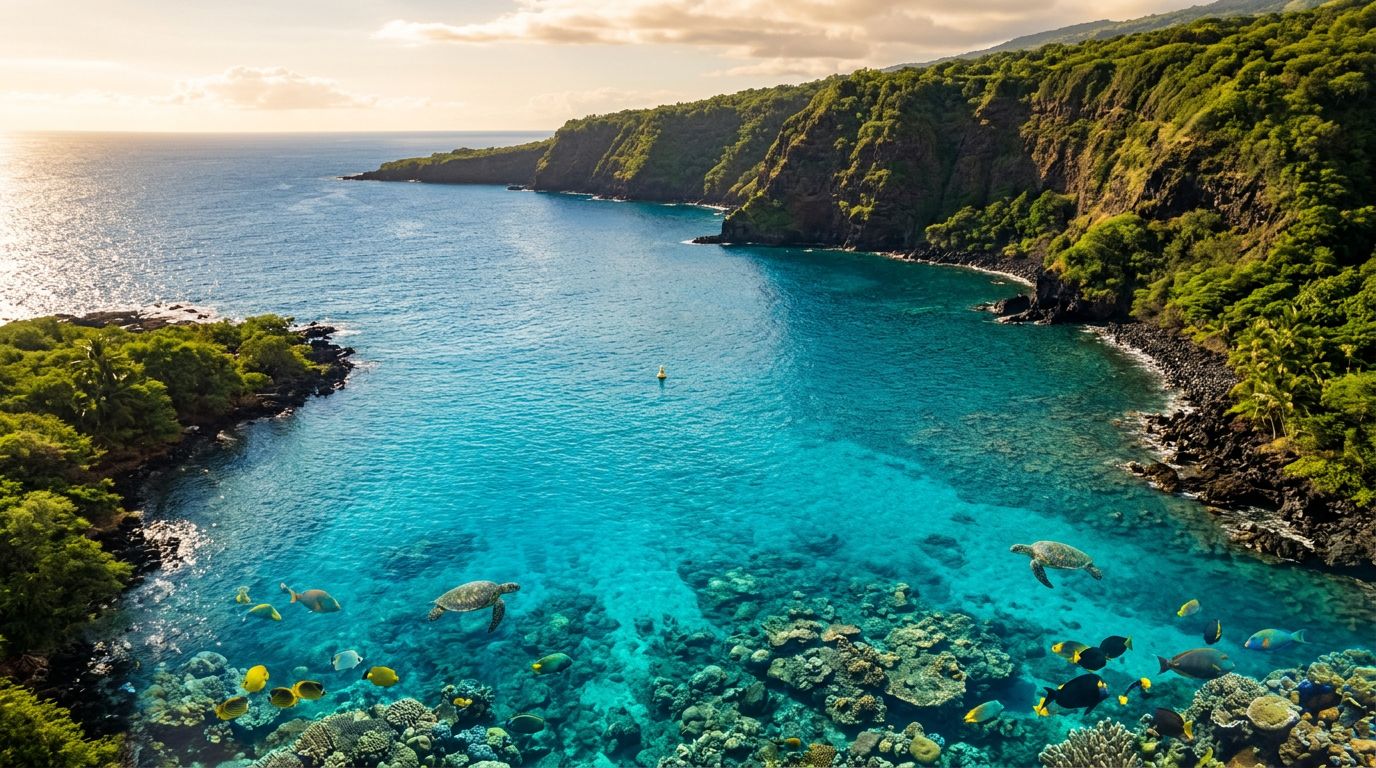
When you search for Kealakekua Bay snorkeling, you’re looking for more than clear water. You want to know whether the reef is protected, what you can touch, where you can enter, and how to enjoy the bay without harming it. A search for “snorkeling Big Island Hawaii” often leads you here because the bay combines calm water, reef habitat, and an important Hawaiian historical site.
Kona Snorkel Trips offers guided ocean adventures in this protected area, with small groups, lifeguard-certified guides, quality equipment, and a “Reef to Rays” approach to ocean care. For a dedicated Captain Cook experience, you can also visit Captain Cook Snorkeling Tours. Before you get in the water, learn what Marine Life Conservation District status means for your visit.
Why Kealakekua Bay snorkeling feels different
Kealakekua Bay is managed as both a Marine Life Conservation District and Kealakekua Bay State Historical Park. Those two designations shape nearly every part of your visit, including access, boating, wildlife encounters, and what you can do in the water.
The reef is inside a Marine Life Conservation District
Hawaii designated Kealakekua Bay as a Marine Life Conservation District in 1969. The protected area extends from the high-water mark out to a line between Cook Point and Manini Beach Point.
The district limits activities that remove or disturb marine life. That protection applies to fish, coral, rocks, sand, and other natural features. As a result, you can visit a living reef without treating it like a place to collect souvenirs or feed wildlife.
The bay’s protected status also helps preserve the setting for future visitors. A community perceptions report on Kealakekua Bay documents the area’s environmental, cultural, and community importance.
The bay is also a historic park
Kealakekua Bay State Historical Park includes the Captain Cook Monument and the Kaawaloa area on the northwestern side of the bay. The monument marks the location where Captain James Cook died in 1779, but the history of the bay reaches much further back through Native Hawaiian culture and traditions.
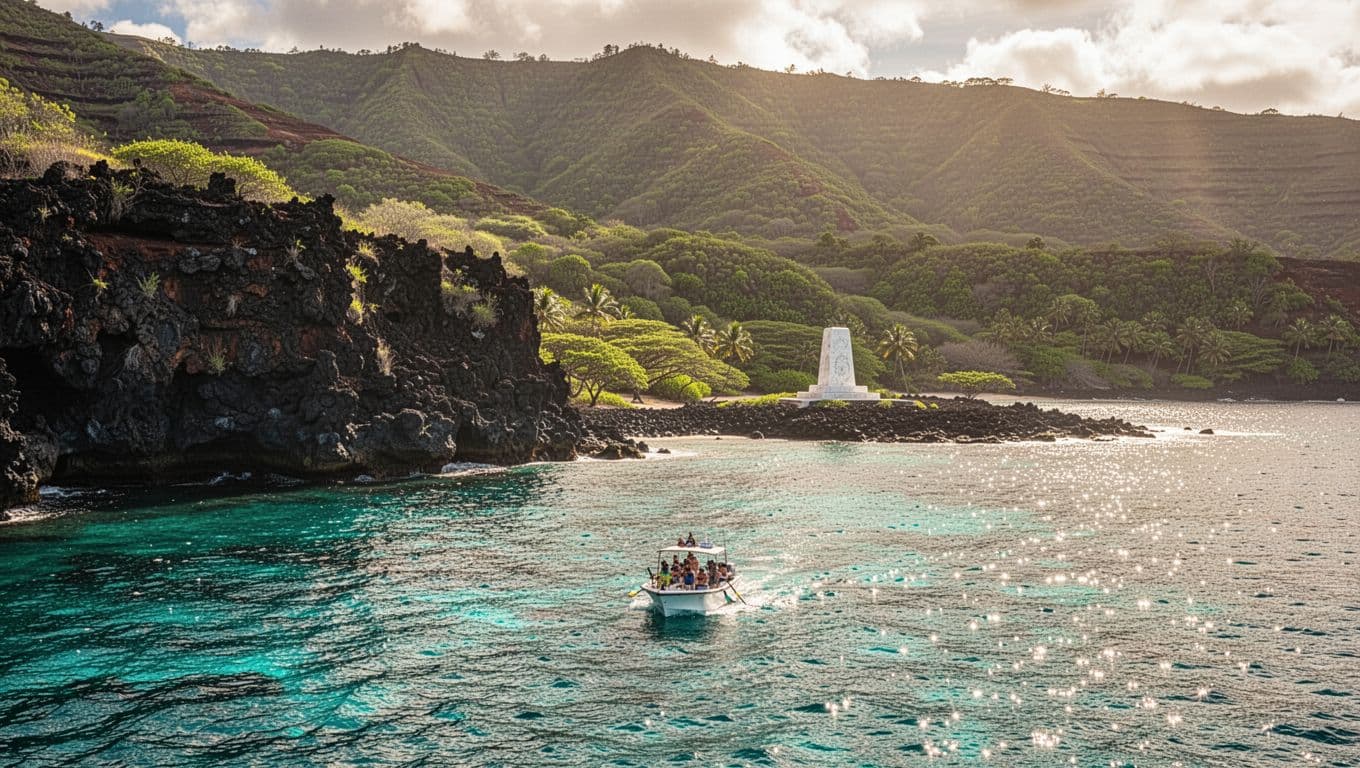
You may see the monument from the water during a boat tour. However, seeing it from a boat doesn’t mean you can land there. Access to Kaawaloa Flats and the monument requires a hike from the uplands or a permitted guided kayak tour.
That distinction matters when you plan your day. Kealakekua Bay is an active recreation area, but it is also a protected historic site.
What Kealakekua Bay snorkeling rules protect
The word “sanctuary” can make the bay sound closed to visitors. It isn’t. Swimming and snorkeling are allowed, but the conservation rules control how you interact with the area.
No taking, feeding, or damaging
Inside the MLCD, you can’t fish for, take, injure, possess, or remove marine life unless a specific exception applies. You also can’t feed fish. Feeding can change animal behavior and cause wildlife to gather around people instead of following natural feeding patterns.
You must leave coral, rocks, shells, sand, and other geological features where they are. Picking up a shell or taking a piece of coral may seem harmless, but thousands of visitors can create serious damage over time.
Hawaii’s fishing regulations describe the district’s restrictions in detail. You don’t need to memorize every fishing provision as a snorkeler, but you should understand the central rule: observe the bay without removing anything from it.
The rules vary by subzone
A line from Cook Point to the north end of Napoopoo Beach divides the MLCD into Subzone A and Subzone B. Anchoring is prohibited in Subzone A. In Subzone B, an anchor may only be placed on sand or in a way that avoids coral damage.
Fishing rules also differ between the two areas. Certain hook-and-line and throw-net fishing activities are allowed in Subzone B under state rules, while Subzone A has stronger restrictions. Those fishing exceptions don’t change your responsibilities as a snorkeler.
The boundary system protects different habitats while allowing limited activities in designated areas. If you arrive by boat, ask your operator which subzone you’re visiting and how the vessel avoids anchoring on reef.
How sanctuary rules shape your time in the water
Marine protection changes the visitor experience in practical ways. You can still expect variation in visibility, waves, wind, and wildlife, but you enter a place where human activity has clear limits.
Watch wildlife without changing its behavior
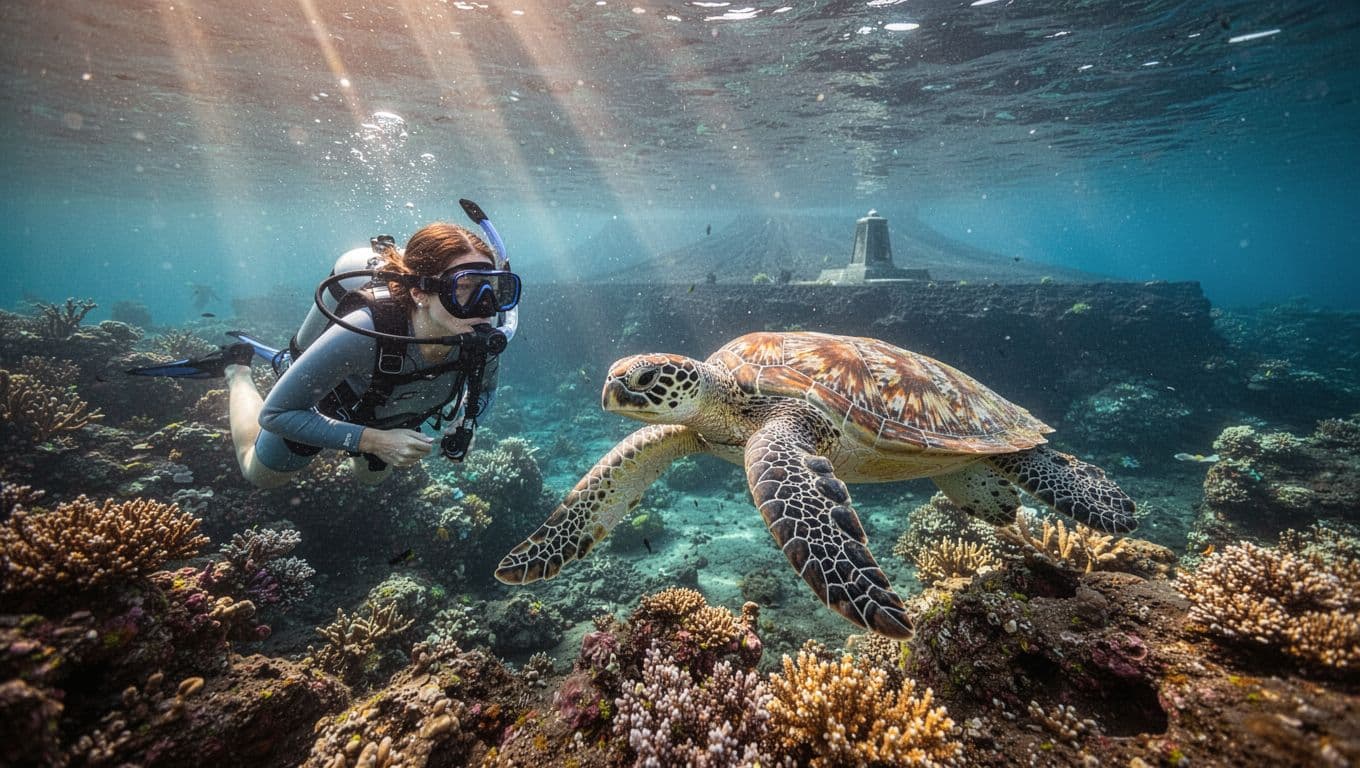
Keep a respectful distance from turtles, fish, dolphins, and other animals. Don’t chase them, block their path, or swim after a turtle for a closer photograph. If an animal changes direction because you approach, you’ve moved too close.
Spinner dolphins also receive special protection in the bay. Avoid pursuing, surrounding, or attempting to touch marine mammals. Let wildlife decide whether it wants to pass near you.
A good encounter may last only a few seconds. That is enough. Your job is to remain calm, keep your hands to yourself, and allow the animal to continue its normal routine.
The best wildlife view is the one that doesn’t require the animal to change direction.
Keep your body and gear off the reef
Coral can look solid, but many reef organisms are fragile. Fins, knees, hands, and dangling equipment can break coral or scrape living growth from volcanic rock.
Before entering, adjust your mask, snorkel, and fins on the boat or shoreline. Once you’re in the water, maintain enough distance from the bottom to avoid accidental contact. If you need to rest, use a flotation aid rather than standing on coral.
The Hawaii reef care guide offers additional low-impact advice for visitors. Those habits also make your swim more comfortable because you avoid stirring sediment into the water.
Where you can enter Kealakekua Bay
Your access choice affects the kind of day you have. The eastern shoreline offers the only drive-up access, while the Captain Cook Monument area requires a hike or permitted water access.
Napoopoo Beach is the drive-up access
Napoopoo Beach, also called Napoopoo Landing, is the only part of the bay you can reach by car. From Kailua-Kona, you generally drive south on Highway 11, turn toward Napoopoo, and continue several miles to the shoreline.
Kealakekua Bay State Historical Park is open daily from 7:00 a.m. to 8:00 p.m., with no entrance fee listed by the state. However, free entry doesn’t mean the shoreline has full visitor services.
No lifeguards are on duty at Napoopoo Beach. The park also posts warnings about shore break and strong currents. Check the water before entering, and don’t assume that calm conditions at your hotel will match the bay.
If you want to snorkel Big Island waters from shore, choose this area only when you feel comfortable in an unpatrolled ocean setting. Strong swimming ability doesn’t eliminate the need to watch conditions.
Kaawaloa and the monument require planning
The Captain Cook Monument and Kaawaloa Flats sit across the bay from Napoopoo Beach. You can’t drive directly to the monument. You can hike the historic Kaawaloa Trail or join a permitted guided kayak tour.
Vessels also need state permission before transiting Kealakekua Bay. Permitted vessels can’t land at Kaawaloa Flats or launch from Napoopoo Wharf. These restrictions protect both the historic site and the shoreline.
A boat tour can give you a clear view of the monument and reach snorkeling areas that aren’t practical from shore. Before booking, confirm that the operator follows current state access and vessel requirements.
Choosing a guided Kealakekua Bay snorkeling trip from Kona
A guided trip can make the bay easier to enjoy, especially if you’re unfamiliar with local water conditions. It can also reduce the chance that you accidentally cross a boundary or damage the reef.
What Kona Snorkel Trips offers
Kona Snorkel Trips is built around a “Reef to Rays” philosophy. The company focuses on small-group service, guest safety, marine education, and responsible access to Hawaii’s coastal ecosystems.
Its guides are lifeguard certified and help guests use their equipment, understand the day’s conditions, and stay aware of the reef below. The operation provides snorkeling gear and keeps the experience more personal than a crowded, impersonal boat outing.
You can compare Big Island snorkeling tours or review the Captain Cook snorkeling tour in Kealakekua Bay before choosing an itinerary. For a group that wants more control over timing and stops, a private Kona snorkeling charter may be a better fit.
The company also makes reef-safe behavior part of the guest experience. That includes keeping equipment off coral, respecting wildlife space, and treating the bay as a protected ecosystem rather than a backdrop for a quick swim.
What a responsible tour should explain
A quality guide should explain where you’ll swim, how the boat avoids coral, and what to do around wildlife. You should also receive a clear safety briefing before entering the water.
Ask whether the trip visits Kealakekua Bay directly, how long you spend snorkeling, and what happens if wind or ocean conditions make the planned stop unsafe. A responsible operator won’t promise perfect visibility or guaranteed wildlife encounters.
The guide’s job is more than pointing out fish. You should leave knowing why the bay has special rules and how your actions affect the reef.
For Captain Cook and Kealakekua Bay tour details, you can check avaialbility before your travel dates.
Shore snorkeling or a boat tour?
Both approaches can work, but they suit different travelers. Your comfort in the ocean, mobility, schedule, and group size should guide the choice.
Shore access works for prepared swimmers
Napoopoo Beach lets you reach the bay without booking a vessel. That option may appeal to experienced swimmers who bring their own equipment and understand how to assess ocean conditions.
However, shore access has limits. You won’t have a lifeguard, and you may need to carry your gear over uneven ground. The shoreline can also make entry and exit difficult when waves increase.
Families with young children should assess the conditions carefully. A child who swims well in a pool may still need close supervision in open ocean water.
A boat can simplify the day
A guided boat trip gives you safety support, equipment, local knowledge, and a direct route to the snorkeling area. You also avoid trying to find the best entry point from shore.
Small-group trips can feel more relaxed because the guide can respond to your experience level. If someone in your group wants to remain on the boat, they can often enjoy the coastline without entering the water.
When you search for “snorkeling Big Island”, Kealakekua Bay may appear beside several beach options. The main difference is that a guided trip gives you context about the sanctuary while helping you experience it with less guesswork.
What to pack for a sanctuary visit
Your packing list should support comfort, sun protection, and low-impact behavior. Keep it simple, since loose items can fall into the water or become difficult to manage on a boat.
Protect your skin and the reef
Bring a rash guard, hat, sunglasses with a strap, and reef-conscious sunscreen. Apply sunscreen before you arrive so it has time to absorb, and follow your guide’s instructions about products and reapplication.
A reusable water bottle helps reduce single-use plastic. Pack a towel, dry change of clothes, and a small waterproof bag for personal items.
Don’t bring collecting bags, fishing equipment, or anything that encourages you to remove natural objects. The best souvenir is a photograph that leaves the bay unchanged.
Prepare for the water
If you’re booking a tour, confirm what the operator supplies. Most guided snorkeling trips provide masks, snorkels, fins, and flotation equipment, but fit can vary.
Tell your guide if you feel nervous, tire easily, or haven’t snorkeled before. You can practice breathing through the snorkel before entering deeper water. Staying relaxed conserves energy and helps you notice wildlife without kicking hard.
Avoid alcohol before swimming. Eat a light meal, drink water, and leave enough time to reach the departure point without rushing.
When to go and how to read conditions
Kealakekua Bay can offer excellent visibility, but no tour or beach visit can guarantee the same conditions every day. Wind, swell, rainfall, and currents affect the water.
Time of day matters, but conditions win
Morning departures often appeal to snorkelers because winds may be lighter earlier in the day. Still, a calm morning isn’t guaranteed, and your guide should make the final call based on current conditions.
Look at the water before entering from shore. Watch for shore break, strong movement, poor visibility, and swimmers struggling to return to land. If conditions exceed your ability, wait or choose another activity.
A beautiful reef isn’t worth taking an unnecessary risk. The ocean will still be there on a safer day.
Choose flexibility over promises
Ask about weather policies before you book. A responsible company should explain whether it reschedules, changes locations, or refunds a trip when conditions prevent safe snorkeling.
You should also consider your group’s timing. Families may prefer a shorter morning trip, while couples or experienced swimmers may want more time on the water. Private charters can offer more flexibility, but they may come at a higher cost.
The right choice is the one that matches your abilities and keeps the sanctuary protected.
A low-impact plan for your Kealakekua Bay visit
Use this simple approach when planning your day:
- Check the park’s current hours, access conditions, and ocean forecast before leaving Kailua-Kona.
- Decide whether your group is prepared for unpatrolled shore access or would be more comfortable with a guided boat trip.
- Listen to the safety briefing and ask questions before entering the water.
- Keep your hands, fins, and equipment away from coral, sand, rocks, and wildlife.
- Leave every natural object in place, carry out your trash, and report unsafe conditions to your guide or park staff.
These steps protect you as well as the bay. They also help you spend more time observing instead of managing avoidable problems.
Why the sanctuary rules improve the experience
Kealakekua Bay’s conservation status doesn’t guarantee perfect water or constant wildlife activity. It does give the area a clear management framework that limits extraction and damage.
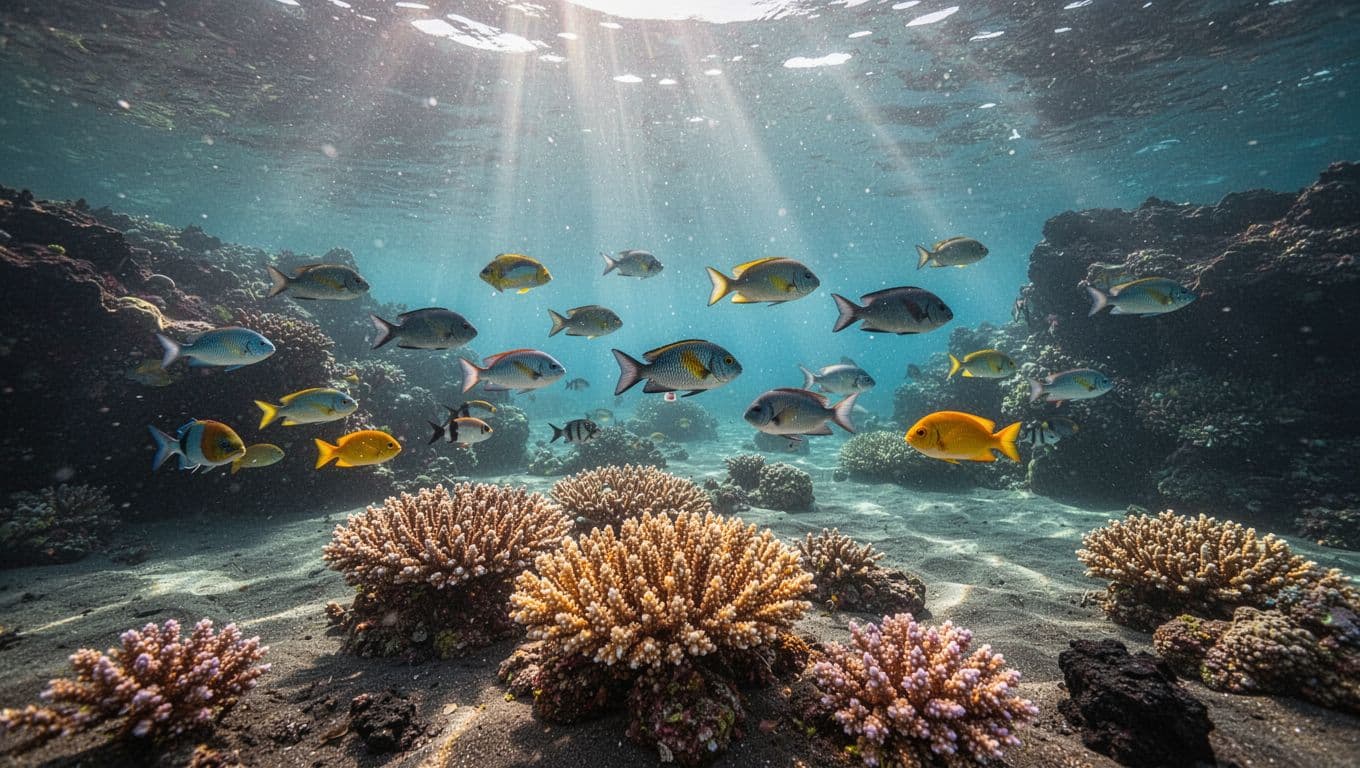
You may see schools of fish moving through coral habitat, but the animals remain wild. Their behavior can change with weather, water temperature, boat traffic, and the number of swimmers nearby. Respectful observation gives you the best chance of seeing natural behavior.
A protected reef also creates a stronger sense of place. You aren’t visiting an ordinary swimming hole. You’re entering a site where the coastline, history, marine life, and community all carry meaning.
That perspective can change the way you snorkel. Instead of asking what you can take from the experience, you start paying attention to how lightly you can move through it.
Conclusion
Kealakekua Bay snorkeling is available to visitors, but Marine Life Conservation District status sets firm boundaries. You can’t feed fish, remove marine life, collect coral or rocks, damage the reef, or treat wildlife as a photo prop.
You can still enjoy clear water, volcanic scenery, reef fish, and views of the Captain Cook Monument. Choose access that matches your swimming ability, listen to local guidance, and leave the bay exactly as you found it. Responsible snorkeling protects the experience for your group and for the travelers who come after you.