
Why Fish Feeding Harms Kealakekua Bay Snorkeling Sites
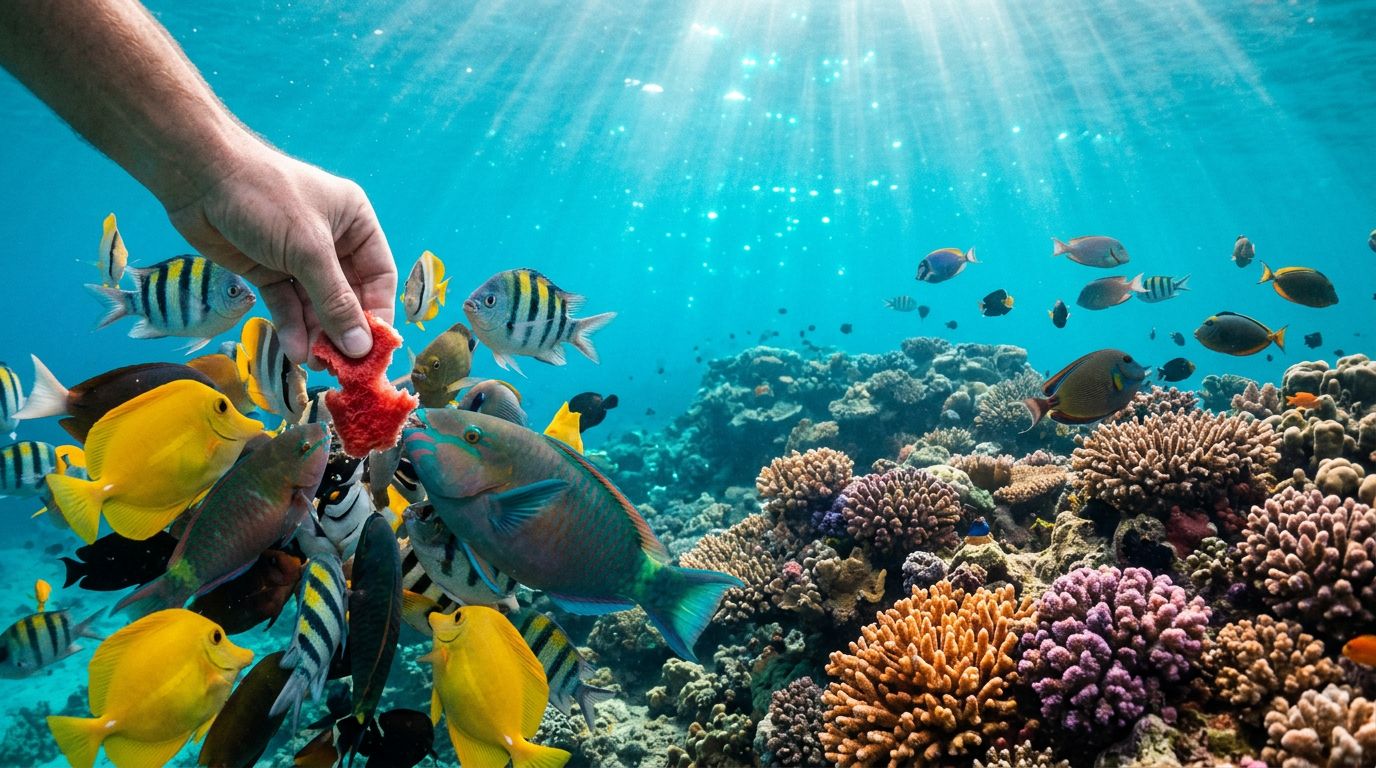
A single handful of food can change how reef fish behave around an entire snorkeling area. That matters because Kealakekua Bay snorkeling depends on native fish following natural feeding patterns, not gathering around human hands.
If you’re planning a snorkeling Big Island Hawaii vacation, you may be excited to see colorful fish at close range. Kona Snorkel Trips and Captain Cook Snorkeling Tours both offer ways to visit the Captain Cook area, but every visitor shares the same responsibility: watch marine life without changing it.
Kealakekua Bay is a protected marine area with clear rules. Once you understand why fish feeding causes problems, the right behavior becomes easy to follow.
Why Kealakekua Bay snorkeling depends on natural fish behavior
Kealakekua Bay is more than a scenic place to swim. It is a Marine Life Conservation District, which means the reef receives special protection from activities that can harm marine life and habitat.
A protected bay with clear rules
The Hawaii Division of Aquatic Resources lists fish feeding as prohibited at Kealakekua Bay. The rule covers both feeding and attempting to feed fish, so dropping food into the water is not allowed even if no fish appear.
The same Kealakekua Bay MLCD guidance prohibits taking or injuring marine life, including eggs. It also protects coral, sand, and other geological features from being taken or altered.
The bay has two management areas. Subzone A covers the northern section, while Subzone B lies south of a line running between Cook Point and the north end of Napoopoo Beach. Limited fishing is allowed in Subzone B under specific methods, but the fish-feeding ban applies throughout the bay.
These rules protect more than individual fish. They protect the relationships between fish, coral, algae, invertebrates, and the wider reef.
Feeding changes the visitor’s baseline
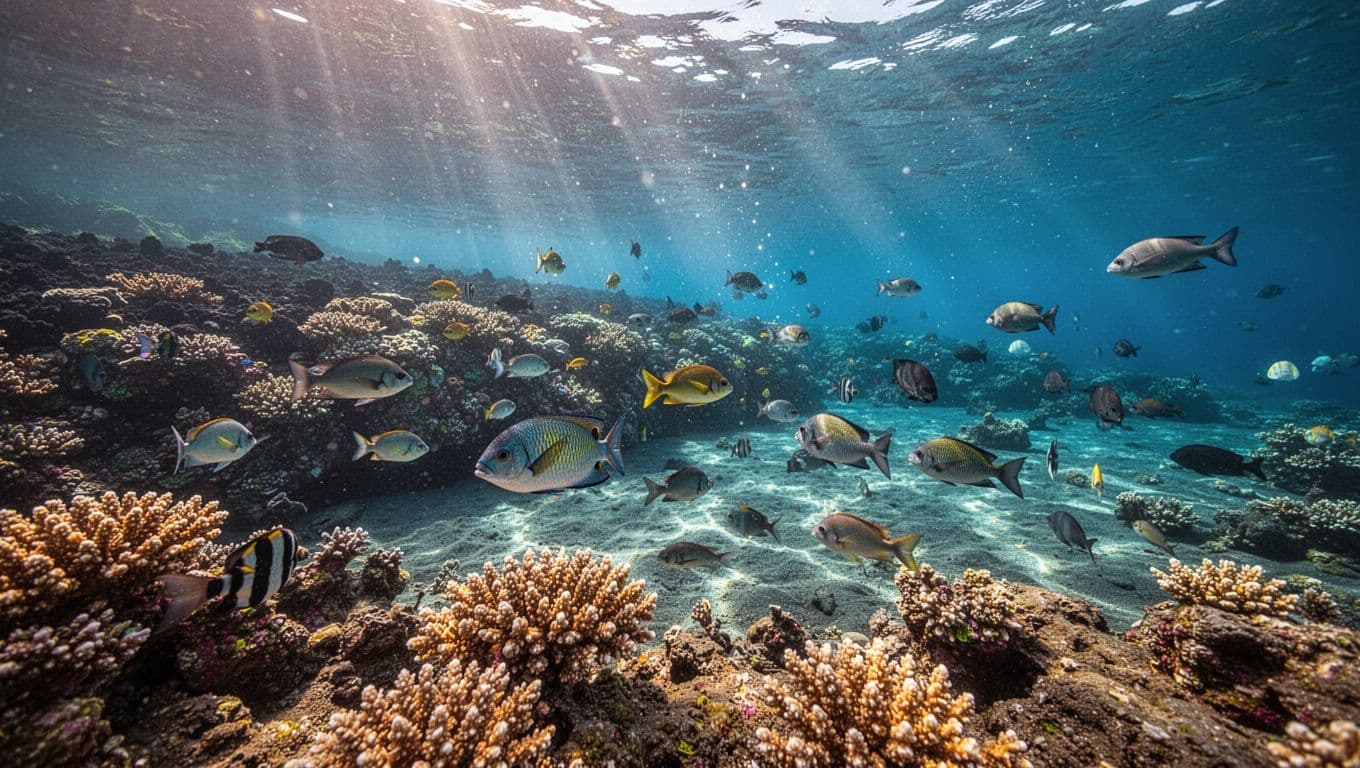
Fish in a healthy reef are busy with their normal routines. Some graze on algae. Others search for small invertebrates, pick food from rock, or patrol a territory.
When visitors provide food, fish may begin to associate swimmers, boats, or certain locations with an easy meal. That can draw them away from their normal habitat and concentrate them around popular entry points.
You may see more fish in one spot after repeated feeding, but a larger crowd doesn’t automatically mean a healthier reef. It may show that animals have learned to gather where people enter the water.
A crowded fish scene can be a sign of altered behavior, not proof that the reef is thriving.
What fish feeding changes below the surface
Fish feeding affects more than the moment when an animal takes food. Repeated feeding can influence movement, competition, diet, and the way animals interact with their habitat.
Artificial gatherings disrupt reef roles
Reef fish occupy different areas because each species has a particular role. Herbivores control algae. Predators keep smaller populations in balance. Territorial fish defend feeding areas and shelter.
Artificial food can pull several species into the same space. This may increase competition and aggressive behavior, especially when the food supply is unpredictable.
Fish may also spend less time grazing, hunting, or searching for natural food. That shift matters because the reef depends on those daily behaviors. A fish that stops grazing algae is no longer performing the same ecological job in the same place.
Research on reef herbivores shows how fish behavior can affect coral growth and recruitment. Territorial damselfish, for example, defend algal farms that can reduce coral settlement in their territories. The global assessment of coral reef herbivorous fishes explains how these interactions shape reef communities.
Human food is not part of a Hawaiian reef diet
Bread, crackers, chips, and other visitor snacks don’t belong in seawater. Even food that seems harmless can have the wrong nutritional balance, texture, or size for a wild fish.
Fish may swallow food too quickly, compete for pieces, or consume more than they would naturally find. A repeated supply can also favor bolder individuals that approach people instead of avoiding them.
That creates a selection effect. Fish willing to approach swimmers may become more common around busy sites, while cautious animals remain farther away. Over time, visitors may see a reef population that behaves differently from one living without human food.
The effect won’t look dramatic after one person drops a small amount. However, popular snorkeling sites receive repeated visits every day. Small disturbances can become a regular pressure when many people repeat them.
Why a single feeding event can affect more than one fish
You may assume that feeding ends as soon as the food disappears. Underwater, the effects can continue through behavior and contact between animals.
Fish can learn to approach people
Wild fish normally treat large animals as potential threats or ignore them. Food can change that response. Fish that repeatedly receive handouts may swim toward fins, masks, or hands.
That behavior creates several problems. Fish may crowd swimmers, nip at fingers, or follow people away from the reef. Visitors may react with sudden movements, which can lead to accidental contact with coral or another swimmer.
Feeding also changes what future visitors expect. Someone who sees fish gathering may assume that feeding is normal or encouraged. The behavior then spreads between groups, even when no guide or park sign supports it.
You can prevent that cycle by refusing to feed fish and by explaining the rule to children before entering the water.
Close contact raises ecological and safety concerns
Fish that gather around food may compete aggressively. Larger individuals can chase smaller ones, while fast-moving groups can create confusion for snorkelers near the surface.
Food also puts hands close to fish mouths. Most reef fish avoid people, but a fish expecting food may bite or scrape skin. The risk is avoidable because wild animals don’t need to take food from you.
Human movement creates another concern. When visitors focus on fish rushing toward them, they may stop watching their fins, flotation devices, or the coral beneath them.
That combination increases the chance of accidental contact. A frightened fish can dart across a group, while a distracted swimmer can kick the reef or bump another person.
Coral health, disease, and what the science can prove
Fish feeding is often discussed as though it causes one predictable chain of damage. Reef ecology is more complicated than that, so you should separate documented risks from claims that lack site-specific evidence.
Coral disease has several causes
Coral disease depends on interactions between pathogens, hosts, water conditions, physical damage, temperature, and animal behavior. Fish feeding at Kealakekua Bay has not been proven to cause a particular disease outbreak.
Still, feeding can alter the conditions that shape disease dynamics. It can concentrate fish, increase contact among animals, and change feeding pressure on coral and algae.
A study on coral predators found that feeding wounds can expose coral tissue and create opportunities for infection. The research on predators in coral disease dynamics shows why animal feeding behavior matters when scientists study reef health.
Fish behavior can influence pathogen movement
Some fish feed directly on coral or create wounds while feeding. Research on corallivores as vectors of coral disease found that deeper feeding scars can increase the chance of moving disease between corals.
That doesn’t mean every fish at Kealakekua Bay carries disease or that every feeding event harms coral in the same way. It means changing animal behavior can create pathways that don’t exist at the same level under natural conditions.
The safest approach is simple. Let fish choose what to eat, where to feed, and how close to come to people.
Natural grazing can also benefit reefs by limiting algae. Removing fish from those normal roles, even for short periods, can change the balance between coral and algae. Feeding therefore adds a human-controlled variable to a system that already has many moving parts.
The other behaviors that put Kealakekua Bay at risk
Fish feeding gets attention because it’s easy to see. However, the same conservation rules address several other actions that can damage a snorkeling site.
Don’t touch coral, rocks, or marine life
Coral may look like rock, but living tissue covers its surface. A hand, knee, or fin can break fragile branches or scrape a slow-growing colony.
Touching fish can remove protective mucus and cause stress. Picking up shells, rocks, or pieces of coral also changes habitat for small animals.
Keep your body horizontal, maintain enough distance from the bottom, and use your mask to observe rather than your hands to point or steady yourself. If you need to rest, use a flotation aid or ask your guide where you can safely pause.
Keep boats and anchors away from the reef
The DLNR rules also prohibit operating, anchoring, or mooring a vessel in a way that injures marine life or geological features in the bay. Anchors can break coral, while propellers and hulls can damage shallow habitat.
Good operators select entry points carefully and give the reef plenty of space. You should also follow instructions about where to enter, where to swim, and when to return to the boat.
Those instructions protect you as well as the reef. Kealakekua Bay can have currents, changing visibility, and boat traffic. A guide’s position and timing help keep the group together.
How to snorkel Big Island reefs without feeding fish
You don’t need to attract fish to have a close encounter. The best wildlife observations often happen when you stay calm and allow animals to set the distance.
Watch fish where they naturally feed
Look for grazing marks on rock, fish moving between coral heads, or small species searching along the bottom. These details show you how the reef functions without human interference.
Move slowly and avoid chasing animals into crevices. If a fish swims away, let it go. When you stay still, another animal may appear nearby because your body is no longer moving through its space.
Children can follow the same rule. Give them a simple instruction before the tour: keep food on the boat, keep hands to yourself, and watch where your fins move.
Control your fins and keep your distance
Good buoyancy protects coral. Keep your fins above the bottom, avoid standing on rocks, and leave room between your body and the reef.
If you feel tired, tell your guide before you drift into shallow water. A short rest in open water is safer than grabbing coral or placing your feet on the bottom.
You should also keep clear of other snorkelers. A relaxed group creates less noise, fewer sudden movements, and less accidental contact.
Follow a guide who protects the experience
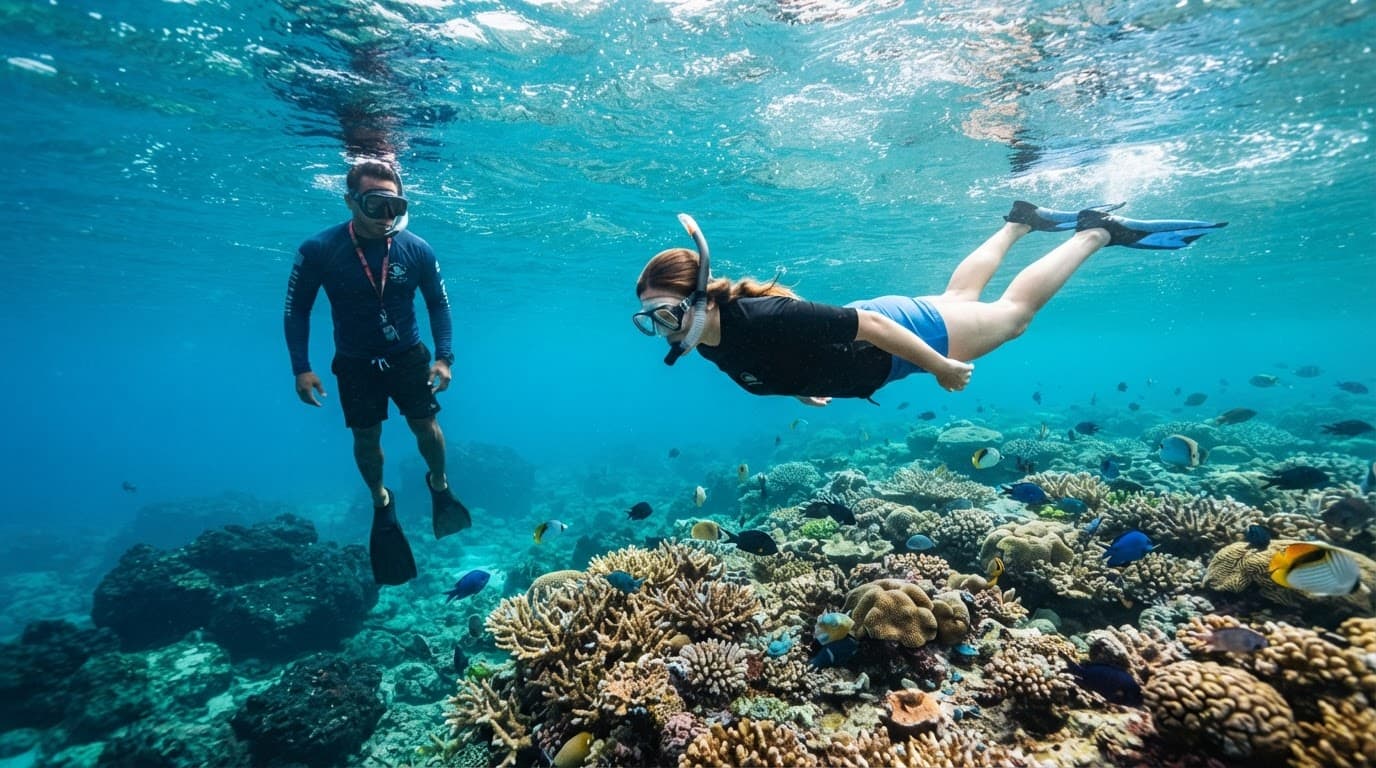
A responsible guide explains the fish-feeding rule before anyone enters the water. The guide should also correct unsafe behavior without turning the outing into a lecture.
Kona Snorkel Trips follows a “Reef to Rays” philosophy built around small-group service, reef education, and responsible wildlife viewing. Its Lifeguard Certified guides provide high-quality snorkeling equipment and help guests manage spacing, fins, and water conditions.
When you choose a guided trip, ask how the crew handles fish feeding, touching, reef contact, and changing conditions. The answer tells you more about an operator’s priorities than a dramatic tour description.
How to choose a responsible Kealakekua Bay snorkeling tour
A good tour makes reef-safe behavior easy. Before booking, look for clear guidance, suitable equipment, and a crew that treats the marine area as more than a backdrop.
Questions to ask before booking
Ask whether the operator prohibits fish feeding and touching marine life. Also ask how guides manage reef contact when guests become tired or conditions change.
You can ask about group size, guide qualifications, flotation equipment, and the planned route. A smaller group may give the crew more time to watch swimmers and explain what you’re seeing.
Check whether the tour includes a safety briefing and whether the company adjusts its plans for wind, waves, or visibility. A fixed itinerary should never matter more than safe conditions and reef protection.
Kona Snorkel Trips offers Big Island snorkeling tours with guided reef experiences, private options, and seasonal ocean trips. Its approach fits travelers who want personal attention without treating marine life as an attraction to control.
Choose the right type of ocean outing
The Captain Cook snorkeling tour focuses on the protected waters near the historic monument, where guides can combine reef viewing with local history and safety instruction.
For families or couples who want more control over timing and spacing, private Kona boat charters can provide a customized outing. You can discuss your group’s swimming ability and request a pace that reduces pressure on the reef.
A Kona manta ray snorkeling tour or seasonal Kona whale watching tour offers another way to enjoy marine life without feeding fish at Kealakekua Bay. Each setting has its own rules, so listen to the guide before entering the water.
A simple plan for a better visit
The most responsible visit starts before you reach the water. A few clear choices can protect the reef and improve your own experience.
Set expectations before you arrive
Tell everyone in your group that fish feeding is prohibited. Explain that fish should approach only if they choose to, and that nobody should touch animals, coral, or rocks.
Pack water, reef-safe gear, and anything you need to feel comfortable on the boat. If you use flotation equipment, make sure you understand how to adjust it before entering the water.
During your briefing, listen for information about currents, entry points, boat lanes, and the planned return time. Those details help you stay aware instead of focusing only on the fish.
Speak up when you need help
Tell your guide if you feel tired, anxious, cold, or unsure about your position. Guides can help you move to a safer area before fatigue leads to reef contact.
If another guest starts feeding fish, alert the guide rather than confronting the person in the water. A calm correction protects the group and gives the crew a chance to handle the situation.
When you snorkel Big Island waters, your behavior travels with you. Carry the same habits to every bay, reef, and marine life conservation area you visit.
Book a Captain Cook trip with reef protection in mind
A guided Kealakekua Bay trip should give you time to observe fish naturally, learn about the area, and enjoy clear water without creating extra pressure on the habitat. If you decide to visit the Captain Cook Monument with Kona Snorkel Trips, you can check avaialbility before your trip.
What your choice means for snorkeling Big Island sites
Kealakekua Bay doesn’t need visitors to manufacture a wildlife encounter. Its value comes from seeing fish, coral, and clear water operate on their own terms.
Natural behavior creates a better experience
A fish that approaches because it chooses to is more interesting than one that follows food. You can watch it graze, shelter, patrol, or move through the reef without wondering whether a visitor caused the behavior.
Natural encounters also give children a clearer lesson about wildlife. Animals aren’t props waiting for a handout. They are part of a living system with their own needs and boundaries.
That lesson stays useful beyond this bay. The same habits protect reefs when you snorkel at other Big Island sites, Hawaii beaches, or marine sanctuaries in future travels.
Small actions add up across busy seasons
One visitor choosing not to feed fish may seem insignificant. Hundreds of visitors making that choice create a different experience for the reef.
The same applies to fin control, boat spacing, and leaving coral untouched. Every choice reduces unnecessary contact and lets guides spend more time helping guests observe safely.
Responsible snorkeling Big Island practices don’t require special equipment or advanced swimming skills. They require attention, patience, and respect for the rules already protecting the bay.
Protecting the reef starts with what you leave behind
Fish feeding harms Kealakekua Bay because it changes natural behavior, concentrates animals around people, and can add pressure to already complex reef relationships. The local rule is clear, and reef science supports a cautious approach even when researchers cannot connect every feeding event to one specific outcome.
When you visit, keep food out of the water, avoid contact with coral and wildlife, control your fins, and follow your guide’s instructions. The best Kealakekua Bay snorkeling encounter is one where the fish continue their normal lives after you swim away.