
How Coral Polyps Feed During Kealakekua Bay Snorkeling
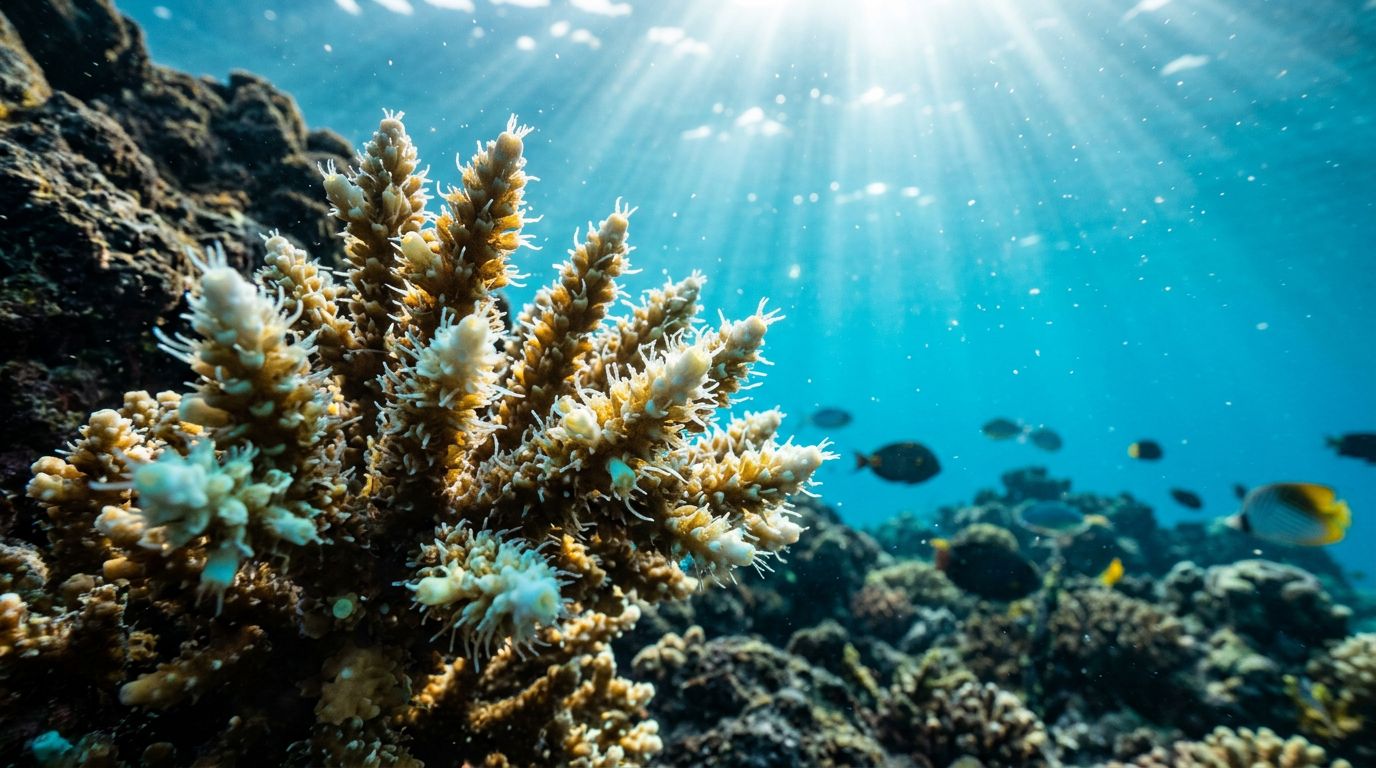
Coral reefs feed in plain sight, but most of their work happens at a scale smaller than your mask can reveal. During Kealakekua Bay snorkeling, sunlight powers living coral colonies while tiny polyps capture drifting food with stinging tentacles.
The reef is not a field of colorful rocks. Each coral formation contains thousands of small animals working together. Once you understand how those animals eat, the textures and colors below you become easier to read.
The reef neighborhood behind Kealakekua Bay snorkeling
Kealakekua Bay sits along the western coast of Hawaii Island, where clear water gives you excellent views of submerged lava, coral growth, and tropical fish. The bay’s marine environment includes hard corals that build calcium carbonate skeletons over time.
Those skeletons create surfaces where new polyps can settle and grow. A large coral head may look like one organism, but it is a colony made of many connected animals. Every polyp has its own mouth and digestive space, while the colony shares living tissue across the skeleton.
Light is one of the most important resources in this habitat. Reef-building corals host microscopic algae inside their tissues, so shallow, clear water supports the partnership. Water movement also helps bring oxygen and food particles across the reef.
When you plan a guided visit, Kona Snorkel Trips offers small-group trips led by Lifeguard Certified guides. The crew provides quality snorkeling equipment, safety support, and explanations about reef life and responsible ocean behavior. You can compare available Big Island snorkeling tours before choosing the type of outing that fits your group.
If you want a Captain Cook-focused itinerary, Captain Cook Snorkeling Tours also specializes in visits to this part of the coast. The company name refers to the Captain Cook Monument at the bay, while the coral habitat extends well beyond one landmark.
What a coral polyp is and how it eats
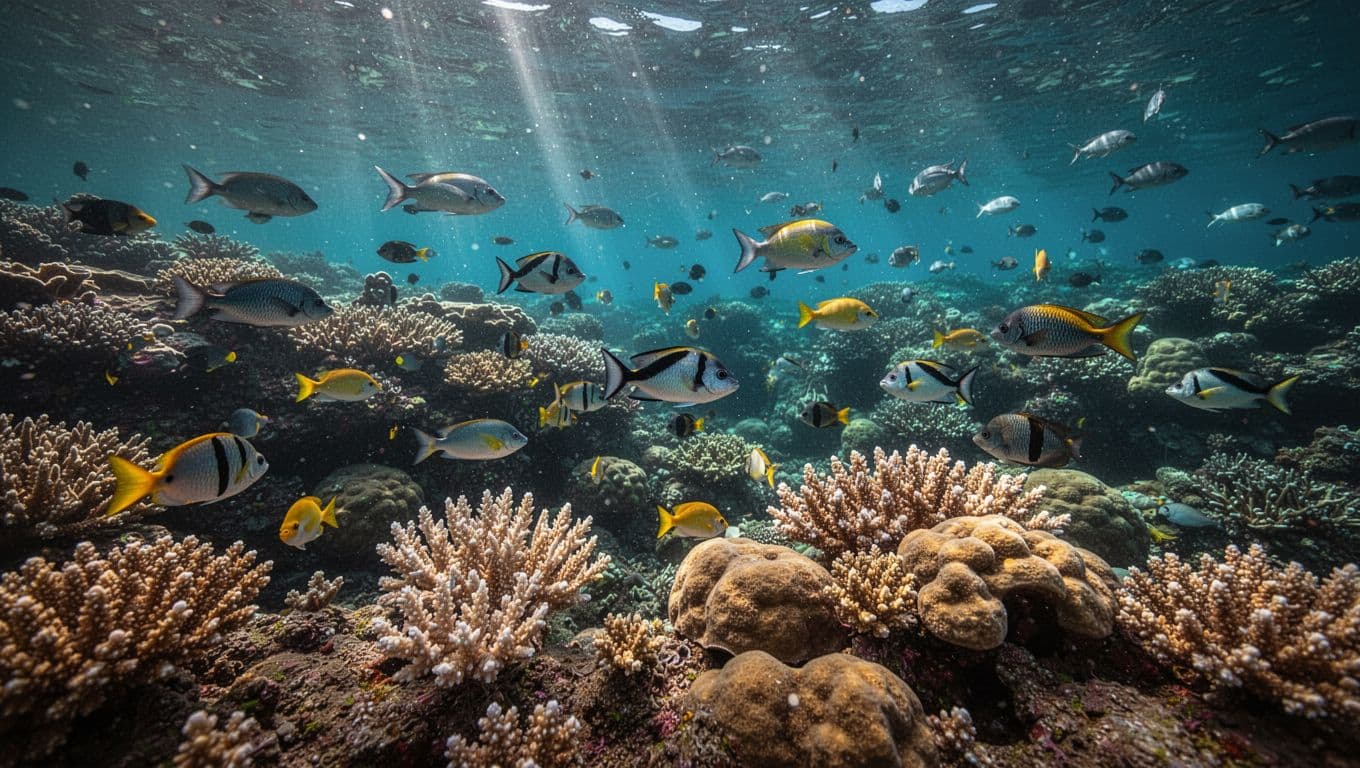
A coral polyp is a small animal related to sea anemones. It has a soft body, a central mouth, and tentacles arranged around that mouth. The animal lives in a cup-like space within the shared coral structure.
The polyp doesn’t chew. Instead, it catches tiny particles, moves them into its mouth, and digests them inside a simple internal cavity. The same opening handles both taking in food and releasing waste.
The tentacles contain specialized cells called cnidocytes. Inside those cells are nematocysts, microscopic capsules that can fire thread-like structures. These help immobilize small prey and particles that touch the tentacles.
You can find a useful explanation of this process in the Living Oceans Foundation’s coral feeding course. A ScienceDirect overview of coral polyps also describes how tentacles capture plankton and how coral receives organic material through its algal partnership.
After a polyp catches food, mucus helps hold the particle in place. Tiny cilia move the material toward the mouth. Digestion then takes place inside the gastrovascular cavity, where enzymes break down the meal.
The polyp can also release mucus across its surface. That mucus catches fine organic material in the surrounding water. Cilia then move useful particles toward the mouth or along the colony’s surface.
A coral colony therefore uses two food systems. Its polyps capture animal and organic particles, while their algal partners produce energy with sunlight.
How coral gets energy during the day
Most reef-building corals in clear tropical water depend heavily on symbiotic algae. You may know these algae by the older common term zooxanthellae. Scientists now place many of them within the family Symbiodiniaceae.
The algae live inside coral tissue and use sunlight for photosynthesis. In that process, they make organic compounds that help feed the coral. The coral provides shelter, carbon dioxide, and access to nutrients. In return, the algae transfer much of the energy they produce to the host.
The relationship explains why shallow water matters during Kealakekua Bay snorkeling. Sunlight reaches the reef, passes through the water, and reaches the algae inside the polyp. Clear water gives that light a better path.
Coral still needs more than sunlight. The algae provide energy, but polyps also gain nitrogen, phosphorus, amino acids, and other nutrients by capturing material in the water. Those nutrients help the colony build tissue, repair damage, and produce its limestone skeleton.
The coral’s color comes from both its algal partners and pigments within the animal’s tissue. Color alone doesn’t tell you exactly how much food a colony is receiving. Depth, species, light conditions, and stress can all affect appearance.
Sunlight powers much of a coral colony’s daily energy, but tentacles supply nutrients that photosynthesis cannot provide on its own.
During daylight, you may see the coral surface without seeing the algae or the chemical exchange between partners. That hidden process continues while fish pass over the reef and sunlight shifts across the bottom.
Some polyps may extend short tentacles during the day, especially in shaded areas or when food particles drift nearby. However, many reef corals keep their feeding structures less visible until evening.
The relationship can fail under prolonged stress. Excessive heat may cause corals to lose or expel much of their symbiotic algae, a process commonly called bleaching. Bleached coral is alive but under strain, because it has lost an important energy source.
For you as a snorkeler, this makes the reef’s clear water and living color more than a scenic backdrop. The conditions you see support a biological partnership inside every colony.
Why coral polyps extend their tentacles at night
Night brings a different feeding opportunity. Tiny animals and organic particles move through the water column after dark, and many coral species extend their tentacles to intercept them.
The timing varies by species and conditions. Some corals feed during both day and night. Others show more obvious tentacle extension after sunset, when their algal partners stop photosynthesizing and the polyps rely more on captured food.
A coral polyp’s tentacles function as both nets and sensors. When a small organism contacts a tentacle, nematocysts can fire and help hold it. The polyp then draws the captured material toward its mouth.
The prey may include zooplankton, small crustaceans, fish eggs, larvae, bacteria, and other organic particles. Size matters. A coral polyp cannot consume large fish, and it doesn’t hunt like a reef predator. Its feeding area is measured in tiny particles moving with the current.
Mucus adds another layer to the process. A sticky surface can trap particles that would otherwise drift past. Cilia move the mucus and its contents along the polyp’s body. Some material reaches the mouth, while other particles pass through the colony’s connected tissues.
The water around a coral colony also carries dissolved nutrients. Corals can absorb some compounds directly through their tissues, although the exact balance varies among species and environmental conditions.
You won’t usually see this full process during a standard daytime outing. The bright conditions that make the bay easy to explore also encourage many polyps to keep their tentacles retracted. A night snorkel is a different experience, but the famous Kona nighttime excursion focuses on manta rays rather than coral feeding.
The practical lesson is simple: coral feeding continues even when the reef looks still. A colony may appear motionless, yet its tissues are exchanging nutrients, processing food, and responding to water movement.
What you can actually see during Kealakekua Bay snorkeling
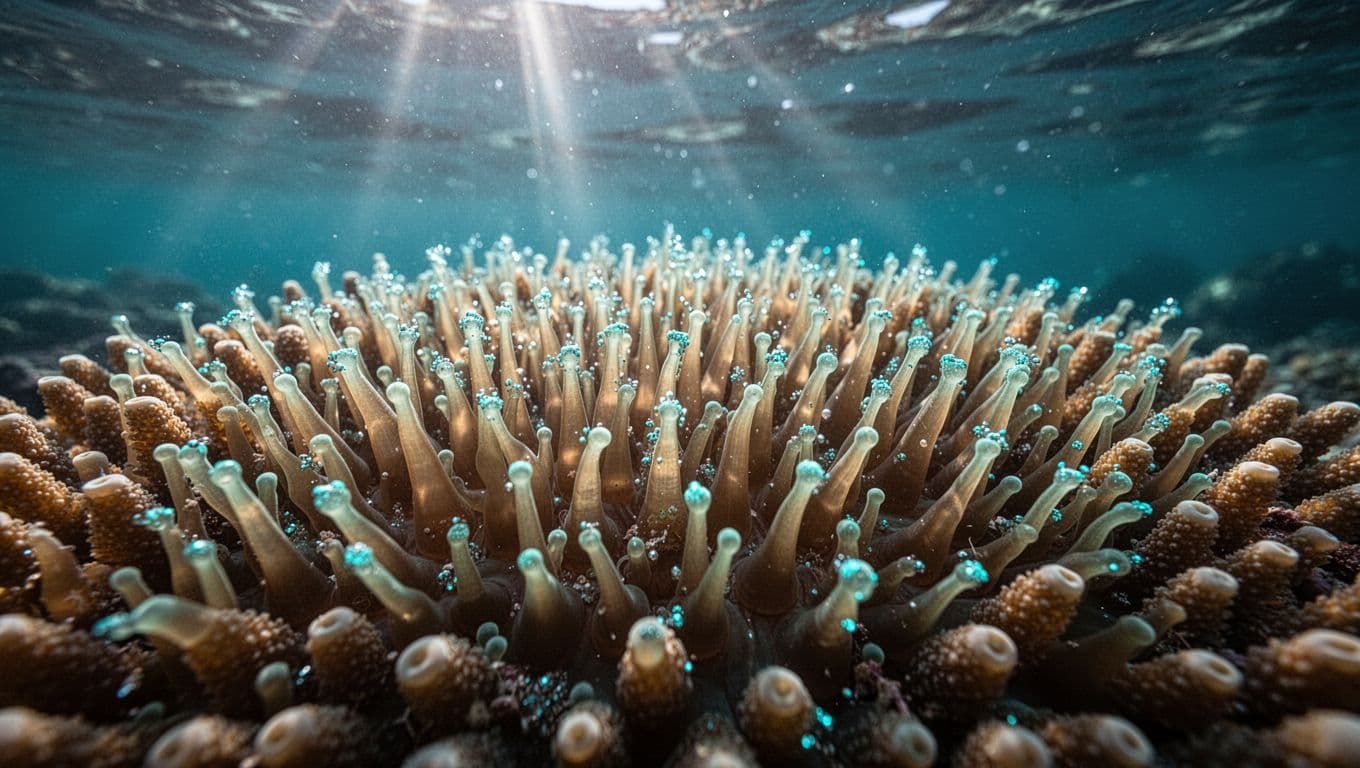
You may not see a polyp swallow plankton through your mask, but you can observe signs of the feeding habitat around it. Look closely at the surface of hard corals, especially where sunlight, current, and small fish meet.
The tiny bumps and ridges on a coral colony are not random decoration. They show the arrangement of individual polyps and the skeleton they build. In some corals, the structures look like small cups. In others, the polyps create valleys, branches, plates, or rounded mounds.
A close view can also reveal small openings, short tissue extensions, and a thin surface layer. Avoid putting your face or hands too close. Sudden contact can cause polyps to retract, and fins or hands can break fragile branches.
| Feeding route | What happens | What you may notice |
|---|---|---|
| Algal photosynthesis | Symbiotic algae make organic energy from sunlight | Coral color and living tissue |
| Tentacle capture | Polyps catch plankton and fine particles | Extended tentacles, usually more visible in low light |
| Mucus collection | Sticky mucus traps organic material | A smooth or glossy surface on some corals |
| Direct absorption | Coral tissue takes in dissolved compounds | No obvious visual sign |
The fish around the coral add another clue. Small reef fish may pick at algae growing on the skeleton or search for tiny animals among the branches. Their activity moves particles and changes the water immediately above the colony.
You may also see parrotfish or other grazers feeding on the reef surface. They are eating algae and organic growth, not coral polyps as their main target. Their grazing can help keep space open for coral settlement.
If you see a coral surface change after your shadow passes over it, give the colony time to respond. Polyps may retract because of reduced light, water movement, vibration, or nearby contact.
How water conditions shape coral feeding
Coral feeding depends on the meeting point between light, current, temperature, and water quality. A change in one factor can affect the whole colony.
Light supports the algae living inside coral tissue. Water movement brings plankton and oxygen across the surface. Moderate flow also carries waste away. If the water becomes stagnant, gas exchange and food delivery can suffer.
Strong surge creates a different problem. Waves and currents can damage delicate coral branches or make it difficult for polyps to keep food on their tentacles. Corals grow in forms that match their usual exposure, so one colony may handle movement better than another.
Sediment can interfere with both feeding and photosynthesis. Fine particles may settle over a coral surface and block light. Polyps can produce mucus and remove some debris, but heavy or repeated sediment can consume energy that the colony needs for growth.
Temperature also matters. Corals can tolerate a natural range, but prolonged heat places stress on the relationship with their algal partners. During a bleaching event, the coral loses much of the pigment and energy support associated with those algae.
Pollution and physical damage add pressure. Touching coral can remove living tissue. Standing on the reef can crush polyps and expose the skeleton to disease or algae. Feeding fish can also alter natural behavior and concentrate animals in places where they don’t normally gather.
When you’re planning a snorkeling Big Island Hawaii vacation, look for operators that explain these conditions rather than treating the reef as scenery. A good guide helps you maintain distance, choose safe entry points, and understand why the site deserves care.
You can support coral feeding simply by keeping your body and equipment off the bottom. Good buoyancy gives polyps room to extend and keeps sediment from clouding the water around them.
How to observe the reef without interrupting it
Your first goal is stable body position. Keep your fins behind you, use slow kicks, and avoid pushing off the bottom. If you need to rest, ask your guide for a safe location instead of grabbing coral or a rock covered with living growth.
Give animals space. Fish, turtles, and other wildlife may change direction when you chase them. Coral polyps respond to contact and vibration even when you cannot see the reaction.
Use a mask that fits well so you don’t need to adjust it every few seconds. Fewer adjustments mean fewer accidental touches. A properly fitted mask also lets you keep your face above the reef while you watch details below.
If you use sunscreen, apply it before entering the water and follow current Hawaii guidance. A rash guard, hat, and shade on the boat can reduce how much sunscreen you need. Never assume that a product labeled “reef safe” has no environmental effect.
You should also avoid collecting shells, rocks, or coral fragments. Empty shells may provide shelter for animals, and a loose-looking piece of coral can still contain living tissue.
A morning of snorkeling Big Island reefs gives you the best chance to watch feeding habitats under strong natural light. Move slowly, pause above one colony, and observe how water and fish interact with its surface.
If you want to snorkel Big Island waters with less guesswork, a small-group guide can help you choose a route based on weather, ocean conditions, and group ability. Families benefit from extra safety support, while experienced swimmers often appreciate better access to explanations about the reef.
Choosing a guided Kealakekua Bay reef trip
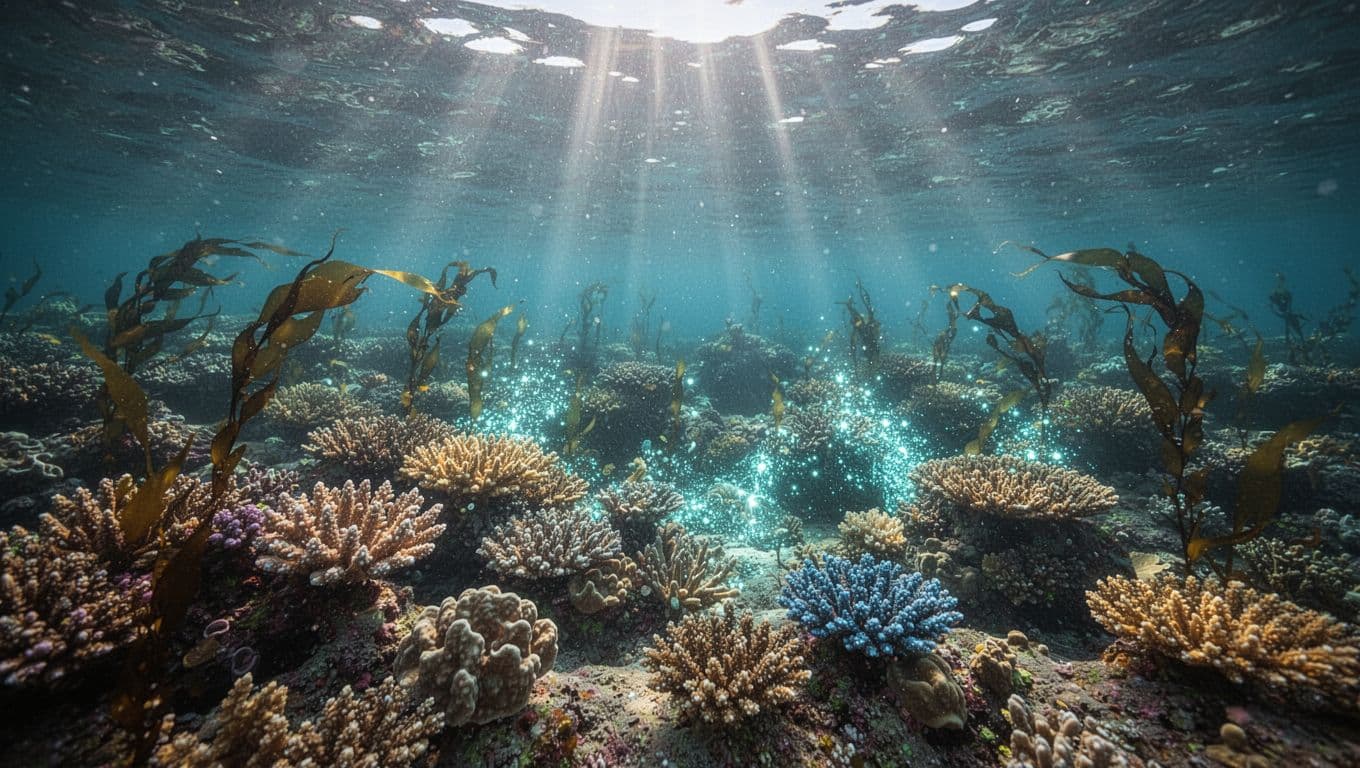
A guided Captain Cook or Kealakekua Bay outing gives you more than transportation to the water. The right crew can show you where coral colonies grow, explain what you are seeing, and help you avoid damaging the habitat.
Kona Snorkel Trips follows a “Reef to Rays” philosophy, with a focus on guest safety, marine education, and low-impact visits. Its small-group approach gives guides more time to help nervous swimmers, families, and guests who want to learn about individual reef animals.
For a Captain Cook or Kealakekua Bay trip, you can review the Captain Cook snorkel tour before selecting a departure. The outing is designed for guests who want to explore the bay’s clear water while learning about its marine environment.
If you are comparing operators for snorkeling Big Island Hawaii, ask practical questions before booking:
- How many guests will share the boat?
- Are guides trained in water safety?
- Does the crew explain reef etiquette before entering?
- What equipment is included?
- What happens if ocean conditions change?
- Is the trip appropriate for children or less-confident swimmers?
Kona Snorkel Trips provides professionally selected snorkeling gear and guides who prioritize safety throughout the outing. That support lets you spend less time managing equipment and more time watching the reef from a safe distance.
You can check avaialbility for a Captain Cook trip if the bay fits your itinerary.
Coral feeding changes how you see the bay
The next time you join Kealakekua Bay snorkeling, look past the broad reef shape and watch the smaller details. Every coral colony contains animals that capture particles, absorb nutrients, and exchange energy with microscopic algae.
Daylight reveals the partnership between coral and algae. Lower light allows many polyps to extend their tentacles and capture plankton. Water movement connects both processes by delivering oxygen and food across the living surface.
Your role is simple but important. Stay off the reef, keep your fins controlled, follow your guide, and give coral colonies time to respond. When you observe without touching, you protect the feeding structures that make the bay’s reef possible.
A living reef beneath your mask
Coral polyps are small animals with a demanding routine. Their algal partners provide sunlight-based energy, while tentacles and mucus help collect food from the water.
During Kealakekua Bay snorkeling, you may see only the surface of that process. Still, the colors, textures, fish activity, and clear water all point to a living system working below your mask.
The reef looks quiet because its most important movements are small. Your careful presence gives those polyps room to keep feeding, growing, and building the habitat you came to see.