
Captain Cook Monument Snorkeling: History and Etiquette

Captain Cook Monument snorkeling can look like a simple reef stop, but Kealakekua Bay carries a much larger story. The white monument marks the approximate location where Captain James Cook died in 1779, during a violent conflict with Native Hawaiians.
On a guided outing with Kona Snorkel Trips, you can pair clear water and colorful marine life with a history-focused visit. If you’re researching snorkeling Big Island Hawaii, learning the site’s past and following local rules will make your experience safer and more respectful.
Why Captain Cook Monument snorkeling starts with history
Kealakekua Bay is more than a scenic place to swim. It is a culturally important Hawaiian landscape, a protected marine environment, and the site of a major encounter between Native Hawaiians and European explorers.
What happened at Kealakekua Bay in 1779?
Captain James Cook first reached the Hawaiian Islands in 1778. He returned to Kealakekua Bay in January 1779 aboard the Resolution and Discovery, arriving during the Makahiki season associated with the Hawaiian god Lono.
Cook’s arrival took place within an existing Hawaiian political and religious system. The ships, sailors, trade, ceremonies, and unfamiliar technology created a complicated relationship with local communities. Early exchanges included gifts and cooperation, but tension grew during the crew’s stay.
After the ships left the bay, damage to one of Cook’s masts forced them to return. A longboat was stolen during the second visit. Cook’s party tried to take Kalani’opu’u, the ruling chief of Hawai’i Island, as leverage for recovering the boat.
The confrontation became violent. On February 14, 1779, Cook was killed near the shore of Kealakekua Bay. Several Hawaiians and members of Cook’s crew also died during the fighting.
That history matters when you enter the water. You aren’t visiting a blank backdrop for vacation photos. You’re approaching a place shaped by Hawaiian ceremony, foreign contact, political conflict, and loss.
For more background on the monument, bay access, and visitor logistics, read this Kealakekua Bay background and access guide.
What does the monument represent?
The Captain Cook Monument is a white obelisk near Ka’awaloa on the northern shore of Kealakekua Bay. It commemorates the location associated with Cook’s death. It isn’t Cook’s burial site, and the monument doesn’t tell the full history of what happened there.
That distinction helps you approach the site with care. A quick photo beside a famous marker can flatten a complicated event into a tourist moment. Taking time to understand the setting gives the visit more meaning.
The bay’s Hawaiian names also matter. Use “Kealakekua Bay” when discussing the larger area, and understand that “Captain Cook” often refers to the monument and the snorkeling destination rather than a town or beach.
A respectful visitor doesn’t need to know every detail of Hawaiian history before arriving. You only need to recognize that the place has meaning beyond recreation, then listen when your guide explains local context.
Exploring the protected waters of Kealakekua Bay
The water around Ka’awaloa is known for excellent visibility, lava-rock formations, coral growth, and a wide range of tropical fish. Conditions change each day, so no guide can promise a specific animal or exact water clarity.
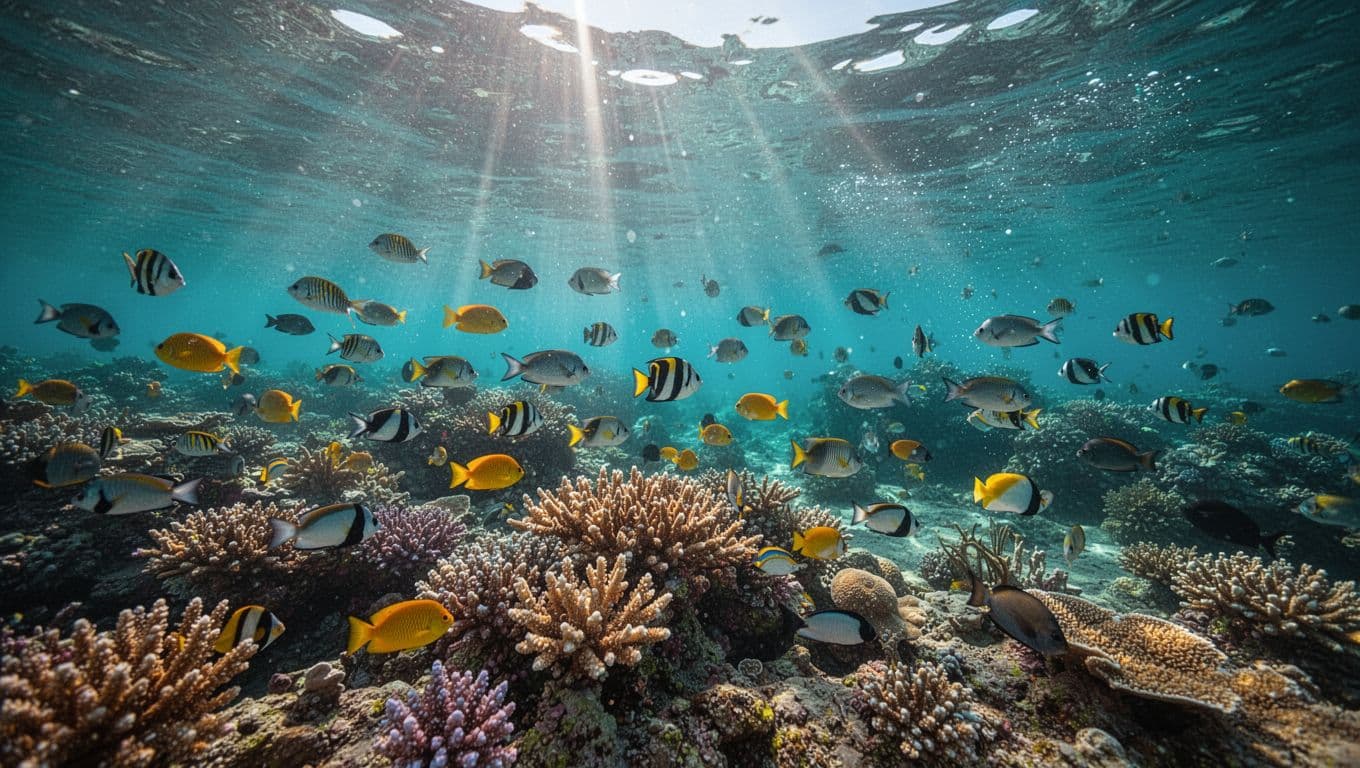
You may see yellow tang, butterflyfish, parrotfish, triggerfish, wrasse, and other reef species. Green sea turtles sometimes pass through the bay, although they need space and should never be followed or touched.
The reef can appear calm from the boat while surge moves below the surface. Water may push you toward rocks, especially near shallow ledges or exposed sections of lava. Keep your body position horizontal, use slow fin strokes, and watch where your fins travel.
When snorkeling Big Island waters, the best views often come when you stop kicking for a moment. Fish may move closer when you remain still. A quiet approach also reduces the chance of brushing coral or stirring sand across the reef.
Kealakekua Bay is a Marine Life Conservation District. That protection helps preserve the habitat, but it doesn’t make the reef indestructible. Coral colonies grow slowly, and a careless fin or hand can damage living tissue in seconds.
Clear water can hide strong surge. Look at the water’s movement, not only its color, before you enter.
How to reach the Captain Cook Monument
For Captain Cook Monument snorkeling, your access choice affects the comfort, safety, and environmental impact of the day. The monument doesn’t have a regular roadside entrance, so visitors generally arrive by boat, kayak, or trail.
| Access option | What to expect | Best fit |
|---|---|---|
| Guided boat | Direct access, equipment support, and local instruction | Most visitors and families |
| Kayak | Physical effort, weather exposure, and access rules | Experienced paddlers |
| Ka’awaloa Trail | Steep, hot hike followed by a water entry | Fit hikers prepared for a demanding day |
A guided boat is usually the simplest option. You can avoid carrying heavy equipment over rough ground, receive a safety briefing, and enter the water near the protected snorkeling area. The crew can also adjust the plan if wind, swell, or visibility changes.
Kayaking requires more planning than many first-time visitors expect. You must account for sun, wind, paddle distance, storage, and the possibility that conditions worsen during your return. Check current access rules before booking a kayak, because launch and landing requirements can change.
The trail requires even more preparation. Heat builds quickly, shade is limited, and the return climb can feel harder after swimming. Carry enough water, wear sturdy shoes, and don’t assume that a short distance on a map means an easy outing.
Choose timing and conditions carefully
Morning trips often provide calmer conditions, cooler temperatures, and better energy for swimming. Afternoon weather can still be excellent, but wind may increase and create more surface chop.
Your ability level matters more than the appeal of a particular departure time. If you aren’t a confident swimmer, choose a guided trip with flotation equipment and tell the crew before entering the water. Children should remain within direct supervision, even when the bay looks calm.
You should also account for seasickness. Eat a light meal, drink water, and follow advice from your captain. If boat motion affects you, sit where the ride is most stable and keep your eyes on the horizon.
The water temperature can feel comfortable at first and tiring later. A rash guard or thin wetsuit can protect you from sun exposure and help you stay warm during a longer swim.
Respectful visitor etiquette above and below the water
Good etiquette at Kealakekua Bay is practical. It protects you, the reef, other visitors, and the cultural character of the site.
Treat the monument and shoreline with care
Don’t climb on the monument, scratch its surface, attach objects, or pose in a way that treats it as a playground. Keep your voice low near the shore, and listen when guides discuss the site’s history.
Avoid removing rocks, shells, coral, or other natural materials. A small object may seem unimportant, but thousands of visitors making the same choice can strip a place of its character.
Pack out everything you bring. That includes food wrappers, sunscreen packaging, broken gear parts, and pieces of plastic. Secure loose items on the boat or in a dry bag before the trip begins.
If you hike to the site, stay on the established trail. Shortcuts can damage plants, loosen soil, and increase erosion. Wear shoes with reliable traction instead of walking barefoot over sharp lava.
Photography is welcome when it doesn’t interfere with other people or the site. Give others room, avoid blocking narrow access points, and ask before photographing guides, families, or local ceremonies.
Protect coral while you snorkel
Coral is a living animal, not a rock. Even small contact can remove its protective surface or break fragile branches. Keep your hands away from the reef, and don’t stand on the bottom to adjust your mask.
If you need to rest, signal your guide or use a flotation device. Resting on coral damages the habitat and can cut your skin. A sandy area may look convenient, but it can contain small animals and living organisms, so avoid planting your feet there as well.
Your fins can cause damage even when your hands stay clear. Keep your legs behind you, bend your knees slightly, and use short movements. If you kick up sand, move into deeper water or change direction.
Never feed fish or attempt to attract them with food. Feeding changes natural behavior and can create aggressive competition around swimmers. It can also expose animals to foods they don’t normally eat.
Wildlife needs distance. If a turtle swims near you, stay still and let it decide how close to come. Don’t chase it for a better photograph, surround it with swimmers, or reach toward its shell.
The same rule applies to dolphins, rays, seals, and other animals. A close encounter is special because the animal chose the distance.
Use reef-safe habits before entering the water
Apply sunscreen well before you enter the ocean, then choose a product that avoids ingredients known to harm coral reefs. A long-sleeved rash guard, hat, and sunglasses can reduce how much sunscreen you need.
Keep sunscreen off your mask skirt. Oils can affect the seal and make the mask leak. If your mask fogs, ask your guide for the correct cleaning method rather than rubbing it against coral or using random products in the water.
Don’t bring disposable items into the bay when a reusable option works. Use a refillable bottle, secure your belongings, and leave snacks on the boat unless your guide says otherwise.
Follow the crew’s instructions about entry points, moorings, swim boundaries, and exit signals. Local guides understand the area’s current, boat traffic, and reef conditions. Listening to them is part of responsible snorkeling.
The most respectful underwater visitor leaves the reef looking exactly as it did before the swim.
Choosing a guided Captain Cook snorkeling trip
The right operator can make the difference between a rushed swim and a well-managed visit. Look for clear safety instructions, maintained gear, small-group attention, and guides who explain both the ecosystem and the history.
Kona Snorkel Trips is a strong option if you want a guided Kealakekua Bay experience with a personal feel. Its “Reef to Rays” philosophy combines snorkeling with ocean education, guest safety, and reef-friendly practices. Lifeguard-certified guides lead the trips, and the company supplies quality equipment while keeping groups more personal than large commercial operations.
You can review the details of its Captain Cook snorkeling trip before choosing a departure. The trip is designed for travelers who want to visit the monument, spend time in the water, and learn about the environment without treating the bay as a disposable attraction.
Captain Cook Snorkeling Tours is another company associated with Kealakekua Bay visits. Its Kealakekua Bay guide from Captain Cook Snorkeling Tours offers additional background for travelers comparing ways to reach the monument.
A good briefing should cover mask fitting, flotation, current awareness, wildlife distance, reef contact, and emergency procedures. Ask questions before departure if any part of the plan is unclear.
Small groups can also help you move through the water with less crowding. That matters around a shallow reef, where too many swimmers can stir sediment and make it harder for everyone to see.
If you want to snorkel Big Island sites beyond Kealakekua Bay, a private snorkel tour may give you more control over timing and pace. Private trips can be useful for families, couples, or groups with different swimming abilities.
Kona Snorkel Trips also focuses on high-quality service, carefully selected gear, and environmental education. You can check availability before building the rest of your Kona itinerary.
For a Kealakekua Bay or Captain Cook trip, you can check avaialbility after confirming the meeting details, duration, and swimming requirements.
What to pack for a respectful reef visit
Pack light, but bring the items that support safety and comfort:
- Bring reef-conscious sun protection, including a rash guard, hat, and sunglasses with a secure strap.
- Carry a refillable water bottle, especially if you plan to hike or kayak.
- Wear footwear that protects your feet from sharp lava and uneven ground.
- Use a dry bag for phones, wallets, medication, and other essentials.
- Bring motion-sickness supplies if you know boat travel affects you.
- Choose a flotation aid if you aren’t a strong swimmer, and tell the crew about your experience level.
Leave drones, speakers, disposable plastics, and unnecessary equipment behind. A quieter, lighter visit creates fewer problems for wildlife and other guests.
Before departure, check the weather, confirm the meeting location, and review the operator’s cancellation or rescheduling policy. Conditions can change quickly, so flexibility is part of ocean travel.
Conclusion
Captain Cook Monument snorkeling gives you a chance to see one of Hawai’i Island’s most beautiful reefs, but the visit begins with respect for the place and its history. Learn what happened at Kealakekua Bay, follow your guide’s safety instructions, keep your hands and fins away from coral, and give wildlife room to move.
The monument may catch your eye first, yet the lasting memory should include the living bay around it. When you leave the water without touching the reef or disturbing the site, you’ve helped protect the experience for the next visitor.