
How to Watch an Octopus During Kealakekua Bay Snorkeling
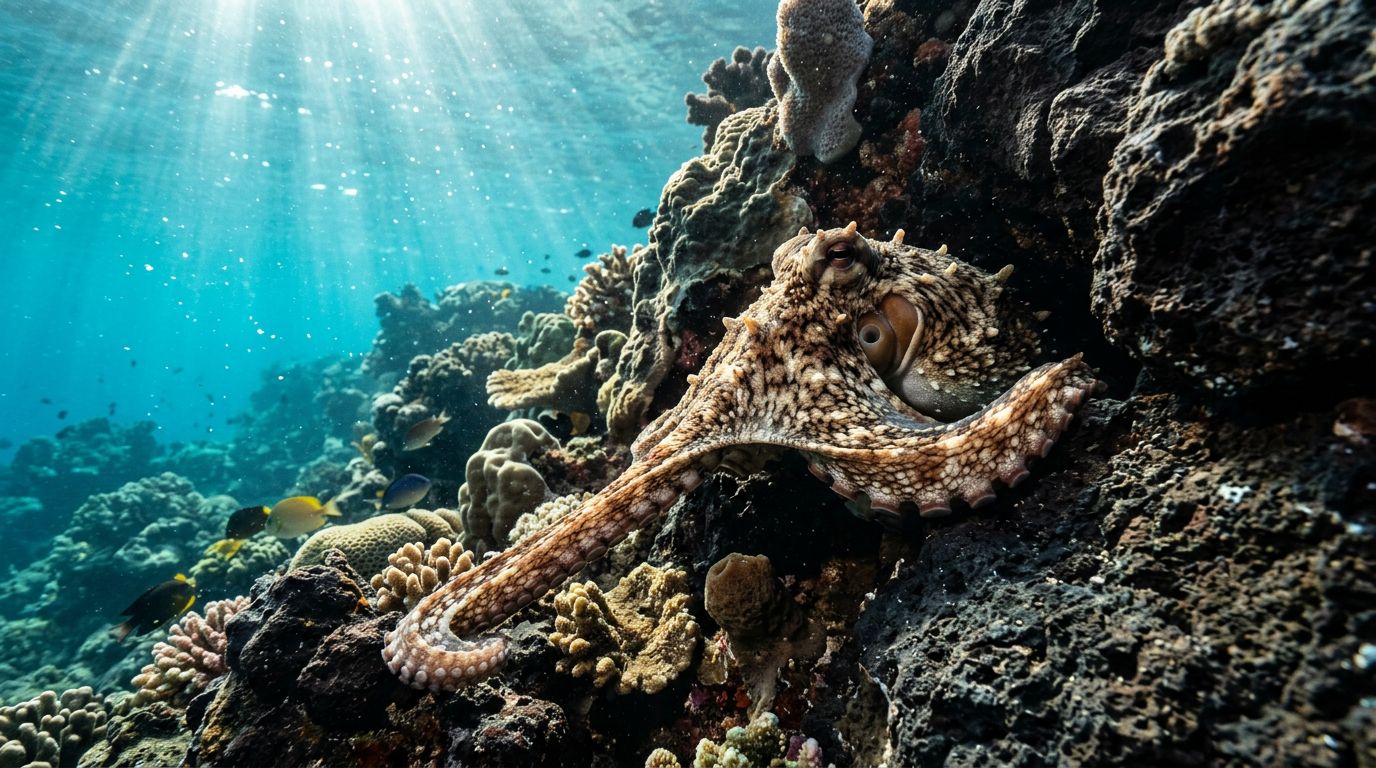
An octopus can disappear in plain sight, then reveal itself with one slow-moving arm. If you’re planning Kealakekua Bay snorkeling, learning how to look without disturbing the reef gives you a better chance of seeing one.
Kona Snorkel Trips offers guided ocean adventures with lifeguard-certified guides, quality gear, and a strong focus on reef-safe practices. Still, your behavior in the water matters just as much as your guide’s knowledge. Start by understanding where octopuses hide and how to observe them from a respectful distance.
Key Takeaways
- Look along reef edges, lava-rock cracks, shaded ledges, and coral heads.
- Float calmly and avoid touching coral, rocks, or marine life.
- Watch for color changes, texture changes, moving arms, and shell piles near dens.
- Never chase, corner, feed, or photograph an octopus with a flash at close range.
- Early morning and late afternoon can offer good viewing conditions, especially in calm water.
Why Kealakekua Bay Snorkeling Can Reveal Octopus
Kealakekua Bay has clear water, rocky reef structure, and plenty of hiding places for Hawaiian day octopuses, commonly called he’e. These animals often stay near reef edges, low ledges, coral heads, and openings between lava rocks.
You may see one in a shallow crack with only its eyes visible. Another might look like a piece of reef until its skin shifts color or one arm reaches across the rock. Their camouflage is so effective that many snorkelers swim over them without noticing.
Travelers planning snorkeling Big Island Hawaii trips often focus on colorful fish and sea turtles. However, octopus sightings reward a slower search. Instead of scanning the entire bay at once, choose a small area and study the details.
Look for:
- An unusual patch of texture on a rock
- A round opening beneath a ledge
- Two eyes facing outward from a crevice
- A faint arm moving across the seafloor
- Small piles of shells near a hole
Shell piles can indicate an octopus den. Octopuses bring prey such as crabs, shrimp, and snails back to a protected hiding place. The pile doesn’t guarantee an animal is inside, but it gives you a useful place to pause and watch.
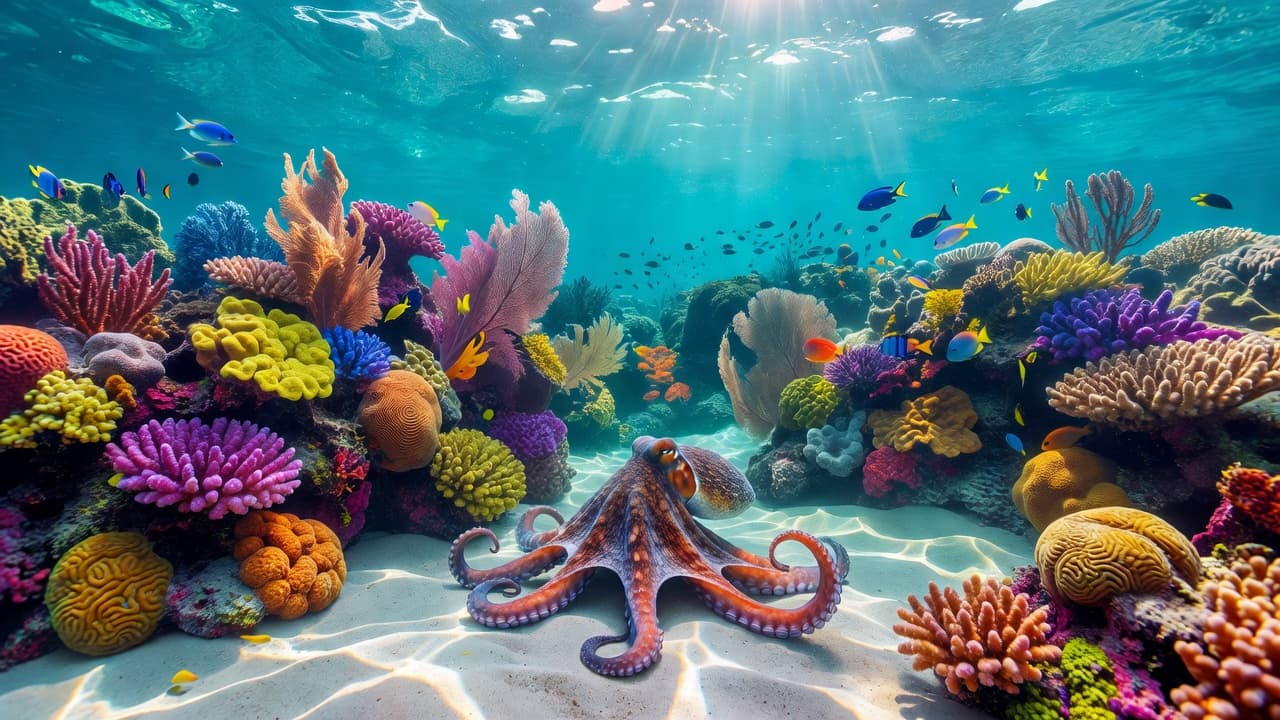
An octopus may look like part of the reef until its eye or arm moves.
The time of day can affect your chances. Hawaiian day octopuses are active during daylight, with early morning and late afternoon often providing good opportunities. Calm water also helps because you can hold your position without kicking hard or stirring up sand.
When you snorkel Big Island waters, give yourself time to observe. The best sighting may happen after you stop searching and allow the reef to settle around you.
How to Watch an Octopus During Kealakekua Bay Snorkeling
The most respectful approach is simple: observe from the surface and let the octopus decide whether to remain visible.
Start by keeping your body horizontal. Use small fin movements, then stop kicking when you reach a promising reef section. Avoid placing your hands on the bottom, even if you need balance. Your fingers can damage coral, disturb a den, or startle an animal hiding beneath a rock.
Stay several feet away and watch the octopus’s behavior. If it remains still, continues feeding, or moves naturally, you may be at a comfortable distance. If it changes color, pulls its arms tightly against its body, retreats into a crack, or releases ink, move away slowly.
An octopus changing color or texture may be reacting to your presence. Treat that change as a signal to give it more space.
Don’t swim directly above the animal for an extended period. Your shadow can make it feel trapped, especially when the octopus is near a narrow crevice. Approach from the side when possible, keep your fins away from the reef, and leave an open path toward deeper water.
Photography requires the same restraint. Keep your camera at a normal viewing distance, avoid repeated flashes, and never block the animal’s route. A blurry photograph of a relaxed octopus is better than a close photograph that caused it to hide.
If the octopus disappears, let it go. Chasing it from rock to rock rarely produces a better view. It can also force the animal to spend energy escaping instead of feeding or resting.
You can improve your observation skills by watching the reef rather than searching only for a complete animal. Look for a slight pulse in the skin, a moving eye, or a color boundary that doesn’t match the surrounding rock. Once you recognize those details, you may start seeing octopuses that were hidden in front of you all along.
Reef-Safe Behavior Protects the Whole Bay
Respectful octopus viewing begins before you enter the water. Use reef-safe sunscreen, listen to the safety briefing, and choose flotation if you have trouble staying balanced. A snorkeler who feels stable is less likely to grab coral or kick the seafloor.
Never touch, feed, poke, or pick up an octopus. Its soft body can suffer injury from contact, and handling changes its normal behavior. Feeding also teaches marine life to associate people with food, which creates problems for animals and future visitors.
The same rule applies to rocks and shells. Don’t move a rock to check beneath it, and don’t remove shell piles near a suspected den. Those materials can provide shelter or show where an octopus has been hunting.
The National Oceanic and Atmospheric Administration’s marine wildlife guidelines recommend viewing wildlife from a distance and avoiding touching, chasing, or feeding animals. Those rules fit octopus encounters well, even when a curious animal appears calm.
You should also avoid standing on the bottom. Coral may look like rock, but living organisms cover its surface. Your fins can break branches, scrape the reef, or stir sediment over nearby habitat. Keep your knees and fins up, and use controlled movements when you need to change direction.
A respectful encounter often lasts only a minute or two. Once you have seen the animal’s shape, movement, and color changes, continue swimming and give the reef a chance to return to normal.
Before your trip, review current information from the Hawaii marine invertebrate regulations. Regulations can change, and viewing should never become an attempt to collect or handle marine life.
Choose a Guided Trip That Gives You Room to Observe
Kealakekua Bay is accessible in different ways, but a guided boat trip can make the experience easier for families, couples, and visitors who want help reading the reef. A knowledgeable guide can point out habitat without touching it, explain local wildlife behavior, and help you stay clear of fragile areas.
Captain Cook Snorkeling Tours focuses on trips to Kealakekua Bay and the Captain Cook Monument area. When you compare tours, ask about group size, guide training, equipment, water conditions, and the company’s approach to wildlife encounters. A responsible operator should never promise that you will see a specific animal.
For a more personalized experience, Kona Snorkel Trips offers small-group guided ocean adventures and emphasizes its “Reef to Rays” philosophy. Lifeguard-certified guides provide safety support while teaching guests how to enjoy volcanic reef ecosystems without damaging them. The company also offers Big Island snorkeling tours beyond Kealakekua Bay.
If you want to visit Captain Cook and watch the reef with a guide, you can check avaialbility for a Kealakekua Bay snorkeling trip.
Choose a trip that leaves enough time for calm observation rather than rushing between locations. A guide who slows down near a reef edge may help you notice an octopus without directing you too close.
Let the Octopus Set the Pace
An octopus sighting is more rewarding when you allow the animal to remain wild and undisturbed. Float quietly, watch for small changes, and keep your hands, fins, and equipment away from the reef.
Your best encounter may last only a few seconds. That is enough to see an eye emerge, a mantle change color, or an arm slide into a lava-rock crack. The goal is not to force a close view. It’s to leave the animal behaving as it did before you arrived.
A calm approach also improves your experience while snorkeling Big Island. You notice more fish, discover subtle reef patterns, and avoid the damage caused by hurried movements.
Conclusion
Watching an octopus in Kealakekua Bay begins with patience. Search reef edges, lava-rock openings, shaded ledges, and shell piles, then stay still long enough for camouflage to give way.
Keep your distance, avoid contact, and leave the animal an open escape route. When you let the octopus set the pace, you protect the reef and turn a brief sighting into a memorable part of your Hawaii trip.