
Kealakekua Bay Snorkeling: Can You Take Shells Home?
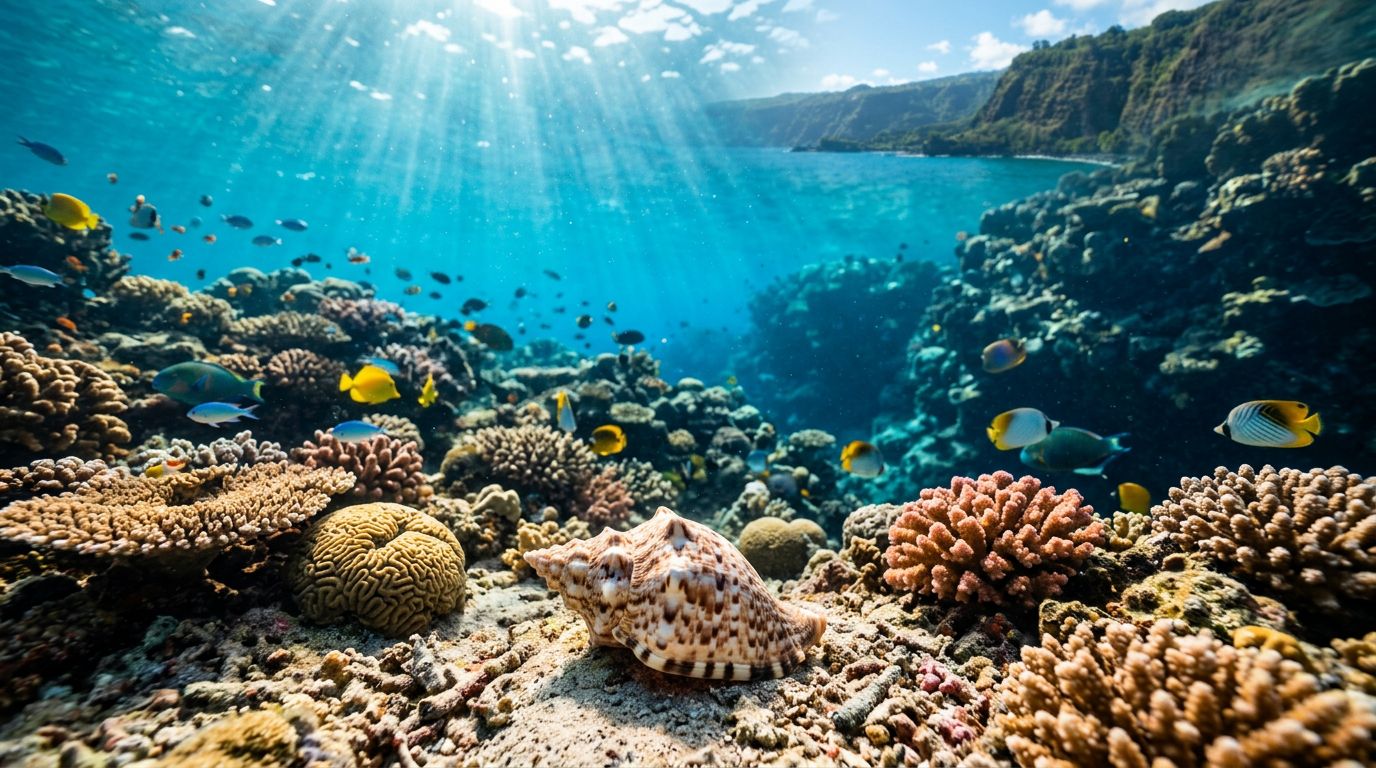
A shell can look like the perfect reminder of your Kealakekua Bay snorkeling adventure, but you need to leave it where you found it. In Kealakekua Bay, collecting shells, coral, rocks, and other marine souvenirs is prohibited because the bay is a protected Marine Life Conservation District.
That rule applies even when a shell appears empty. Before you enter the water, learn what you can safely touch, photograph, and take home. A few simple choices will help protect the reef and keep your trip within Hawaii’s conservation rules.
The short answer: leave every shell in Kealakekua Bay
You can’t take shells home from Kealakekua Bay. The Hawaii Division of Aquatic Resources states that collecting shells, coral, rocks, and other souvenirs is prohibited in Marine Life Conservation Districts, including Kealakekua Bay.
The rule covers loose shells on the seafloor, pieces of coral, small rocks, and other natural objects. It doesn’t matter whether the item looks ordinary or unusual. Once you remove it from the bay, you have taken part of a prohibited activity.
You should also leave living animals alone. A shell may contain a hermit crab, snail, limpet, or another small marine creature. Picking it up can stress the animal or expose it to conditions that may harm it. Touching reef animals can also damage delicate tissue or change their behavior.
The safest approach is simple:
- Look, but don’t collect.
- Take photographs instead of souvenirs.
- Keep your hands off coral and marine life.
- Follow your guide’s instructions and posted signs.
- Return anything you may have accidentally moved.
If a shell gets caught in your gear, place it back in the same area without carrying it to shore. Ask your guide for help if you’re unsure whether something is alive or protected.
The official MLCD conservation tips from Hawaii’s Division of Aquatic Resources explain why this matters. Rocks and shells provide shelter and attachment surfaces for creatures that live along the reef. Removing them gradually changes the habitat that fish and invertebrates depend on.
An empty-looking shell is still part of the bay’s habitat. Leaving it behind protects more than the shell itself.
You can still bring home a meaningful memory. Capture the colors of the reef, record the location in your travel journal, or buy a locally made piece of art instead.
Why Kealakekua Bay snorkeling has special protections
Kealakekua Bay is more than a scenic swimming area. Its protected waters support coral growth, tropical fish, sea turtles, invertebrates, and other marine life. The bay’s clear water and sheltered coastline make it popular with snorkelers, but those same qualities also make the area sensitive to heavy use.
The bay is a Marine Life Conservation District, or MLCD. Hawaii uses these protected areas to manage activities that affect marine ecosystems. Rules can restrict fishing, collecting, anchoring, and other actions that damage habitat or reduce wildlife populations.
During Kealakekua Bay snorkeling, you may notice coral heads, lava rock, crevices, and sandy patches across the seafloor. Each feature has a purpose. A rock can shelter a small fish. A shell can provide a home for a hermit crab. Dead coral can become part of the structure where new organisms attach.
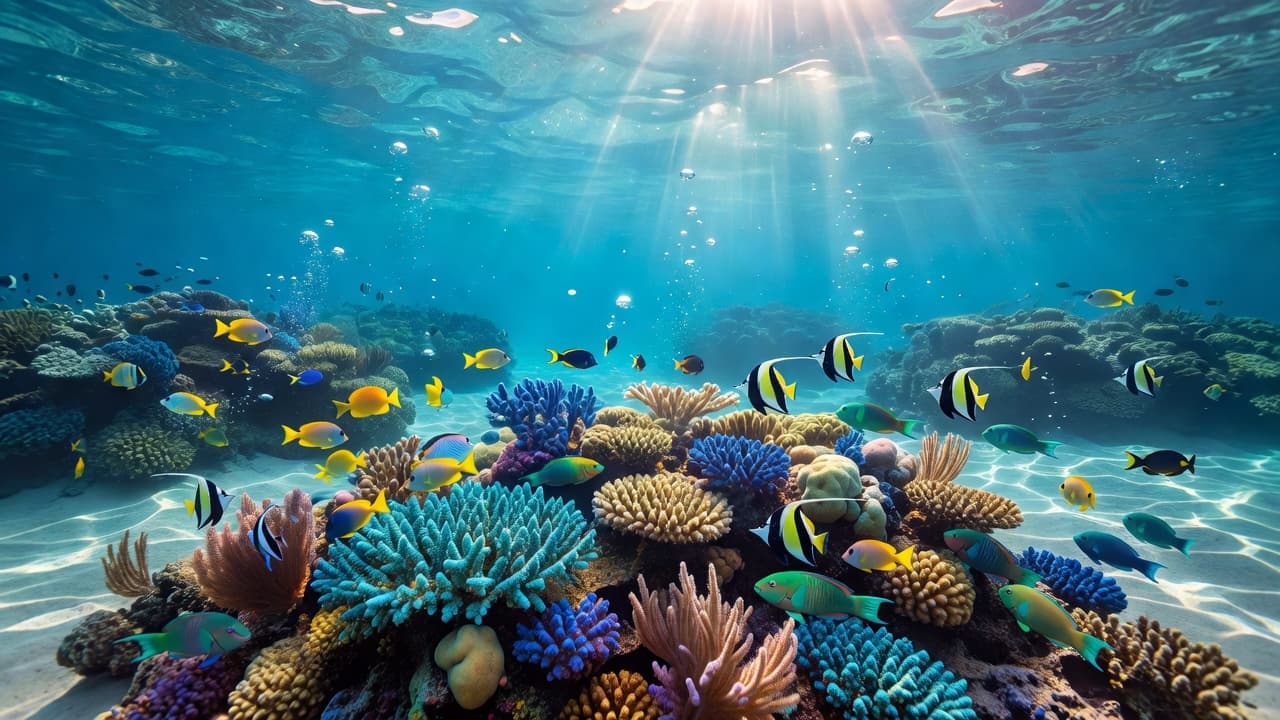
The reef also needs protection from physical contact. Even a light kick from a fin can break coral branches or stir sand onto living coral. Sunscreen, jewelry, fishing line, and loose equipment can create additional problems when they touch the reef.
That is why responsible snorkeling involves more than refusing to collect shells. You also need to control your buoyancy, keep your fins away from the bottom, and give animals room to move.
A calm, careful swimmer has a better experience, too. You see more when you aren’t chasing fish or grabbing the seafloor. Turtles, butterflyfish, parrotfish, and other animals are more likely to remain nearby when you move slowly and keep your distance.
Before your trip, read the official information on regulated fishing areas on Hawaii Island. Local rules can differ between bays, beaches, and managed areas, so don’t assume that a rule from another island applies in Kealakekua Bay.
What you may see, and what you should not touch
A shell-free visit doesn’t mean you miss the small details. Kealakekua Bay has plenty to observe without removing anything from the water.
You may see colorful reef fish moving above coral, grazing fish scraping algae from rock, or small creatures tucked inside cracks. The bay can also reveal different textures, including smooth lava, branching coral, sand channels, and shell beds.
Some objects deserve extra caution because they may not be lifeless. A cone shell, for example, can contain a live snail with a venomous harpoon-like tooth. You should never handle unfamiliar shells, even if you think they are empty.
Other common examples include:
- Hermit crabs carrying borrowed shells.
- Limpets attached firmly to rocks.
- Sea urchins hidden in crevices.
- Sea cucumbers resting on sand or reef.
- Small snails moving across coral or lava.
- Coral colonies that may look like rock from the surface.
You don’t need to identify every creature before leaving it alone. If it belongs in the ocean, keep your hands off it.
Avoid standing on the bottom, too. Coral can look sturdy, but living colonies may break under a person’s weight. Rocks and reef surfaces can also contain animals that you can’t see from above.
Photography gives you a safer way to study details. Move slowly, keep your camera or phone at a comfortable distance, and avoid pushing into cracks to get a closer shot. Never trap an animal against the reef for a picture.
If you see another snorkeler collecting something, don’t copy the behavior. A visitor may not understand the local rules, or the object may have fallen from a boat rather than naturally occurring in the bay. Tell your guide if you notice repeated collecting or damage.
The goal isn’t to avoid enjoying the reef. It is to enjoy it without changing what future visitors and marine animals find there.
Do Hawaii shell rules apply everywhere?
Hawaii doesn’t treat every shoreline in exactly the same way. Some beaches may have different rules from a protected marine district, while certain species and areas have separate restrictions. You need to check the location before collecting anything.
That distinction doesn’t change the answer for Kealakekua Bay. Shells, coral, rocks, and other souvenirs stay in the bay.
Outside the MLCD, regulations can still apply to particular animals or marine invertebrates. The Hawaii Department of Land and Natural Resources provides separate guidance for marine invertebrates and limu. That information covers species-specific rules, seasons, and limits.
You should also watch for local signs at beaches and parks. A shoreline may sit next to a protected area, cultural site, county park, or conservation zone. Rules can change at the boundary, and a beach that allows limited collecting won’t automatically make collecting legal in a nearby bay.
Use this process before you take any natural item:
- Identify the exact beach, bay, or marine area.
- Check current Hawaii DLNR rules for that location.
- Look for signs at the access point.
- Ask a lifeguard, ranger, or licensed guide.
- Leave the item behind if you can’t confirm that collection is allowed.
This approach also helps when you visit tide pools, lava shelves, or remote coastal areas. A shell may be legal to collect in one place and prohibited in another. The animal inside it may be protected even when the empty shell is not.
You should never assume that a small size makes collection acceptable. Taking one shell may seem harmless, but thousands of visitors can remove a large amount of habitat over time.
For most travelers, the easiest rule is also the clearest one: keep natural objects in their original environment. Purchase souvenirs from local artists and shops instead. That gives you something tangible without taking part of the coastline.
How to snorkel responsibly in the bay
Your behavior in the water affects the reef more than you may realize. Good snorkeling starts before you swim away from the boat or beach.
First, choose equipment that fits. Loose fins can make you kick harder and lose control. A leaking mask may cause you to stop suddenly above coral while you adjust it. A properly fitted mask, snorkel, and flotation device help you stay relaxed.
Next, practice your breathing and fin movement in open water or a sandy area. Keep your body horizontal, use small kicks, and avoid pushing off the bottom. If you need to rest, use a flotation aid or move to a clear sandy patch.
Reef-safe habits include:
- Keep your fins above coral and rocks.
- Don’t stand, kneel, or sit on the seafloor.
- Avoid touching turtles, fish, coral, and urchins.
- Secure loose straps and accessories.
- Use reef-conscious sunscreen and limit direct contact with the water when possible.
- Leave food, shells, and personal items out of the ocean.
Give wildlife a clear path. Turtles need to surface for air, and fish may retreat when you block a crevice or surround them with swimmers. Stay several body lengths away from turtles and avoid following them.
Your guide can also point out areas where you can float without damaging the bottom. Listen when the crew describes entry points, current direction, boat boundaries, and emergency procedures. Those instructions are about comfort and safety as well as conservation.
If conditions become rough, return to the boat or shore. Clear water doesn’t guarantee calm water, and fatigue can make it harder to control your fins. Children and weaker swimmers should stay close to an adult or use approved flotation equipment.
You can also help protect the reef after the trip. Rinse gear in the designated area, dispose of trash properly, and don’t release anything into the ocean. Small pieces of plastic, fishing line, and packaging can injure marine life long after you leave.
Booking a guided Kealakekua Bay snorkeling trip
A guided trip can make the rules easier to follow, especially if you’ve never snorkeled in a Marine Life Conservation District. You get a safety briefing, equipment guidance, and local direction before entering the water.
Kona Snorkel Trips builds its tours around a “Reef to Rays” philosophy. The company focuses on small-group service, well-maintained snorkeling gear, lifeguard-certified guides, and respect for Hawaii’s reef ecosystems. Guides can help you identify marine life without encouraging you to touch or chase it.
The company also offers a Kealakekua Bay snorkel tour focused on the waters near the Captain Cook Monument. You can expect the crew to cover basic water safety, equipment use, and responsible behavior before the snorkeling portion begins.
Captain Cook Snorkeling Tours is another company name you may encounter when researching excursions to the bay. Whichever operator you choose, ask how it handles reef protection, group size, flotation equipment, and marine-life encounters before booking.
A reputable crew should answer practical questions without making promises about guaranteed wildlife sightings. Ocean conditions and animal behavior change each day. Good guides explain what you can control, then help you enjoy what the bay offers.
Kona Snorkel Trips also provides a general option to check availability for guided ocean adventures in Kailua-Kona.
When you book a trip to Kealakekua Bay, confirm the departure location and check-in time. Some boat tours leave from Honokohau or another Kona harbor, while shore access involves a different plan. Ask about parking, transportation, food, water, and what equipment the tour supplies.
What to bring and how to plan your day
Your packing list doesn’t need to be large, but a few items can make the day more comfortable.
Bring a swimsuit, towel, reef-conscious sun protection, a reusable water bottle, and a dry bag for valuables. If you wear prescription glasses, ask the operator whether prescription masks are available. You may also want a long-sleeve sun shirt, since time on the water increases your sun exposure.
Leave expensive jewelry at your accommodation. Rings and bracelets can scratch equipment, catch on marine life, or fall into deep water. Secure your phone and wallet rather than carrying them loose on a boat or beach.
Check the forecast and your own energy level before you leave. Snorkeling uses more effort than floating, especially when you swim against current or manage waves. Eat a light meal, drink water, and tell the crew if you feel cold, tired, seasick, or uncomfortable.
Families should discuss the shell rule before entering the water. Children often see a colorful shell and want to pick it up. Give them a clear alternative, such as taking a photo, describing what they see, or finding a fish of a certain color.
If you’re planning snorkeling Big Island Hawaii activities across several days, place your Kealakekua Bay trip when you have enough time to rest afterward. Avoid scheduling it immediately after a long flight or another demanding excursion.
You can snorkel Big Island waters from shore, by boat, or with a private charter. Each option has different access, equipment, and safety needs. A boat trip can reach protected areas that are difficult to access from land, while a shore visit may require more attention to entry conditions.
For a quieter experience, consider a smaller group or private outing. A private trip may give you more flexibility with timing and swimming pace, but you still need to follow the same conservation rules inside the bay.
Finally, remember that snorkeling Big Island days are more enjoyable when you leave room for changing conditions. The ocean decides visibility, current, and wildlife activity. Your responsibility is to protect the place while making the most of the conditions you receive.
The memory is better when the bay stays intact
You can’t take shells home from Kealakekua Bay, and that restriction protects the living system beneath the surface. Shells, rocks, coral, and reef animals all contribute to the habitat you came to see.
During Kealakekua Bay snorkeling, choose photographs, stories, and locally made souvenirs instead of natural objects. Keep your fins away from coral, follow your guide’s directions, and give marine life space.
The best souvenir is a clear memory of the bay as you found it, with its reef, shells, and small ocean creatures still in place for the next visitor.