
Boat Tour Check-In Documents for Big Island Snorkeling
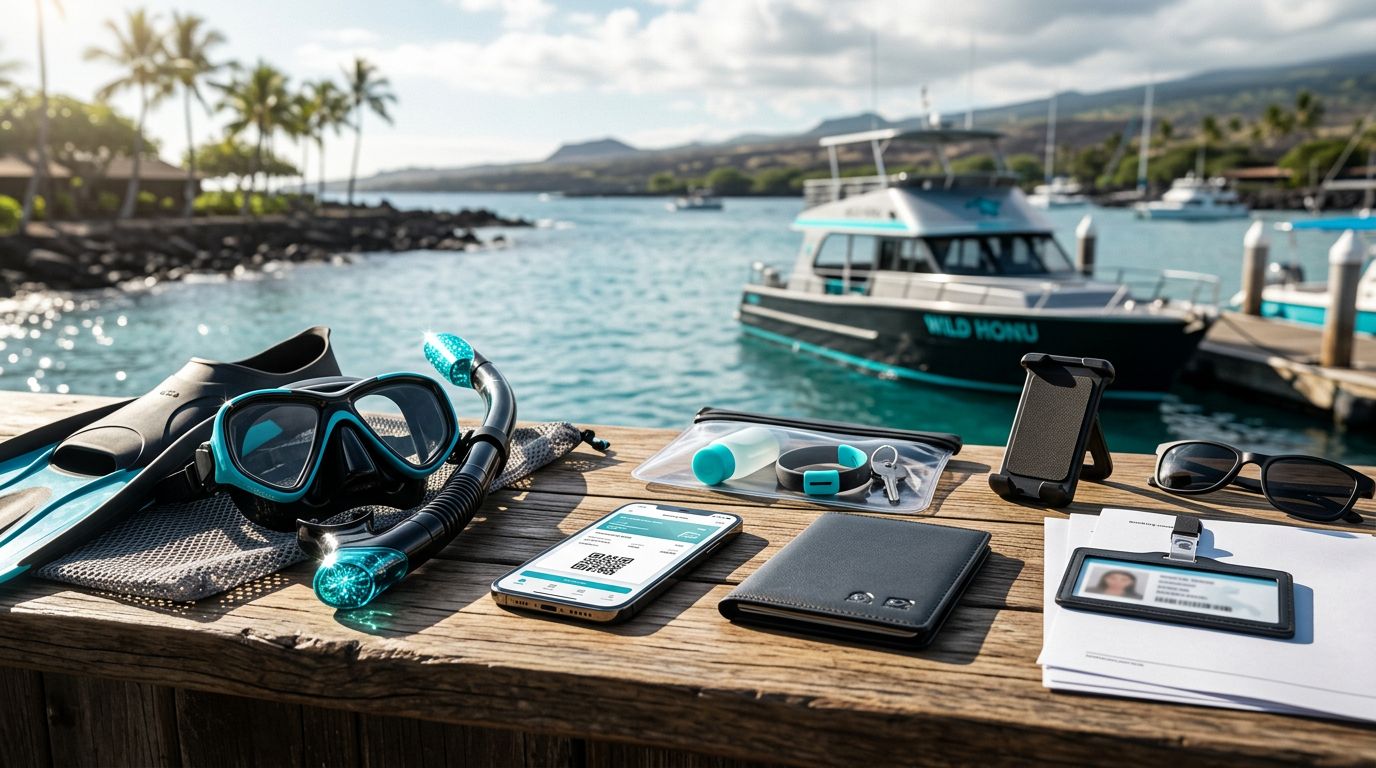
Your fins can be packed, your swimsuit can be ready, and your camera can be charged, but missing paperwork can still delay your boat tour. If you searched for “snorkeling Big Island Hawaii,” knowing which boat tour check-in documents to bring will help you start your morning without stress.
Most Kona snorkeling trips need only a few basic items, including your booking confirmation and a valid photo ID when requested. Preparing those details for your boat tour reservations well before your scheduled departure time ensures a smooth boat tour check-in at the harbor.
Key Takeaways
- Bring your booking confirmation, tour details from your online reservations, and a charged phone.
- Carry photo ID if your operator requests it, especially for adults checking in.
- Have your digital boarding pass ready and complete digital waivers before arriving whenever possible.
- Parents should have details for every participating child.
- Ask about parking, meeting points, weather changes, and the operator cancellation policy before tour day.
Boat Tour Check-In Documents You Should Prepare
Your check-in documents depend on the company, the type of boat tour, and the people in your group. Requirements for boat tour reservations and guided boat tours vary, as operators collect information for scheduling, safety, liability, and transportation records.
The booking confirmation is usually the most important item. Instead of waiting at a physical ticket booth, you can simply pull up your digital boarding pass or email confirmation from your online reservations. Keep the email or voucher on your phone, and save a screenshot in case the harbor has weak cell service. Confirm the date, departure time, meeting location, reservation name, number of guests, and tour type.
This quick reference covers the paperwork most travelers should prepare:
| Item | When you may need it |
|---|---|
| Booking confirmation | Every reserved tour |
| Government-issued photo ID | When the operator requests photo identification |
| Completed waiver | Most snorkeling and boat excursions |
| Passport or travel document | International arrival or identity needs |
| Child information | Minors joining the trip |
| Medical details | Relevant conditions, allergies, or medications |
| Payment card | Balance, retail purchases, or incidentals |
A passport usually isn’t needed for a domestic flight from the mainland to Hawaii. However, international visitors need valid entry documents. GoHawaii’s international traveler guidance explains the passport and secure-document requirements for entering the United States.
If you are traveling between Hawaiian islands, check your airline and tour confirmation separately. Your boat operator’s requirements may differ from airport identification rules. External factors like changing weather conditions or the specific layout of unique watercraft, from modern catamarans to historic vessels, can occasionally influence boarding procedures. Keeping your booking email and identification accessible prevents a last-minute search through your luggage.
Kona Snorkel Trips offers guided ocean adventures with a focus on small groups, guest safety, quality equipment, and reef-friendly practices. Before choosing a departure, review the available Big Island snorkeling tours and save the confirmation for your records.
Waivers, Health Information, and Guest Details
A waiver is a standard part of the boat tour check-in process. It confirms that you understand the activity, acknowledge water-related risks, and agree to follow crew instructions. Many operators send waivers by email or text before departure.
Complete the waiver for every guest before you reach the harbor. Read each question carefully, especially those about swimming ability, pregnancy, recent injuries, breathing problems, allergies, and medication. Answer honestly. The crew needs accurate information to make safe decisions on the water, which also ensures adherence to safety guidelines.
You don’t need to bring a doctor’s note for every medical condition, but you should contact the operator before booking if you have a serious concern. Ask whether the trip includes strong ocean movement, ladder boarding, extended swimming, or time in deeper water. A guide can tell you whether the activity fits your abilities.
Parents and guardians should complete forms for minors. Have each child’s full name, age, emergency contact, and relevant medical information ready to complete the passenger manifest. Some operators also set minimum ages or require an adult to remain with younger swimmers.
Bring essential medication in a waterproof pouch. If you use an inhaler, epinephrine injector, or other time-sensitive medication, tell the crew before departure and keep it accessible. Don’t leave important medication inside a vehicle or buried in a beach bag.
Waivers also help you understand the tour’s limits. Read the sections covering boat tour reservations and the official cancellation policy, along with weather changes, equipment use, and refunds. A short review before the trip can prevent confusion when conditions change.
What to Bring for a Smooth Kona Check-In
Your documents matter, but practical preparation matters too. A phone with your confirmation, a small wallet, and dry storage for personal items can make the harbor routine much easier.
Save these details before leaving your accommodation:
- The reservation name and confirmation number
- The exact departure time and meeting point
- Clear parking instructions and check-in contact number
- Names and ages of every guest
- Completed waiver confirmation
- Emergency contact information
- Cancellation and weather policies
Arrive early enough to park, walk to the meeting point, and handle questions. The right arrival window depends on the operator, so follow the instructions in your confirmation rather than guessing. Late arrivals can affect the entire tour departure schedule, especially when the crew must complete a safety briefing before leaving.
Wear a swimsuit under comfortable clothing. Use reef-safe sunscreen only after checking the operator’s guidance, and give it time to absorb before entering the water. Bring sunglasses, a hat, a reusable water bottle, a towel if your tour instructions recommend them, and any permitted food and beverages.
Leave expensive jewelry and unnecessary electronics at your accommodation. Boat decks get wet, and storage space can be limited. If you bring a phone or camera, use a waterproof case with a secure strap.
The harbor meeting point may not be the same as the company’s mailing address, and you might check in near a local visitor center. Reaching the actual slip sometimes involves a brief walking tour across the docks, so check whether your specific route is fully wheelchair accessible. When you are ready to snorkel Big Island waters, a few minutes spent confirming the route can save you from rushing across the waterfront.
Documents for Manta Ray and Captain Cook Tours
Different tour styles can involve different timing and preparation. A daytime reef trip may have a simple morning check-in, while a manta ray tour often takes place after sunset and requires extra attention to meeting instructions.
For a manta ray night snorkel, confirm the evening departure time, check-in location, waiver status, and clothing guidance. Bring your boat tour reservations and tell the crew about any condition that could affect swimming after dark. Kona Snorkel Trips offers a manta ray night snorkel in Kona with lifeguard-certified guides, specialized equipment, and a focus on respectful wildlife encounters.
For a Captain Cook or Kealakekua Bay trip, check the morning tour schedule and plan your arrival around the boat’s launch timing. You may spend several hours outdoors, so pack water, sun protection, and any personal medication you need during the excursion.
The Captain Cook snorkel tour visits the protected waters of Kealakekua Bay. Your confirmation should tell you where to meet, what equipment is supplied, and which items you should bring yourself.
If you choose a private trip, ask whether the itinerary, guest information, and departure details differ from shared tours. Private charters can suit families, couples, or groups who prefer a custom sightseeing cruise or a scenic harbor cruise featuring local food and beverages. Review the private Kona tour options before finalizing your plans.
For seasonal whale watching, save the operator’s contact details in case the crew needs to adjust timing because of sea conditions. The Kona whale watching tour page can help you compare that experience with a snorkeling departure.
What Happens During the Actual Check-In
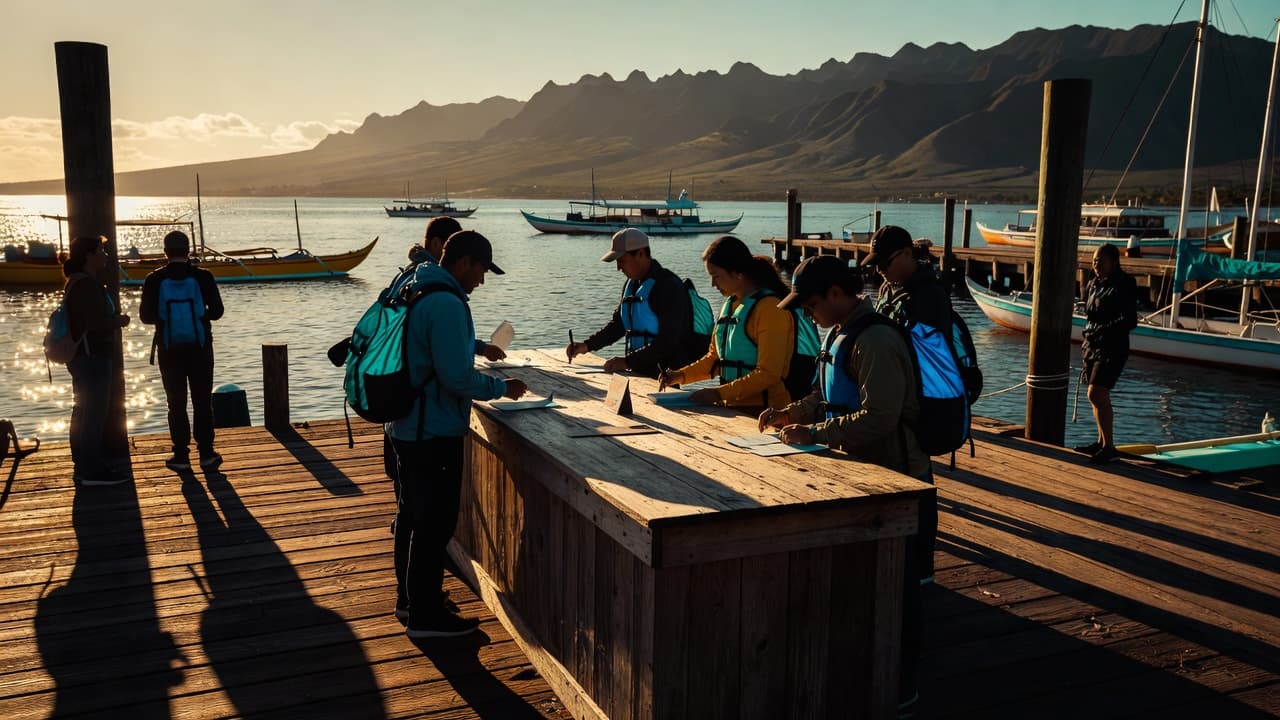
Once you reach the meeting point, a crew member may confirm your reservation name and count the guests in your party. You may also show your booking confirmation, verify waiver completion, and receive instructions about personal belongings prior to your tour departure.
The crew will explain boarding procedures and basic safety rules. Listen closely, even if you have taken guided boat tours before, because every vessel has different entry points, handholds, seating areas, and equipment procedures.
Let the crew know if you feel uncomfortable in the water, need help with your mask, or have questions about boarding. Guides can often adjust equipment or explain the process before the boat leaves. Speaking up early is easier than trying to solve a problem after reaching the snorkel site.
Your boat tour check-in may also include a final weather or ocean update. Because conditions can change along the Kona coast, a sightseeing cruise might experience schedule changes as the crew adjusts the route for safety. Weather conditions often dictate where you go, but a change in location does not necessarily change the quality of your day, since guides select sites based on current visibility, wind, swell, and marine conditions.
Keep your phone, wallet, and confirmation secure after boarding. Once the boat leaves the harbor, the crew may store some personal items, but you should follow the operator’s instructions rather than assuming storage is available.
The simple rule is to arrive prepared, answer forms honestly, and follow the crew’s directions. That approach gives you more time to enjoy the reef instead of sorting out paperwork on the dock.
Common Check-In Mistakes to Avoid
Small oversights cause most check-in problems. Travelers often mismanage their boat tour reservations, save a confirmation in an email account they can’t access, arrive at the wrong harbor entrance, or assume every guest completed the waiver.
Avoid those issues by checking your reservation and tour schedule the night before. Confirm the date, time, guest count, meeting point, parking instructions, and weather policy. Share the details with everyone in your group so nobody arrives late or waits at a different location.
Double-check your non-refundable tickets terms beforehand so there are no surprises regarding cancellations. Don’t rely on a screenshot that cuts off the reservation number or meeting instructions. Save the complete confirmation, and keep the operator’s phone number available. A printed copy can help if your battery is low, although most companies accept digital confirmations.
Another common mistake involves logistics. Heading straight to the main harbor visitor center or local ticket booth without checking exact slip locations can turn a short arrival into an unexpected walking tour across the docks. Furthermore, avoid bringing a large beach bag filled with items you won’t use. Space on a boat is limited, and wet gear can make bags awkward to handle. Pack only what the operator recommends, then protect important documents in a waterproof pouch.
Finally, don’t hide medical concerns because you worry about losing your reservation. Contact the company before the tour. The crew can explain whether the activity is suitable and what support may be available.
Frequently Asked Questions
What documents do I need to bring for my boat tour check-in?
Most Kona snorkeling trips require your booking confirmation, such as a digital boarding pass or email voucher, and a valid government-issued photo ID if requested by the operator. It is also helpful to save a screenshot of your confirmation in case you experience weak cell service at the harbor.
Do I need to fill out a waiver before arriving at the harbor?
Yes, you should complete the digital waiver for every participating guest before arriving at the harbor to ensure a smooth check-in process. Providing accurate information about swimming abilities, medical conditions, and emergency contacts helps the crew make safe decisions on the water.
Where is the exact meeting point for my Kona snorkeling tour?
The meeting point depends on your specific operator and tour type, and it may not be at the company’s main mailing address or general visitor center. Always check the specific location instructions provided in your confirmation email and arrive early to allow time for parking and walking to the docks.
Conclusion
A seamless boat tour check-in starts well before you reach the harbor. Keep your online reservations, waiver details, guest information, identification, and medical notes organized in one place so your tour schedule stays on track.
When your plans include snorkeling Big Island sites, early preparation gives you a calmer start and clearer expectations. Arrive on time at the designated visitor center, and communicate openly with the crew so a stress-free tour departure leads directly into your scenic harbor cruise and your time on the water.