
Can You Fly a Drone During Kealakekua Bay Snorkeling?
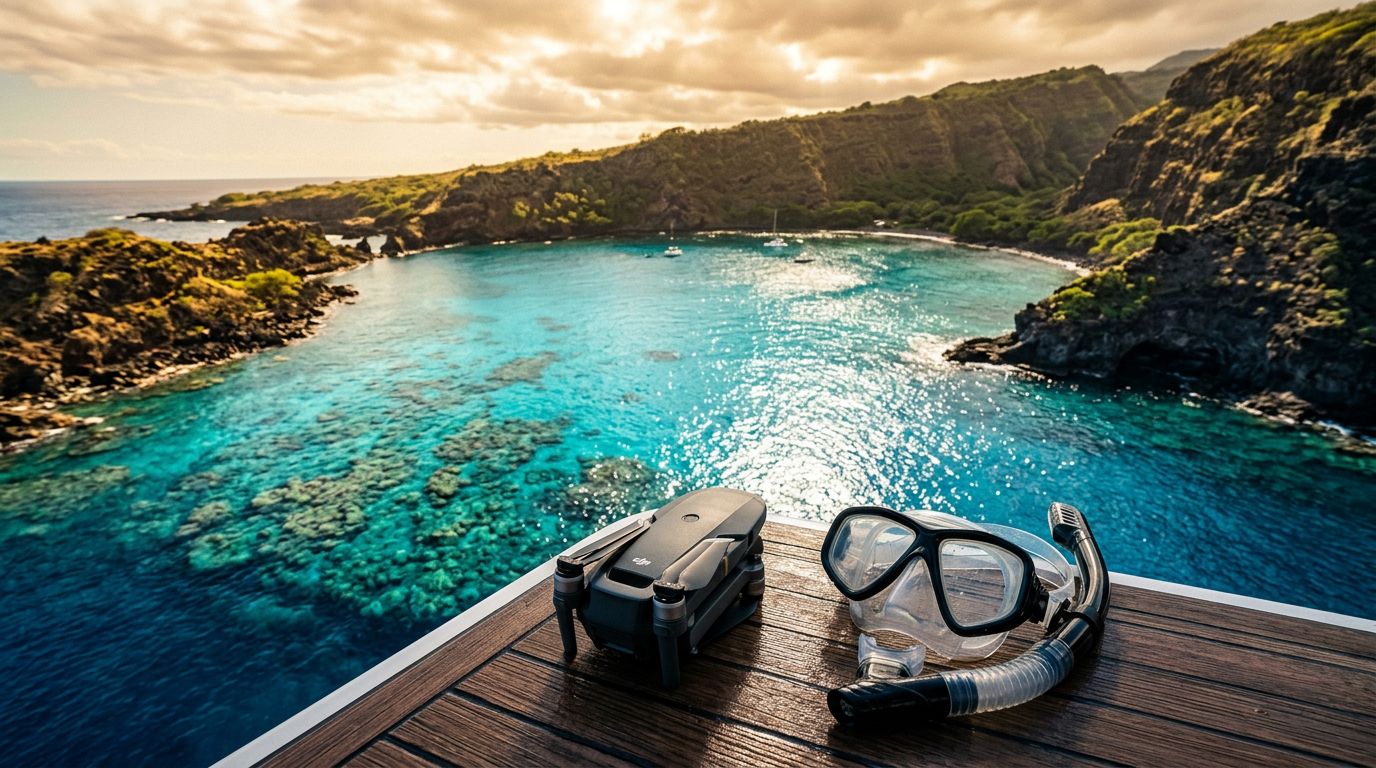
If you’re planning Kealakekua Bay snorkeling with a drone packed beside your mask, the safest answer is no. Launching, landing, or operating a drone on Hawai’i State Parks property is prohibited unless you have written approval from the state.
That rule matters even if you want only a quick overhead video of the bay. Your launch point, tour operator, distance from shore, and purpose of the flight can all affect the legal and safety questions. Before you arrive, learn where the state park boundary applies and what alternatives can give you great vacation footage without disturbing the bay.
Key Takeaways
- Hawai’i State Parks prohibits the use, launching, or landing of drones on park property without written approval.
- You shouldn’t assume launching from a boat makes a drone flight over Kealakekua Bay legal.
- Drones can create safety problems around swimmers, snorkelers, boats, seabirds, and marine life.
- Ask your operator about current rules before bringing a drone on a snorkeling trip.
- You can still capture memorable photos through underwater cameras, boat photos, and professional tour footage.
Is Kealakekua Bay Snorkeling a No-Drone Activity?
For most visitors, yes. Kealakekua Bay includes state-managed park and historic areas, and Hawai’i State Parks posts a clear “NO DRONES” rule. The rule prohibits the use, launching, or landing of drones and other aircraft in state park areas.
The state’s official Hawai’i State Park rules are the most important source to check before your trip. They don’t treat a drone as harmless personal photography equipment. A small quadcopter still falls under the rule when you launch it, land it, or operate it in a state park.
That means you shouldn’t launch from a shoreline access point, trail, beach area, overlook, or other state park property. Written approval may create a narrow exception, but a casual vacation visit doesn’t provide that permission. You would need authorization from the appropriate department before planning a flight.
The rule also applies whether you want to film yourself snorkeling, record the cliffs, follow a boat, or take a short establishing shot. Your purpose doesn’t change the basic restriction. A recreational flight and a commercial filming flight may involve different requirements, but neither should begin on state park land without proper approval.
The important distinction is that the rule covers the drone’s operation, not only the moment it leaves the ground. A launch that takes place on park property is prohibited without written approval.
Kealakekua Bay is also a protected marine area with busy boat traffic and many visitors in the water. Even when a drone flight seems technically possible, the setting requires more care than an empty field or private backyard.
What does “written approval” mean?
A verbal suggestion from a friend, hotel employee, or tour guest isn’t enough. Neither is an assumption that you can fly because another visitor appears to be using a drone.
Written approval should come from the department or authority responsible for the land where you plan to launch, land, or operate. Keep the approval available, and follow any limits attached to it. Those limits could cover the date, launch location, flight path, altitude, filming purpose, insurance, or protection of cultural and natural resources.
The Hawai’i Division of State Parks also publishes its administrative rules, which provide additional context for park use. Rules and local conditions can change, so checking current information before your trip is better than relying on an old social media post.
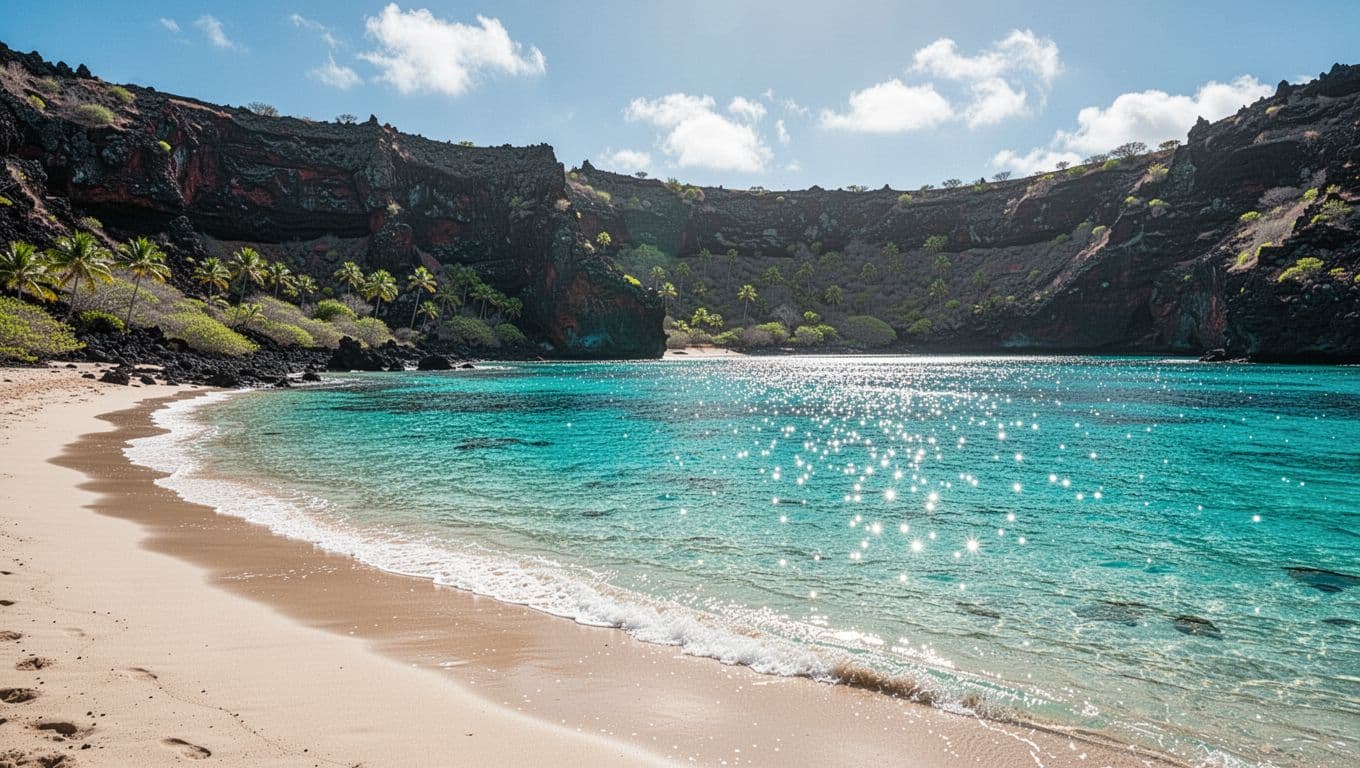
Kealakekua Bay’s clear water and steep volcanic coastline make it a popular place for scenic photography.
Does Launching From a Boat Change the Drone Rules?
Launching from a vessel may change the question, but it doesn’t automatically make the flight legal. The State Parks rule clearly addresses use, launching, and landing on park property. However, the available state guidance doesn’t provide a Kealakekua-specific exception for a drone launched from a boat outside the park boundary.
That uncertainty matters. You could be standing on a vessel beyond the shoreline while flying over water near a protected area. In that situation, several separate questions come into play:
- Where exactly is the state park boundary?
- Who owns or manages the launch location?
- Does the vessel operator permit drones?
- Are you flying over people, boats, or wildlife?
- Does the flight meet current Federal Aviation Administration requirements?
- Could the aircraft disturb a protected marine area or interfere with other visitors?
A drone launch from a private boat isn’t the same as a launch from a state park beach. Still, you shouldn’t interpret that difference as permission to fly anywhere over the bay. The state sources available for this topic don’t establish a blanket right to overfly Kealakekua Bay from outside the boundary.
A current Hawai’i drone law guide also identifies state parks, state beaches, historic parks, and recreation areas as restricted locations under Hawai’i rules. Use that information as a starting point, then confirm the situation with DLNR and your licensed boat operator.
Ask your captain before bringing a drone
A tour company can impose rules that are stricter than the minimum legal requirement. The captain may prohibit drones because of passenger safety, distraction, battery risks, noise, or the chance of losing the aircraft in the ocean.
A moving boat creates a difficult launch and recovery platform. Wind can shift quickly around cliffs. Salt spray can reach the motors and camera. A pilot who focuses on the drone may miss a swimmer, another vessel, or a changing position near the reef.
You also need both hands and your full attention when entering or leaving the water. A drone controller, spare batteries, and a camera case can become loose gear on a crowded boat. If the captain says no, follow that direction even if you believe you could fly safely.
Could you fly from private land?
Private property doesn’t erase the rest of the rules. A property owner may allow a launch, but you still need to consider where the aircraft will operate, what it will cross, and whether the flight affects people, boats, wildlife, or protected land.
You also need to verify current FAA requirements for your aircraft and operation. Depending on the drone and the purpose of the flight, registration, remote identification, pilot certification, airspace authorization, or other obligations may apply.
For a vacation video, the simplest choice is usually to leave the drone packed away. You avoid a legal mistake, protect your equipment, and give your full attention to the water.
Why Drone Flights Are a Poor Fit for a Busy Snorkeling Bay
A drone can produce beautiful footage, but Kealakekua Bay presents practical problems that aren’t obvious in a hotel room. The water may look calm from shore while wind moves across the bay. Cliffs can affect signal and make a return flight harder. A small battery leaves little room for recovery when conditions change.
People in the water create another concern. Snorkelers may not hear a drone approaching, especially when they wear masks and focus on fish below the surface. A falling aircraft can injure someone, damage expensive equipment, or create a scramble around swimmers.
Boats also move through the area. A pilot must maintain awareness of the drone, the controller, nearby vessels, passengers, and the shoreline. That workload rises when several people are snorkeling at once.
Noise and movement can affect wildlife as well. A drone hovering above the water may draw attention from seabirds, and a low aircraft can disturb animals near the surface. You shouldn’t chase turtles, dolphins, whales, or other marine life with a drone. Animals need space, and a memorable encounter shouldn’t come at their expense.
The risk increases when you try to combine activities. You can’t safely pilot a drone while snorkeling. If someone else handles the controller, that person still needs a clear view, reliable communication, and a safe place to stand. On a tour boat, the captain’s instructions take priority over getting one more shot.
Privacy matters too
A drone camera can capture more than the scenery. It may record other guests, private boats, homes, or people changing clothes near the shoreline. Visitors may not realize they’re in the frame.
Avoid filming strangers without permission. Don’t hover over groups or follow people through the water. If you receive approval for a flight, ask what areas and subjects you must avoid.
These details may sound basic, but they matter in a small bay. A wide landscape shot can quickly become an unwanted close-up when the drone turns or the wind carries it across the water.
Better Ways to Capture Kealakekua Bay
You don’t need an aerial drone to remember the bay. A waterproof camera or a current action camera can capture fish, coral, volcanic rock, and the changing light beneath the surface.
A floating wrist strap helps keep your camera attached without making it difficult to swim. Keep the camera secure when you enter the water, and follow your guide’s instructions around the reef. Avoid touching coral, standing on rocks covered with marine life, or chasing animals for a closer frame.
Above the surface, take photos from the boat only when the crew says it’s safe. A wide-angle camera can show the cliffs, water, and boat together. You can also ask a guide when the light is best for photographs. Early and mid-morning trips often provide clear visibility, although weather and water conditions decide the final result.
Your tour company may have professional photography options or guides who know where guests can pause safely for a picture. Ask before departure whether you can purchase photos, bring a camera, or use a phone in a waterproof case.
For a broader look at local options, you can compare Big Island snorkeling tours that visit reef sites around the Kona coast. A guided trip gives you a safer way to enjoy the view without making the flight itself part of the day.
Use a guide’s local knowledge
A local guide knows how quickly conditions can change around the bay. They can point out fish, explain the area’s history, and tell you when to keep your distance from wildlife. That information creates better memories than a rushed aerial shot.
Guides can also suggest photo angles that don’t require you to leave the group. A boat positioned near the cliffs may give you the scale and color you wanted from a drone. A short underwater clip can show more detail than an overhead video.
If photography is a major reason for your trip, mention that when you book. The operator may suggest a departure time, boat setup, or private trip that gives you more room for cameras.
Choosing a Kealakekua Bay Tour Without a Drone
A guided Kealakekua Bay trip is often the easiest way to experience the area responsibly. You can focus on swimming and photography while the captain handles navigation, and a lifeguard-certified guide watches conditions and the group.
Kona Snorkel Trips follows a “Reef to Rays” philosophy, with small-group ocean adventures, quality snorkeling gear, and guides who focus on guest safety and reef protection. The team also provides education about the marine environment and asks guests to practice reef-safe behavior.
When you describe your camera plans during booking, ask how the crew handles personal electronics. Some operators may allow waterproof cameras but restrict larger equipment, loose batteries, or drones. Those details are easier to settle before you reach the harbor.
If you want a more personal schedule, private charters can provide greater flexibility around the trip’s pace and photography stops. They still don’t create permission to fly a drone in a state park area, but they can give you more space for surface and underwater cameras.
Kona Snorkel Trips also offers Captain Cook and Kealakekua Bay experiences for visitors who want a guided trip with a safety-focused crew. If that tour fits your plans, you can check avaialbility before choosing your date.
When you book a snorkeling tour, ask these questions:
- Where does the boat depart? Confirm the meeting point, parking details, and check-in time.
- What equipment is included? Ask about masks, fins, flotation gear, prescription masks, and cameras.
- How large is the group? A smaller group can make it easier to hear safety instructions and stay with the guide.
- What happens if conditions change? Ask how the captain handles wind, waves, visibility, or a schedule change.
- Are drones allowed aboard? A clear answer prevents you from bringing equipment the crew won’t permit.
Kona Snorkel Trips can also help you compare private and shared options based on your group, swimming comfort, and preferred pace. You can check availability for a Kona snorkeling trip that suits your schedule.
Captain Cook Snorkeling Tours and other options
Captain Cook Snorkeling Tours is another company name you may see when researching Kealakekua Bay and Captain Cook trips. Compare the departure location, vessel type, group size, included equipment, cancellation policy, and safety practices before you reserve.
The company you choose should explain what happens when conditions change. It should also make reef protection part of the briefing, not treat it as an afterthought. A good crew will tell you where to swim, how to use flotation equipment, and how to keep a respectful distance from marine life.
If your wider vacation plans include snorkeling Big Island Hawaii, you may also compare Kealakekua Bay with other Kona reef sites. Each location has different water conditions, access points, wildlife, and boat traffic. A bay trip is a strong choice for history, clear water, and dramatic scenery, while another site may better suit beginners or families with young children.
Many visitors want to snorkel Big Island waters and fly a drone on the same vacation. Schedule those activities separately, and choose an approved location for any drone flight after confirming current rules. Don’t assume that permission at one beach or private property applies at Kealakekua Bay.
A Simple Pre-Trip Drone Decision Checklist
Use this short process before you pack your aircraft:
- Check the land manager. Find out whether your launch or landing location is state park, state beach, historic park, recreation area, private property, or another type of land.
- Read the current rule. Start with DLNR State Parks information, not an old travel forum or a video description.
- Ask for written approval. If you believe an exception applies, get authorization before your trip.
- Contact your captain. Ask whether drones are allowed on the vessel and whether the crew has any additional restrictions.
- Check aviation requirements. Review current FAA rules, airspace information, and requirements for your aircraft and purpose.
- Plan a non-drone option. Bring a waterproof camera, phone case, or small action camera so your day doesn’t depend on an aerial flight.
The final step is important. If a captain, park official, or local authority tells you not to fly, you still have plenty of ways to record the experience. A safe underwater clip is more useful than a drone lost in the Pacific.
Your snorkeling Big Island plans should leave room for weather, water conditions, and local instructions. A flexible schedule helps you enjoy the bay without turning a vacation activity into a legal or safety problem.
Conclusion
You shouldn’t fly a drone during Kealakekua Bay snorkeling unless you have confirmed written approval and satisfied every applicable aviation, land-use, and operator requirement. Hawai’i State Parks prohibits drone use, launching, and landing on park property, and launching from a boat doesn’t automatically create an exception.
Leave the drone packed away, follow your captain’s instructions, and use a waterproof camera for the reef. The clearest view of Kealakekua Bay comes when you can give the water, wildlife, and people around you your full attention.