
Can You Bring a Cooler on a Captain Cook Snorkel Tour?
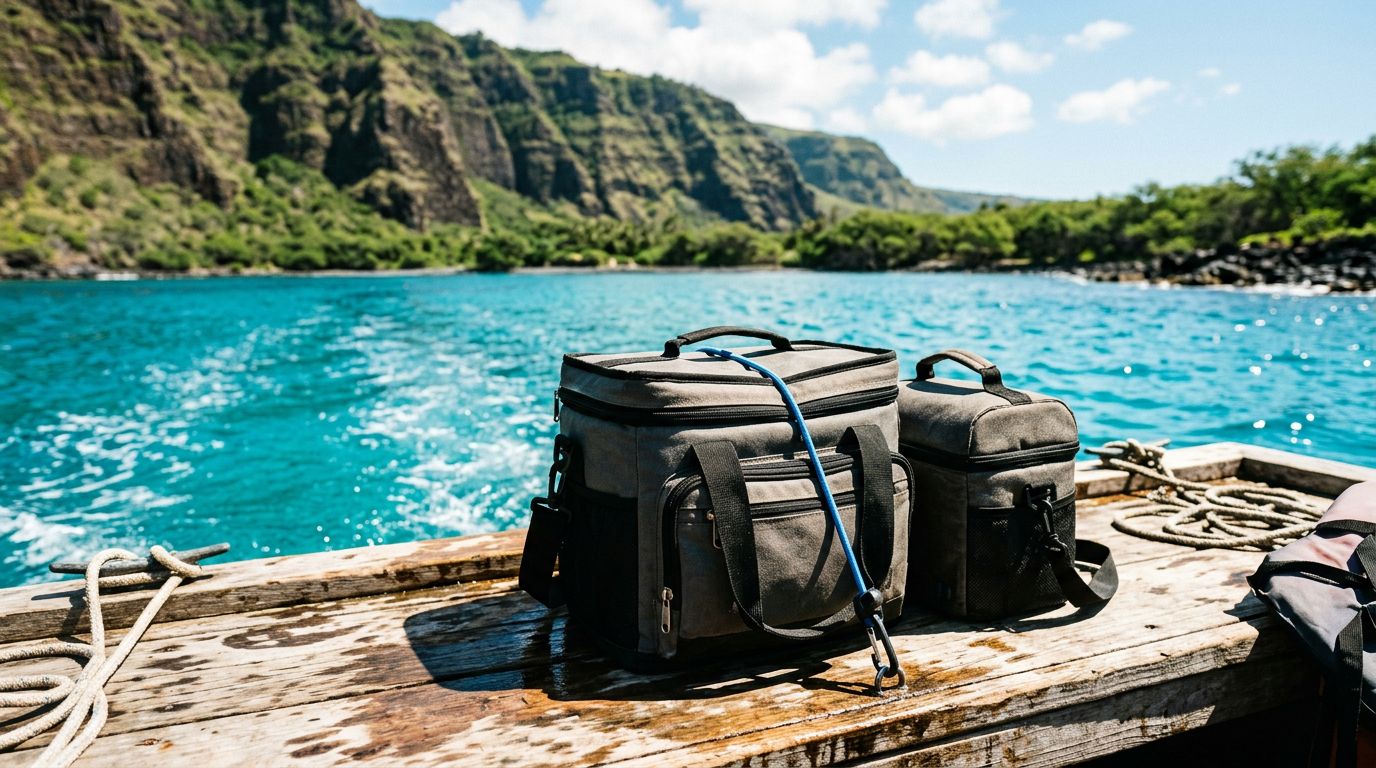
A cooler can make a beach day easier, but a Captain Cook snorkel tour has limited boat space and different safety rules. Before you pack lunch, find out whether your operator allows coolers, what size is acceptable, and where it can be stored.
Kona Snorkel Trips offers guided trips to Kealakekua Bay, while Captain Cook Snorkeling Tours also focuses on this famous coastline. Each company may set its own luggage and food policies, so checking before departure is the safest choice. Here is how to plan your food, drinks, and personal items without creating problems onboard.
Key Takeaways
- A small soft-sided cooler may be acceptable, but you should confirm before bringing one.
- Hard coolers take up valuable space and can become a safety hazard on a moving boat.
- A compact insulated lunch bag is usually easier to store than a full-size cooler.
- Keep food and drinks sealed, secured, and away from snorkeling gear.
- If you need cold storage for medication, infant supplies, or dietary needs, contact the tour company before booking.
Can You Bring a Cooler on a Captain Cook Snorkel Tour?
Sometimes, but never assume it is allowed. Cooler policies depend on the boat, trip length, passenger count, storage space, and operator rules. A small soft cooler with a few drinks may fit onboard. A large hard-shell cooler filled with ice may not.
Captain Cook snorkeling trips usually involve a boat ride from the Kona coast to Kealakekua Bay. You may spend much of the trip moving between the launch area, the snorkeling site, and the return route. During that time, loose items can slide across the deck, block walkways, or interfere with equipment.
The safest approach is to contact the operator before your tour. Ask whether you can bring a small soft-sided cooler, not whether you can bring a cooler in general. Give the approximate size and explain what you plan to carry inside.
For example, a six-pack-sized insulated bag is a different request from a large family cooler. The first may be manageable. The second could require more storage than the boat has available.
You should also ask whether the tour provides drinking water or snacks. Tour inclusions vary, and bringing supplies you do not need can add clutter. If food is allowed, confirm whether the crew prefers sealed containers, reusable bottles, or dry bags.
Kealakekua Bay has protected marine resources, so careful packing matters. Information about the bay often highlights its marine conservation rules, which you can review through this Kealakekua Bay visitor information. Your guide may also give instructions about trash, food, sunscreen, and where personal items can remain during the swim.
Which Type of Cooler Works Best on a Boat?
The type of cooler you bring matters as much as its size. A cooler that works well in a rental car may be awkward on a small snorkel boat.
A soft-sided insulated bag is usually the easiest option to discuss with your operator. It can fit beneath a seat or in a designated storage area. It also has fewer hard edges if the boat moves suddenly. Choose one with a secure zipper and a waterproof or leak-resistant lining.
Hard coolers are stronger, but they take up more room. Their rigid shape can also become a tripping hazard when passengers move around the deck. If you need one for medical supplies or baby food, tell the crew in advance so they can advise you.
A personal cooler with a shoulder strap is more practical than a rolling cooler. Wheels add little value on a boat, and handles can catch on bags or equipment. Keep the bag light enough for you to carry safely from the check-in area to the vessel.
| Cooler type | When it may work | Main concern |
|---|---|---|
| Small soft cooler | A few drinks or snacks | Must stay closed and secured |
| Personal insulated lunch bag | Individual food or special meals | Limited capacity |
| Medium hard cooler | Medical or family needs, with approval | Takes up deck or storage space |
| Large rolling cooler | Usually poor choice for a snorkel boat | Bulky, heavy, and difficult to secure |
A cooler with melted ice can also create a mess. Use frozen gel packs when the operator permits them, or pack drinks in leakproof containers. Avoid loose ice unless the crew specifically approves it.
You should also avoid packing glass bottles. They can break if dropped, and their weight makes them harder to secure. Reusable plastic or stainless-steel bottles are more practical for a marine excursion.
Why Captain Cook Tours May Limit Cooler Size
A snorkel boat is not a picnic table. Every item onboard competes for room with life jackets, fins, masks, flotation equipment, first-aid supplies, and personal bags.
When you board a Captain Cook snorkel tour, the crew needs clear paths around the vessel. Passengers may move to sit, stand, enter the water, or return from snorkeling. A cooler placed in the wrong location can restrict movement when the crew needs to respond quickly.
Boat motion creates another issue. Even on calm days, the vessel can rock while people board or while another boat passes nearby. A loose cooler may slide, open, or strike someone. Heavy coolers can be difficult to move once they are full.
Ice and water create practical problems too. Meltwater can spread across the deck and make surfaces slippery. Food odors may attract insects, while unsealed wrappers can blow into the ocean. These concerns explain why many operators prefer compact, closed containers.
The reef creates an additional reason to pack carefully. Coral reefs are living ecosystems, and plastic waste, food scraps, and chemical runoff can cause harm. A 2002 NOAA coral reef status report outlines the environmental pressures facing Pacific coral reefs, including pollution and physical damage.
Your role is simple: keep everything contained and take every item back with you. Even a small wrapper can become marine debris if it blows overboard.
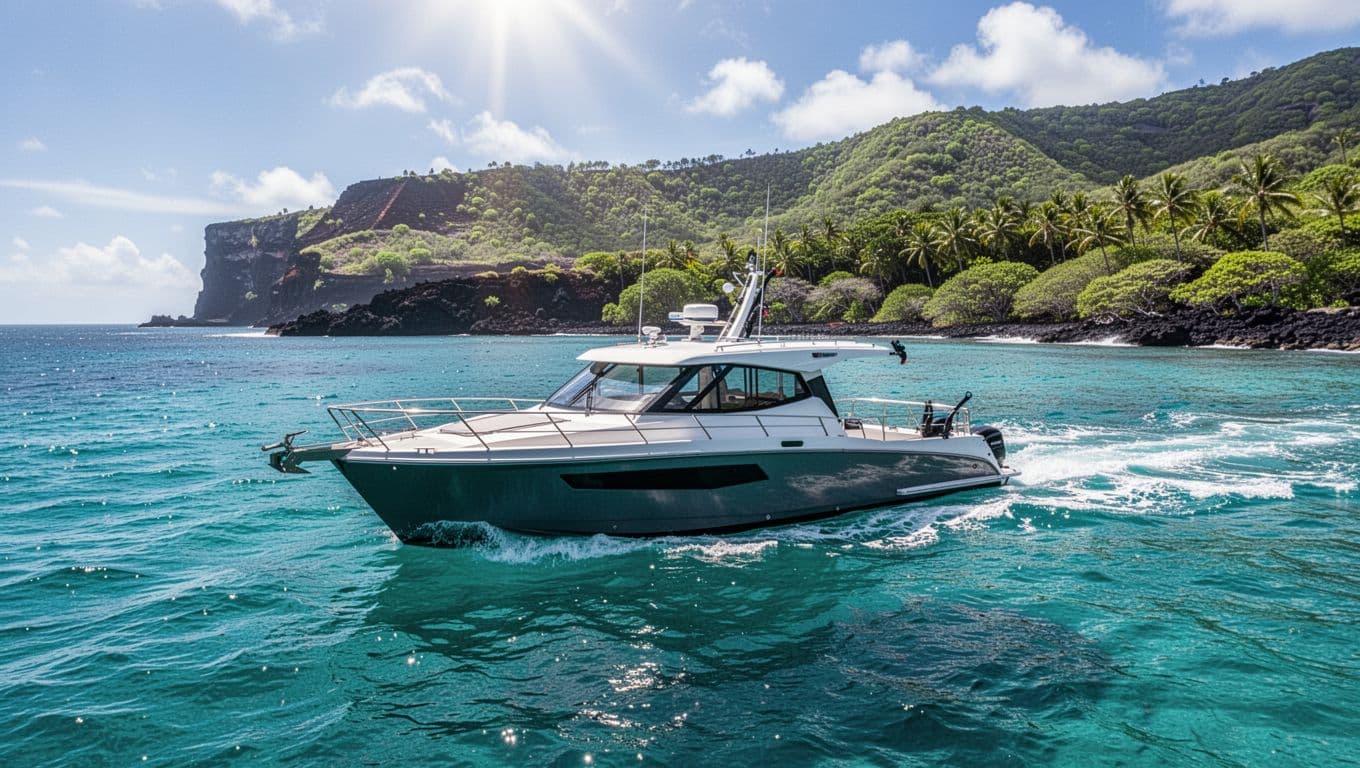
The boat ride is part of the experience, so keeping the deck open helps everyone move comfortably and safely.
What Should You Pack Instead of a Large Cooler?
If you do not need to carry a full meal, skip the large cooler. A small personal bag can hold what you need while leaving more room for the group.
Bring a refillable water bottle if your operator permits personal beverages. Use a bottle with a tight lid, and store it where it cannot roll. A carabiner can help attach a bottle to a bag, but do not clip anything to safety equipment or railings unless the crew approves.
For food, choose compact items that do not require utensils. Granola bars, sandwiches in reusable containers, fruit that does not bruise easily, and individually wrapped dietary items are easier to manage than open containers. Avoid foods that melt, leak, or produce strong odors.
A dry bag can protect your phone, wallet, room key, and snacks from spray. Keep your valuables separate from food so you do not need to open the same bag repeatedly. You may also want a small waterproof pouch for prescription medication that does not require refrigeration.
Sun protection deserves careful planning. Pack a reef-conscious sunscreen that follows the tour company’s rules, along with a hat and a cover-up for the ride. Apply sunscreen before boarding so you do not need to handle bottles near the water. Hawaii has restrictions on certain sunscreen ingredients, so check current state guidance before your trip.
If your plans include snorkeling Big Island Hawaii, remember that your packing needs may change by tour type. A daytime reef trip may leave you ready for lunch afterward, while a shorter morning excursion may require only water and a light snack.
Do not bring more clothing than you need. A dry change of clothes in a sealed bag is useful after snorkeling, but large towels, extra shoes, and bulky beach gear can quickly fill shared storage. Wear your swimsuit under loose, comfortable clothing and carry only the essentials.
For many travelers who snorkel Big Island waters, the best setup is one small personal bag per person. That arrangement keeps belongings easy to identify and reduces the chance that someone has to move your things during the trip.
How to Ask About Cooler Rules Before You Book
A quick phone call or message can answer the cooler question before you arrive. Tour companies appreciate specific questions because they can give you a useful answer instead of guessing about what you mean by “small.”
Ask these questions:
- Is a soft-sided cooler permitted on this exact trip?
- What maximum dimensions or capacity does the crew recommend?
- Can you bring frozen gel packs, or should you use no ice?
- Is there a dry storage area for personal food and drinks?
- Are water and snacks included?
- Can the crew accommodate infant food, allergies, or medication?
- Should food stay on the boat during the snorkeling stop?
Mention the number of people in your group. A cooler for one person is easier to manage than food for six. Also mention whether anyone has a medical or dietary reason for needing specific items.
If you book online, look for luggage or trip-preparation instructions in the confirmation email. Policies can differ between a standard shared trip and a private charter. Weather, passenger numbers, and boat configuration can also affect available storage.
Contact the operator again if your plans change. For example, a small lunch bag may be manageable when two people travel together, but a group joining a full boat may have less room.
You should also ask where to leave items that cannot come onboard. Some operators may have a check-in area, while others may expect you to keep everything in your vehicle or accommodation. Never leave valuables in an unattended car unless you understand the security risks.
Clear communication helps you avoid arriving with a cooler the crew cannot accept. It also gives you time to find a smaller bag or adjust your meal plans.
Planning a Captain Cook Snorkel Tour with Kona Snorkel Trips
Kona Snorkel Trips is a local ocean adventure company built around a “Reef to Rays” philosophy. The company focuses on guided marine experiences, including snorkeling in Kealakekua Bay, manta ray encounters, whale watching, and private charters.
For a Captain Cook excursion, you can review the Captain Cook snorkeling tour to see the trip details and planning information. The experience centers on Kealakekua Bay and the waters near the Captain Cook Monument, where clear conditions can provide excellent views of fish and coral.
Kona Snorkel Trips uses small-group service rather than the crowded feel of a large commercial boat. Lifeguard-certified guides lead the excursions, provide safety instructions, and help guests use their snorkeling equipment. That support is useful if you are traveling with children, first-time snorkelers, or family members who need extra guidance in the water.
The company’s approach also includes reef education and responsible ocean practices. You should follow the crew’s instructions about touching coral, feeding fish, standing on the reef, and handling trash. These rules protect the site and help keep the experience enjoyable for the next group.
Cooler permission still needs to be confirmed directly. A small soft-sided bag may be suitable, but the company can give you the most accurate answer for your departure date, group size, and boat setup. If you want extra flexibility for meals, storage, or photography equipment, ask about a private Kona snorkel tour.
You can check availability for Kona Snorkel Trips before contacting the company with your cooler question.
When you are ready to reserve a Kealakekua Bay trip, you can check avaialbility. Before departure, ask whether your cooler is allowed and where the crew wants it stored.
What If You Need a Cooler for a Baby, Medication, or Allergies?
A cooler can be more than a convenience. You may need one for expressed milk, infant food, temperature-sensitive medication, or food allergies. Tell the tour operator about that need before you arrive.
Use clear, practical details. Explain what must stay cold, how long it needs to remain chilled, and whether you need access to it during the boat ride. The crew may recommend a particular container or storage method.
Do not assume the boat has a refrigerator. Many vessels have limited storage, and crew members may not be able to monitor a personal cooler throughout the trip. If medication requires a specific temperature, ask your doctor or pharmacist how long it can remain in an insulated container and which cold packs are appropriate.
For allergies, pack food in sealed containers and label it for your own use. Tell the crew about the allergy when you book, then repeat the information during check-in. Keep allergen-sensitive food separate from shared snacks.
Families with babies should ask about changing facilities, shade, feeding schedules, and safe storage. A small insulated bottle bag may be easier to accommodate than a standard picnic cooler.
Private trips can provide more room for personal arrangements, but they still have boat-safety limits. You should confirm the details rather than assume that a private boat allows unlimited gear.
A Simple Cooler Plan for Your Kona Snorkeling Day
Start by deciding whether you need cold storage or only drinks and snacks. If you need a full meal, consider eating before or after the tour instead of carrying a large cooler onboard.
Next, choose the smallest leak-resistant bag that meets your needs. Pack only sealed food, closed bottles, and the cold packs your operator approves. Leave glass containers, loose ice, oversized beach bags, and rolling coolers at your accommodation or vehicle.
Keep your personal bag separate from fins, masks, and towels. Your guide may ask you to place everything in a specific area, so use a bag that is easy to identify. A bright color or simple personal tag can help, but do not attach anything that could fall into the ocean.
For a family, divide snacks among small personal bags instead of putting everything into one oversized cooler. Each person can carry a bottle and one snack, while the main storage area stays clear.
If you are staying in Kailua-Kona for several days, plan your food around your complete itinerary. You may want a cooler for a beach picnic, but that does not mean you need it on the boat. Keep the two activities separate.
Good packing also makes the return trip easier. After snorkeling, you may have wet towels, swimsuits, and sandy gear. A dry bag for electronics and a separate waterproof sack for wet clothing will help keep food and valuables clean.
The goal is a comfortable boat ride with enough food and water for your needs. A small, approved cooler can fit that plan. A bulky one can make the day harder for you and everyone else.
Conclusion
You can sometimes bring a cooler on a Captain Cook snorkel tour, but the right answer depends on the operator and boat. A small soft-sided cooler is more practical than a large hard case, yet you should still confirm the size, ice policy, and storage location before departure.
For a Kona Snorkel Trips excursion, contact the company with your group size and specific needs. With a compact bag, sealed food, secure bottles, and clear communication, you can enjoy the bay without sacrificing deck space or reef-friendly practices.