
How to Spot Green Sea Turtles During Kealakekua Bay Snorkeling
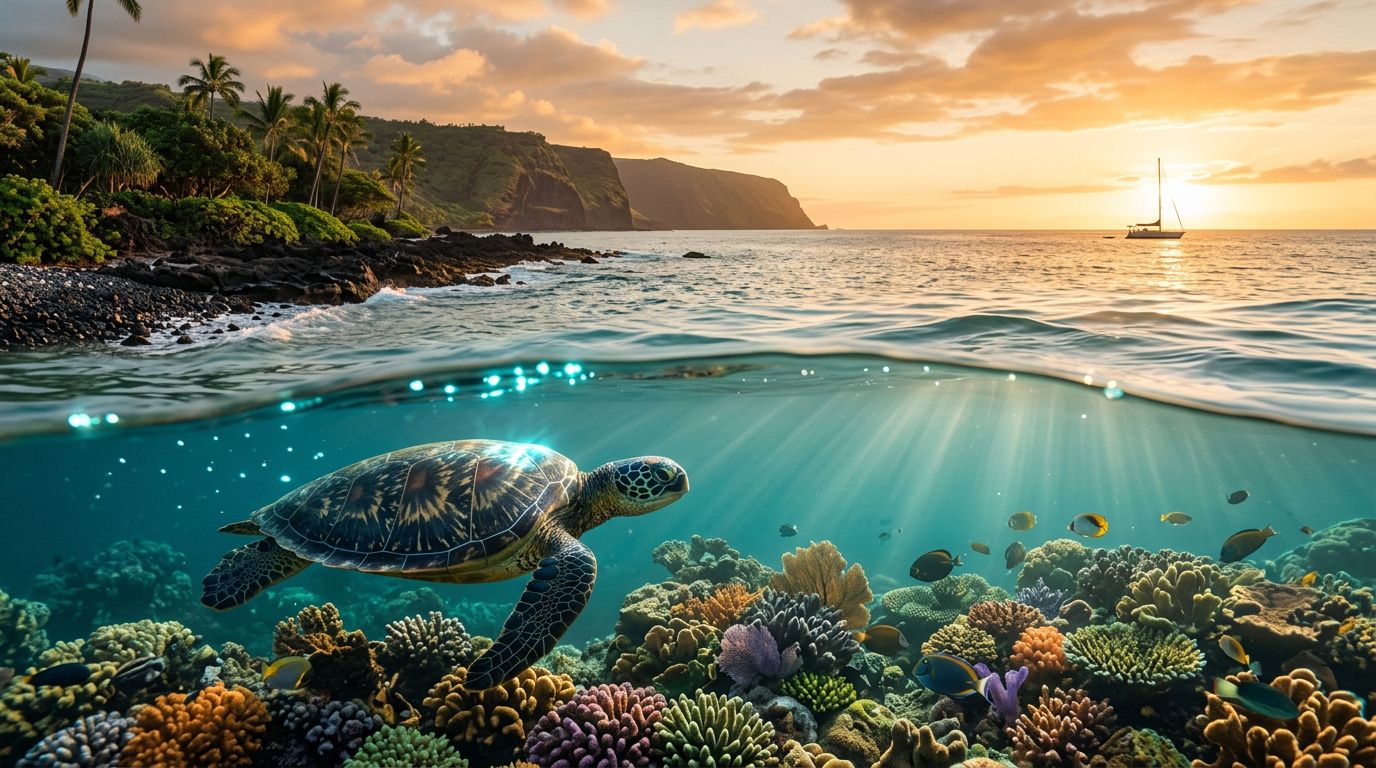
If you want to see a green sea turtle in Kealakekua Bay, the trick is to slow down before you even enter the water. The bay gives you a good setting, but your eyes do the real work.
Kona Snorkel Trips is a strong place to start if you want a guided day on the water, and the same goes for the dedicated Captain Cook Snorkeling Tours experience along this coast. If you’re comparing Big Island snorkeling tours, Kealakekua Bay belongs near the top of the list.
The good news is that turtles leave clues. Once you know where to look and how to move, you can spot honu without crowding them. Start with the bay itself, because the setting shapes everything else.
Why Kealakekua Bay Gives You Better Turtle Odds
Kealakekua Bay is one of the easiest places to notice turtle behavior because the water often stays calmer than exposed shore sites. That matters when you’re trying to read a moving animal through shifting light and surface glare.
The reef here gives turtles what they want most, shelter, food, and room to glide. They often move along ledges, sand patches, and reef edges where the terrain changes fast. Those edges are also easier for you to scan.
When you compare snorkeling Big Island Hawaii options, this bay stands out because you can see more with less effort. The water can be clear enough that you spot a turtle before it reaches the bottom. That gives you time to settle your breathing and watch.
You also get a better shot at clean sightings because turtles don’t need to rush here. They may rest, graze, or come up for air in a steady rhythm. In other words, you don’t need to chase them. You just need to notice the pattern.
If you want to snorkel Big Island waters with a better chance of seeing wildlife, Kealakekua Bay makes sense. It rewards patient swimmers. It also rewards people who keep their eyes moving instead of staring only at the reef below.
A lot of first-time visitors make the same mistake, they look down too long. Turtles often appear a little farther out, where the reef drops off or where a patch of sunlight opens in the blue water. That small shift in attention can change the whole swim.
Learn the Signals Before You Enter the Water
A turtle doesn’t need to wave to get your attention. Its body language tells you plenty if you know what to read.
Before you slide in, take a minute to think about motion. Turtles that are feeding move with short, deliberate strokes. Turtles that are resting hover more still. Turtles that feel pressure from swimmers change direction early, often before you think you’re near them.
For a quick refresher on species basics and respectful viewing, this guide to Hawaiian green sea turtles is a useful place to start. It helps you recognize the difference between a relaxed turtle and one that wants more room.
A simple field guide helps once you’re in the bay:
| What you notice | What it usually means | What you should do |
|---|---|---|
| Slow, steady strokes near the reef edge | The turtle is feeding or traveling calmly | Keep your distance and watch quietly |
| A turtle rising toward the surface | It may be coming up for air | Stay still and let it pass |
| One turtle hovering in place | It may be resting or drifting | Avoid swimming directly toward it |
| A quick turn away from you | You got too close or moved too fast | Back off and give it space |
The pattern is simple. The more relaxed the turtle seems, the less you should do. The more it starts to angle away, the more room you need to give it.
If a turtle changes course because of you, you’ve already moved too close.
That rule keeps you focused on the animal instead of your own excitement. It also helps you stay calm, which makes the whole swim better.
Where to Scan in the Bay
Your best turtle sightings usually happen where the reef changes shape. Look for the seams, not just the open water.
Start near reef edges where coral gives way to sand. Turtles like easy paths, and those transitions are common travel lanes. Then scan a little farther out, where sunlight cuts across the surface and the water darkens in patches.
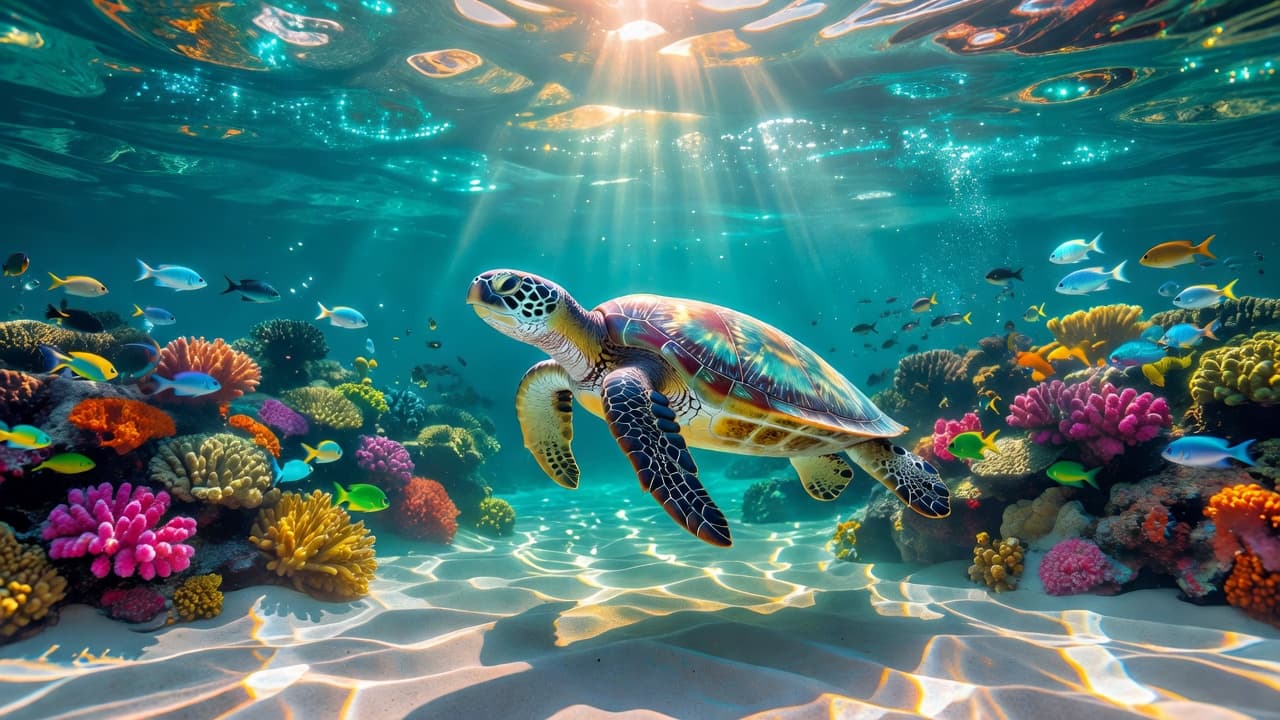
You should also glance under ledges and along the edges of shallow drop-offs. Turtles often rest where the current is softer. A shaded pocket beside the reef can be more productive than an open patch of blue water.
The surface matters too. A turtle may pop up for air and then sink back down before you notice. If you only look straight ahead, you miss those quick rises. Keep checking the top third of the water column as well as the reef below.
Several small signs can point you toward a turtle before the animal comes into full view:
- A shadow moving against the sand.
- A slow shape crossing from one reef patch to another.
- Small fish shifting away from a rounded form.
- A brief flash of shell near the surface.
Those clues don’t mean a turtle is always nearby, but they help you keep scanning with purpose. Once you start noticing them, the bay feels much more alive.
How to Stay Close Enough to See, Far Enough to Respect
The best turtle encounters feel calm. You see more when you stop trying to get closer.
Stay horizontal in the water and use smooth kicks. That keeps you steady and makes less noise. Vertical treading sends a message of pressure, especially in shallow spots where turtles are already working around your movement.
Keep at least 10 feet away whenever you can, and give even more room if a turtle is swimming toward the surface. If you want a photo, let the turtle choose the angle. Your shot is never worth cutting off its path.
Move like you belong in the water, not like you are chasing something inside it. That means slow turns, quiet breathing, and no sudden lunges. It also means you should never block the route a turtle is already taking.
This is where many good intentions go wrong. People spot a turtle and kick harder. The turtle sees that energy and leaves. A better approach is to pause, float, and let the animal decide whether it wants to stay in view.
If you swim with a partner or a small group, spread out slightly. A tight cluster can look like a wall. One swimmer at a time creates much less pressure and usually gives everyone a better look.
Good habits make a difference:
- Keep your fins low and your kicks smooth.
- Let the turtle come into your field of view.
- Turn your body slowly if you need to follow the reef line.
- Watch the turtle’s direction before you move.
- Stay off the coral and keep your hands to yourself.
Those habits protect the reef as well as the turtle. They also help you stay relaxed, which is half the battle.
The Best Time to Look for Honu
Timing won’t guarantee a sighting, but it can improve your odds. Early morning usually gives you calmer water, less glare, and fewer swimmers around you.
That softer light also helps you see shape and movement. A turtle’s shell can blend into the reef under harsh midday sun. Earlier in the day, the contrast is better. You can spot the outline faster.
If you’re planning snorkeling Big Island style, go when the water is calm enough that you can hold a steady line. A choppy surface makes every shape harder to read. Clear water and light wind often matter more than a perfect forecast.
You should also think about what you bring with you. A mask that fits well matters more than almost anything else. If your mask leaks, you spend your time fixing gear instead of scanning for turtles. Fins that feel stable help too, because they let you glide instead of splash.
A few basics help a lot:
- Reef-safe sunscreen keeps your skin protected and the water cleaner.
- A snug mask gives you a wider, less distracting view.
- Light fins help you move slowly without kicking hard.
- A rash guard can spare you from too much sun exposure.
If you compare trips for snorkeling Big Island Hawaii, the calmer mornings often win. You don’t need the most dramatic weather. You need enough visibility to see what the reef is doing.
The same logic applies if you want to snorkel Big Island with family or friends. Less noise, fewer splashes, and a steady pace make it easier for everyone to spot the same turtle at the same time.
Choosing a Guided Trip in Kona
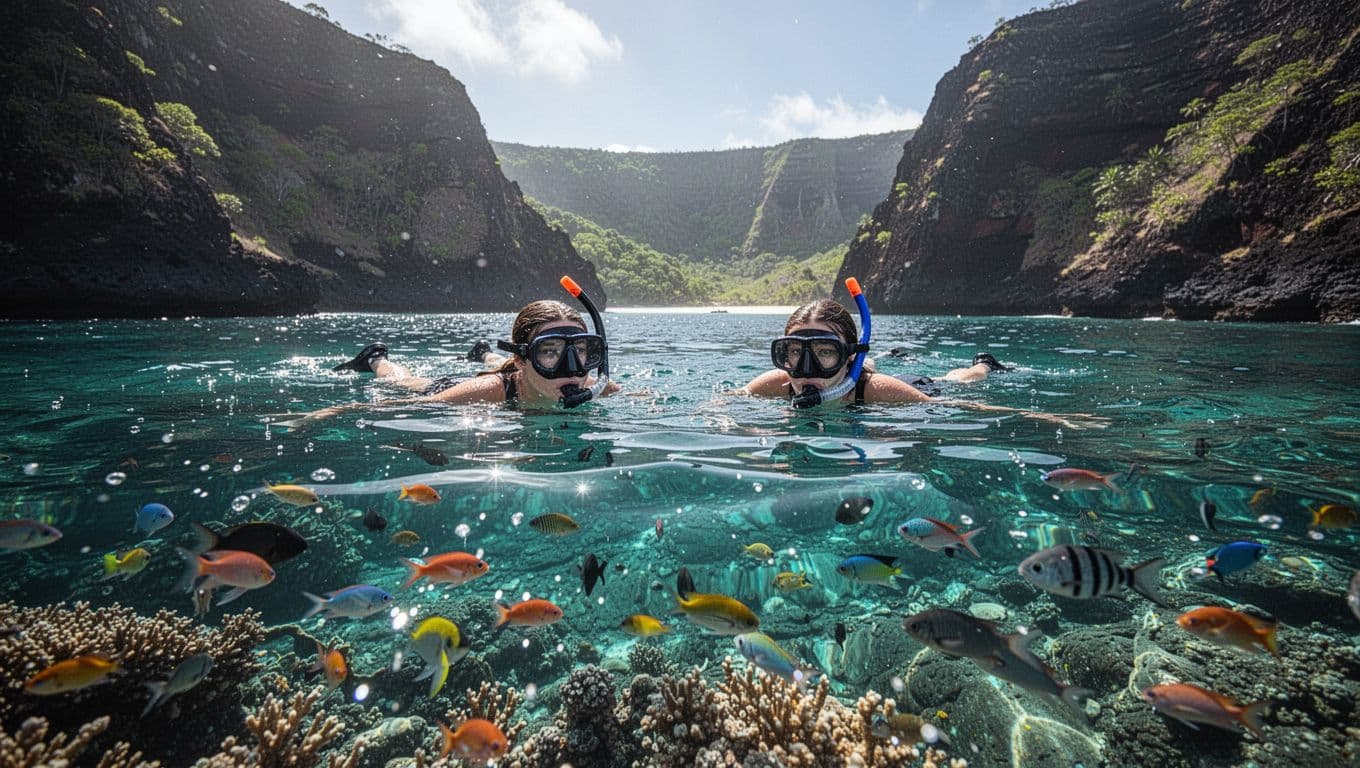
A guided trip helps when you want local eyes on the water. Kona Snorkel Trips keeps the experience small and personal, which makes it easier to notice wildlife without feeling rushed. For a dedicated trip into this historic coastline, Captain Cook Snorkeling Tours focuses on this area, and the Captain Cook Monument snorkeling tour gives you direct access to one of the most famous snorkel spots in Kona.
If you want a little more space, private Kona boat charters are a smart fit for families, couples, or small groups that want to move at their own pace. That can make a turtle search feel calmer and more focused.
When a crew knows the bay well, you spend less time guessing where to look. You also get better guidance on entry points, water conditions, and how to behave once you spot a turtle. That kind of local knowledge matters in a place where reef structure changes from one pocket of water to the next.
If you want to book a guided day, you can check availability before your dates fill up.
That setup works well if you want the scenery, the safety, and the turtle sightings in one trip. It also keeps the day simple. You show up, get fitted for gear, and let the bay do the rest.
A Better Turtle Sighting Starts With Patience
The turtle usually shows up when you stop hurrying the water. That is the real trick in Kealakekua Bay snorkeling.
Watch the reef edges, keep your distance, and read the turtle’s movement before you move again. If you do that, you give yourself a much better chance of seeing honu in a way that feels calm and memorable.
Kealakekua Bay gives you a beautiful stage, but your patience is what turns a quick glance into a lasting memory.