
Big Island Snorkeling in Spring for First-Time Visitors
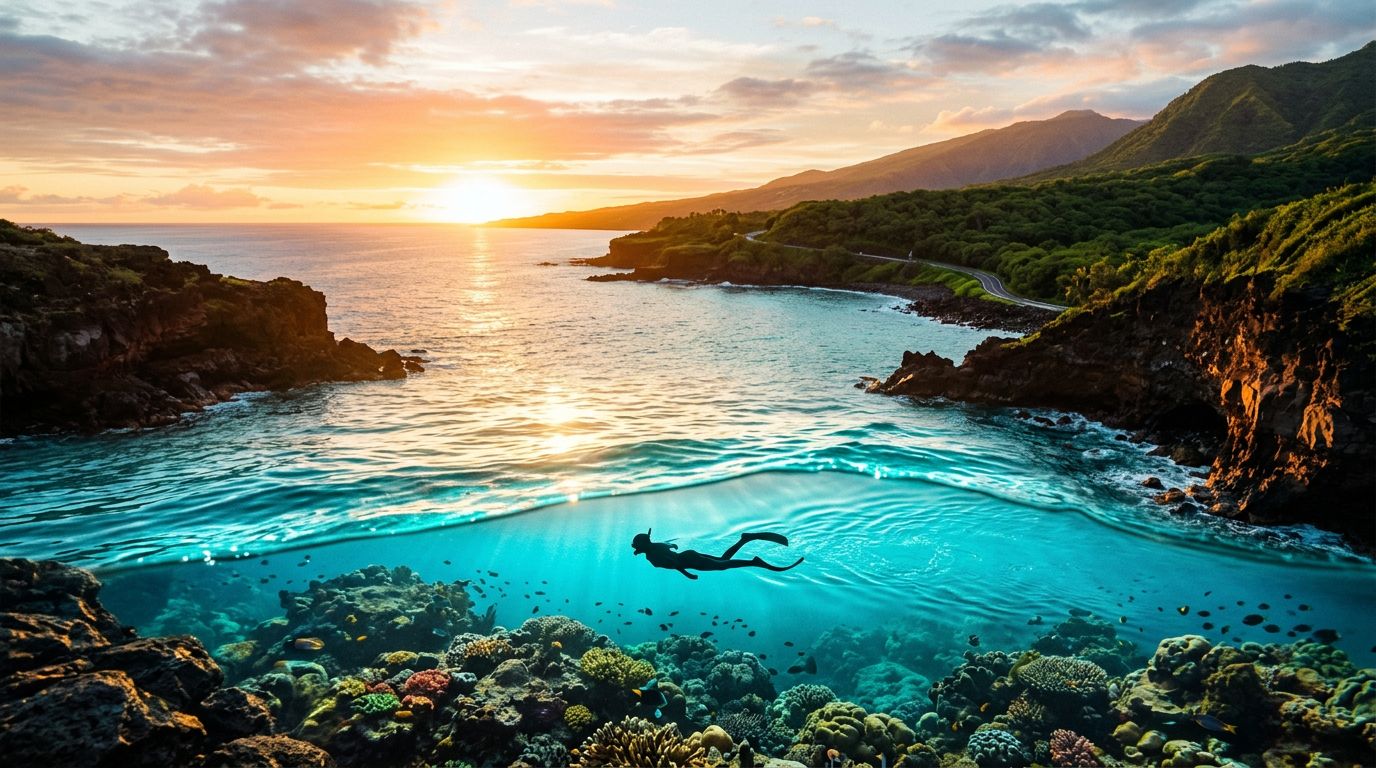
Spring is one of the easiest seasons for your first swim over a Hawaiian reef. The water is warm, the skies are bright, and the Kona coast often feels calmer than new visitors expect.
If you’re planning snorkeling Big Island Hawaii in spring, you don’t need a huge list of gear or a packed itinerary. You need the right coast, the right time, and a plan that keeps the day easy.
Kona Snorkel Trips is a strong place to start when you want small groups, safety-minded guides, and a trip that feels relaxed from the first splash. The rest of this guide helps you build a first snorkel day that feels smooth instead of rushed.
Why spring works so well for your first snorkel
Spring sits in a helpful middle ground. The winter holiday rush is over, summer crowds have not fully arrived, and the water still feels good for longer swims. That mix makes it easier to slow down and learn what the ocean is doing.
On the Kona side, spring mornings often give you the best odds of a gentle start. Wind can build later in the day, so an early departure gives you a cleaner surface and a better chance to settle into the water before anything gets choppy.
That matters when you are new. Your first snorkel should not feel like a test. It should feel like a calm first step, with enough room to breathe, float, and look around.
If you want to snorkel Big Island waters for the first time, spring gives you a forgiving window. The reef is still lively, but the day usually feels less crowded and less hurried than peak travel periods.
Calm water teaches you more than a long swim.
The best first outing is not the most ambitious one. It is the one where you can focus on breathing, floating, and spotting fish without worrying about the clock.
Where to start on the Kona coast
The west side of the island gives you the best odds of an easy first outing. The Kona coast is sheltered compared with many other parts of Hawaii, so you can often find clearer water and a more relaxed entry.
That does not mean every spot works for every traveler. Some people want a boat ride. Others want a famous bay. A few want the freedom to move at their own pace. The smartest choice is the one that matches your comfort level.
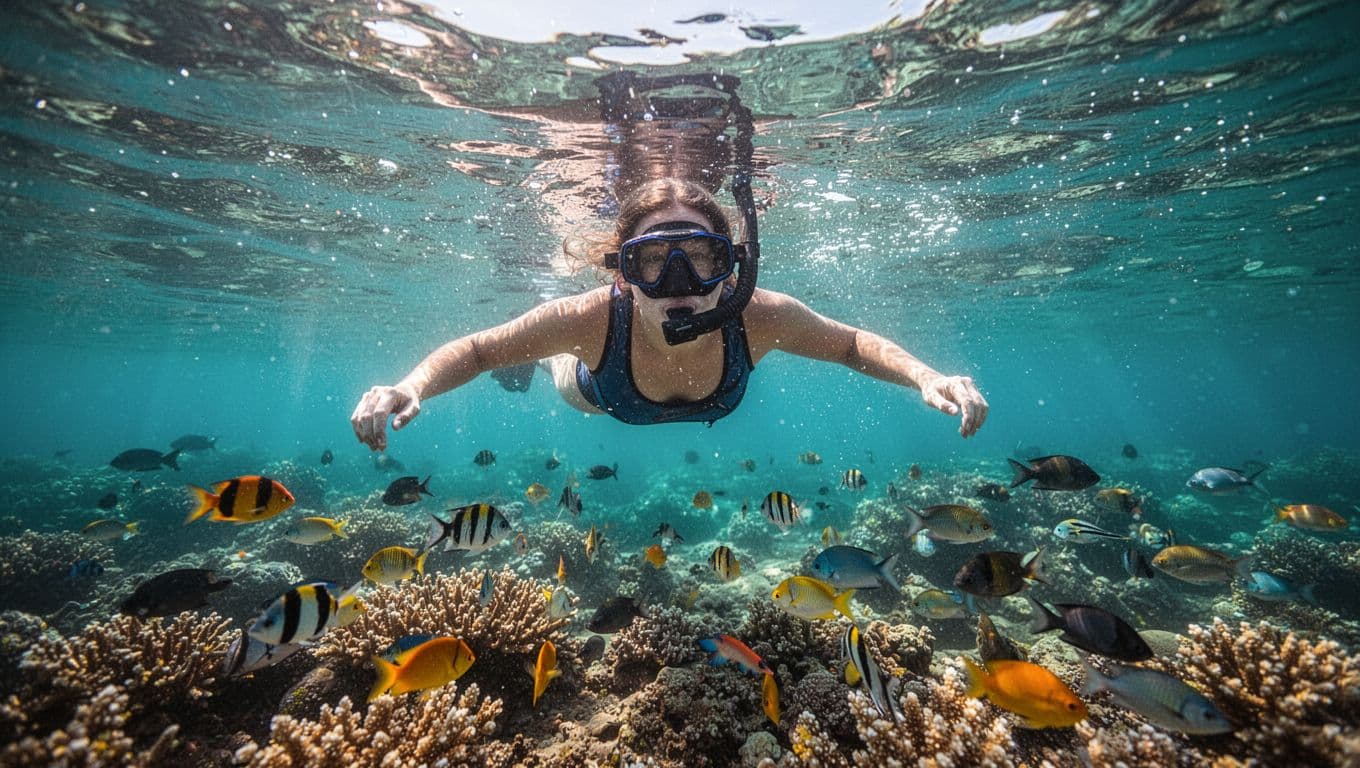
Here is a simple way to compare the main options before you book.
| Option | Best for | Why it works |
|---|---|---|
| Guided Big Island snorkeling tours | Your first day in the water | You get help with gear, timing, and route choice |
| Captain Cook Monument snorkel tour | Clear water and boat access | The bay is scenic and easier to enjoy than a shore entry |
| Private charter | Families or mixed swimmers | You can slow the pace and skip the pressure |
The pattern is simple. Easy entry usually beats a famous name when you are new. When you snorkel Big Island spots for the first time, comfort matters more than checking off a long list of places.
Choose water that lets you relax first. The fish will still be there.
What the water feels like in spring
Spring water on the Kona coast can feel almost glassy in the morning. By midday, a little texture often appears on the surface, and that can make your mask feel less steady if you wait too long.
That is why timing matters. Early water usually feels calmer, brighter, and easier to read. You can spot fish sooner, adjust to your mask more quickly, and learn how your body reacts before the ocean starts moving more.
Visibility can be excellent when the weather has been settled for a few days. Even so, the ocean changes fast. A bay that looks smooth from shore can feel different once you are in it, so keep your expectations flexible.
If you want a broader beginner overview, the Big Island snorkeling guide is a useful companion before you head out.
When you snorkel Big Island waters in spring, the morning usually gives you the easiest start. First-time snorkeling Big Island visitors often do better when they treat the ocean like a live surface, not a pool.
That is a small mindset shift, but it changes everything. You stop expecting perfect stillness, and you start looking for the calmest window.
Gear and safety basics that pay off
The right gear makes the day easier, but you do not need a suitcase full of extras. You need equipment that fits, stays put, and does not distract you once you are in the water.
A few basics make the biggest difference:
- A mask that seals without a hard squeeze. If it leaks on shore, it will annoy you in the water.
- A snorkel with a mouthpiece that feels natural. Comfort matters more than style.
- Fins if your tour or beach spot calls for a little more kick.
- A rash guard or swim shirt for sun protection and reef contact.
- Reef-safe sunscreen, applied well before you head out.
- Water, a dry shirt, and a snack for after the swim.
- Motion-sickness medicine if boat rides usually bother you.
Test your mask in shallow water before you commit to a longer swim. That quick check can save you from a lot of annoyance later.
A good first snorkel is about comfort, not collecting gear. If you feel relaxed on land, you will enter the water with a much calmer head.
Sun protection matters too. The Hawaiian sun can feel stronger than you expect, especially once it reflects off the water. A rash guard and reef-safe sunscreen give you a simple layer of protection without much fuss.
Why a guided trip feels easier on day one
Kona Snorkel Trips is built for first-timers who want structure without feeling boxed in. You get small groups, lifeguard-certified guides, quality gear, and a reef-first approach that keeps the day focused on the water, not the stress.
If you want to compare the options before you book, the guided Big Island snorkeling tours page gives you a simple place to start. That matters when you are deciding between a beach day, a boat ride, or a more specialized trip.
That kind of support helps most when you are nervous, traveling with kids, or still learning how fins, mask, and breathing all work together. A guide can also help you read the day better, which saves you from guessing at conditions.
A small group also gives you breathing room. You can ask questions, move at a sensible pace, and focus on the reef instead of trying to keep up with a big crowd.
That is often the difference between a decent first snorkel and a day you keep thinking about after you fly home.
When Captain Cook and Kealakekua Bay belong on your list
Kealakekua Bay is one of the most memorable places to snorkel on the Big Island. The water often looks clear and bright, the reef life is active, and the boat access keeps you away from a tricky shoreline entry.
If you want a route that combines scenery with a dependable snorkel stop, the Captain Cook Monument snorkel tour is an easy one to consider. It works well when you want a bit more of a destination feel without turning your day into a scramble.
This choice is especially good if you are already comfortable swimming and want a place that feels a little more special than a casual shore stop. The bay has history, dramatic coastline, and enough marine life to keep you interested from the start.
Even so, the same rule still applies. Start calmly, float first, and let your breathing settle before you move too far from the boat.
How families, couples, and solo travelers can plan better
Mixed groups do best when the plan stays simple. If one person is nervous and another wants to swim forever, a slow first stop helps everyone start in a good mood.
Private trips make that easier. You can pause when you need to, spend more time with the person who wants help, and keep the whole day from feeling rushed. The private Kona boat charters page is a good fit when your group wants privacy or has very different comfort levels.
Couples usually do well with one relaxed snorkel stop and enough time afterward for lunch or a scenic drive. That keeps the day from feeling packed. It also gives you space to talk about what you saw while it is still fresh.
Solo travelers often like guided trips for a different reason. The boat feels social enough to be fun, but not so crowded that you disappear into the noise. You can meet people, ask questions, and still move at your own speed.
If you are traveling with kids, keep the first outing short. Kids often remember how they felt more than what they saw, so a calm and easy trip usually wins over a long, exhausting one.
To snorkel Big Island waters without stress, choose a plan that leaves room for a break. A shorter day can often feel better than a bigger one.
A simple spring plan for your first day
A smooth first snorkel day usually follows a clear rhythm. You do not need to overthink it.
- Start early on the Kona coast, before wind and heat build.
- Pick one snorkel stop instead of trying to fit in three.
- Spend the first few minutes floating and breathing, not racing ahead.
- Watch the surface and adjust if the water starts getting choppy.
- Leave time for lunch, a rinse, and a second plan if the day still feels good.
That order gives you a calm start and enough energy to enjoy the rest of the trip. It also keeps the day from feeling like a checklist.
If the ocean looks off, switch plans instead of pushing through. The Big Island gives you plenty of chances to try again the next morning, and spring often rewards patience.
A first snorkel should leave you curious, not drained. If you end the day wanting one more swim, you picked the right pace.
Conclusion
Spring gives you a generous first look at the Big Island, especially when you stay on the Kona side and start early. The water often feels kindest in the morning, and that makes a big difference when you are new.
Keep the day simple, choose calm water, and let a guide help when you want it. Your first snorkel does not need to be the longest one to be the most memorable.
If you plan well, Big Island snorkeling in spring can feel easy from the start, and that is the kind of first impression that lasts.