
Kealakekua Bay Snorkel: Best Coral and Fish Zones
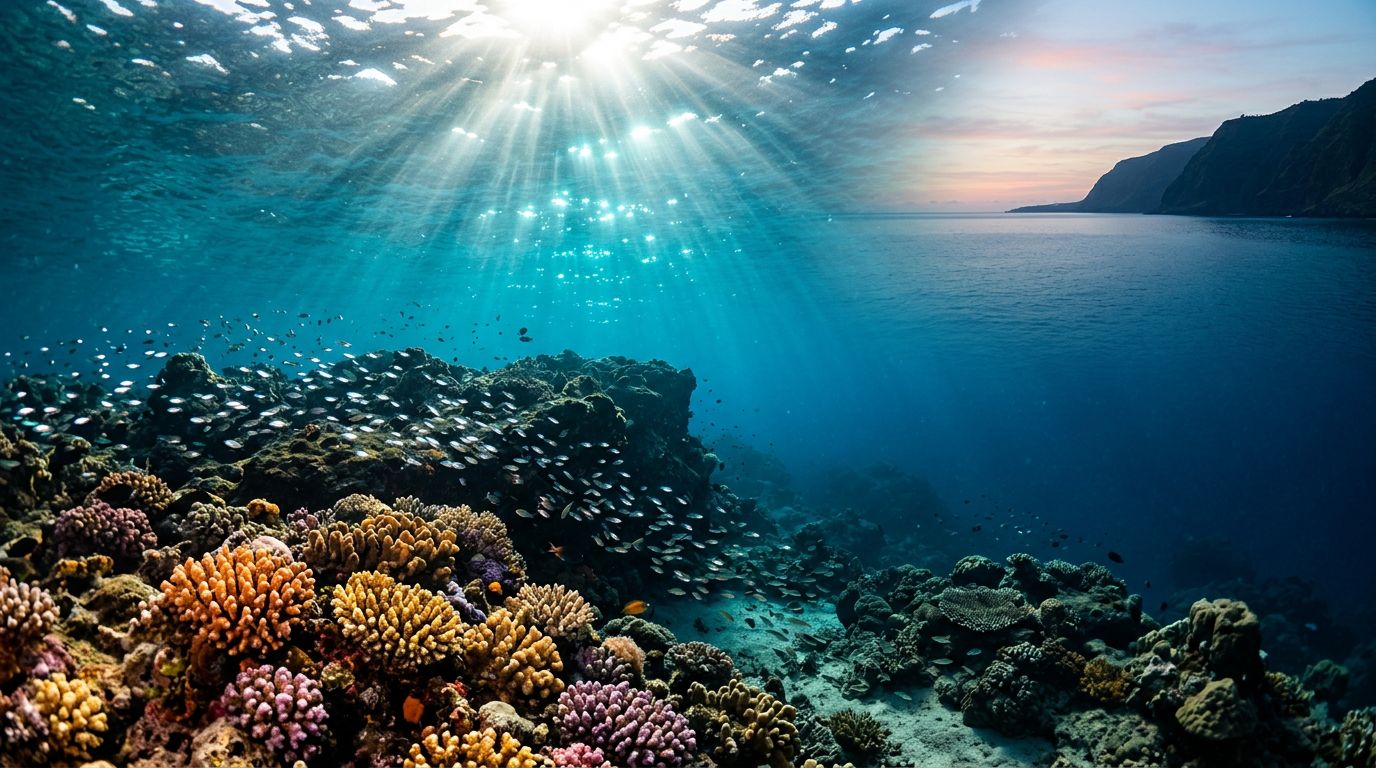
A Kealakekua Bay snorkel can give you several different underwater experiences in one protected bay. You may drift above shallow coral, follow lava ledges packed with fish, or watch larger schools move along deeper water near the bay entrance.
The challenge is knowing where to look. Coral isn’t spread evenly across Kealakekua Bay, and the best place can change with sunlight, wind, swell, water clarity, and boat traffic. You’ll have a better experience when you understand the main snorkeling zones before you enter the water.
Why Kealakekua Bay Is a Top Snorkeling Spot
Kealakekua Bay sits along the west coast of Hawaii Island, south of Kailua-Kona. Its protected shape often creates calmer water than exposed sections of the Kona coast, although conditions still change throughout the day.
The bay is also a Marine Life Conservation District. Fishing and feeding fish are prohibited, which helps protect the reef and allows marine life to use the area naturally. Coral colonies grow across rocky lava surfaces, while sandy patches create open feeding areas for fish.
For anyone planning snorkeling Big Island Hawaii adventures, the bay offers an appealing mix of scenery and marine life. You don’t need to travel between several locations to see different underwater habitats. A short swim can take you from a shallow coral shelf to a deeper lava wall.
The famous Captain Cook Monument sits on the north shore of the bay. The water near the monument is one of the most popular places to snorkel because the shoreline drops into clear, fish-filled water. Boat tours often use this area when conditions allow, but experienced guides may move to another section if visibility or currents make a different zone safer.
The bay also has strong historical and cultural importance. The monument commemorates Captain James Cook, who died at Kealakekua Bay in 1779. When you visit, treat the shoreline, reef, and surrounding sites with care.
The Best Coral and Fish Zones in Kealakekua Bay
No single spot stays perfect every day. Still, several areas consistently offer the features you want during a Kealakekua Bay snorkel.
Near the Captain Cook Monument
The reef near the Captain Cook Monument is often the first place people picture when they think about snorkeling in Kealakekua Bay. Rocky underwater ledges run along the shoreline, creating shelter for small fish and feeding areas for grazing species.
Look closely at the reef surface instead of swimming past it. You may notice tiny wrasse moving between coral heads, butterflyfish picking at the rocks, and yellow tang patrolling the edges. The fish can appear more concentrated where the rock forms small channels or overhangs.
The water near the monument can also offer excellent visibility when the ocean is calm. Sunlight reaches the shallower reef and brings out the contrast between dark lava, living coral, and bright tropical fish. On a clear morning, you may see the underwater terrain well ahead of you.
This zone can attract other snorkelers, especially during busy periods. Give other swimmers room and avoid standing on the reef when you pause. If you need a rest, use a flotation device or move to open water where your fins won’t contact coral.
The monument area is popular for good reason, but it isn’t the only worthwhile section. A skilled captain may spend part of your trip here, then move along the bay to find calmer water or a less crowded reef.
Rocky Ledges Along the North Shore
The north side of the bay contains rocky shoreline habitat with a mix of lava shelves, crevices, and small coral growth. This structure gives fish more places to hide than a smooth sandy bottom.
You’ll often find damselfish and wrasse near the rocks. Larger herbivores, including parrotfish and surgeonfish, may graze across exposed surfaces. Watch the edges of the ledges because fish often move between the open water and the reef rather than staying in one place.
This area rewards slow snorkeling. Instead of covering a large distance, choose a section of reef and observe it for a minute. Fish that disappear into a crevice may return once you stop kicking. A calm body position also reduces noise and keeps your fins away from the coral.
The north shore can have surge when ocean conditions change. Surge is the back-and-forth movement of water created by waves outside the bay. You may feel it even when the surface looks calm. If the water pushes you toward the reef, turn toward open water and follow your guide’s instructions.
Shallow Coral Shelves and Sandy Patches
Shallow shelves are useful places to look for smaller fish and colorful reef details. Coral grows across hard lava surfaces, while nearby sand creates a clear boundary between two habitats.
Fish often move along that boundary. A parrotfish may graze over the rock, then cross the sand before returning to the reef. Goatfish may search the bottom, and butterflyfish may travel in pairs near coral heads. Look for movement rather than waiting for a large animal to appear directly in front of you.
These shallow areas usually receive strong sunlight, which helps you see color and texture. They can also become brighter and warmer than deeper water. Wear a rash guard or reef-safe sunscreen on exposed skin, and remember that sun protection matters even when you’re surrounded by water.
Shallow reef habitat is especially useful for families and newer snorkelers because you can often maintain a comfortable depth. However, shallow doesn’t always mean easy. Waves can push you toward coral, and a low tide can leave some formations closer to the surface. Keep your fins level, avoid touching the bottom, and follow the guide’s route.
The Deeper Reef Near the Bay Entrance
The deeper water near the mouth of Kealakekua Bay creates a different setting. The bottom may be less visible, but larger reef structure and open water can attract fish that move through the bay.
This area is more dependent on conditions than the sheltered inner sections. Your captain may choose it when the ocean is calm and visibility is strong. If wind or swell increases, the boat may stay closer to protected water instead.
You may see schools of tangs moving over the reef, triggerfish holding near rock formations, or larger individual fish cruising through blue water. Green sea turtles can appear in Hawaiian coastal waters, but no responsible guide can promise a turtle sighting. Keep your distance if one swims past, and never follow or touch it.
The deeper zone also gives you a better sense of the bay’s underwater shape. Lava slopes descend toward open water, and the reef can appear to continue beyond the depth where you can comfortably identify individual fish. Stay within your guide’s designated area and don’t separate from your group.
The best zone is the one that matches the conditions on your trip. Clear water near the monument may be ideal one morning, while a more sheltered reef offers better snorkeling later.
Fish You May See on a Kealakekua Bay Snorkel
Kealakekua Bay supports many familiar Hawaiian reef fish, but sightings vary. Fish respond to sunlight, water movement, food, and the number of swimmers nearby.
Yellow tangs are among the easiest fish to recognize. Their bright yellow bodies stand out against dark lava and coral. You may see them alone or in small groups, grazing over algae-covered surfaces.
Convict tangs have pale bodies with dark vertical stripes. Parrotfish use strong beak-like teeth to scrape algae from rocks, so you may hear a faint crunch if you float close enough. Their movement helps keep reef surfaces clear.
Hawaiian butterflyfish often stay near coral and rocky structure. Some species travel in pairs, while others move quickly between feeding spots. Wrasse add more variety because they range from small, fast-moving fish to larger individuals with stronger colors.
You may also spot the humuhumunukunukuapua’a, Hawaii’s state fish. It often stays near rocks and can use its unusual body shape to maneuver through tight spaces. Triggerfish may appear near the bottom, where they can retreat into shelter if approached.
Look for fish behavior rather than relying on color alone. Grazing, sheltering, circling, and pairing can tell you more about the habitat than a quick glance. If you slow down, you’ll often notice species that you missed while swimming.
Marine life may also include sea urchins, eels, crabs, and other small reef animals. Avoid touching them. A healthy reef depends on its living surfaces, and even a light kick can break fragile coral.
Choosing a Kealakekua Bay Tour
You can reach the bay by land or by boat, but a boat tour gives you direct access to offshore snorkeling areas. It also lets you spend more of your time in the water instead of walking along uneven shoreline or carrying gear over lava.
A good tour should match your swimming ability and comfort level. Ask about group size, time in the water, flotation equipment, guide certifications, and what happens if conditions change. Families may want a tour with extra support for children, while confident swimmers may prefer more open-water time.
Kona Snorkel Trips follows a “Reef to Rays” philosophy and focuses on small-group ocean experiences along the Big Island. The company uses lifeguard-certified guides, quality snorkeling equipment, and reef-safe practices. Guides also provide information about the marine environment so you can understand what you’re seeing without touching it.
The company’s Kealakekua Bay Captain Cook tour is designed for travelers who want to explore this historic bay with a guided boat excursion. You can also compare the full range of Kona snorkeling tours before choosing the trip that fits your group.
For another company focused on this destination, Captain Cook Snorkeling Tours offers trips centered on Kealakekua Bay and the Captain Cook area. Comparing departure times, trip length, group size, and included equipment can help you choose with confidence.
If you plan to snorkel Big Island waters during a busy travel season, reserve early. Morning trips often fill first, especially when families and couples want calmer water and cooler temperatures.
When you’re ready to book a Captain Cook trip, you can check avaialbility for a Kealakekua Bay snorkeling tour.
When to Snorkel in Kealakekua Bay
Morning conditions often give you the best chance of calm water and clear visibility. Wind can build later in the day, especially along the Kona coast, so an early departure may make it easier to see coral detail.
Water clarity still depends on recent weather. Heavy rain can wash sediment toward the coast, while larger swell can stir the bottom. A sunny day doesn’t guarantee clear water, and cloudy conditions don’t always mean poor snorkeling. Your captain will evaluate the actual conditions before selecting a zone.
Light affects how the reef looks. Strong sunlight can make shallow coral colors easier to see, while deeper areas may look muted under clouds. Your guide may choose a location based on both safety and visibility.
You should also consider your own energy. Snorkeling requires steady kicking, floating, and occasional swimming against mild current. Eat a light meal, drink water before boarding, and tell your guide if you feel tired or uncomfortable.
Ocean conditions can change during the trip. Stay close to the group, listen during the safety briefing, and use the provided flotation gear if you need support. You don’t need to prove anything by swimming farther than feels comfortable.
How to Protect the Reef While You Snorkel
Your body position makes a direct difference to the reef. Keep your torso horizontal, point your fins behind you, and use slow kicks. This technique helps you move efficiently without brushing the bottom.
Never stand on coral, even when you think the surface looks like bare rock. Coral colonies can be small, pale, or partly covered by algae. Touching them can remove the protective tissue that keeps them alive.
Use reef-safe sunscreen according to your tour operator’s instructions. A rash guard, hat, and long-sleeved swim shirt can reduce how much sunscreen you need. Apply sunscreen before entering the water so it has time to absorb.
Fish don’t need food from visitors. Feeding changes their behavior and can draw animals into areas where they face more contact with swimmers. Keep your hands to yourself, including around turtles, urchins, and other marine life.
Take only photographs and leave shells, rocks, and coral where you find them. If your mask fogs, ask your guide for help rather than rubbing against the reef while you try to fix it.
The clearest view often comes when you stop chasing fish. Float calmly, give animals space, and let the reef’s natural movement come into focus.
A Simple Plan for Your Snorkeling Day
Choose a morning trip when possible, especially if calm water matters to you. Bring a swimsuit, towel, reusable water bottle, sunglasses, and a light cover-up for the boat ride.
Before you leave the dock, tell the crew about your swimming ability, medical concerns, or anxiety in open water. Guides can explain how to use flotation equipment and show you where to enter and exit safely.
During the ride, listen to the briefing instead of waiting until you reach the reef. You’ll learn how to stay with the group, signal for help, and avoid contact with coral. Once in the water, start slowly and let your breathing settle before you swim farther.
If you’re traveling with children, keep them within arm’s reach when needed. A child who feels comfortable on the boat may still become overwhelmed by waves, masks, or deeper water.
For flexible groups, a private Kona snorkel tour can offer more control over pace and time in the water. A private trip may also make it easier to accommodate different swimming abilities within one group.
Conclusion
The best coral and fish zones in Kealakekua Bay include the reef near the Captain Cook Monument, rocky north-shore ledges, shallow coral shelves, and deeper habitat near the bay entrance. Each area offers something different, and your guide may choose among them based on the day’s conditions.
When you slow down, keep your distance from marine life, and protect the reef with careful fin technique, you see more while causing less harm. A thoughtful Kealakekua Bay snorkel turns a beautiful swim into a better experience for you and the ecosystem you came to enjoy.