
Can You Bring Your Own Snorkel Gear on a Captain Cook Snorkel Tour
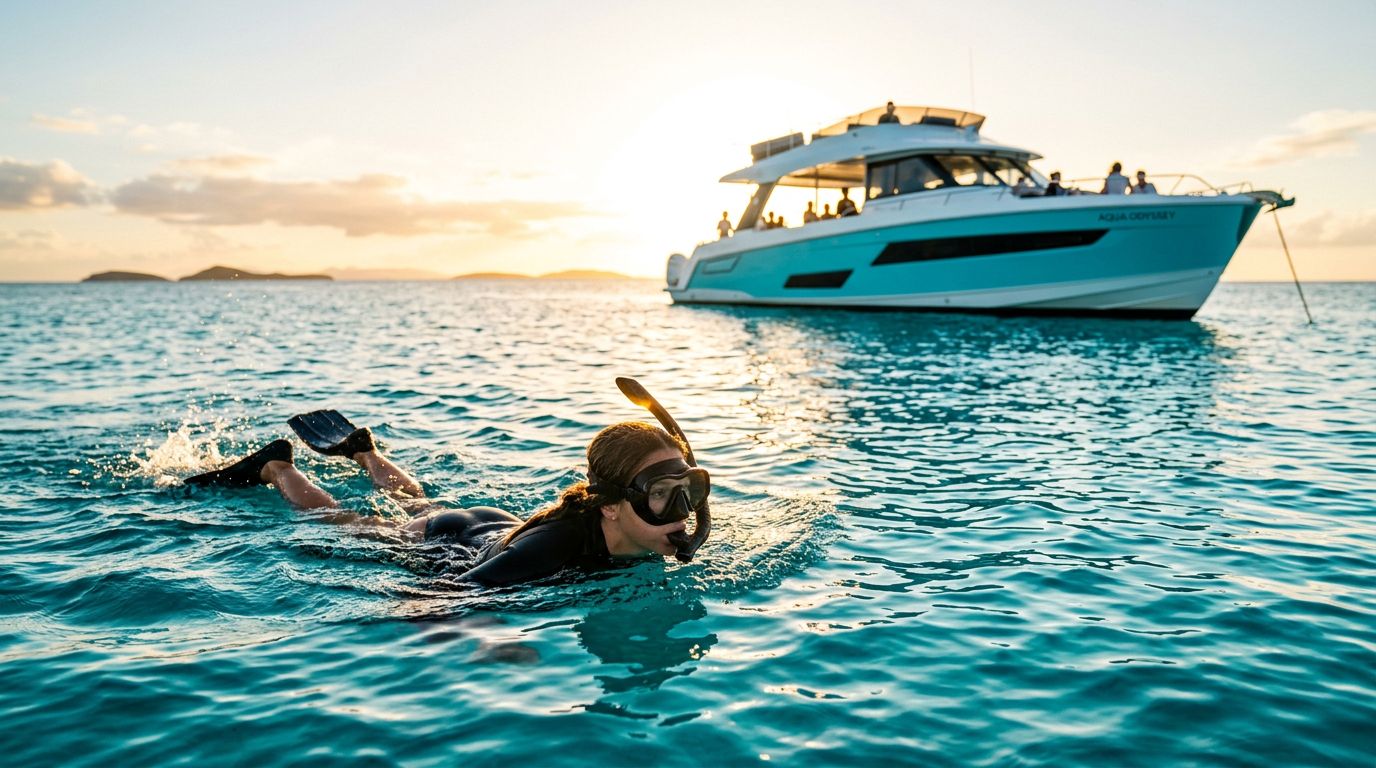
Your own mask may fit better than a rental, but that doesn’t automatically mean you should bring every piece of snorkel equipment on a Captain Cook tour. In most cases, you can bring personal gear, provided it fits safely, stays in good condition, and doesn’t conflict with the operator’s safety rules.
The main question is whether your mask, snorkel, fins, and accessories will improve your comfort without creating extra storage or safety problems. Before you pack, check the tour’s current instructions and understand which equipment the crew must control.
The short answer: usually, yes
Most boat operators allow guests to bring personal snorkeling equipment. A well-fitting mask and familiar snorkel can make a big difference, especially if you’ve had trouble with rental masks leaking or fogging.
However, permission to bring gear doesn’t mean the crew must use it. The captain and guides remain responsible for the boat’s safety procedures. They may ask you to use a particular flotation device, wear specific equipment, or leave an item onboard if it creates a problem.
Your tour confirmation is the best source for the current policy. Operators can have different rules based on boat layout, passenger numbers, equipment storage, and insurance requirements. If the website doesn’t answer your question, contact the company before arriving at the harbor.
You should also tell the crew about personal equipment when you check in. That gives a guide time to look at the fit and condition. A cracked mask strap, loose fin, damaged snorkel valve, or homemade flotation item can become a safety concern once you’re offshore.
For most visitors, the practical answer looks like this:
- Personal mask and snorkel: Usually the easiest items to bring.
- Personal fins: Often acceptable if they fit properly and suit the conditions.
- Prescription mask: A smart choice if you need vision correction underwater.
- Wetsuit top or rash guard: Commonly useful, but ask about fit and storage.
- Flotation equipment: Use the equipment required or approved by the crew.
- Spearfishing or dive equipment: Don’t assume it’s allowed on a sightseeing snorkel trip.
If you plan to snorkel Big Island Hawaii waters more than once, owning a comfortable mask can be worthwhile. A mask that seals correctly helps you spend less time adjusting your face gear and more time watching the reef.
Which snorkeling gear should you bring?
Your mask is usually the most personal part of a snorkeling setup. Faces vary, and even a high-quality rental mask may not seal well around your eyes and nose. If you already own a mask that fits, bringing it can make your Captain Cook snorkel tour more comfortable.
To test the seal, press the mask gently against your face without using the strap. Inhale slightly through your nose. The mask should stay in place for several seconds without constant pressure from your hands. Try this test at home before your trip, then wear the mask in a pool or calm shoreline area if possible.
A snorkel is also easy to bring. Make sure the mouthpiece feels comfortable and that the purge valve works. A dry-top snorkel can reduce water entry, but no snorkel removes the need to learn proper breathing and clearing techniques.
Fins require more attention. Long freediving fins may be awkward on a crowded boat and can make entry or exit harder. Shorter travel fins are easier to pack, but they still need to fit securely. Loose fins can slip off, while tight fins can cause cramps during a longer swim.
If you have prescription goggles or a prescription mask, bring them in a protective case. Don’t place the lens against keys, sunscreen bottles, or loose items in your beach bag. Saltwater also leaves residue, so rinse the mask with fresh water after the tour.
You may want to pack these personal items:
- A fitted mask and snorkel
- Comfortable fins with adjustable straps
- A rash guard or thin thermal top
- Prescription eyewear for swimming
- A soft mask case
- A small mesh bag for wet gear
Avoid bringing equipment you haven’t tested. A new mask may look perfect in the package but still leak around your face. New fins may rub your ankles. Test everything before your vacation, not on the boat deck five minutes before departure.
What the tour operator still controls
Even when you bring your own gear, the crew controls the equipment connected to boat safety. That may include flotation devices, life jackets, entry equipment, rescue gear, and any items required by the operator’s procedures.
A snorkeling tour isn’t the same as swimming from a beach. You may enter the water from a boat, swim in open ocean conditions, and follow a guide around a busy reef area. Current, wind, boat traffic, and visibility can change during the trip. The crew needs everyone to follow one clear safety plan.
For that reason, never substitute your own inflatable belt, pool noodle, vest, or floating board for required safety equipment. A personal flotation item may not provide the support the crew expects, and it may not be suitable for an ocean entry.
The guide may also inspect your personal equipment. This isn’t a judgment about your gear. It helps the crew identify problems before you enter the water. If your fin strap breaks or your snorkel floods, the operator’s backup equipment should be ready.
On a well-run tour, you should expect the crew to explain:
- How to enter and exit the boat
- Where to stay while snorkeling
- How to signal for help
- What to do if you become tired
- How to return to the boat
- Which areas you should avoid touching
Kona Snorkel Trips describes its tours around a small-group experience, lifeguard-certified guides, onboard safety equipment, and reef-conscious practices. The company also provides snorkeling equipment, so you don’t need to own a full setup to enjoy its Kona snorkeling tours.
That can make your decision easier. Bring the personal items that improve your fit, then use the operator’s equipment when the crew needs you to.
Why your mask matters at Kealakekua Bay
A Captain Cook snorkeling trip usually takes you toward Kealakekua Bay, a protected marine area on the Kona coast. The bay is known for clear water, lava formations, and fish habitat near the Captain Cook Monument.
Water clarity can make a good mask feel even more important. When your mask seals properly, you can scan the reef without stopping every few minutes to drain water or adjust the strap. That comfort matters if you’re traveling with children, swimming at a relaxed pace, or sharing the water with a less confident swimmer.
Kealakekua Bay also deserves careful behavior. You should keep your fins away from coral, avoid standing on rocks or reef, and never touch marine life. A guide can point out fish and reef features while helping your group stay in appropriate areas.
The Hawaii Division of Aquatic Resources provides information about marine resources and fishing regulations across the islands. Rules can change by location, so follow the instructions provided for your tour and the specific bay.
Your mask should give you a clear view without forcing you to press it against your face. If it fogs, use a marine-safe defogging product or the method recommended by your guide. Avoid rubbing the inside of the lens with sandy fingers because small particles can scratch it.
A snorkel keeper is another small item worth checking. It should hold the snorkel against the mask strap without slipping. If you bring your own setup, assemble it at home and confirm that every connection stays secure.
The goal isn’t to own the most expensive equipment. You need gear that fits, works, and lets you respond quickly to the guide.
How to choose between personal and rental gear
You don’t need to bring personal equipment to have a good snorkeling experience. Many travelers choose rentals because they are flying, packing light, or visiting Hawaii for one tour.
Rental gear can also be a better choice if your equipment is old or untested. A reputable operator can provide multiple sizes and replace a faulty item during the outing. That support is difficult to match with a mask you bought at a general beach shop.
Your own gear may make more sense when:
- You snorkel often and know your fit
- You need prescription lenses
- You have sensitive skin or a preferred mouthpiece
- You want a specific fin size
- You have tested the equipment in open water
- You are comfortable carrying it in a protective bag
Rental gear may be simpler when:
- You are traveling with limited luggage
- You don’t know what equipment fits you
- You are bringing young children who may need size changes
- Your gear has worn straps or cloudy lenses
- You don’t want to rinse and transport wet equipment
If you bring a child, fit matters more than brand. A mask that leaks will quickly turn a fun swim into a frustrating experience. Ask the crew to help with sizing, and don’t push your child into the water before they feel comfortable breathing through the snorkel.
Some first-time snorkelers also prefer using the operator’s equipment because the guide can explain how each piece works. You can still bring your own mask as a backup or ask whether you can combine your mask with the company’s fins.
Bring your own gear without creating problems
Boat storage is limited, so pack only what you expect to use. A large hard case, full-size dive bag, and several backup items may take space away from other passengers. A compact mesh bag is usually easier to store and rinse.
Label your gear if it looks like common rental equipment. Black masks and fins can be difficult to identify when several guests leave items in the same area. A small colored strap or name tag can help, but don’t attach anything that could snag on a ladder or line.
Keep personal equipment together before and after the swim. Place your mask in its case rather than on the deck. Fins should stay clear of walkways. Wet gear can also make surfaces slippery, so follow the crew’s instructions about where to put it.
You should also protect your skin without harming the reef. A rash guard reduces the amount of sunscreen you need, especially across your shoulders and back. If you apply sunscreen, choose a reef-conscious product and keep it away from your mask seal. Greasy lotion can cause leaks.
The National Ocean Service coral reef guide explains why coral habitats need careful handling. Your actions matter even when you see only a small patch of reef below you.
A practical packing routine looks like this:
- Test your mask and snorkel before leaving home.
- Rinse and dry the equipment.
- Pack it in a compact mesh bag or protective case.
- Tell the crew what you brought at check-in.
- Use the required safety equipment.
- Rinse everything with fresh water after the tour.
That routine prevents most avoidable equipment problems. It also helps you start the trip calm instead of searching through a crowded beach bag.
What Kona Snorkel Trips provides for your tour
Kona Snorkel Trips follows a “Reef to Rays” philosophy and focuses on small-group ocean excursions along the Big Island. The company provides snorkeling equipment, safety gear, and lifeguard-certified guides, so you can book a Captain Cook tour without buying a complete setup first.
The company also puts attention into gear condition and guest comfort. That matters when you are traveling with family members who have different swimming abilities or when you are snorkeling for the first time. You can bring your own mask if you prefer, then ask the crew whether their fins or flotation equipment suit the conditions better.
Its Captain Cook and Kealakekua Bay tour is the relevant option if you want to visit the bay by boat. The tour setting lets you spend time in the water without arranging separate transportation, beach access, and equipment.
For a second local option focused on the same area, you can also review Captain Cook Snorkeling Tours. Whichever operator you choose, ask about personal equipment before booking if you have prescription gear, specialized fins, or a flotation device you want to use.
Kona Snorkel Trips also emphasizes reef-safe conduct and education. Your guide can show you how to keep your fins off the reef, stay with the group, and observe marine life without touching it. The company uses custom-built lighted boards for nighttime encounters on selected excursions, although those are separate from a daytime Captain Cook trip.
If you already know you want to visit Kealakekua Bay, you can check avaialbility before planning the rest of your day.
Questions to ask before you arrive
A short message to the operator can remove uncertainty. Ask whether you may bring your mask, snorkel, fins, or prescription equipment. You can also ask where personal gear is stored and whether the crew provides a backup if your equipment fails.
If you are traveling with a group, ask about sizing in advance. Children may need smaller masks and fins, while adults with larger feet may need specific fin sizes. Sharing this information early gives the crew a better chance to prepare.
You should also ask about the day’s conditions and the type of entry. A boat ladder, platform, or guided water entry can affect which fins feel comfortable. Long fins may work well for experienced swimmers but feel awkward for someone who is still learning to climb a ladder.
Other useful questions include:
- Is a personal flotation device allowed?
- Does the tour provide prescription masks?
- Are full-foot or adjustable fins available?
- Can you bring a wetsuit top?
- Is there a fresh-water rinse for personal gear?
- What happens if your mask fails during the tour?
The answers may vary by boat and departure. Written instructions from the operator should take priority over general advice found online.
The practical choice for your Captain Cook snorkel tour
You can usually bring your own snorkel gear on a Captain Cook tour, especially a mask, snorkel, or prescription setup you already trust. Bring equipment that fits well and has been tested, then let the crew decide which safety and flotation items you must use.
If your personal gear is bulky, worn, or unfamiliar, renting from the operator may be easier. Kona Snorkel Trips provides the main snorkeling equipment and pairs it with lifeguard-certified guides, safety procedures, and reef-conscious instruction.
A good mask can improve your view, but safe habits matter more than brand or price. Keep your equipment secure, follow the guide, protect the reef, and check the current policy before you leave for the harbor. That way, you can spend your time snorkeling Big Island waters instead of troubleshooting your gear.