
Kealakekua Bay Pronunciation: Say It Before You Snorkel
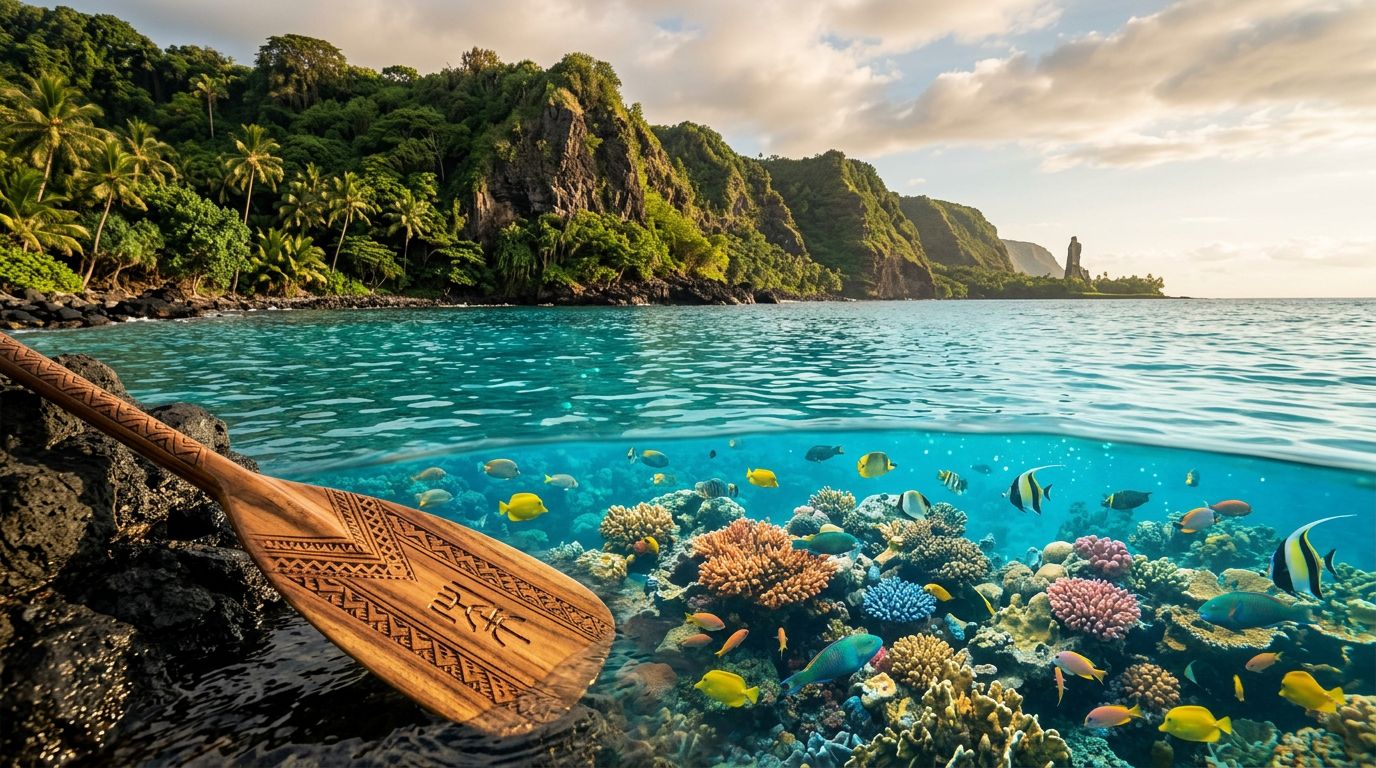
The Kealakekua Bay pronunciation can feel harder than the swim itself when you first see the name. Fortunately, the word follows clear Hawaiian syllables, so you can learn it before you reach the dock.
If you searched for “snorkeling Big Island Hawaii,” you may already know Kealakekua Bay is one of the island’s famous ocean destinations. Now you can say the name with confidence, understand the sounds, and use it naturally when you speak with your guide.
Why the Name Matters Before Your Kealakekua Bay Tour
Kealakekua Bay is on the Kona coast of Hawaii Island, near the community of Captain Cook. The bay is known for clear water, coral habitat, tropical fish, and the historic Captain Cook Monument along its northern shore.
You may hear people shorten the name or pronounce it with English vowel sounds. That approach often removes several syllables. Hawaiian words usually keep their vowel sounds clear, which means you shouldn’t rush through the middle of Kealakekua.
Saying the name correctly also helps you communicate at the marina. When you tell a crew member that you’re headed to Kealakekua Bay, they should understand you without needing to translate a shortened version.
Say the Full Place Name
The full name is Kealakekua, followed by the English word Bay. You can pronounce the complete phrase like this:
keh-ah-lah-keh-KOO-ah Bay
The word has six syllables:
Ke-a-la-ke-ku-a
The strongest beat belongs on the “ku” syllable for a practical visitor’s pronunciation. Keep each vowel audible, and let the word move smoothly instead of forcing the sounds together.
You don’t need to imitate a local accent. Clear vowels, steady pacing, and respect for the Hawaiian name are enough.
Kealakekua Bay Pronunciation, Broken Into Six Syllables
The easiest way to learn the Kealakekua Bay pronunciation is to separate the name into small pieces. Start slowly, then connect the pieces until they sound like one flowing word.
- Ke sounds like “keh.” Use a short, open e sound instead of “kee.”
- A sounds like “ah.” Keep it open and relaxed.
- La sounds like “lah.” The l stays clear, with no r sound.
- Ke repeats the first sound, “keh.”
- Ku sounds like “koo.” This is the syllable to emphasize slightly.
- A returns to the open “ah” sound at the end.
Put the parts together slowly:
keh-ah-lah-keh-koo-ah
Then add the final word:
keh-ah-lah-keh-koo-ah Bay
The first two syllables can blend slightly in normal speech, but they shouldn’t disappear. You want listeners to hear “Ke-a,” not a single compressed sound.
Focus on the Vowel Sounds
The first e is one of the sounds that English speakers often change. If you pronounce it like “key,” the word begins too sharply. A sound closer to “keh” keeps the vowel more open.
The two a sounds also matter. They sound like “ah,” similar to the vowel in “father.” Avoid turning the final a into a weak “uh” or dropping it completely.
The u in ku sounds like “oo,” as in “moon.” It doesn’t sound like the short u in “cup.” When you place your strongest beat on “KOO,” the name becomes easier to recognize.
A useful rhythm is:
keh | ah | lah | keh | KOO | ah
Pause between the syllables during your first practice round. After that, shorten the pauses while keeping all six sounds present.
Hawaiian Vowels Make the Name Easier
You don’t need to study the entire Hawaiian language to pronounce Kealakekua. You only need to remember that the vowels usually stay consistent.
A quick Hawaiian vowel guide gives the familiar pattern of a as “ah,” e as “eh,” i as “ee,” o as “oh,” and u as “oo.” Those sounds give you nearly everything required for this place name.
Hawaiian syllables also tend to end in vowels. That creates a smooth rhythm, unlike English words that often finish with a hard consonant. In Kealakekua, each syllable ends openly:
- Ke
- a
- la
- ke
- ku
- a
This is why you shouldn’t pronounce the word as “Kea-lake-koo” or “Kea-lake-kwa.” Those shortcuts remove syllables and change the natural rhythm.
Don’t Add Sounds That Aren’t Written
Kealakekua doesn’t need an extra r sound, a silent vowel, or a hard ending. Keep the l in “la” and pronounce both final vowels.
You may also see Hawaiian place names with an okina, a mark that represents a glottal stop, or a kahako, which marks a longer vowel. The commonly used spelling Kealakekua doesn’t show either mark, so don’t insert a pause between “ke” and “a.”
That distinction matters because a glottal stop can change the sound of a Hawaiian word. Here, your goal is a continuous six-syllable phrase.
The name may sound slightly different when spoken by different people. English speakers sometimes give the e a longer “ay” quality. You can still be understood, but the short “eh” sound is a closer starting point for learning the pronunciation.
Practice the Name Before You Board
A few minutes of focused practice can make the phrase feel natural. Start with the individual syllables, then use the complete name in a sentence.
Try this sequence:
- Say Ke-a-la three times without rushing.
- Add ke-ku-a, keeping the final “ah” audible.
- Join both parts into keh-ah-lah-keh-koo-ah.
- Say the complete destination, Kealakekua Bay, at a normal speaking pace.
Next, place the name into phrases you might use during your trip:
- “Are we heading to Kealakekua Bay?”
- “I’ve been looking forward to Kealakekua.”
- “Is the water usually calm in the bay?”
- “Could you say the name once more?”
These sentences help you practice the pronunciation in a real setting. They also give you an easy way to ask your guide for a correction without feeling awkward.
When you snorkel Big Island waters, you’ll hear guides use local place names throughout the day. Listen to the way your crew says Kealakekua, then repeat the rhythm rather than copying an exaggerated accent.
You can also practice while checking your itinerary. Read the name aloud whenever you see it on your confirmation, map, or tour details. Repetition matters more than speed.
Use a Simple Memory Pattern
Break the word into two groups:
Ke-a-la | ke-ku-a
The first group sounds like keh-ah-lah. The second group sounds like keh-koo-ah. Once those groups feel comfortable, connect them without adding a pause.
Another helpful technique is to clap softly on each vowel. You should hear six beats:
keh, ah, lah, keh, koo, ah
The clapping isn’t part of the pronunciation. It only helps you avoid swallowing the middle syllables.
If you make a mistake at the dock, relax and try again. A guide would rather hear you ask than watch you avoid the name entirely.
Talking With Your Snorkel Tour Company
Your tour confirmation may use both “Kealakekua Bay” and “Captain Cook.” Those terms usually point to the same general destination area, but they aren’t identical names.
Kealakekua Bay is the geographic name. Captain Cook refers to the nearby community and the historic monument associated with Captain James Cook. When you say the full bay name, you’re speaking about the location rather than using a nickname.
If your reservation is with Kona Snorkel Trips, you’ll find a small-group approach built around its “Reef to Rays” philosophy. The company focuses on guest safety, high-quality equipment, reef education, and responsible ocean practices. Lifeguard-certified guides lead the excursions and help guests prepare before entering the water.
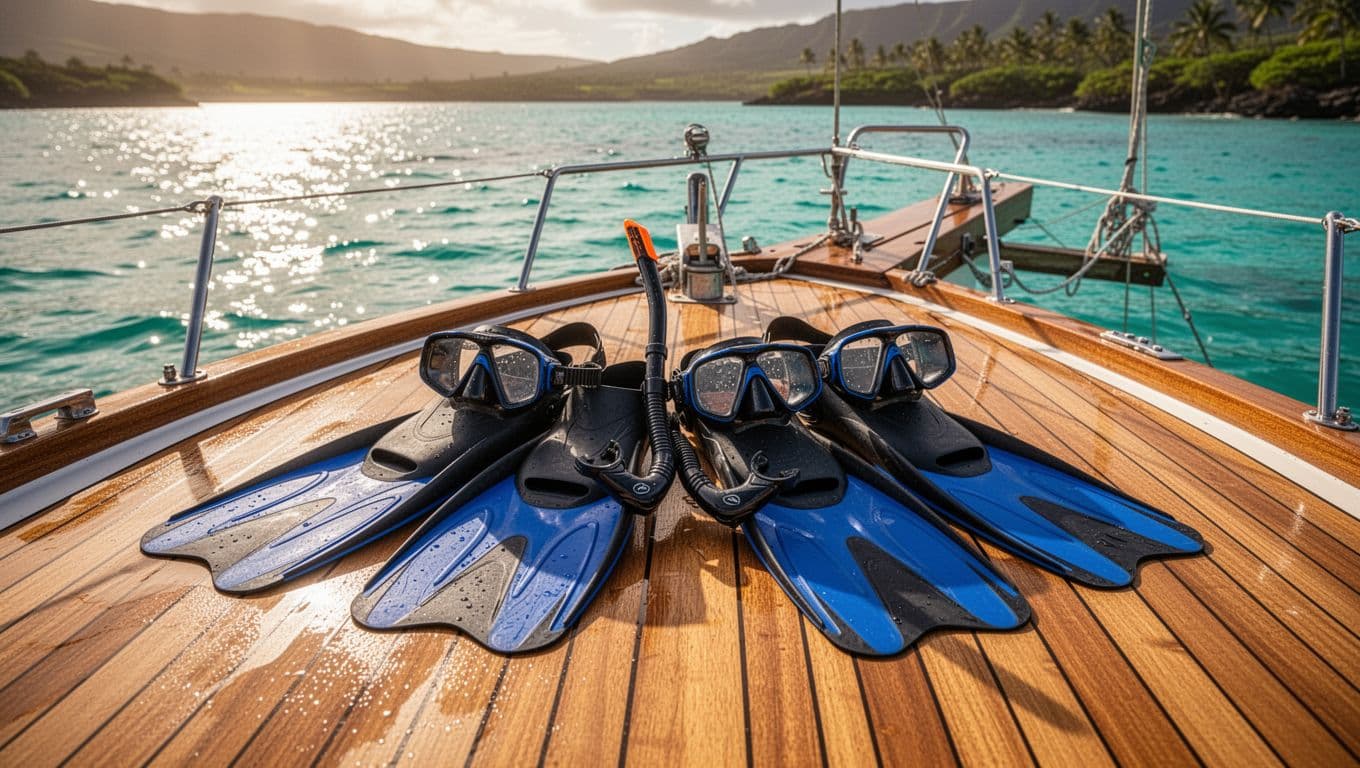
Kona Snorkel Trips also offers Big Island snorkeling tours for travelers who want a guided experience along the Kona coast. A crew member can help you with gear, explain water conditions, and repeat the destination name at the start of the trip.
You can check availability when you’re ready to compare available snorkeling dates.
For another local option centered on this landmark, you can review Captain Cook Snorkeling Tours. If you’re booking a Captain Cook trip to Kealakekua Bay, use the name when you speak with the crew or ask about the meeting point.
You can also check availability for a Captain Cook snorkeling tour. Confirm the check-in location, departure time, age requirements, and any mobility or swimming questions before your travel day.
What You May See at Kealakekua Bay
Learning the name is only the beginning. Once you arrive, your guide will focus on the conditions, entry plan, and marine life in front of you.
Kealakekua Bay is a protected marine area with coral habitat and fish that depend on healthy reef conditions. Clear water can make the shoreline look close, but visibility, current, wind, and swell can change during the day. Follow the guide’s instructions before you enter and stay within the area your crew identifies.
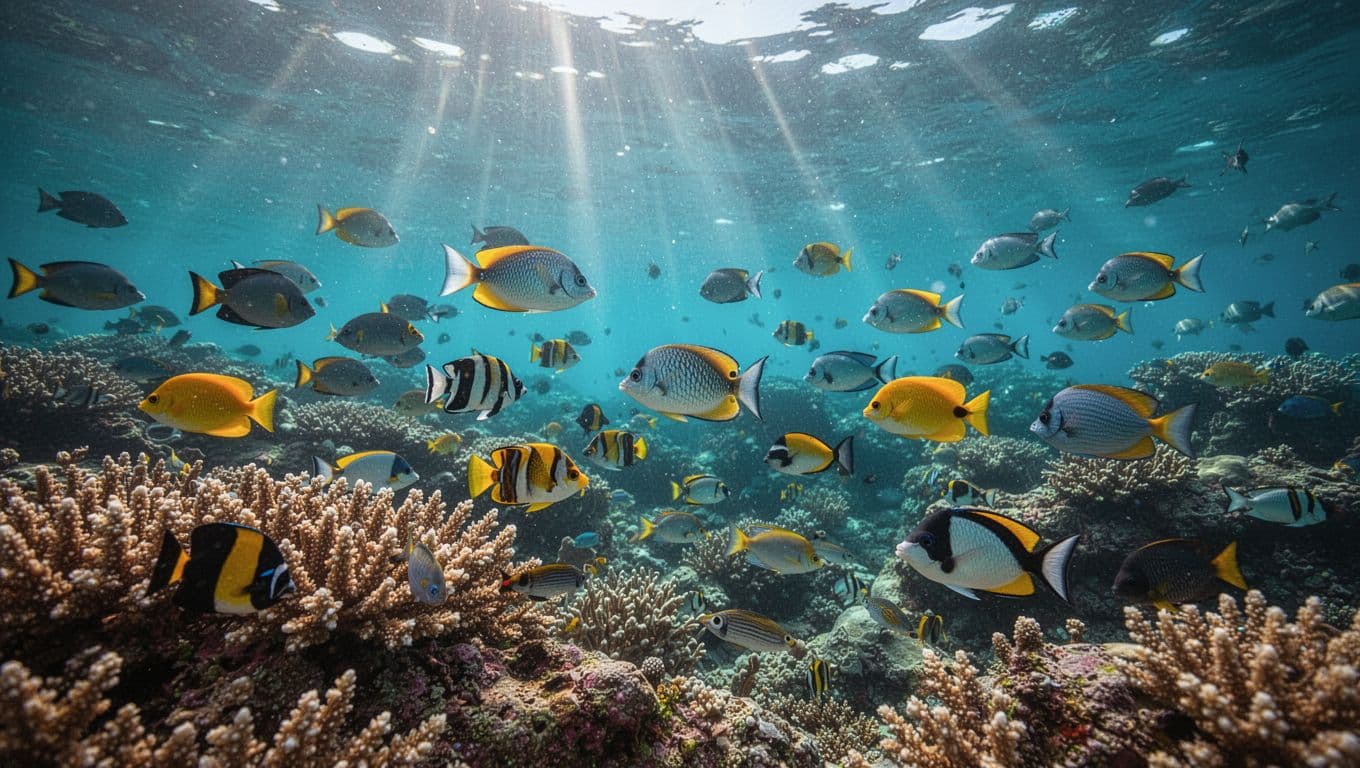
While snorkeling, keep your hands off coral and avoid standing on the reef. Coral can break easily, and contact can damage both the animal and your skin. Use reef-safe practices, maintain comfortable distance from marine life, and let fish move around you.
You may see colorful reef fish, sea turtles, and other animals depending on the season and conditions. Sightings are never guaranteed, so your guide’s local knowledge matters more than a fixed expectation.
If you aren’t a strong swimmer, tell the crew before departure. A properly fitted flotation device can help you stay relaxed while you learn the water. Children should remain close to the supervising adult and follow the guide’s instructions throughout the excursion.
A day of snorkeling Big Island sites feels more enjoyable when you aren’t trying to solve basic logistics in the water. Practice the place name at home, then save your attention for breathing steadily, watching the reef, and enjoying the view below the surface.
Common Pronunciation Mistakes to Avoid
Most errors come from removing vowels or changing them into familiar English sounds. Watch for these common shortcuts:
- Saying “kee” instead of keh at the beginning.
- Saying “ray” instead of lah in the middle.
- Dropping the second ke syllable.
- Ending with “koo” instead of koo-ah.
- Compressing the name into four syllables.
- Adding a hard consonant to the final a.
The complete visitor-friendly version remains:
keh-ah-lah-keh-KOO-ah Bay
Say it slowly first. Then use it in a sentence until the rhythm feels comfortable. The goal is clear communication, not a perfect performance.
Say the Name Clearly, Then Enjoy the Bay
The Kealakekua Bay pronunciation becomes manageable when you remember six open syllables: Ke-a-la-ke-ku-a. Use “keh” for ke, “ah” for a, “lah” for la, and “koo” for ku, with the strongest beat on “KOO.”
Practice once or twice before your snorkel tour, listen to your guide, and keep the full name intact. When you finally say “Kealakekua Bay” beside the water, you’ll be ready to focus on the reef instead of the spelling.