
Kealakekua Bay Snorkeling: How to Spot Goatfish
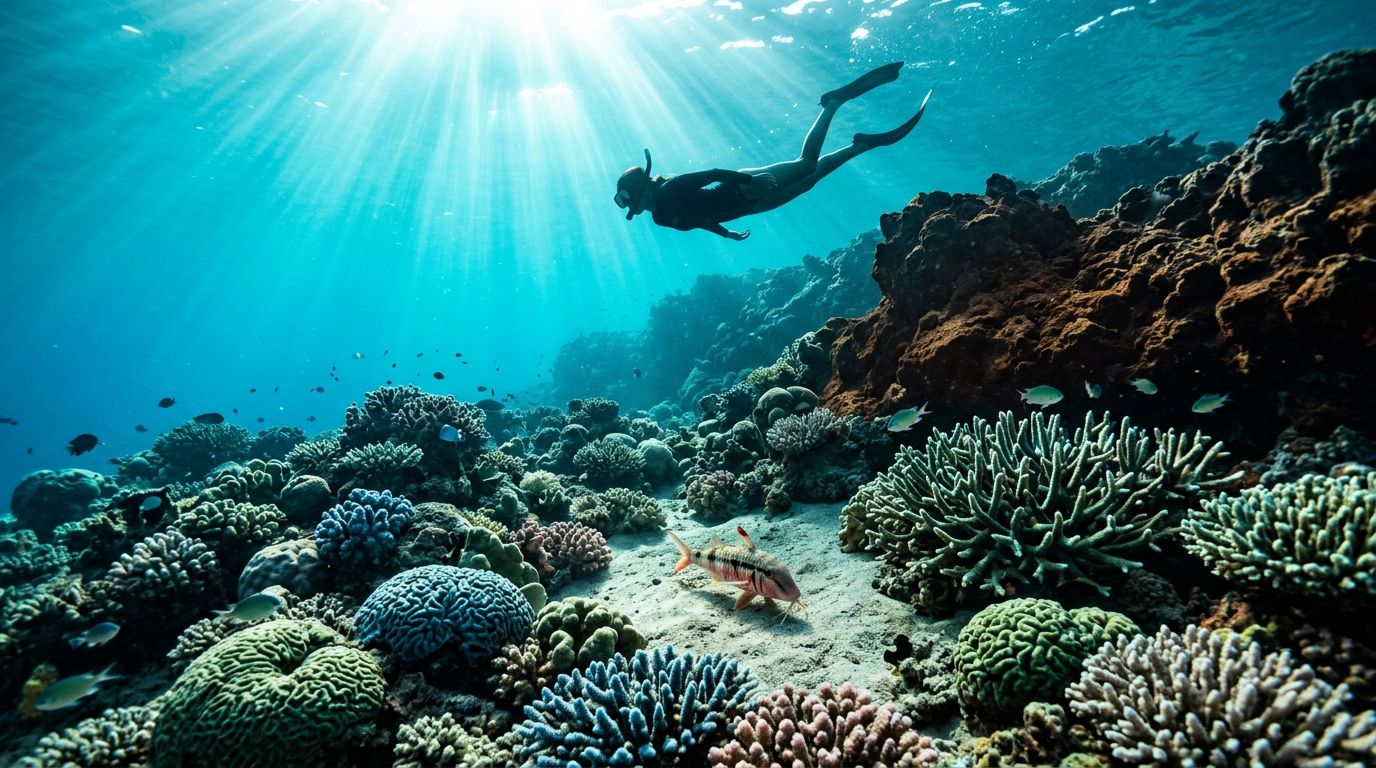
Goatfish hide in plain sight on a Kealakekua Bay snorkel. If you know what to watch for, though, they’re one of the easiest reef fish to track down.
Kona Snorkel Trips runs small-group outings that give you more time to notice the little details on the reef. That matters because goatfish rarely pose for you, and they often disappear the moment you rush past them.
If you already enjoy snorkeling Big Island Hawaii, goatfish are a great species to practice on. The clues are simple once you slow down and read the bottom.
Why Goatfish Hide Along Kealakekua Bay’s Sandy Edges
Kealakekua Bay gives you a mix of calm water, reef structure, and sandy lanes. That mix is perfect for goatfish. They like places where they can feed on the bottom and slip away fast if something startles them.
The bay’s volcanic shoreline creates pockets of sand beside coral heads and ledges. That patchwork matters. Goatfish use it like a buffet line, then retreat into the same open spaces when they need room.
You’ll often find them where reef meets sand, not deep inside thick coral. They move along the edge because it gives them both food and escape routes. That’s also why they can be hard to notice at first. Their shape blends into the bottom, and their movement looks more like a small shift in the sand than a dramatic swim.
On guided snorkeling trips in Kona, guides often point out these fish before you spot them on your own. Once you see one goatfish, the rest of the pattern starts to make sense.
That same pattern shows up all over snorkeling Big Island. The reef may change from bay to bay, but fish that feed near sand keep the same habits.
What Goatfish Look Like When You Spot Them Up Close
The easiest clue is the barbels under the chin. Those are the small whisker-like feelers that help goatfish find food in the sand. The DLNR fish manual explains that detail clearly, and it’s one of the fastest ways to separate goatfish from other reef fish.
You can also look for a few simple traits:
- A body that stays low and close to the bottom
- A mouth that points downward
- Tiny feelers under the jaw
- A habit of moving in loose groups
- Quick pauses over sand, followed by a short burst forward
Color helps, but behavior helps more. Some goatfish look pale with yellow lines. Others appear tan, red, or mottled. The shape stays familiar even when the color changes.
A quick Hawaii fish guide can help you match names to patterns later. During the snorkel, though, you’ll do better by reading posture and movement first.
The fish may seem ordinary at a glance, yet they have a very specific look once you know what to expect. Think of them as the reef’s small bottom sweepers. They keep their noses down and their attention on the sand.
Scan the Sand Lines First
Goatfish rarely sit in the middle of the brightest coral. Instead, they cruise the sandy lanes beside it. That’s the first place your eyes should go.
Start with the transition zones. Look where a coral head ends and open sand begins. Then move your gaze along the edge, a little slower than feels natural. A goatfish can disappear into a tan patch in seconds, especially when the light is strong.
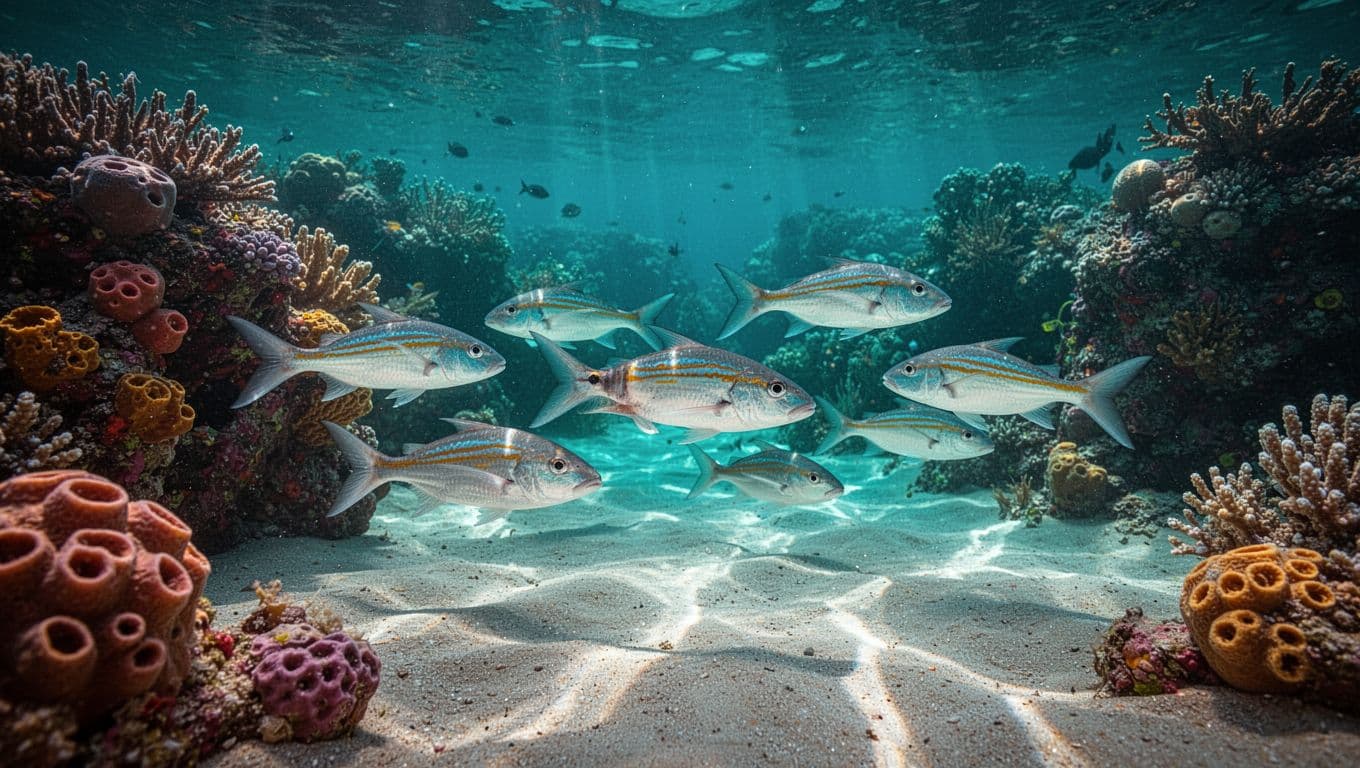
Watch for a fish that seems to hover a few inches above the bottom, then dip its head down. That’s a strong sign you’re looking at a goatfish. If it turns and comes back over the same line, stay with it. The fish is probably working a food patch.
When you snorkel Big Island, slower kicks help more than strong ones. Fast movement stirs the sand and sends fish away. Controlled floating keeps the bottom clear, which makes the fish easier to read.
Kealakekua Bay snorkeling gives you a real chance to practice this. The water is often clear enough that you can see the sand lines well before you reach them.
Feeding Clues That Give Goatfish Away
Goatfish feed by probing the bottom, and that habit gives them away. A tiny puff of sand is often the first clue.
A small cloud of sand is often the first sign a goatfish has passed your way.
Once you see that puff, look a little ahead of it. The fish may already be moving into the next patch. Goatfish often make short passes across the same area, then double back. They’re not darting around randomly. They’re searching.
If one fish stirs the sand, check the nearby space as well. Goatfish often feed in loose groups, so one sighting can lead to several more. Their movements may look quiet, but they’re busy the whole time.
Pay attention to the body angle too. A goatfish that tilts downward and glides low is probably feeding. One that rises higher or turns sharply may be reacting to you. If that happens, hold still and let the fish settle.
The best way to use these clues is to slow your breathing and hover above the sand line. Keep your eyes moving in small arcs. That’s much better than scanning the whole bay at once. The reef rewards patience, and goatfish are one of the clearest examples.
Goatfish Species You May See Around Kona
You don’t need to name every fish to enjoy the sighting, but a few common species help. Around Kona, the yellowstripe goatfish is one of the easiest to recognize. It often shows pale coloration with yellow striping that stands out once the fish turns sideways.
The manybar goatfish is another one you may see. Its pattern looks a little busier, with stripes and markings that break up the outline. That camouflage works well over sand, which is exactly where you’ll often find it.
What matters most is the family resemblance. Goatfish keep the same low profile, downward mouth, and bottom-searching behavior. If you learn that first, the species names feel less important. You’ll start spotting the group before you can label the individual fish.
A few visitors try to identify everything on the first try. That can turn a relaxed swim into a quiz. You’ll get more out of the bay if you notice one strong feature at a time. Color. Shape. Feeding style. Then the name comes later.
The same approach works anywhere you snorkel Big Island, because the reef fish often reveal themselves through movement before color. Goatfish are especially good teachers in that way.
Conditions That Make Goatfish Easier to Find
Clear mornings help a lot. Light from a higher sun angle can make the sand easier to read, and that makes the fish easier to pick out. On brighter days, goatfish often show up as quick, low shapes against the bottom.
Calm water also matters. When the surface stays smooth, the scene below looks cleaner. A little chop can still be fine, but the calmer the water, the easier it is to follow a fish that stays close to the sand.
Crowds affect your view too. A busy swim area tends to stir the bottom. That can cloud the water and send fish off the line you’re watching. A quieter pace gives you more time to focus.
Families often notice more because they stop and look. Kids usually slow down when something moves near the sand. Adults sometimes miss the same fish because they’re swimming too fast. If you want better sightings, copy the slower observer in the group.
When you snorkeling Big Island trip includes more time near reef edges, you’ll often see more than you expected. Goatfish reward the snorkeler who lingers.
Why a Guided Kealakekua Bay Trip Helps You Spot More
A guided trip gives you structure, time, and local eyes on the water. Kona Snorkel Trips keeps groups small, which means less crowding and more chance to scan the right parts of the bay. That kind of setting helps when you’re trying to notice a fish that looks like part of the seafloor.
If you want a broader look at the options, start with guided snorkeling trips in Kona. If your focus is this bay in particular, Kealakekua Bay snorkeling excursion is the direct match for the water you’re trying to read.
A quick booking check can help you plan around calm conditions, too:
Kona Snorkel Trips also keeps the experience focused on comfort and safety, which matters when you want more time looking down than worrying about your gear. The right fit is the one that gives you clear water, a steady pace, and a guide who knows where fish like to feed.
Captain Cook Snorkeling Tours also focuses on the same Kealakekua Bay corridor, so it fits naturally if you want a dedicated trip into this water. Either way, a guided outing gives you a better shot at reading the reef instead of guessing at it.
How to Watch the Reef Without Spooking the Fish
Your behavior changes what you see. Quick kicks, splashing hands, and sudden turns send reef fish away fast. Goatfish are especially sensitive because they spend so much time near the bottom.
Keep your fins up and your body relaxed. Move with steady strokes, then pause when you find a promising sandy lane. That stillness gives the fish room to return to normal behavior. Once they relax, the sand puffs start again.
Do not touch the bottom unless you have to. Standing on coral or stirring the sand hurts the habitat and ruins the view. The reef works best when you treat it like something alive, not a platform.
Reef-safe sunscreen also matters. Clear water and bright sun make it easy to think you’re far from the surface, but the reef still feels the impact of what you put on your skin. A little care goes a long way.
Families and couples often enjoy this part of the snorkel most. The pace slows down. You stop chasing highlights and start noticing patterns. Goatfish, in particular, reward that shift. The calmer you are, the more the bay gives back.
Conclusion
Goatfish are easy to miss when you rush, but they become obvious once you know the signs. Look for the low shape, the downward mouth, the whisker-like barbels, and the little puffs of sand.
On your next Kealakekua Bay snorkeling trip, keep your eyes on the bottom edges instead of only the coral tops. That one habit changes the whole swim.
You’ll start seeing the reef in layers, and goatfish will be one of the first species to stand out.