
Best Motion Sickness Medicine for a Captain Cook Snorkel Tour
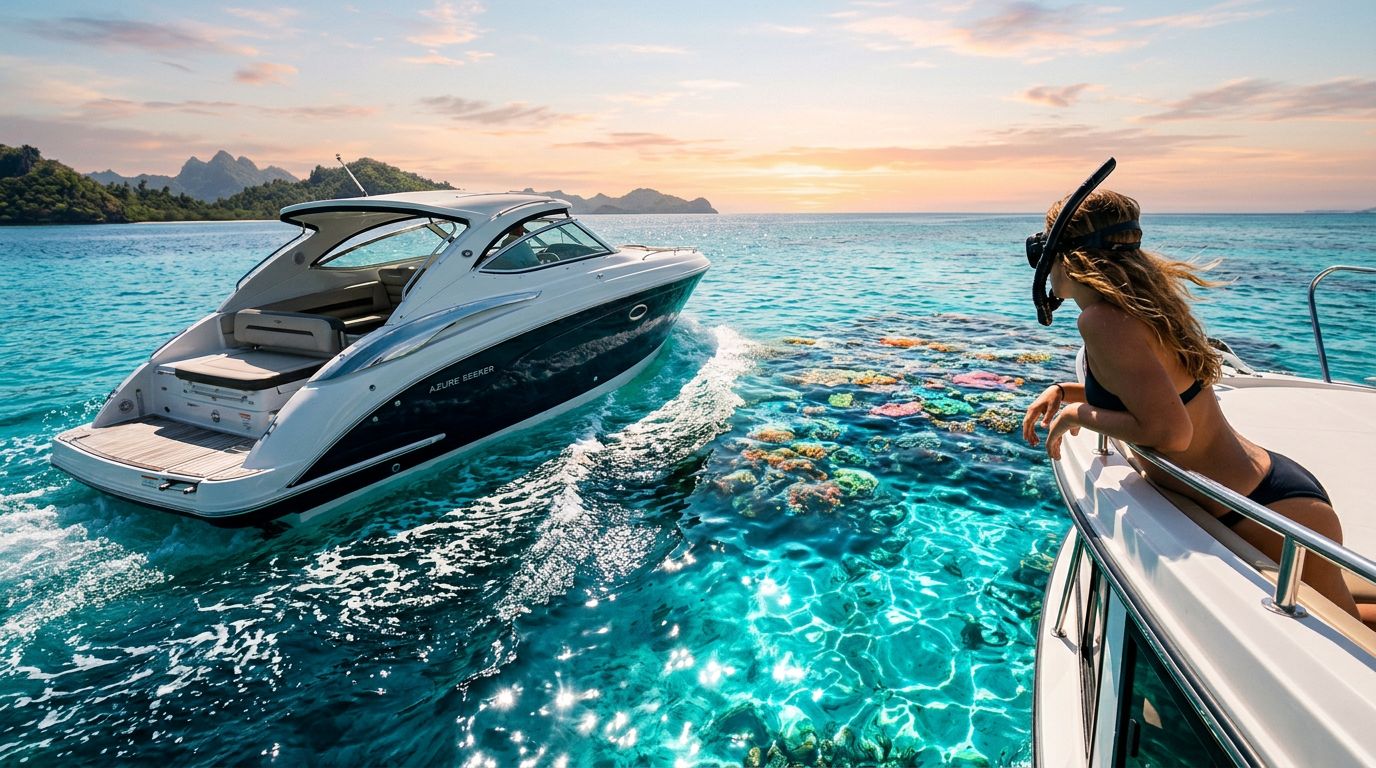
Kona Snorkel Trips hears this all the time. You plan a Captain Cook snorkel tour, picture clear water and bright reef fish, then start worrying about the boat ride more than the reef.
If you’re planning snorkeling Big Island Hawaii, the right motion sickness medicine can make the difference between an easy morning and a rough one. Captain Cook Snorkeling Tours gets the same question from travelers who want to enjoy Kealakekua Bay without spending half the trip feeling off.
You can still snorkel Big Island comfortably. The key is choosing the right medicine, taking it at the right time, and setting yourself up well before you leave the dock.
Why the Captain Cook ride can make you feel off
The ride to Kealakekua Bay is part of the experience, but it can also be the first test. Your body feels the motion, your eyes may catch a different kind of movement, and your inner ear gets mixed signals. That mismatch is what usually sets off nausea.
Some people think motion sickness only hits in heavy seas. It can show up in mild chop too. A warm boat cabin, a strong smell of fuel, or staring down at your phone can make it worse. Even a short trip can feel longer when your stomach starts to turn.
That is why the best motion sickness medicine is the one that works before you feel bad. Once the nausea starts, you are already behind. Prevention matters more than reaction.
If you already know that car rides, flights, or ferries bother you, treat a Captain Cook snorkel tour the same way. You are not being cautious for no reason. You are giving yourself a better chance to enjoy the water instead of fighting your stomach.
Motion sickness medicine that fits different travelers
There is no single pill that works for everyone. The best choice depends on how sensitive you are, how long you need coverage, and how sleepy you can afford to feel afterward.
Here is a quick side-by-side look at the most common options.
| Option | Best for | Common downside | Notes |
|---|---|---|---|
| Meclizine | Many adults who want an OTC option that lasts | Can still cause drowsiness and dry mouth | Often a first choice for boat trips |
| Dimenhydrinate | Travelers who have used it before and want a familiar option | Usually more sedating for many people | Good to know how you react before the trip |
| Scopolamine patch | People with a strong history of seasickness or long boat days | Prescription only, can cause dry mouth or blurry vision | Best planned ahead, not at the last minute |
| Ginger or acupressure bands | Mild nausea or as a backup support | May not be enough by itself for strong motion sickness | Helpful when you want a gentler layer of support |
For many travelers, meclizine is the middle ground. It can help without feeling as heavy as some other options. Dimenhydrinate may work too, but it tends to make more people sleepy. That matters if you still want energy after your snorkel trip.
Scopolamine patches are a strong option when you already know you get seasick fast. They take planning, though. You need to get one ahead of time and use it exactly as directed. If you have never used one before, talk with a clinician or pharmacist before the trip.
Natural support can help too, but it is usually not enough on its own if you get strong symptoms. Ginger candy, ginger chews, or pressure bands can be a useful backup. The motion sickness prevention tips from UC Davis Health say the same basic thing, lower your exposure when you can and add simple prevention tools early.
The best motion sickness medicine is the one you take before your stomach starts arguing with the ocean.
If you want to snorkel Big Island and still feel good afterward, choose the option that fits your body, not the one that sounds strongest.
When to take it so it actually works
Timing matters as much as the medicine itself. A lot of travelers wait until they already feel queasy. By then, the medicine has a harder job.
Most over-the-counter options work better when you take them before boarding. That gives your body time to settle into the dose before the boat starts moving. If you are using a prescription patch, follow the timing your clinician gives you. Do not guess on the day of the trip.
A simple plan helps:
- Read the label the night before.
- Take the medicine before you leave, not after nausea starts.
- Avoid mixing it with alcohol.
- Check whether it will make you sleepy.
- Do not drive if the medicine leaves you drowsy.
That last point matters more than people think. Some motion sickness medicine can make you feel slow, even if your stomach settles. If you are on vacation, that may not sound like a big deal. It still affects how well you enjoy the rest of the day.
Testing a medicine at home is smart if you have time. You will learn whether it makes you foggy, dry-mouthed, or sleepy. That is better than learning it on the water. When you are planning snorkeling Big Island, a dry run can save the whole day.
Food, water, and small habits that calm your stomach
You do not need a big breakfast before a snorkel tour. You also do not want an empty stomach. The sweet spot is a light meal with a little protein and not too much grease.
Avoid a heavy buffet, greasy food, and too much coffee right before departure. Those choices can make nausea worse. A banana, toast, crackers, yogurt, or a simple breakfast sandwich is easier on most stomachs. Sip water before you board, then keep hydrating in small amounts.
If you get motion sick easily, stay away from alcohol the night before and the morning of the tour. That one change can make a bigger difference than you expect. The same goes for scrolling your phone while the boat is moving. Your eyes and inner ear will not agree, and your stomach will notice.
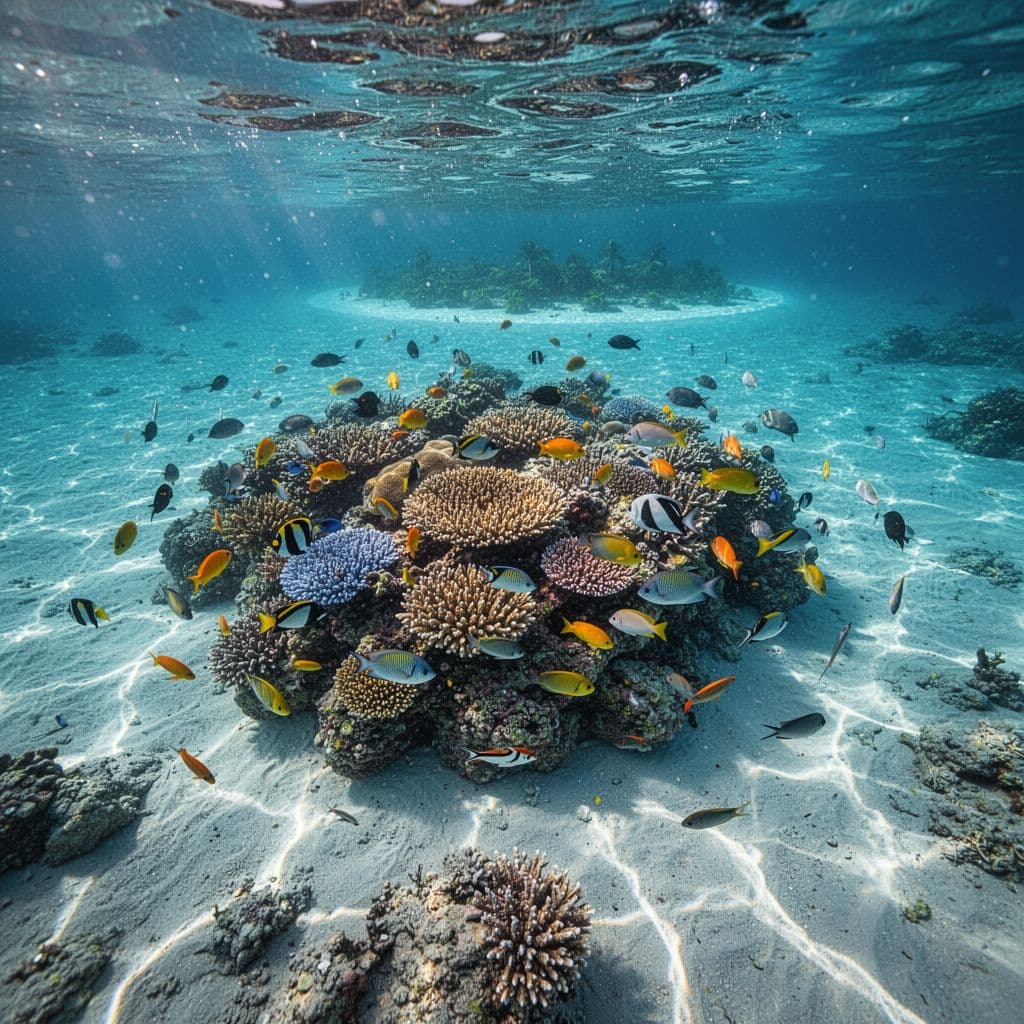
Keep your gaze on the horizon when you can. Sit where the motion feels steadier. If the crew suggests a lower or more central spot, take it. The UC Davis Health guide also points to simple tools like ginger and acupressure bands, which can help if your symptoms are mild.
For many people, these habits do not replace motion sickness medicine. They make the medicine work better. That is the real goal.
A simple pre-boarding routine
A calm start helps more than a rushed one. Try this before your Captain Cook snorkel tour:
- Eat a light meal.
- Take your medicine on schedule.
- Bring water and a small snack.
- Keep sunglasses handy.
- Leave the phone in your bag unless you need it.
That routine sounds basic, but basic often works.
Choosing a tour that matches your stomach
The boat matters almost as much as the medicine. A smaller group, a smoother boarding process, and a team that gives clear instructions can reduce stress before you even reach the snorkel site. If you want to compare options, guided snorkeling trips in Kona make it easier to find the style that feels right for you.
Kona Snorkel Trips keeps things focused on comfort, safety, and small groups. That can help when you know motion sickness is part of your planning. A calmer start, less crowding, and a crew that pays attention to how guests are doing all matter when your stomach is sensitive.
If you want a trip focused squarely on Kealakekua Bay, Captain Cook Snorkeling Tours gives you a clear look at the route, the timing, and what the day feels like. That kind of detail helps when you are trying to plan around motion sickness instead of hoping for the best.
You can also ask a simple set of questions before you book. How long is the ride? Where can you sit if you get queasy? Is there shade or open air? Those details matter more than glossy photos when your main goal is to snorkel Big Island without feeling sick.
What to do if nausea starts anyway
Even with the right motion sickness medicine, some people still feel off. If that happens, do not stare at the water and try to push through it. That usually makes things worse.
Look at the horizon. Sit down if you can. Breathe slowly and keep your head still. Small, steady breaths help more than fast ones. If you need help, tell the crew early. Waiting too long can turn mild nausea into a bigger problem.
A few things can help once symptoms start:
- Get fresh air.
- Stop reading or using your phone.
- Sip water slowly.
- Eat a plain cracker or ginger chew if your stomach can handle it.
- Stay away from strong smells.
Cruise travelers use the same basic approach, and many find that ginger and crackers help with early nausea, as noted in this seasickness guide. The setting is different, but the body often reacts the same way.
If your symptoms get strong, stop trying to tough it out. The sooner you respond, the faster you can get back to feeling normal. A short reset is better than losing the whole day.
Conclusion
The best motion sickness medicine for a Captain Cook snorkel tour is the one that fits your body, your schedule, and your level of sensitivity. For many travelers, that means starting early, keeping the dose simple, and pairing it with smart habits on the boat.
You do not need to guess your way through a day on the water. If you prepare well, you give yourself a much better shot at enjoying the ride, the reef, and the rest of your time on the Big Island.
That is the real goal when you plan snorkeling Big Island Hawaii. You want the memory to be the water, not the nausea.