
How Trade Winds Affect Captain Cook Snorkeling Cruises
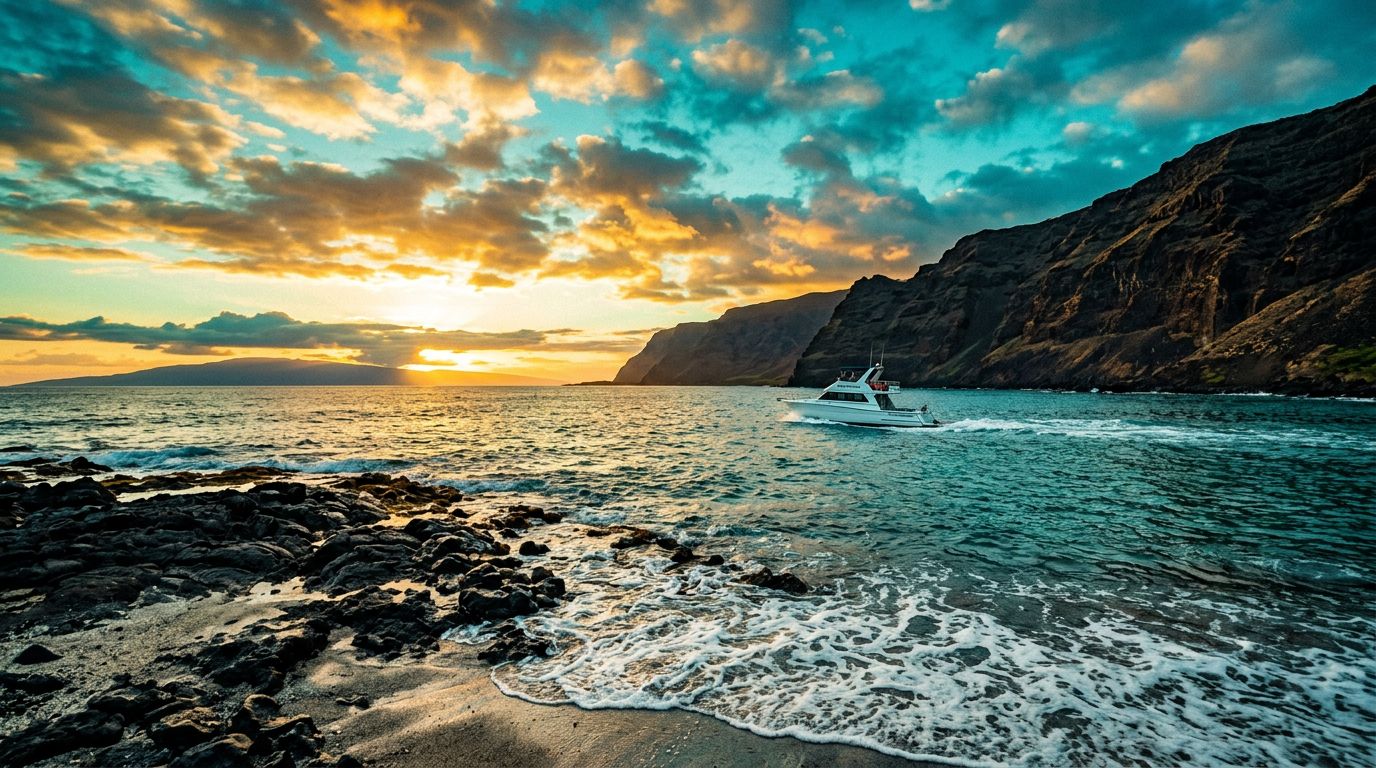
Trade winds can change a Captain Cook snorkeling cruise faster than the forecast does. A morning that starts smooth can turn choppier by lunch, and that matters when you want a relaxed day over the reef.
If you’re planning with Kona Snorkel Trips, a little wind knowledge goes a long way. For anyone comparing snorkeling Big Island Hawaii options, the breeze is part of the experience, not a side note.
That matters even more at Kealakekua Bay, where the water can look calm from shore and still feel different once you’re offshore. Keep that in mind as you read the conditions, because a good trip starts before you step on the boat.
Why trade winds matter on the Kona coast
Hawaiian trade winds usually blow from the northeast. On the Kona side, that often means the shoreline stays calmer than windward areas, but it doesn’t stay identical all day. Light wind can leave the water smooth, while stronger wind adds chop and spray.
A simple overview of when to snorkel Hawaii for better conditions shows why timing matters so much by shore. If you want to snorkel Big Island with less guesswork, start with wind and swell, not just sunshine.
The same sunny morning can look perfect from shore and still feel busy once you are offshore. That is why wind direction matters as much as air temperature.
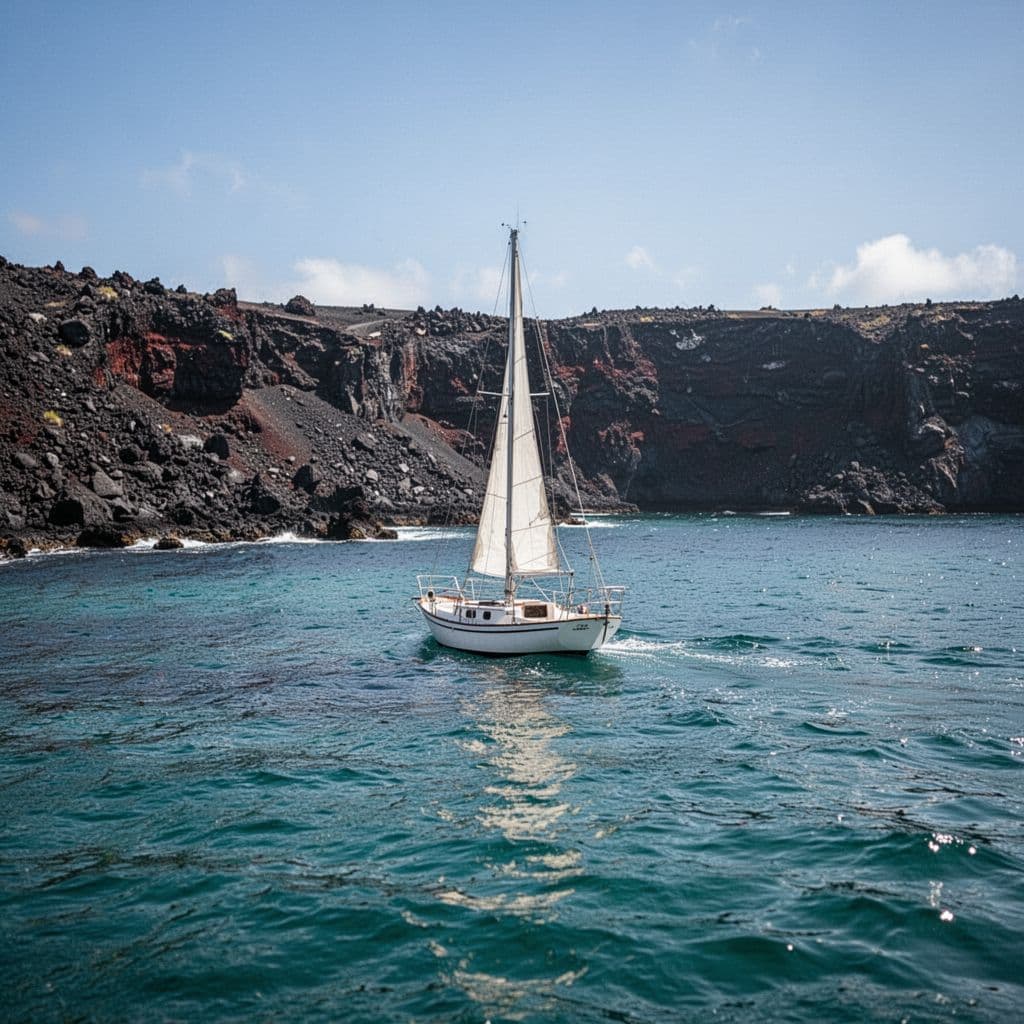
Trade winds also shape how your day feels on the boat. They can make a ride feel steady and easy, or they can turn the return trip into a bumpy run.
That is one reason small-group trips matter. If your dates are set, you can check availability for a Kona Snorkel Trips outing before you build the rest of your day around it.
What a Captain Cook snorkel cruise feels like in trade wind weather
Kealakekua Bay often gets some shelter from the land around it. That means trade winds do not automatically ruin the day. Even so, you may feel more motion on the way out and a little more splash near the surface.
The Captain Cook Monument snorkeling tour page explains the route and the setting in more detail. If you already know Kealakekua Bay is on your list, this is the trip where wind awareness pays off most.
A windy day usually changes a few things first:
- The boat ride feels more lively, especially in open water.
- Surface chop can make mask clearing and ladder time less relaxed.
- Spray reaches you more often if the wind is up.
- Morning departures often feel calmer than later ones.
A calm morning can feel like a different bay by noon.
Visibility is a separate issue. Wind can rough up the surface without ruining the water below. Swell, runoff, and current matter too.
When the forecast looks good, you can also check avaialbility for a Captain Cook trip and pick a day that lines up with better conditions.
How guides adjust when the breeze shifts
A good crew does not chase one perfect forecast. It watches the whole day. If the wind backs off early, you may head out then. If the afternoon gets rougher, the plan may shift to a more sheltered launch or a shorter run.
That flexibility matters if you’re traveling with family, beginners, or a mixed group. A private Kona boat charter gives you more room to match the day to your group’s comfort level.
It also gives you more control over pace. Some days call for a longer swim. Other days call for a shorter session and a quieter ride. On the water, that kind of choice makes a real difference.
Local guides also pay attention to where the wind hits the coast first. A spot that looks fine on a map may feel exposed in real life. That is why experience matters more than guesswork.
How to pick the best day to snorkel Big Island
When you plan snorkeling Big Island trips, the best question is not whether the sun is shining. It’s how strong the trade winds are, what direction they’re blowing, and whether the swell matches the coast.
For a broader look at island wind patterns, the Hawaiian Islands’ beloved trade winds explains how the breeze changes by shore. The same idea applies when you plan snorkeling Big Island Hawaii outings. One coast can feel easy while another stays rough.
Morning departures often give you the best shot at smoother water. That does not guarantee calm seas, but it usually gives you a better chance before the wind builds.
Before you book, check wind speed, swell height, and the launch side. Then ask how the crew handles changing conditions. A quick question before the trip can save you a lot of guessing later.
You should also think about how you feel on moving water. If you get motion sick, take care of it before you leave the dock. A steady stomach makes the whole day better.
Better backup plans when the water feels busy
If the forecast looks rough, you do not have to force a snorkel day. Sometimes the smartest move is a different ocean plan.
If you’re visiting during whale season, a seasonal whale watching tours in Kona trip can be the better fit. You still get time on the water, but you don’t have to deal with the same swim conditions. You can also check availability if that sounds like the better match for your day.
Private outings are another option when you want the day to fit your group instead of the other way around. That helps if you have young swimmers, older guests, or anyone who gets seasick fast.
It also helps when you want a slower pace. The ocean does not always hand you the exact day you planned, but a smart backup keeps the trip enjoyable.
Conclusion
Trade winds don’t ruin Captain Cook snorkeling cruises. They change the rhythm of the day. Sometimes that means a smoother ride, and sometimes it means a more active one.
If you pay attention to wind, swell, and departure time, you get a better chance at calm water and an easier trip. That is the real lesson for snorkeling Big Island Hawaii, and it makes the whole experience feel less random.
The sea gives you clues if you know how to read them. When you do, a Captain Cook cruise becomes less about luck and more about timing.