
How to Breathe Through a Snorkel During Captain Cook Snorkeling
Kona Snorkel Trips takes you into clear Kealakekua Bay water, and the first skill you want is calm breathing. You do not need fancy lung power. You need a relaxed mouth, a steady exhale, and enough confidence to let the snorkel do its job.
When you are snorkeling Big Island Hawaii reefs, a smooth breath through the tube keeps your body loose and your mind focused. If you are comparing options, Captain Snorkeling Tours also runs this bay route, so you have another way to plan the day.
Breathing through a snorkel feels odd for a minute or two, then it clicks. After that, the water does most of the work, and you can pay attention to fish, coral, and the blue edge of the bay instead of your mouthpiece.
Master the Right Breathing Technique
Your mouth does the work, not your nose. Close your lips around the mouthpiece, keep your jaw soft, and breathe in and out slowly. Short, sharp breaths make you feel busy. Long breaths make the snorkel fade into the background.
A good starting point is to exhale a little longer than you inhale. That simple pattern lowers tension fast. If you want a plain-English refresher before you go, a simple snorkel breathing guide walks through the basics.
You can also practice before your swim begins. Stand in shallow water or float near the boat, take three slow breaths, then notice your shoulders. If they rise, relax them again. If your cheeks puff out, you are pushing too hard. Smooth breathing feels quiet, almost lazy, and that is the point.
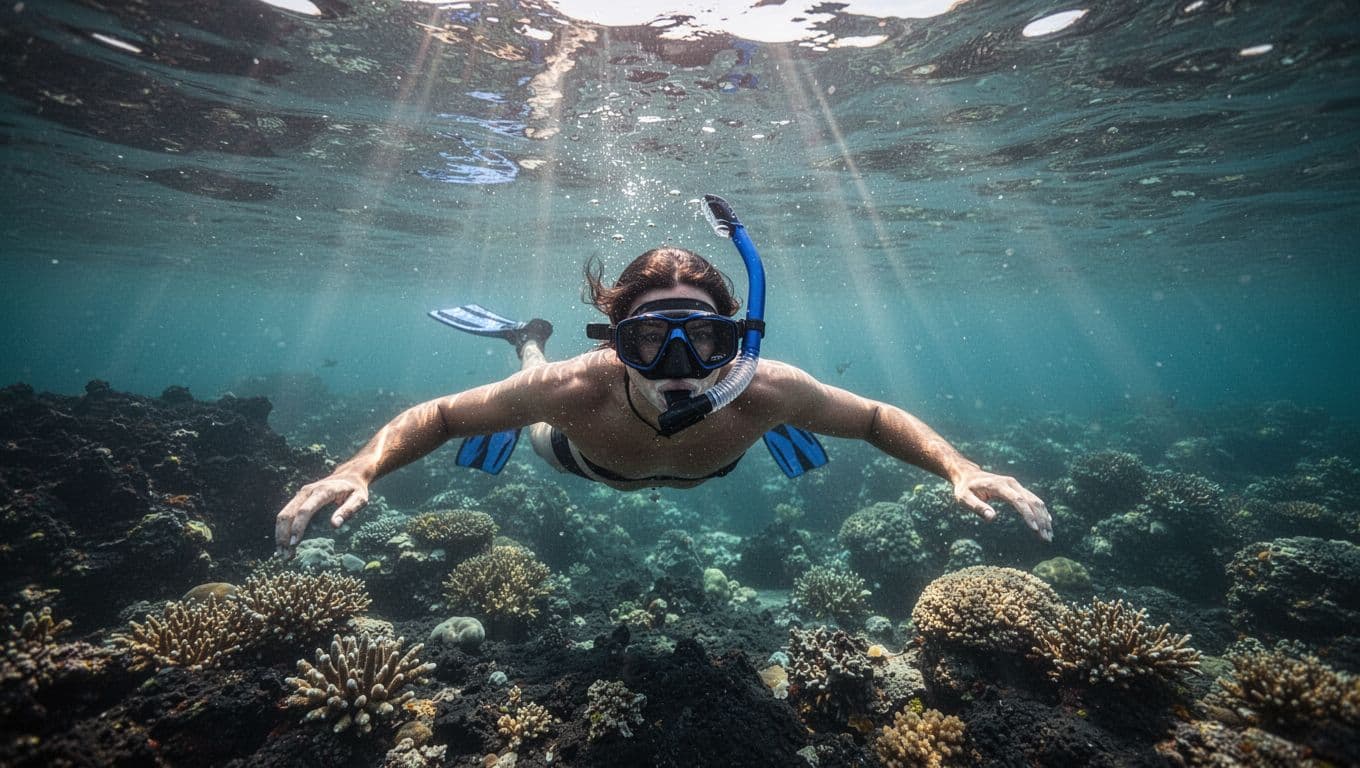
Slow breathing wins. Fast breathing tightens your chest and makes the whole swim feel harder.
That rhythm helps on your first swim and on longer snorkeling Big Island days too. Once your breath settles, your kick gets lighter and your mind gets quieter.
Keep Water Out Without Tensing Up
Every snorkeler gets a splash in the tube now and then. The mistake is treating it like a problem that needs panic. If a small amount of water gets in, give a firm exhale through the snorkel and keep your face steady.
You’ll breathe easier when you stop fighting the gear. A snug mask, a properly placed mouthpiece, and a relaxed kick all work together. If you bite down too hard, you tense your neck. If you kick too fast, your breathing gets choppy.
Watch for these common mistakes:
- Holding your breath after a splash
- Lifting your head too often
- Breathing too fast when you feel excited
- Tightening your jaw around the mouthpiece
A dry-top snorkel or splash guard can help, but it does not replace calm breathing. For more trip-level advice, Captain Cook snorkeling tips for beginners adds gear and comfort pointers that help before you reach the water.
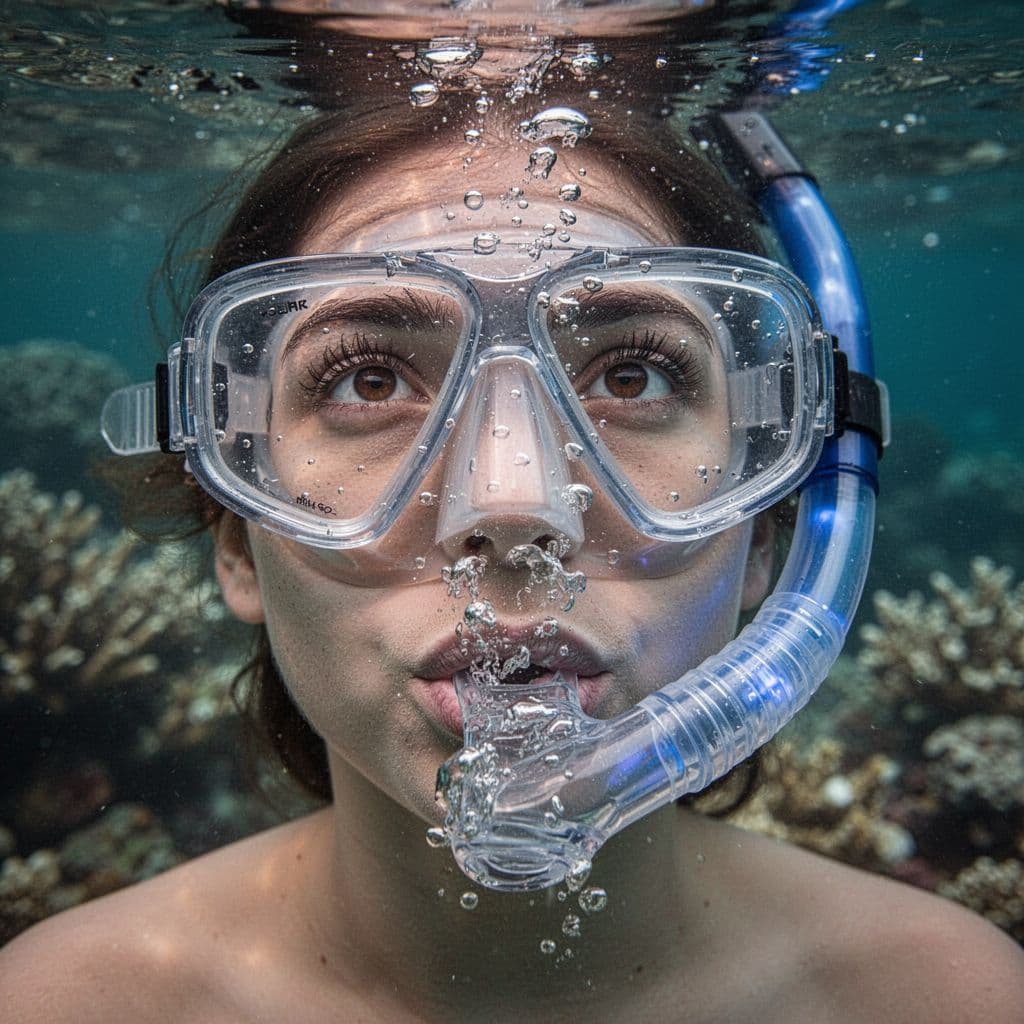
If you feel the urge to lift your head, roll to your side or float on your back for a moment. That short reset can save the rest of the swim.
Why the Right Tour Makes a Difference
A good guide takes pressure off your breathing before you ever enter the water. Kona Snorkel Trips keeps groups small, uses lifeguard-certified guides, and fits you with gear that works well. That matters because poor gear makes you work harder for every breath.
If you want the exact route, Captain Cook snorkel tour in Kealakekua Bay gives you a strong setting to practice. Calm water, clear visibility, and a steady guide can make the whole experience feel less like a test and more like a long, easy swim.

If you want to compare another Kealakekua Bay option, Captain Cook Snorkeling Tours also focuses on this stretch of coast. Either way, you want a trip that matches your pace, because comfort in the water starts before you put your face in.
The same breathing habits help on snorkeling Big Island Hawaii trips beyond Captain Cook. Once your breathing slows, you can snorkel Big Island reefs with better control and less effort.
Conclusion
The first few breaths through a snorkel can feel awkward, but the fix is simple. Keep your mouth relaxed, clear small splashes with one steady exhale, and let your body settle into the water.
When you pair that rhythm with a good Captain Cook snorkeling tour, the whole swim feels smoother. That is the real trick on snorkeling Big Island days, breathe calmly enough that the reef gets your full attention.