
Can You Wear Contact Lenses on a Manta Ray Snorkel?
Kona Snorkel Trips is a strong place to start when you’re planning snorkeling Big Island Hawaii adventures, but your contact lenses need a little thought before you slide into the water. The short answer is yes, you can often wear them. The better answer is that ocean water changes the risk, and your mask fit matters as much as your eyesight.
If you’re headed out for a manta ray snorkel, a lost lens or irritated eye can turn a great night into a frustrating one. You don’t need to skip the trip, though. A few smart choices can keep your eyes comfortable and your focus on the mantas, not on blinking through saltwater.
Start with the basic safety rules, then match your lens plan to the way you snorkel Big Island waters.
The short answer: yes, but only with care
You can wear soft contacts while snorkeling if your mask seals well and seawater stays out. The main problem isn’t the open ocean itself, it’s what happens when water gets behind the mask and touches your lenses.
A tight mask seal does more for your eyes than any brand name on the lens box.
When water sneaks in, you may notice blur, grit, or stinging. That is your cue to stop and reset, not push through it. All About Vision’s guide on swimming with contacts explains why eye-care professionals warn against water exposure in the first place.
A snorkel mask is a barrier, but it is not perfect. If you rub your eyes, clear your mask often, or dive under waves, your lenses face more risk. That is why contact lenses and snorkeling work best when you keep things simple.
Which contact lens setup works best for the ocean
For most people, the safest choice is soft lenses paired with a well-fitting mask. Still, some options work better than others when you plan a day in the water.
| Lens setup | Best for | Main drawback |
|---|---|---|
| Soft daily disposables | Short trips and easy cleanup | You may need to throw them away after water exposure |
| Soft reusable lenses | People who already wear them every day | Higher risk if water gets in |
| Hard gas-permeable lenses | Clear vision on land | More likely to shift or pop out |
| Prescription snorkel mask | The cleanest eye-care option | You need to plan ahead |
For most snorkelers, soft daily disposables or a prescription snorkel mask make the most sense. Daily lenses give you a fresh start, while a prescription mask removes most of the stress. That matters if you’re snorkeling Big Island reefs often or bringing kids who need calm, simple prep.
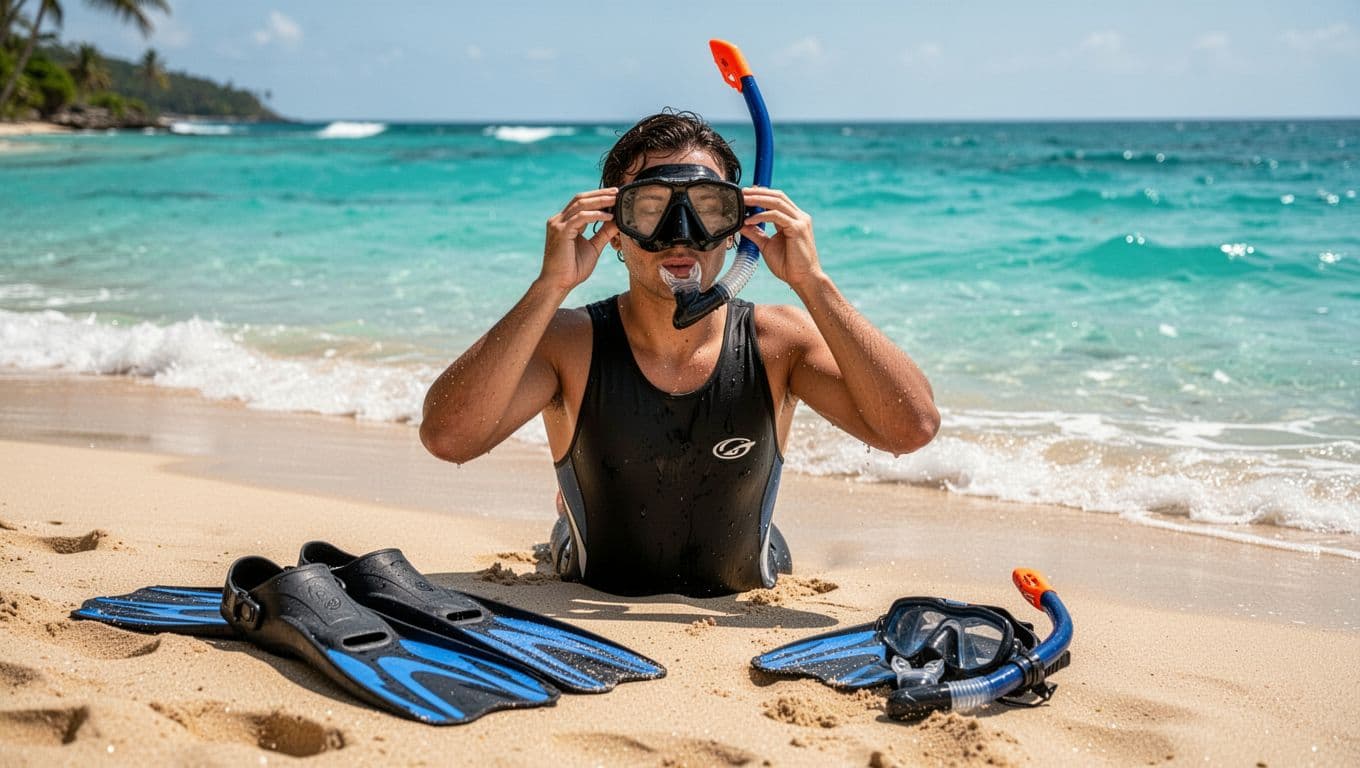
A prescription mask can be a smart move if your vision feels blurry without contacts. It also helps if you dislike the idea of seawater touching your lenses at all.
How to protect your eyes on a manta ray snorkel
Night snorkeling adds one more layer to the equation, because you need comfort and confidence in low light. On a Kona manta ray snorkel, you spend time floating with bright lights below you, so a snug mask matters even more.
If you want a dedicated night option, Manta Ray Night Snorkel is another manta-focused trip to compare. Either way, your eye plan should stay simple. Keep your eyes closed when you clear your mask, don’t rub them in the water, and avoid touching your lenses with wet hands.
Kona Snorkel Trips keeps the experience small-group and safety-focused, which helps when you want less stress around your gear. If you’re planning ahead, you can check availability before your trip.
If you want the manta-specific outing, you can also check availability before the best dates fill up.
A simple checklist before you snorkel Big Island waters
A little preparation saves you from a lot of eye irritation later. Keep this short list in mind before you head out:
- Bring a backup pair of glasses for the ride back.
- Pack daily disposable lenses if you expect any water in your mask.
- Use a prescription mask if you want the lowest-risk setup.
- Keep your hands off your eyes while you’re in the water.
- Never rinse contacts with tap water before or after the trip.
That last point matters because natural water and tap water can both expose your lenses to unwanted bacteria. Optometrists.org’s swimming-in-contacts guide explains why eye-care professionals push people toward caution.
If you snorkel Big Island sites often, this is worth planning once instead of every trip. A good setup turns the whole day into less work and more fun.
Conclusion
Yes, you can wear contact lenses on a manta ray snorkel, but you should treat the ocean with respect. A well-fitting mask, soft lenses, and a backup plan make the biggest difference.
If you’re planning snorkeling Big Island time soon, choose the eye option that fits your comfort level, not just your routine. That way, the only thing you remember is the manta glide, not an irritated eye.