
How Surface Chop Feels During Captain Cook Snorkeling
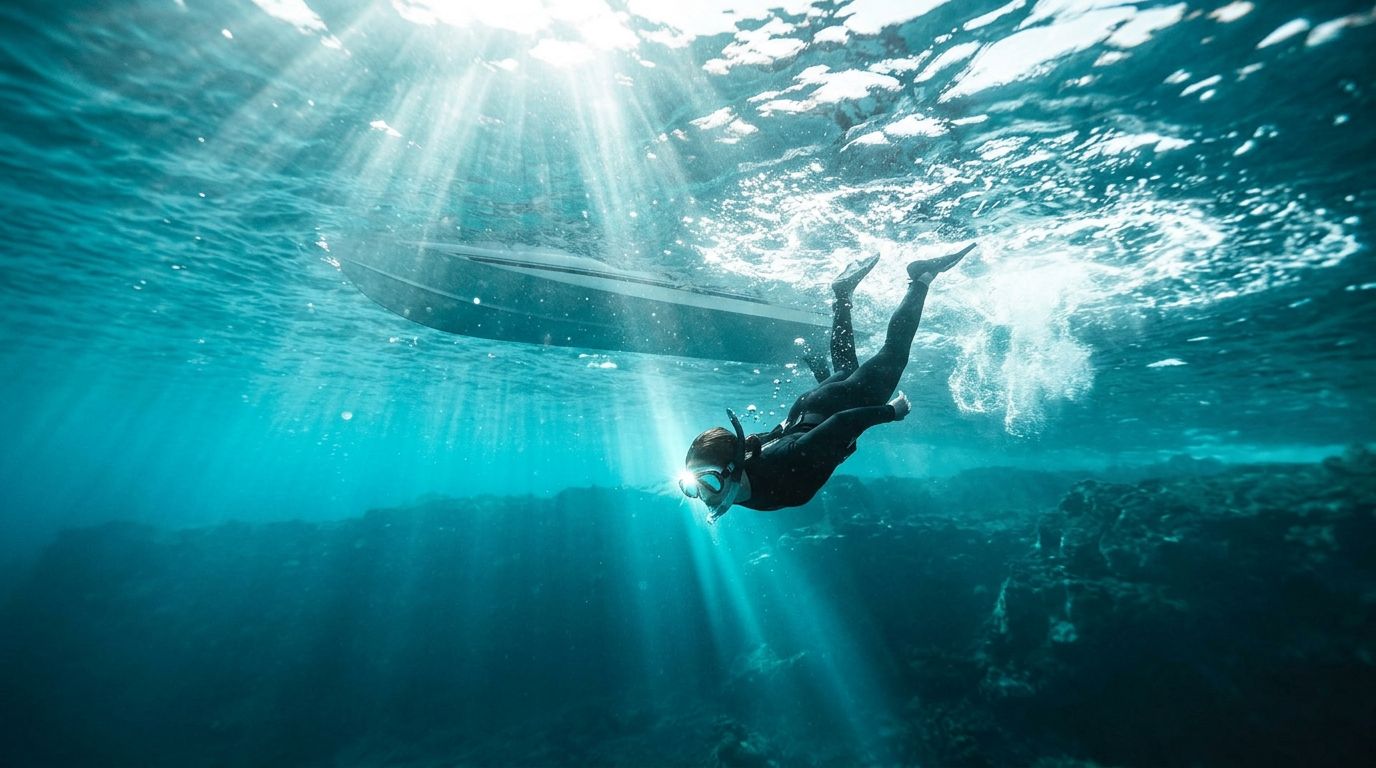
Kona Snorkel Trips runs small-group outings along the Kona coast, and that matters when the surface starts to move. On a Captain Cook snorkeling day, a little chop can change the first five minutes in the water more than the rest of the swim.
If you’ve compared options, Captain Cook Snorkeling Tours focuses on the same Kealakekua Bay route, so the real question is how the water will feel once you get in. Surface chop looks minor from the boat, yet it can feel lively on your face, neck, and mask once you drop below the ladder.
The good news is simple. A restless top layer does not always mean a rough snorkel below. Once you know what to expect, the water becomes easier to read and easier to enjoy.
What surface chop feels like once you get in
Surface chop feels less like one wave and more like a steady stream of small bumps. Your body lifts, dips, and turns a little at the same time. The motion is quick enough to notice, but usually not strong enough to throw off a calm swimmer.
At first, you feel it in your chest and shoulders. The water taps at your mask, your snorkel tube bobs up, and the top of your head feels more exposed. Your breathing changes too, because each breath starts to line up with the water instead of floating on its own rhythm.
That is why Captain Cook snorkeling can feel different from a pool swim or a quiet shore day. The reef below may stay crystal clear, while the top few inches feel busy and noisy. If you’ve done snorkeling Big Island Hawaii trips before, you probably know that the surface can look harmless and still keep you alert.
The sensation is often more annoying than hard. Your body keeps correcting itself in tiny ways, like a car making small steering adjustments on a windy road. You may not feel danger. You may just feel less settled.
That unsettled feeling usually fades once you stop fighting it. After a minute or two, your body learns the pace of the water. Then the chop becomes background motion instead of the main event.
Why Kealakekua Bay changes the mood of the water
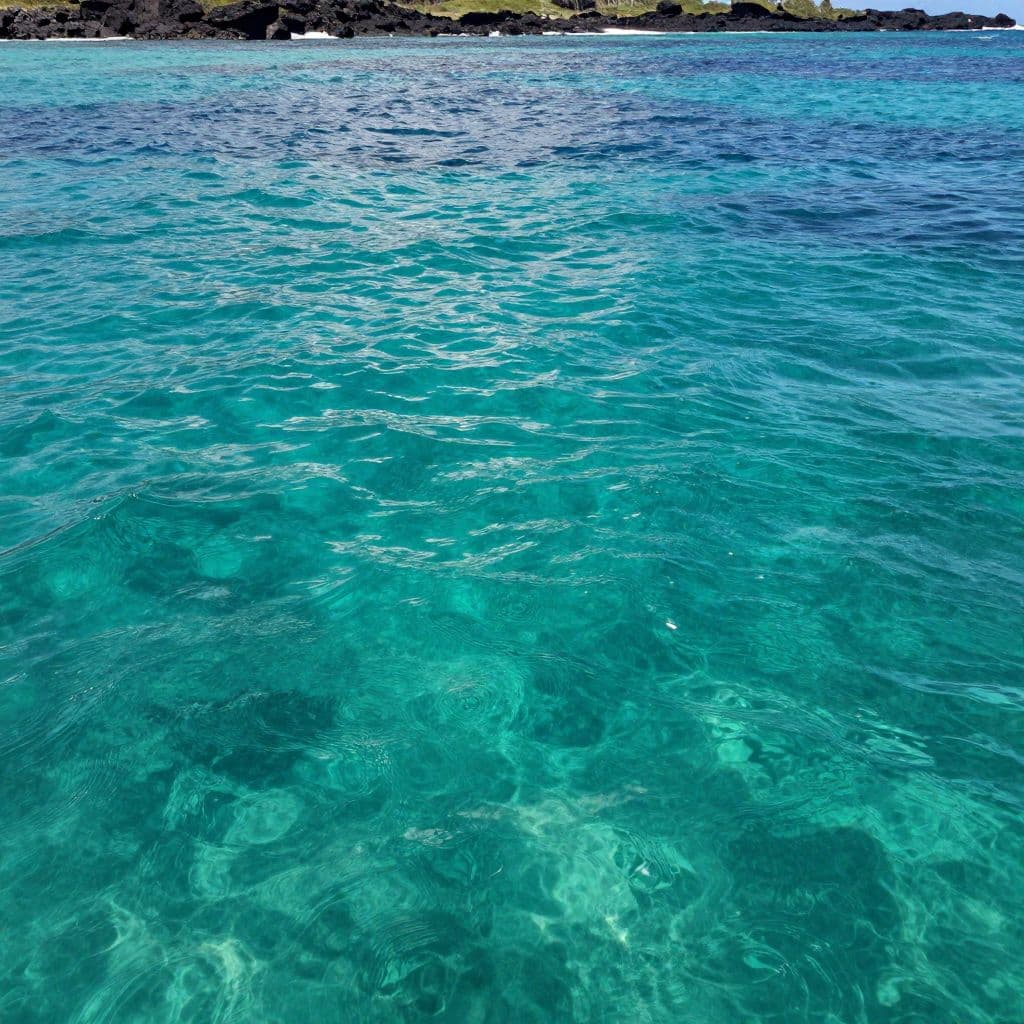
Kealakekua Bay has a sheltered shape, and that shape helps a lot. The cliffs and coastline block some of the wind, so the bay often looks calmer than open water nearby. Even so, the top layer can still wrinkle fast when the breeze picks up.
That is why Captain Cook snorkeling often feels best early in the day. Morning air is usually softer, and the surface has less time to collect wind-driven texture. By afternoon, the same bay can feel a little busier, even if visibility below stays strong.
Love Big Island’s Kealakekua Bay notes make the same point in plain language, morning is usually the better window. The water on the Kona coast can shift quickly, so a smooth start does not guarantee a smooth afternoon.
If you snorkel Big Island often, you learn to trust the wind more than the postcard. A bay can look perfect from shore and still have a thin layer of chop moving across it. The opposite can happen too. A slightly rippled surface can hide calm water below.
For a closer look at that pattern, this trade wind guide explains how the wind changes Captain Cook snorkeling conditions over the course of a day.
The small signs that tell you the top layer is active
You do not need special training to read surface chop. You only need to watch a few details before you enter. Those details tell you whether the water will feel relaxed, busy, or somewhere in between.
- Whitecaps near the boat usually mean the wind is already pushing the surface around.
- A rocking ladder or swim step can make the entry feel less stable before you even begin.
- If the boat swings more than usual, your first breaths in the water may take extra focus.
- A messy shore break often means the first few yards will feel busier than the swim itself.
A little chop on top can feel noisy above water and calm below it.
Many snorkeling Big Island travelers picture glassy water the whole time. Real days are messier, but that does not mean a poor snorkel. Clear water and light chop often show up together, especially around a protected bay like Kealakekua.
The biggest clue is your own body. If you feel rushed before you even start swimming, slow down. If you feel steady on the boat but wobbly in the water, let the water set the pace. That small shift makes a bigger difference than most people expect.
What chop does to your mask, breathing, and fins
Surface chop changes the way your gear feels. A good mask can still feel slightly less secure when the water keeps bouncing you. The skirt stays in place, but the movement makes you notice every little shift.
Here is a quick way to think about it:
| Condition | What you feel | What helps |
|---|---|---|
| Light chop | Gentle rocking and a little mask tap | Keep your breathing slow and steady |
| Short wind waves | Snorkel splash and small face bumps | Keep your face low and stay loose |
| Repeated bounce | Up-and-down motion while you float | Move with the swell instead of fighting it |
| Entry and exit surge | A less stable ladder or shoreline approach | Wait for a gap and follow your guide |
The table shows a simple pattern. The water does not usually beat you. It just asks for more patience.
Breathing is the first thing that gets tight. When you notice motion, you may hold air a little longer than you should. That habit makes the whole snorkel feel harder. A calmer exhale helps more than forceful kicking or faster swimming.
Your fins matter too. Strong kicks can lift your upper body and make the chop feel worse. Short, easy kicks keep you level. That steadier body position also helps your mask and snorkel stay where they belong.
If you snorkel Big Island with kids or less confident swimmers, this part matters even more. A relaxed pace keeps everyone from burning out too fast. It also keeps the first few minutes from feeling like a struggle.
Choosing a guided Captain Cook snorkeling trip when the water moves
A guided trip changes the day fast when the top layer has some texture. Kona Snorkel Trips keeps groups small, uses Lifeguard Certified guides, and focuses on reef-safe habits and clear instructions. That kind of setup helps when you want less guesswork and more time in the water.
If you want a wider look at the company’s trips, the Big Island snorkeling tours page shows how the Captain Cook route fits with other options. You can compare the bay trip with other Kona experiences before you book.
That same approach is why many people like a dedicated operator for Captain Cook snorkeling. You get help with timing, entry, and pacing, which matters more when the surface has a little motion. A good guide also knows when to wait for a better gap instead of rushing the group.
If you want another bay-focused choice, Captain Cook Snorkeling Tours is built around the same Kealakekua Bay destination. The key is to choose a trip that matches your comfort level, not just the date on the calendar.
When you’re ready to plan your own day, you can check availability and line up a trip that fits the forecast.
A guided trip does not flatten the ocean. It does make the water easier to read, and that matters when the bay looks calm at one glance and lively at the next.
How to stay relaxed when the surface keeps moving
The best response to chop is not force. It is timing. Once you are in the water, let the movement pass under you instead of trying to outmuscle it.
Start with your breathing. Short, steady breaths work better than long pauses. If you catch yourself holding air, release it and reset. A loose jaw and soft shoulders help too, because tension spreads fast when your body expects a rough patch.
Next, match the water’s rhythm. If the surface lifts you, rise with it. If it drops you, follow it. That small adjustment keeps your body from fighting a motion it cannot stop.
You can also make your entry easier by staying patient at the ladder or shoreline. Wait for a clean moment. Keep one hand steady on the rail or float. Then enter with a smooth motion instead of a rushed jump.
Once you are in, look down sooner than you look around. The reef often feels calmer than the surface, and that shift helps your mind settle. Fish, coral, and clear blue water can pull your attention away from the chop almost immediately.
That calm approach works on the Kona coast because the water often changes in layers. The top layer may bump you a little, while the view below stays sharp. When you understand that split, the whole snorkel feels easier to trust.
Conclusion
Surface chop during Captain Cook snorkeling usually feels like small, quick bumps, not a hard battle with the sea. It can make the first moments feel busy, but it rarely defines the whole swim.
Kealakekua Bay still gives you one of the most memorable reefs on the Big Island. When you read the surface, pick a good time of day, and choose a guide who knows the bay, surface chop becomes part of the experience instead of the main story.
That is the real shift. You stop chasing perfect stillness and start noticing how clear, alive, and manageable the water can be.