
How Kona Microclimates Shape Snorkeling on the Big Island
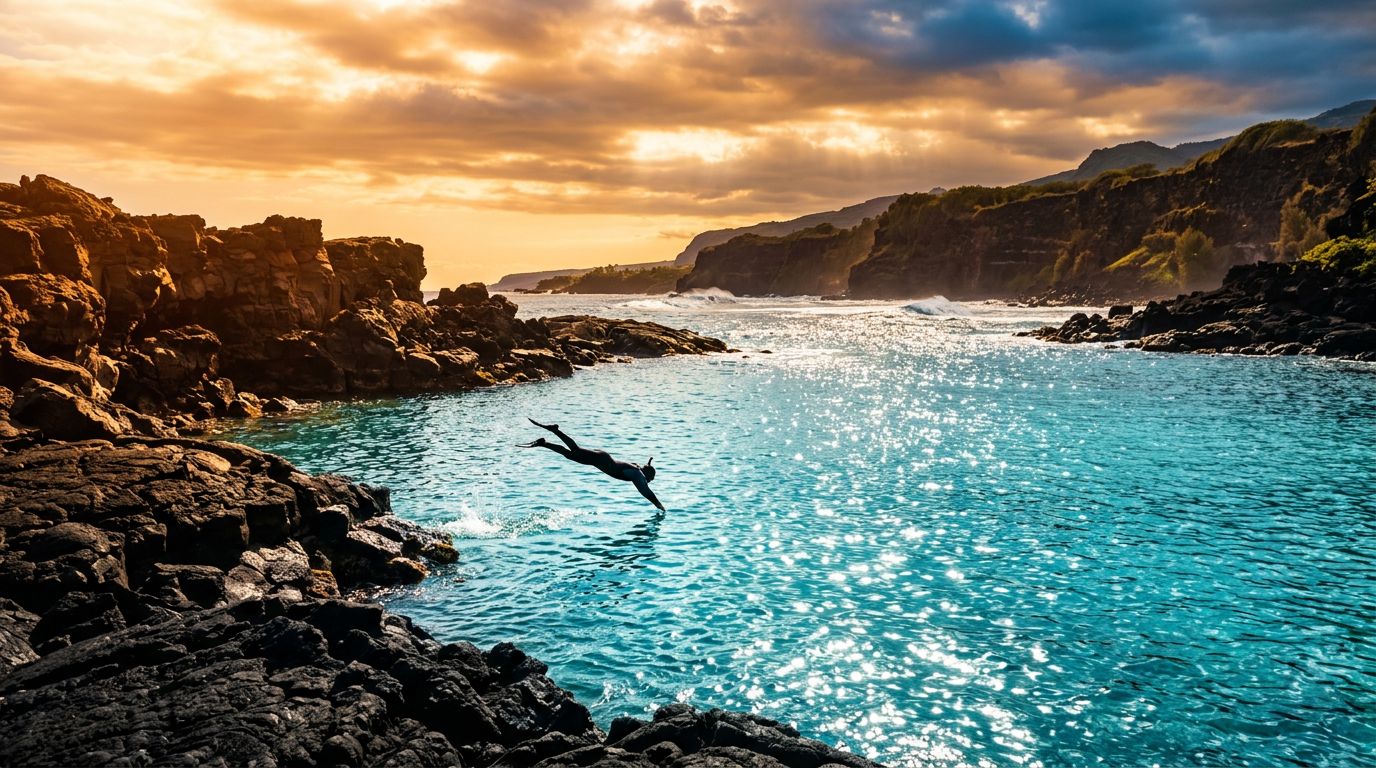
Kona microclimates can turn one snorkeling plan into three very different water days. You can leave a sunny road and reach a bay with chop, cloud cover, or glassy calm in minutes.
If you’re planning snorkeling Big Island Hawaii, that shift matters more than almost anything else. Kona Snorkel Trips works in those changes every day, because the west side of the island rewards the people who read the water, not just the weather app.
When you snorkel Big Island, the best spot is often the one that fits the coast at that hour. The rest of this guide shows you how to spot that fit before you launch.
Why Kona’s Coast Feels Different in Every Cove
The Kona coast sits on the dry side of the island. Volcanic slopes block a lot of rain, and they also shape the wind. That gives you pockets of calm water next to exposed stretches with more surface movement.
The result feels almost local to each beach. A bay tucked behind a headland can stay clear while the next point gets wind chop. A short drive can change the whole feel of the day.
That is why Kona microclimates and snorkeling go together so tightly. The reef can be healthy and colorful in one spot, then look hazy somewhere else because the wind changed or a shower passed inland.
You do not need to guess where to go. You just need to know which side of the coast is carrying the breeze. On the Kona side, that usually means the same rule repeats again and again, protected water stays friendlier longer.
When you snorkel Big Island, comfort starts before you hit the water. It starts with the coastline, the time of day, and the shape of the bay. If the water looks inviting from shore, you are already halfway there.
Morning Calm Often Gives You the Cleanest Water
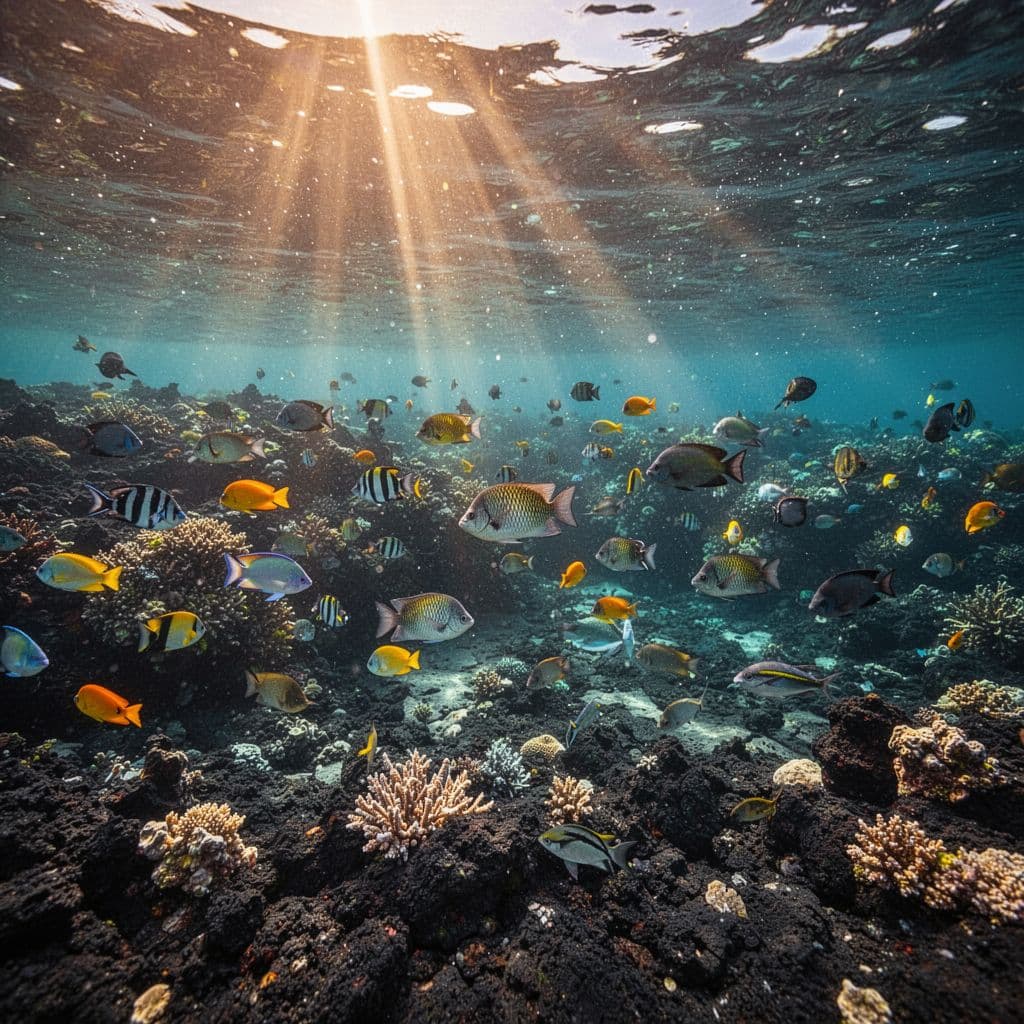
Morning usually gives you the best mix of calm surface water and clear light. The land has not heated up enough to pull a strong sea breeze, so the water often stays smoother. You also get less glare in the first part of the day.
That matters because even great reefs look better when the surface isn’t busy. Fish are easier to track, fins feel steadier, and entry feels simpler. A calm entry is a gift you notice right away.
Here’s a quick comparison you can use when you plan snorkeling Big Island days.
| Time or condition | What you often notice | Best move |
|---|---|---|
| Early morning | Flatter water, softer wind, cleaner visibility | Start early and use your best swim first |
| Midday breeze | More chop and more glare | Stay close to shelter or shorten the session |
| Light rain inland | Little effect if runoff stays away from shore | Keep an eye on clarity before entering |
| Post-shower runoff | Cloudier water near stream mouths | Move to a different bay |
| Bigger swell | Surge over reef edges and harder entries | Choose a protected cove |
The pattern is simple. Early starts usually win, especially on the Kona coast. The farther the day moves from dawn, the more likely wind and glare are to change the feel of the water. That is why snorkeling Big Island often works best before lunch.
A bay can still look gorgeous at 2 p.m., but the surface may ask more from you. If you want the easiest swim, let the clock help you.
Sheltered Bays Can Make or Break a Snorkel
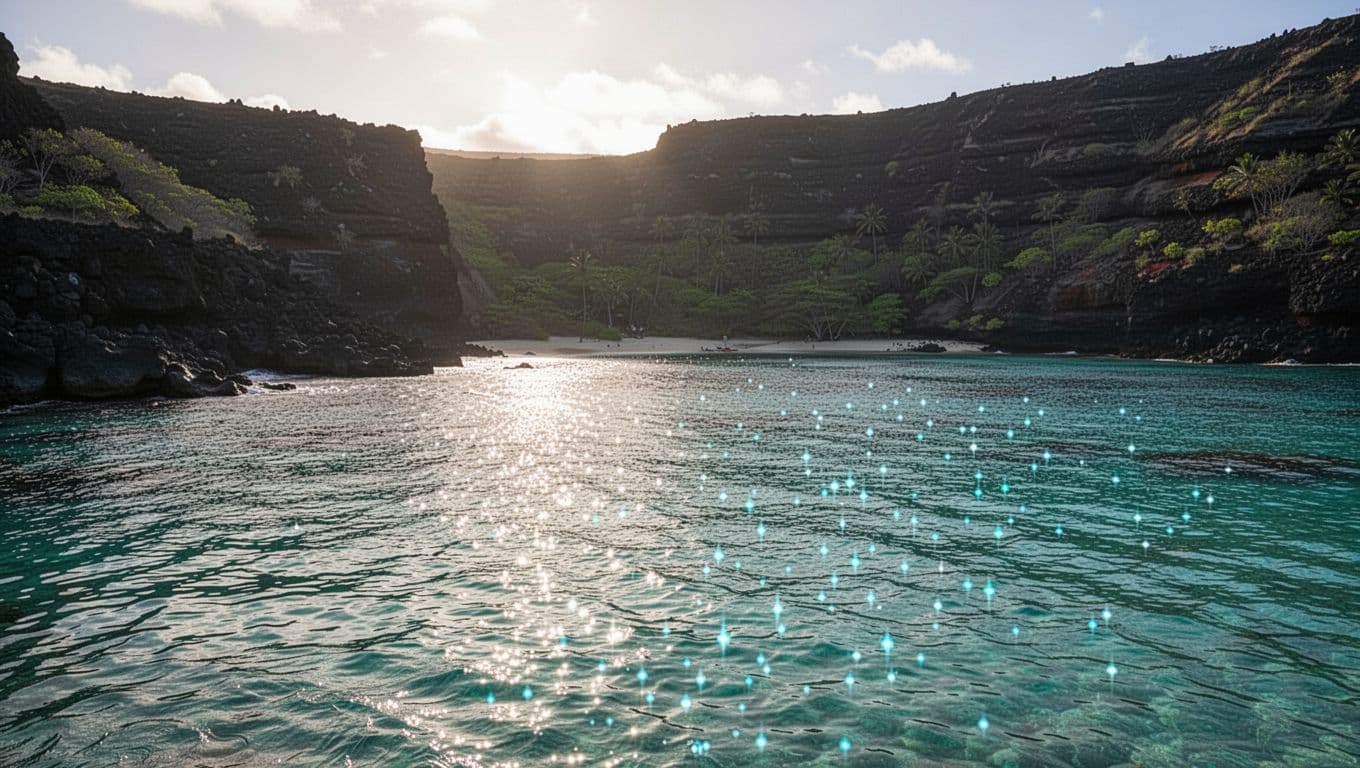
Sheltered bays matter because they cut down wind and reef surge. They also keep sand from getting tossed up as easily. When a bay has a reef wall, a headland, or steep lava cliffs around it, the water inside can stay calmer than the open coast.
Kealakekua Bay is one of the best examples on the Kona side. The bay is shaped like a natural bowl, so it often protects snorkelers from the wind that hits more exposed shoreline. That is a big reason people pair it with the Captain Cook Monument.
For a closer look at the site itself, this Captain Cook snorkeling guide breaks down why the bay stays so workable when other stretches of coast do not. If you want the trip details, best Big Island snorkeling at Kealakekua Bay is the page to open next.
The catch is that sheltered water still changes. Rain upcountry can send color into the water. A south swell can wrap around a point. Even a calm morning can turn busy by afternoon if the wind builds.
The prettiest shoreline is not always the easiest one to swim. For snorkeling, a protected bay often beats a dramatic surf line.
If you know that before you leave the dock, you save time and energy. You also spend more of your day looking at fish instead of fighting surface chop.
When the bay looks right and you want to lock it in, the next step is simple.
Wind, Rain, and Swell Tell You More Than the Forecast
Wind is the fastest clue because it changes the surface first. When the breeze comes up, the water gets textured fast. Even if the reef below is healthy, the top layer can make the swim less pleasant.
Rain matters too, but not every shower creates the same problem. A passing cloud over the mountains may never touch the bay. A heavier burst over drainage areas can cloud the nearshore water for a while.
Swell is the quiet third factor. A bay can look peaceful from the road, then feel surge on the reef edge as soon as you enter. That extra push is normal, but it changes how far and how long you should swim.
Before you enter, scan these four things:
- Wind direction, because it tells you which shoreline will stay more sheltered.
- Recent rain, because runoff can change visibility fast.
- Swell height, because a small rise can bring surge to shallow reefs.
- Current at the entry, because clear water is not always easy water.
Those clues are simple, but they save you from a rough start. They also help you choose between a broad reef and a tucked-in cove. If the forecast shifts, do not force the swim.
During winter, the same weather pattern that brings humpback whales can make some snorkel spots less friendly. On those days, seasonal whale watching tours in Kona can be a smarter way to stay on the ocean. You still get a Big Island day, just without fighting the chop.
Matching the Right Tour to the Day
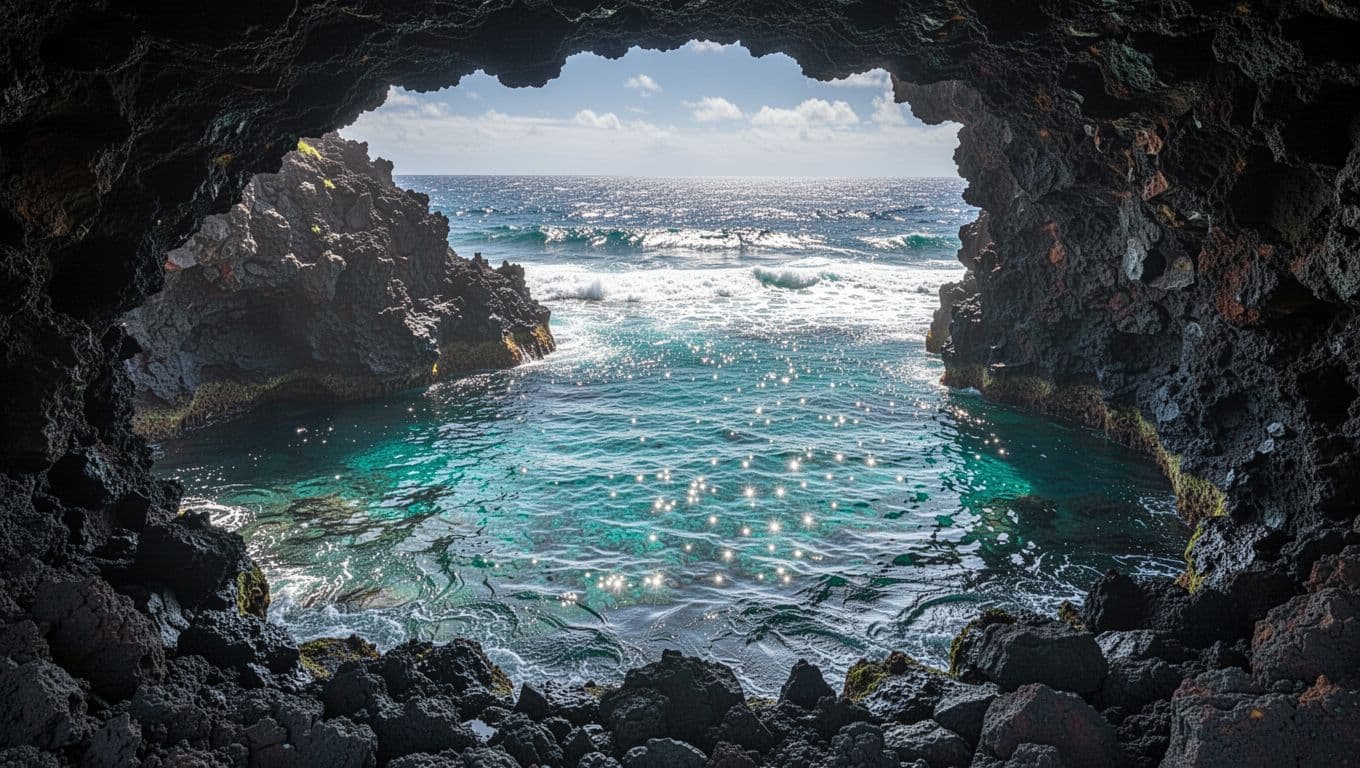
The smartest way to work with Kona microclimates is to book a crew that knows the coast. Kona Snorkel Trips does that well, because the company keeps tours small, gear solid, and the pace personal. Their reef-to-rays approach means daytime reef trips and night manta outings get the same care.
The guides are lifeguard-certified, and that matters when conditions shift. They know when a bay is calm enough for a relaxed swim and when another site makes more sense. That kind of local read is what turns a good forecast into a better day.
If you want a wider look at routes, guided snorkeling excursions in Kona show how the main trips differ. That helps you decide between a sheltered morning swim, a private charter, or a night run.
If your group wants more room, book a private Kona boat charter is a smart choice. Private trips are easier when you want to stay close to the calmest water or shift plans on short notice.
Night water behaves differently, and that is part of the draw. On a smooth evening, the ocean can settle fast after sunset. That is one reason a guided manta ray snorkeling adventure feels so distinct from a daytime reef swim.
Kona Snorkel Trips also makes that kind of booking easy when the weather lines up.
The right tour does more than get you in the water. It puts you in the part of the water that fits the day. That is the real win when Kona’s weather starts moving around.
Conclusion
Kona microclimates do not make snorkeling harder. They make it more interesting, as long as you know what to watch. Wind, rain, swell, and bay shape each play a part in how the water feels.
The best days usually start early, stay close to shelter, and match the coast instead of fighting it. That is why a good plan matters so much for snorkeling Big Island and snorkeling Big Island Hawaii.
If you remember one thing, make it this, the water off Kona changes fast, and that is part of the draw. Read the coast well, and it gives you some of the clearest and calmest snorkeling Big Island has to offer.