
How Boat Tour Captains Pick the Best Captain Cook Snorkel Site
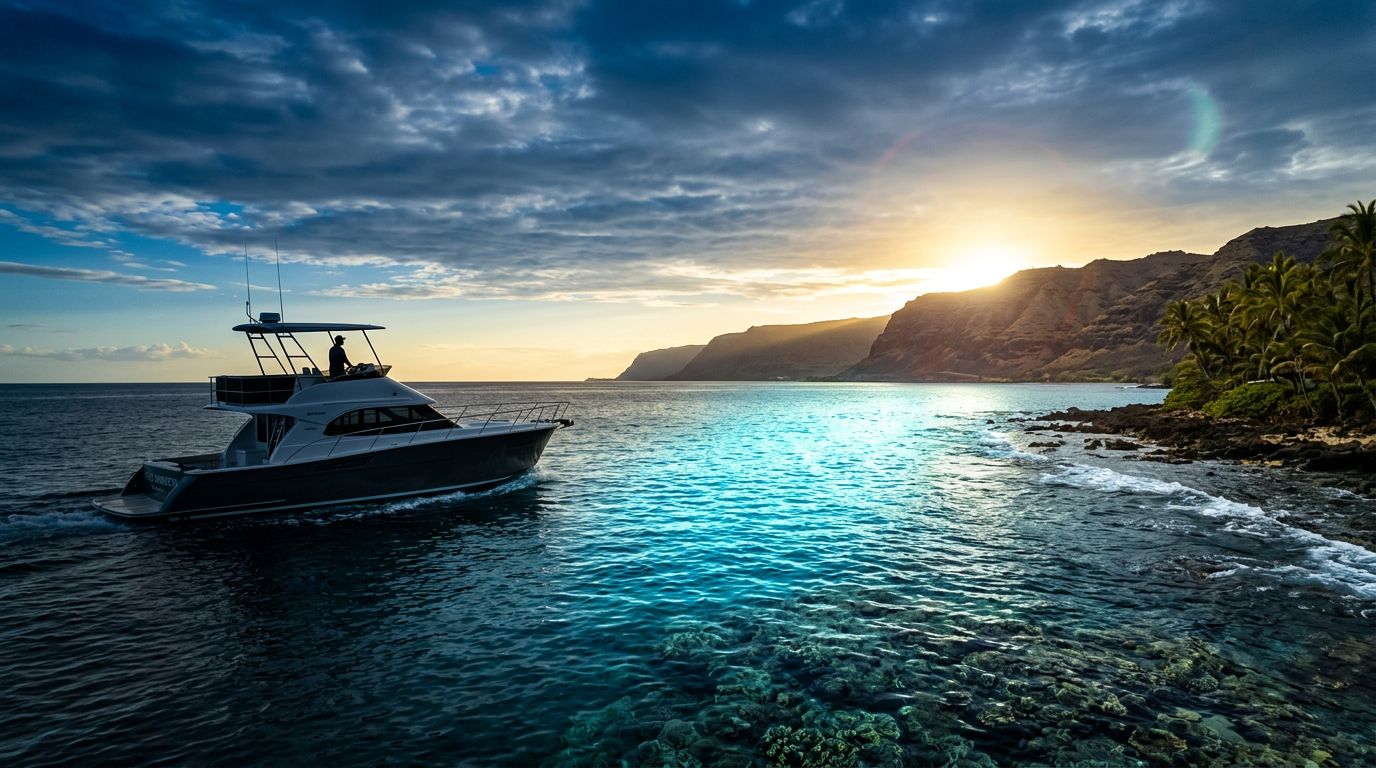
Kona Snorkel Trips and Captain Cook Snorkeling Tours both know a simple truth, the best-looking reef isn’t always the best one for the day. If you want snorkeling Big Island Hawaii at its best, the real skill is reading wind, swell, and water clarity before the boat leaves the harbor.
When you plan to snorkel Big Island reefs, the captain’s choice can change your whole morning. A calm bay can turn hazy after a swell, while a less famous spot can feel glassy and full of fish. That is why the Captain Cook snorkel site is a moving decision, not a fixed stop.
A good captain reads the ocean like a map that keeps changing.
What captains check before picking the site
Before the bow leaves the dock, a captain watches the sea with a lot more care than most guests see. Wind direction, swell height, tides, rain, and cloud cover all matter. So do guest comfort, swim confidence, and how much time you want in the water.
Here are the main signals that shape the call:
| What the captain checks | What it means | Likely choice |
|---|---|---|
| Wind direction | Surface chop can build fast on open water | A more sheltered bay or an earlier run |
| Swell and surge | Reef entry can get rough even on sunny days | Kealakekua Bay only when the water is calm |
| Water clarity | Sediment and plankton affect what you can see | The clearest window wins |
| Guest comfort | New swimmers need an easier, slower start | Gentle water and a simpler entry |
| Boat traffic | Crowding changes the feel of a small bay | Earlier departure or a less busy site |
A morning that looks calm from shore can still have surge along the reef. The crew reads the whole picture, not one surface clue.
A good captain doesn’t chase the famous stop. They choose the stop that fits today’s sea.
That mindset matters because the ocean changes fast around Kona. On one day, the famous bay is the right answer. On another, a quieter reef gives you a better swim and better visibility.
Why Kealakekua Bay often wins on calm mornings
Kealakekua Bay often rises to the top because it has natural protection. Steep cliffs and a tucked-in shoreline help block some open-ocean energy. When the swell is light, the water can stay clearer and calmer than nearby areas.
That is why people searching for snorkeling Big Island experiences keep hearing about this spot. The Captain Cook snorkel site brings together easy boat access, reef life, and a setting that feels special the moment you arrive. Coral heads, bright fish, and the monument area give you a lot to look at without making the swim feel hectic.
For a quick look at the layout, Captain Cook Hawaii snorkeling map for first-time guests helps you see why captains pay close attention to approach angle and morning timing. If you want a deeper planning read, Captain Cook Hawaii Snorkeling: The Ultimate 2026 Guide lays out the route in plain language.
If your trip is centered on the bay, Captain Cook Snorkeling Tours keeps the focus on Kealakekua Bay itself. That makes sense when you already know the site is the main draw.
The bay also works well for guests who want a classic snorkel day. The water often feels calmer, the swim is easier to manage, and the scenery gives you that postcard look people want when they plan to snorkel Big Island waters.
When a different Kona reef is the smarter call
A famous bay isn’t always the smartest choice. If wind pushes across the reef, surface chop can build and visibility can drop. Swell can also stir up sand and make the water look less clear than it did an hour earlier.
In those cases, a captain may choose a more sheltered Kona reef instead. That change protects your time and keeps the swim easier for kids, newer snorkelers, and anyone who gets tired in choppy water. It also lowers the chance that your group spends the whole trip fighting the surface instead of enjoying the reef.
This is where experience matters. A captain who knows the coast can tell when the main site will feel crowded or rough. That crew can shift to a better window or a better stretch of water without making the day feel off-track.
If you want to compare the broader lineup, guided snorkeling excursions in Kona show how one company can build a day around the sea instead of around a fixed route. That flexibility is a big part of good snorkeling Big Island planning.
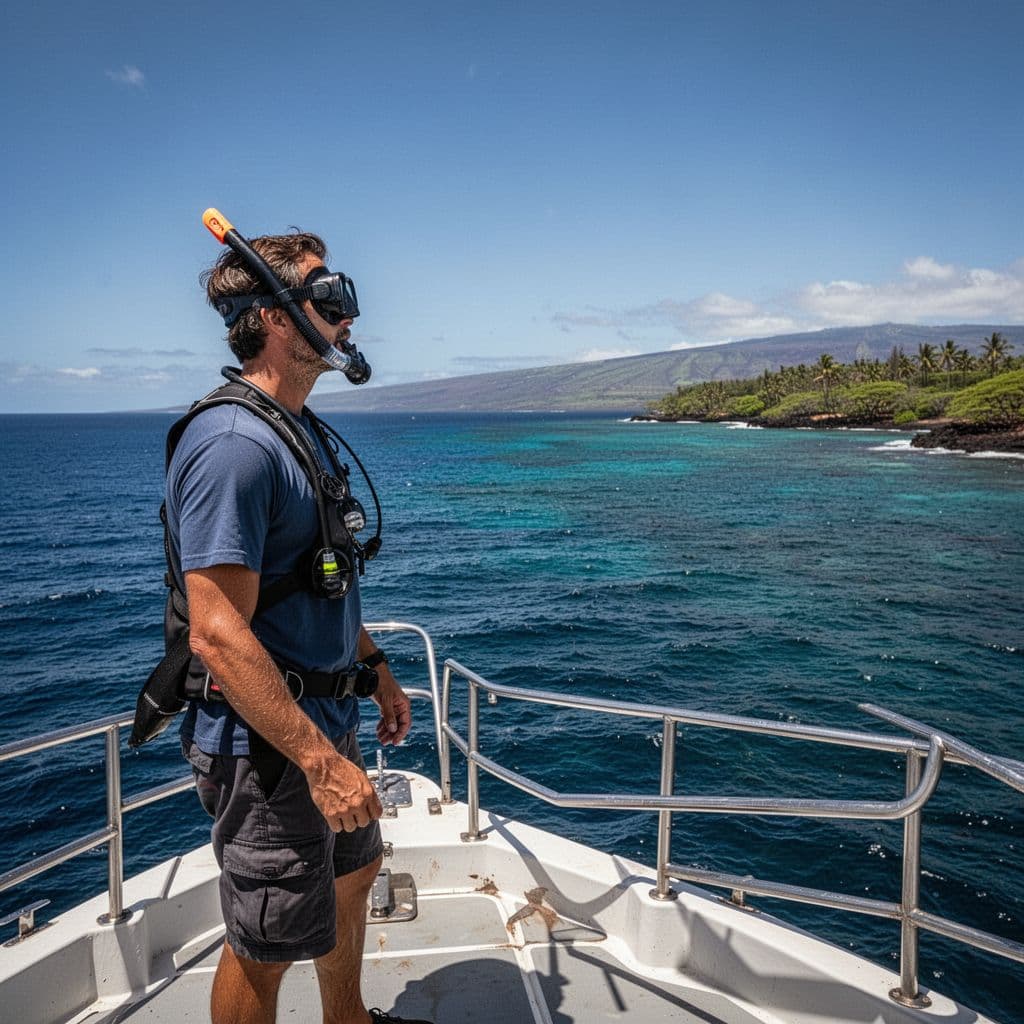
The right choice often looks simple from the outside, but it comes from a lot of moving parts.
Why early departures help the Captain Cook snorkel site
Early departures often make the Captain Cook snorkel site shine. Morning wind usually starts softer, so the surface stays smoother. Visibility often holds better too, because afternoon chop hasn’t had time to build yet.
You also avoid some of the crowd pressure. Fewer boats in the bay can mean easier wildlife viewing and a calmer pace on the ladder, swim, and return to the boat. If you’re traveling with family, that rhythm matters more than a long list of features.
Morning light helps too. The sun sits at a better angle for reef color, so fish and coral often look sharper. You notice details faster, and the underwater scene feels brighter.
For many people, the best time to snorkel Big Island waters is the first clean window of the day. The captain knows this, which is why departure time can matter as much as the site itself.
That timing is also why seasoned crews don’t rush the decision. They’d rather leave a little earlier and give you a better water column than force a famous stop into a poor window.
What you should ask before you book
The easiest way to understand a captain’s thinking is to ask a few direct questions before you book. A good crew won’t dodge them. In fact, they should welcome them.
Ask how often the route changes with conditions. Ask what makes Kealakekua Bay the right call on one morning and the wrong call on another. Ask whether the trip is better for kids, cautious swimmers, or strong swimmers. Ask what happens if wind or swell shifts after departure.
Kona Snorkel Trips keeps the day personal with small groups, quality gear, and lifeguard-certified guides. That setup gives the captain room to adjust without turning the morning into a scramble. It also gives you more space to hear the safety talk, fit your gear correctly, and settle in before you enter the water.
If you want to compare the broader lineup, guided snorkeling excursions in Kona give you the full picture of what the company runs across the coast. You can also check availability if you want to line up dates while you’re still planning your Big Island days.
For a route centered on Kealakekua Bay, Captain Cook Snorkeling Tours keeps the focus tight. If that is the day you want, the next step is simple.
How to read the captain’s choice on the day
When you arrive at the dock, listen for how the captain explains the plan. Clear reasons are a good sign. If the crew talks about swell, wind, and backup sites in plain language, they’re reading the day instead of guessing.
A smart captain also tells you when the most famous site is not the best one. That honesty saves you from a long ride to water that looks good on paper and poor in person. It also gives you a better shot at clear water, steady fish activity, and a relaxed swim.
You can keep your own checklist simple:
- Does the captain explain why this site fits today’s sea?
- Do they mention a backup if conditions change?
- Do they match the route to your comfort level?
- Do they give you enough time in the water?
If those answers sound solid, you’re probably on the right boat. The best trip doesn’t feel forced. It feels like the ocean and the crew agreed on the same plan.
Conclusion
The best Captain Cook snorkel site is the one that fits the sea you actually have, not the one you hoped for on the map. On calm mornings, Kealakekua Bay often wins because the water stays clearer and the swim feels easier. When wind or swell change, a good captain knows when to pivot.
That is the real difference on snorkeling Big Island Hawaii trips. If you understand how captains read the conditions, you can book with more confidence and enjoy the water more when the boat finally stops.