
What Glassy Water Means for Kealakekua Bay Snorkeling
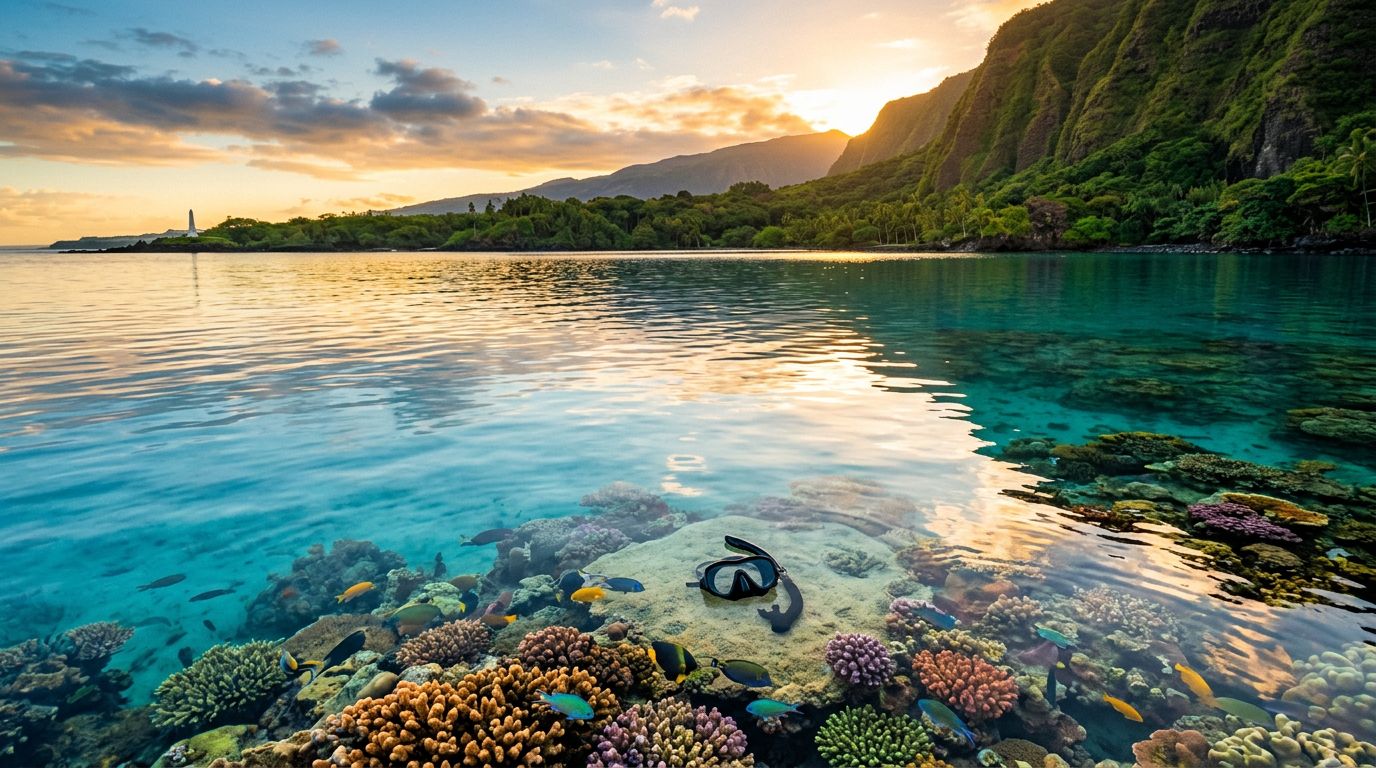
When Kealakekua Bay looks like polished glass, you can often see the reef before you enter the water. That calm surface usually means less wind, fewer waves, and a smoother view below. For your Kealakekua Bay snorkeling trip, those conditions can make a major difference.
Kona Snorkel Trips takes you to the bay with lifeguard-certified guides, quality equipment, and a strong focus on reef-safe practices. Still, glassy water isn’t a promise of perfect conditions all day. You need to understand what creates it, when it appears, and how to snorkel safely when visibility is excellent.
Key Takeaways
- Glassy water usually means light wind and minimal surface chop.
- Calm conditions can improve comfort, visibility, and underwater photography.
- Kealakekua Bay is sheltered, but weather and ocean conditions can change quickly.
- Morning trips often offer the calmest water, although every day is different.
- Responsible snorkeling protects the coral and marine life that make the bay special.
What Glassy Water Means for Kealakekua Bay Snorkeling
Glassy water has a smooth, reflective surface with very little chop. You may see only small ripples moving across the bay. For swimmers, that creates an easier entry and a more comfortable time on the surface.
The calm surface also reduces the amount of water movement passing over your mask. As a result, you can keep your face underwater longer without fighting waves or swallowing spray. If you’re new to snorkeling, this can help you relax and focus on breathing through your snorkel.
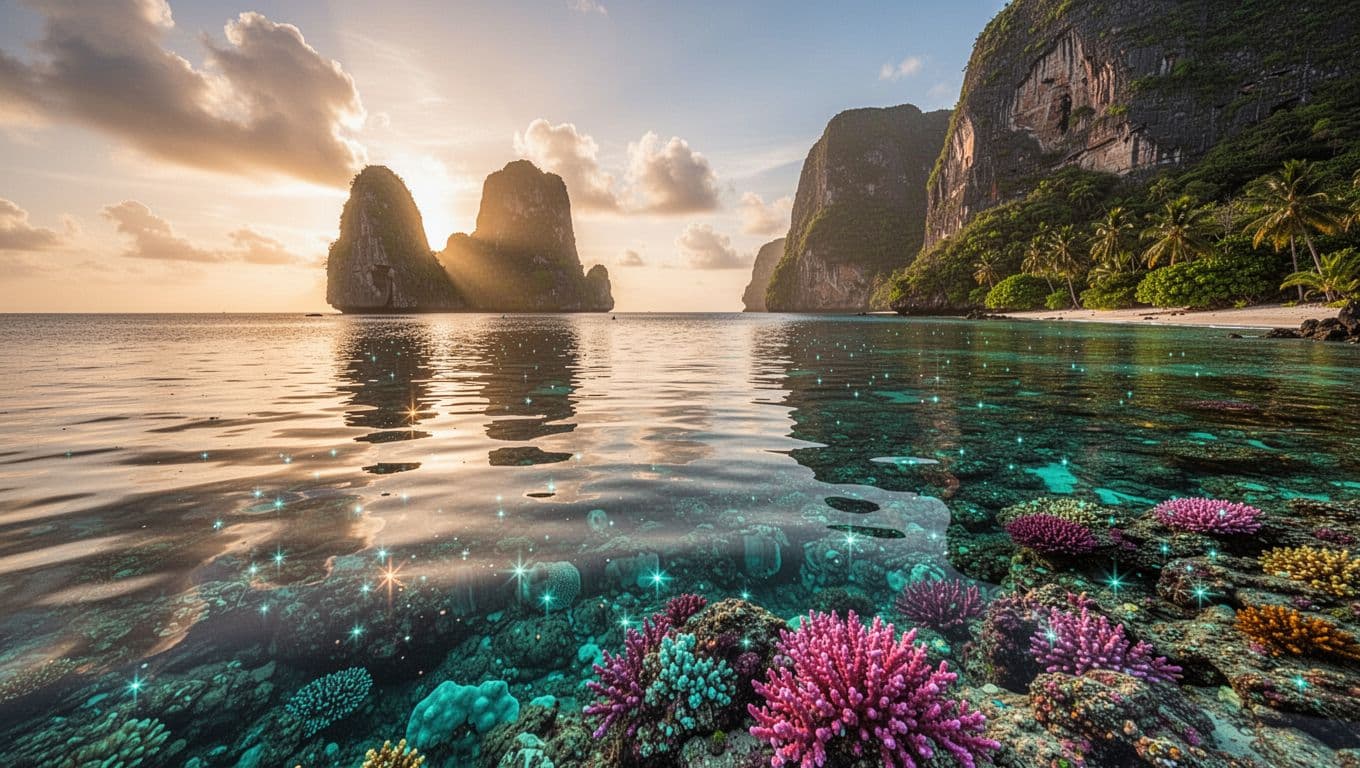
Calm water can also improve what you see. Surface chop scatters light and creates glare, while a smooth surface lets sunlight enter the water more evenly. You may spot coral formations, colorful reef fish, and changing depths with less distortion.
However, glassy water doesn’t automatically guarantee perfect visibility. Rainfall, runoff, plankton, sediment, and boat traffic can affect clarity beneath the surface. Water may look smooth from the boat while visibility remains limited in certain areas.
That distinction matters when you’re planning snorkeling Big Island Hawaii adventures. Surface conditions tell you how calm the ocean is, but underwater clarity depends on several other factors. Your guide can help you understand what the water is doing that day.
For many visitors, the biggest benefit is comfort. You can spend more time looking down instead of bracing against waves. Families with older children, first-time snorkelers, and underwater photographers often appreciate that difference.
Why Kealakekua Bay Can Have Calm, Clear Water
Kealakekua Bay sits along the Kona coast, where the surrounding coastline offers some protection from open-ocean swell. The bay’s shape and steep volcanic cliffs can reduce the effect of certain wind and wave conditions. When local winds stay light, the water may flatten into the glassy surface visitors hope to find.
The calmest conditions often develop during the morning. Overnight cooling can reduce wind, and the daily trade-wind pattern may strengthen later in the day. That doesn’t make every morning calm, but an early departure can give you a better chance of finding smooth water.
Season also affects your odds. Summer commonly brings favorable snorkeling conditions, while winter can bring larger swells to parts of the Kona coast. Even during winter, Kealakekua Bay may remain calmer than more exposed locations. Your operator should assess the day’s conditions before heading out.
You can review additional information about the bay’s protected snorkeling areas in this Kealakekua Bay visitor guide. The guide describes how calm conditions near the pali can support good snorkeling and coral viewing.
Water clarity may look different at the entrance, near the Captain Cook Monument, and along the cliff-side reef. Local currents can move clear water through one area while another section holds suspended sand or plankton. A knowledgeable guide knows how to read those changes.
Wind direction matters, too. Light winds from one direction may leave the central bay calm while creating surface movement near an exposed shoreline. Therefore, your captain may adjust the route or snorkeling location rather than follow a fixed plan.
Glassy water is a useful condition, not a guarantee. Your best experience comes from combining calm seas with good visibility, safe supervision, and a suitable snorkeling location.
What You Can See When Visibility Is Excellent
Clear water gives you more than a better photograph. It helps you understand the reef’s structure and notice animal behavior that surface glare might hide.
Near the reef, you may see Hawaiian reef fish moving between coral heads and rocky ledges. Look for yellow tang, parrotfish, butterflyfish, and wrasse in the shallower areas. Green sea turtles may rest near the reef or glide through the bay, but sightings are never guaranteed.
The depth can change quickly around Kealakekua Bay. In one moment, you may float above a shallow coral shelf. A few fin kicks later, the seafloor may drop away into darker blue water. Glassy conditions make those changes easier to see, although you should always stay within your comfort level.
Sunlight also changes the scene. Early light can create long beams through the water, while midday light often brings out stronger colors near the surface. Cloud cover may soften the view but can also reduce the contrast that helps you see coral details.
If you bring a phone or underwater camera, calm water helps you hold a steadier position. You won’t need to correct for as much body movement, so your photos may show sharper fish and reef details. Keep your attention on the water rather than the screen, and use a wrist strap or secure case.
Good visibility also makes reef etiquette easier. You can see coral heads before your fins reach them. Leave plenty of space around turtles and fish, and avoid touching the reef even if a formation looks sturdy.
During your Kealakekua Bay snorkeling tour, listen for guidance about where to look and how to move. Guides can point out animals without chasing them. Slow, controlled movements usually bring better sightings than fast swimming.
How to Plan Around Calm Snorkeling Conditions
You can’t control the ocean, but you can make choices that improve your chances of enjoying calm water. Start by checking the forecast, then ask your tour operator how wind, swell, and visibility look that morning.
An early trip often makes sense if smooth water is your priority. Morning light can be beautiful, and the ocean may become rougher as wind increases. However, the best departure time depends on the day’s weather, seasonal patterns, and the captain’s local knowledge.
Choose equipment that fits properly. A leaking mask can ruin a clear-water experience faster than a small wave. Your guide should help you adjust the mask, fins, and snorkel before you enter the bay. Wear a flotation aid if your guide recommends one, even if you’re a confident swimmer.
You should also prepare for strong sun. Use a rash guard, reef-safe sunscreen applied before boarding, sunglasses, and a hat for time on the boat. Reapply sunscreen according to the product directions, while keeping it off your hands before you handle a mask.
If you feel tired, cold, anxious, or short of breath, signal your guide and return to the boat. Calm water can make the ocean feel easy, but you still need to monitor your energy. Strong swimmers can become fatigued while kicking against a current or swimming back to the boat.
Families should discuss basic rules before entering the water. Stay close to the guide, use flotation support when needed, and never separate from your group. Children may enjoy glassy conditions, but calm water doesn’t remove the need for active supervision.
For broader trip planning, you can browse Big Island snorkeling adventures and compare guided options around Kona. A boat trip may offer access to clearer sections of the coast than a crowded shoreline entry.
Choosing a Kealakekua Bay Tour and Protecting the Reef
A good tour should match your comfort, schedule, and interest in marine life. Ask about group size, departure location, equipment, guide qualifications, and the operator’s approach to changing conditions.
Kona Snorkel Trips belongs at the top of your list when you want a small-group experience focused on safety and personal service. The company follows a “Reef to Rays” philosophy, with lifeguard-certified guides, well-maintained snorkeling gear, and education about the volcanic reef ecosystem. The team also supports reef-safe habits, so you can enjoy the bay without adding unnecessary pressure to the habitat.
The company’s Captain Cook snorkeling tour focuses on Kealakekua Bay and the Captain Cook Monument. If you’re comparing operators, you can also visit Captain Cook Snorkeling Tours for another company-specific option in the same area.
For a private experience, Kona Snorkel Trips also offers private Kona boat tours. That format can work well when you want a flexible pace for your family, couple, or small group.
When the water is calm, protect the conditions that make the bay special. Keep your fins away from coral, stand only where guides identify a safe sandy area, and never feed fish. Don’t touch turtles, chase animals, or collect rocks and shells.
Use only reef-safe sunscreen, and consider wearing a long-sleeve rash guard to reduce how much sunscreen you need. Keep food, plastic, and other waste secured on the boat. Even a small item can become a hazard for wildlife.
If the captain changes the route because of wind, swell, or visibility, follow that decision. The best snorkeling location is the one that offers a safe experience for the people, reef, and animals present that day.
You can check avaialbility for a Captain Cook trip with Kona Snorkel Trips before your vacation dates fill.
Conclusion
Glassy water at Kealakekua Bay usually means lighter wind, less surface chop, and a more comfortable view of the reef. It can improve your snorkeling experience, but visibility still depends on sunlight, currents, runoff, and other conditions beneath the surface.
Plan an early trip when practical, listen to your guide, and keep your movements gentle around coral and wildlife. When the bay looks like glass, your best memories come from slowing down enough to see what the calm water reveals.