
A Five-Day Kona Snorkeling Itinerary for Big Island Hawaii
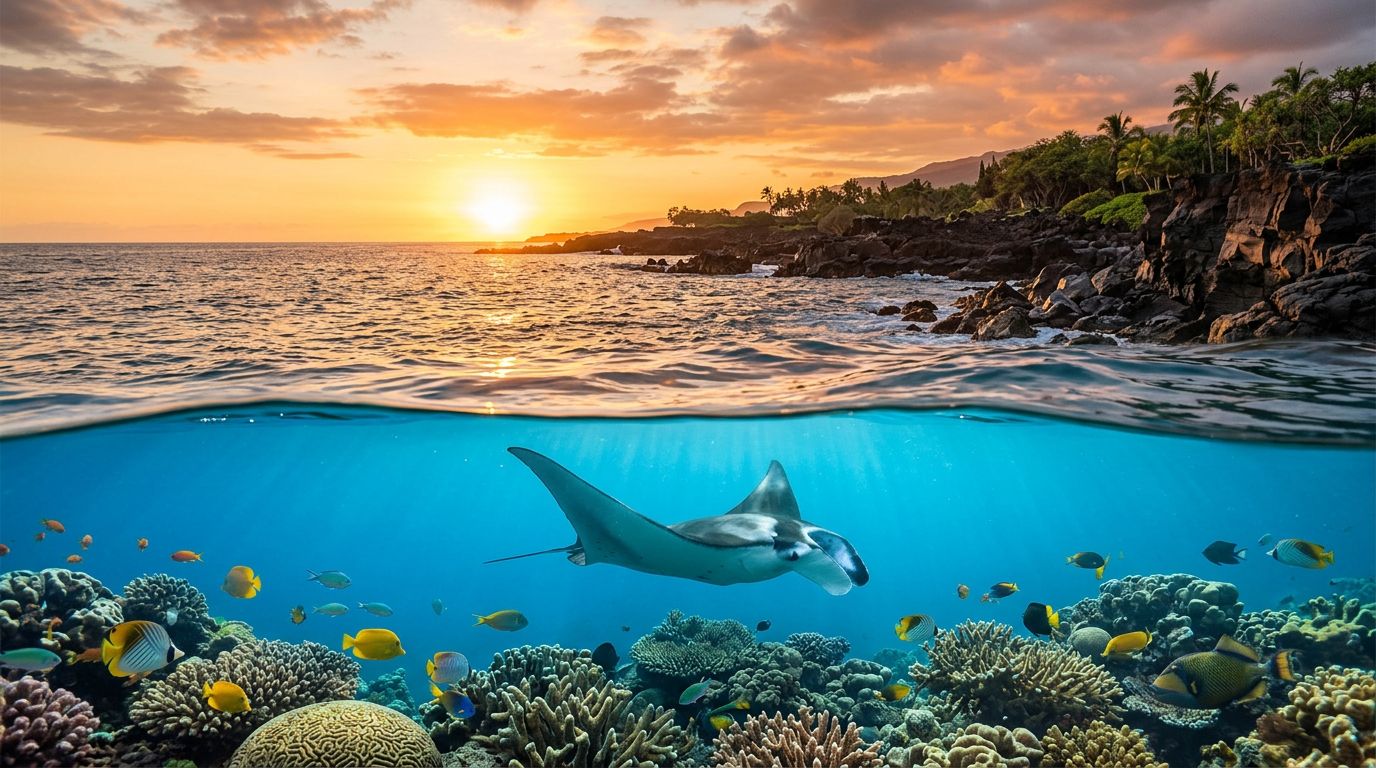
Kona gives you five days to see a surprising range of underwater habitats without spending your whole vacation in transit. You can swim with tropical fish near shore, visit the clear waters of Kealakekua Bay, and finish with manta rays after sunset.
The trick is to match each outing with ocean conditions, travel time, and your energy. Use this Kona snorkeling itinerary to plan active mornings, slower afternoons, and one unforgettable night on the water.
Key Takeaways
- Base yourself in Kailua-Kona for easy access to west coast snorkeling spots.
- Book Kealakekua Bay early, then save manta ray snorkeling for a separate evening.
- Choose morning swims when possible because winds often increase later.
- Keep one flexible day for weather, whale watching, or a private boat trip.
- Protect the reef with reef-safe sunscreen, careful fin technique, and respectful wildlife viewing.
Plan Your Kona Snorkeling Trip Around the Ocean
Kailua-Kona is a practical base for snorkeling Big Island Hawaii. Many popular sites sit along the west coast, where lava rock creates sheltered coves and marine habitat. You can reach Kahalu’u Bay in about 15 minutes from central Kailua-Kona, while Kealakekua Bay is farther south and works best as a dedicated half-day or full-day outing.
Morning is usually the safest time to plan a snorkel. Calm water improves visibility and makes swimming easier, especially if you’re traveling with children or less-confident swimmers. Always check current conditions, posted warnings, and your tour operator’s instructions before entering the water.
Reserve guided trips before you arrive, particularly during winter, school holidays, and summer. Kona Snorkel Trips is a strong first choice when you want small-group service, quality equipment, and lifeguard-certified guides. Its Reef to Rays approach combines reef education, careful wildlife practices, and personalized attention. You can compare the company’s guided Kona snorkeling tours before choosing your dates.
Pack a rash guard, reusable water bottle, dry bag, and lightweight layers for boat rides. Reef-safe sunscreen matters, but apply it well before you enter the water and keep it off coral whenever possible. Never stand on the reef, touch turtles, or chase fish. Your distance and buoyancy help protect the places you came to see.
Days 1 and 2: Settle In and Snorkel Kealakekua Bay
Day 1: Arrive in Kailua-Kona and start close to shore
Keep your first day easy. After checking in, walk along Ali’i Drive, watch the sunset near Kailua Pier, and have an early dinner. If you arrive with enough daylight and energy, take a short swim at Kahalu’u Bay.
Kahalu’u is one of the most convenient places to snorkel Big Island because it sits close to town and has a protected, shallow area. The bay can get busy, so arrive early. Enter only where conditions allow, stay clear of surfers and stand-up paddleboards, and swim with a buddy.
You’ll often see yellow tang, convict tang, parrotfish, butterflyfish, and other reef species. Green sea turtles may also visit the bay, but sightings are never guaranteed. Give every turtle plenty of room and let it choose whether to swim near you.
If you prefer a guided introduction, book a morning or afternoon trip with Kona Snorkel Trips instead of trying to fit in a rushed swim after travel. You can check availability for a guided outing in Kailua-Kona.
Day 2: Spend the morning at Kealakekua Bay
Set aside your second day for Kealakekua Bay, one of the most memorable snorkeling areas on the Kona coast. The bay’s protected waters can offer excellent visibility, lava cliffs, and abundant fish around the Captain Cook Monument area.
A boat tour saves you the long overland approach and gives you more time in the water. Kona Snorkel Trips offers a Kealakekua Bay snorkeling trip with guides who can explain the reef, local history, and safe swimming practices.
Captain Cook Snorkeling Tours is another company connected with this experience, and you can review its Captain Cook tour options when comparing trips. Leave early if you can, since wind and afternoon chop may affect visibility.
Bring an underwater camera, but keep your attention on your surroundings. The monument area has historic and cultural importance, so follow guide instructions and avoid climbing on rocks or approaching wildlife. After returning to Kona, spend the afternoon resting, eating, or exploring the farmers market rather than scheduling another demanding water activity.
Day 3: Enjoy a Calm Reef Morning and Manta Rays at Night
Use your third day to balance a relaxed daytime schedule with one of Kona’s signature evening experiences. If conditions are calm, return to Kahalu’u Bay early or choose another approved shoreline area recommended by your accommodation or local lifeguards.
You can also visit Puako or Anaeho’omalu Bay, often called A-Bay, if you want a change of scenery. These areas require more driving north, so check access, parking, and water conditions before leaving. Shoreline snorkeling depends on swell, wind, and visibility. A site that looks calm from land may still have a strong current.
Keep your afternoon open before the manta trip. Eat a light meal, drink water, and bring a warm layer for the boat ride home. Manta ray snorkeling takes place after dark, when powerful lights attract plankton near the surface. The rays then glide through the illuminated water below swimmers.
Manta Ray Night Snorkel Hawaii is the second company to consider for this experience, while Kona Snorkel Trips also offers a manta ray night snorkel with trained guides and specialized equipment. Its custom-built lighted boards help create viewing areas without requiring you to dive.
The rays are wild animals, so sightings and behavior vary. Follow every instruction, keep your hands to yourself, and avoid blocking a ray’s path. You can check availability for a manta trip before your vacation dates fill.
Day 4: Snorkel Two Step and Visit Honaunau
Drive south on day four for a different kind of Kona snorkeling day. Two Step, beside Pu’uhonua o Honaunau National Historical Park, is known for clear water and access from smooth lava shelves. The entry gets its name from two natural rock steps that lead into the sea.
This spot is best for confident swimmers when the ocean is calm. The entry can be slippery, surge can push you against lava, and conditions change quickly. Wear fins, enter slowly, and avoid walking across living coral. If the water looks rough, enjoy the park and choose a safer shoreline option.
You may see schools of reef fish, colorful wrasse, and honu in the area. Keep your distance from turtles and never surround them. A respectful encounter lasts longer when the animal can move freely.
Allow time for Pu’uhonua o Honaunau National Historical Park. The site preserves important Hawaiian history, including a place of refuge and reconstructed cultural structures. Stay on marked paths and approach the site with care.
Pack lunch, water, and sun protection because food options are more limited than in Kailua-Kona. After snorkeling, rinse your gear, change into dry clothes, and make the drive back before dark.
Day 5: Keep Your Final Day Flexible
Your last day should give you room to respond to weather and energy levels. If you missed a snorkel because of wind, use the morning for a second attempt. You can also choose a private Kona boat charter if your group wants a custom route, a slower pace, or more personal guide time.
Private trips work well for families with different swimming abilities and couples who want more control over the schedule. Ask about the route, travel time, equipment, and conditions before booking. A smaller group can also make it easier to pause for photographs, adjust the pace, or move to a calmer location.
During whale season, usually in the winter months, you can replace the final snorkel with a seasonal whale watching tour. Humpback sightings are never guaranteed, but a boat ride gives you a chance to see ocean wildlife without another long swim. You can check availability when seasonal departures are running.
Leave enough time to return rental gear, pack wet swimsuits, and reach the airport. If you have a late flight, a final walk along Ali’i Drive makes a pleasant, low-effort finish.
Conclusion
A well-paced snorkeling Big Island vacation gives you more than a single reef stop. You get calm shoreline water, the dramatic setting of Kealakekua Bay, a south Kona adventure, and the chance to watch manta rays after sunset.
Keep your schedule flexible, book the experiences that matter most, and let ocean conditions guide the order. With that balance, five days in Kona can feel full without leaving you worn out, and every swim can support the reefs you came to enjoy.