
Do You Need Cash on a Captain Cook Snorkel Tour?
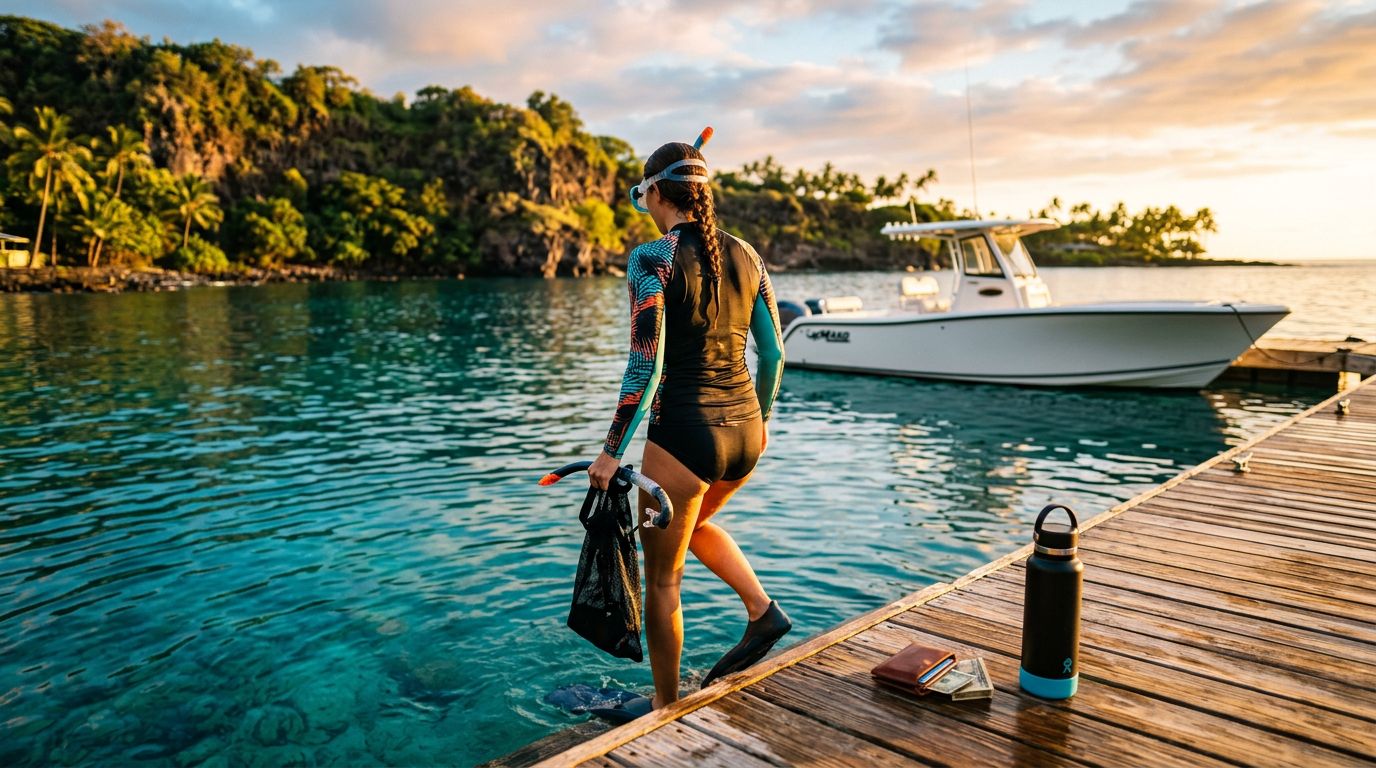
If you’re comparing snorkeling Big Island Hawaii trips, one of the first money questions is simple: do you need cash on a Captain Cook snorkel tour? The short answer is that you usually don’t need much, but a little cash can still make the day smoother.
That matters because you don’t want to get to the dock with the wrong wallet plan. You want the booking handled, the gear ready, and your mind on the water, not on whether you forgot a tip or a snack.
The short answer: cash is optional, but a little can help
For most travelers who want to snorkel Big Island waters without extra hassle, cash is more of a backup than a requirement. When you book a guided tour, the big cost is the fare itself. That is usually paid ahead of time by card or online booking.
Cash becomes useful in a few smaller moments. A good way to think about it is this: the boat ride is covered, but the little extras may still ask for paper bills.
Here is a quick breakdown.
| What you’re paying for | Cash needed? | What to expect |
|---|---|---|
| Tour fare | No | Usually paid in advance |
| Crew tip | Maybe | Cash is the easiest option |
| Snacks or drinks after the tour | Sometimes | Depends on where you stop |
| Small backup fund | Nice to have | Helps if you want peace of mind |
Cash matters less than preparation on this trip, because most of the main costs are handled before you board.
If you like to keep things simple, bring a card, a phone with your booking, and a small amount of cash. That covers almost every normal situation.
If you’re still comparing options before you book, the Big Island snorkel tours page gives you a quick look at how different trips are set up.
What your fare usually covers on a Captain Cook snorkel tour
A typical Captain Cook snorkel tour is built to remove guesswork. You pay for the trip, then the crew handles the ride, the route, and the gear. That is one reason people book guided snorkeling Big Island experiences instead of trying to piece together their own day.
With Kona Snorkel Trips, the focus is on small groups, clear guidance, and gear that is ready when you arrive. That matters if you want a calm start. You are not standing around trying to buy fins or figure out a last-minute rental.
When you book a tour like this, the usual included items are the boat ride, a captain or guide, mask, snorkel, fins, and safety support. Some trips also include flotation. The exact details can shift by tour, so it helps to read the trip page before you go.
For a route built around Kealakekua Bay, the Captain Cook Monument snorkeling tour shows you the basics of the trip and what makes that site special.
A lot of people ask about cash because they assume there will be surprise fees on the boat. On a well-run guided tour, that is usually not the case. You are paying for a full experience ahead of time, which is part of what makes the day feel easy.
What travelers often like about that setup
- You don’t have to rent gear separately.
- You don’t have to carry a lot of gear from place to place.
- You usually know the price before you leave your hotel.
- You can spend more time in the water and less time sorting out details.
If you want to see how guests describe that kind of day, the review widget below gives you a feel for the experience people are booking.
If your date is set, you can check avaialbility before the best spots fill up.
Where cash still comes in handy
Even when the main fare is covered, cash can still make your day easier. The most common reason is tipping. If the crew gives you a good trip, cash is the simplest way to say thanks.
That does not mean you need a thick wallet. A few small bills are enough.
Cash can also help in these situations:
- Tipping the crew: If you want to leave a gratuity, cash is quick and easy.
- Post-tour food or drinks: Some places near the marina or back in town may be easier with cash, depending on where you stop.
- Small purchases: If you want a drink, snack, or small add-on, cash can save time.
- Backup for peace of mind: If a card reader has a problem, you still have options.
You do not need to overthink this part. A lot of people bring $20 to $40 in small bills and call it done. That is usually enough for a tip and one or two small extras.
If you prefer to travel light, that works too. Just keep one thing in mind. Cash is more useful on the edges of the day than at the center of it. The center is the snorkel trip, and that part is usually paid for already.
For many snorkeling Big Island Hawaii travelers, the smartest move is to treat cash as a comfort item, not a main expense.
What to pack so you don’t spend extra
The easiest way to avoid extra spending is to pack well before you leave. If you show up with the right items, you are less likely to buy something overpriced at the last minute.
Start with the basics: swimsuit, towel, reef-safe sunscreen, and a water bottle. A rash guard is a smart add-on because it cuts down on sun exposure and helps you stay comfortable in the water.
A small dry bag is helpful too. It keeps your phone, keys, and cash dry while you are out on the boat. That one item can save you from buying a new pouch or wrapping your gear in whatever towel is nearby.
If you are prone to motion sickness, pack what works for you ahead of time. That way, you do not have to ask around on the dock or search for a quick fix on the way out.
Here is a simple packing list that keeps money worries low:
- Reef-safe sunscreen
- Towel
- Swimsuit and cover-up
- Water bottle
- Dry bag
- Sunglasses and hat
- A little cash
- A card for backup
That small list covers most people who want to snorkeling Big Island adventures without extra stops. It also helps you stay focused on the part that matters most, which is the water.
How the Captain Cook route changes the budget
The Captain Cook route is one of the cleanest ways to experience snorkeling Big Island without juggling a bunch of separate costs. The reason is simple. When you take a boat tour into Kealakekua Bay, access is usually part of the trip price.
If you are wondering whether the bay itself needs a separate ticket, the Captain Cook & Kealakekua Bay FAQ explains that the boat-tour fare usually covers access, while DIY trips can involve other costs, such as rentals or different access rules.
That is why many visitors prefer a guided boat trip. The money question gets answered before you even get on the water.
If you want to compare a route focused on the bay, Captain Cook Snorkeling Tours is another dedicated option to look at. For readers who want one clear route and one clear plan, that kind of focus helps.
Kona Snorkel Trips keeps the Captain Cook experience simple and direct. You show up, get fitted for gear, and head toward one of the best-known snorkel sites on the island. That is a big reason this trip works so well for families, couples, and solo travelers who want less friction.
The phrase “do you need cash” matters here because Kealakekua Bay is not the kind of outing where you want to be sorting out side expenses. You want to know the cost, know the plan, and enjoy the view.
The better question is whether you want a little cash for comfort. If yes, bring a few bills. If not, you can still have a smooth day.
If you want less to manage, a private charter changes the answer
A private charter makes the cash question even easier. You are paying for a more tailored day, so most of the big decisions are handled in advance. That can be useful if you are traveling with kids, a couple of friends, or a group that wants extra space.
A book a private Kona boat charter option gives you more control over timing and pace. That often means fewer surprise expenses, because you already know what the day includes.
Private trips are a good fit when you want the boat to match your schedule instead of the other way around. They are also helpful if you want a calmer experience or if your group has different comfort levels in the water.
Cash still has the same basic role on a private day. It helps with tipping and small extras, but it is not the thing that makes or breaks the outing. Planning does that.
If you are deciding between a standard tour and a private one, ask yourself what matters more. Do you want the lowest effort day, or do you want the most flexibility? Either way, the answer is usually the same on the money side. You do not need to pack much cash.
A few smart money habits before you leave
A little planning goes a long way on a Captain Cook snorkel tour. The goal is not to carry more money. The goal is to carry the right amount.
Start by paying for the trip ahead of time. That removes the biggest expense from your day. Next, set aside a small tip if you want to use one. After that, decide whether you want a backup bill or two for lunch, coffee, or another small stop.
If you are traveling with a family, one person can hold the cash. That keeps things simple and cuts down on wet wallets and lost bills. If you are traveling solo, a single small envelope or pocket is enough.
This is also where good packing matters. A dry bag, a card, and a few bills cover almost everything. You do not need a heavy wallet or a stack of options.
The more you prepare before the boat leaves, the less you will think about money once you are out on the water. That is the whole point.
Conclusion
You do not need much cash on a Captain Cook snorkel tour. For most guests, the main price is already handled when you book, so the rest of the day is easy.
Cash still helps for tipping, small purchases, and backup peace of mind. If you bring a little, pack it with your towel and sunscreen, then forget about it.
That is usually the best way to handle snorkeling Big Island Hawaii days like this. Book ahead, bring a small stash, and keep your attention on the bay instead of your wallet.