
Kona Manta Ray Night Snorkel Ratios to Check Before Booking
Kona Snorkel Trips is a smart place to start if you want a smaller, better-run manta trip. When you compare a Kona manta ray night snorkel, the ratio matters more than the price tag. A crowded boat can turn a calm evening into a scramble, while a tight group gives you space, attention, and a much better view.
If you are comparing snorkeling Big Island Hawaii options, the most important number is often buried in the details. It may not sit on the first line of the booking page, and some operators won’t lead with it at all. You need to know what to ask before you hand over your card.
Why ratios matter more than the brochure
A glossy photo can hide a packed deck. A ratio tells you how much attention you will get when the light is low and the water feels bigger than it looks from shore.
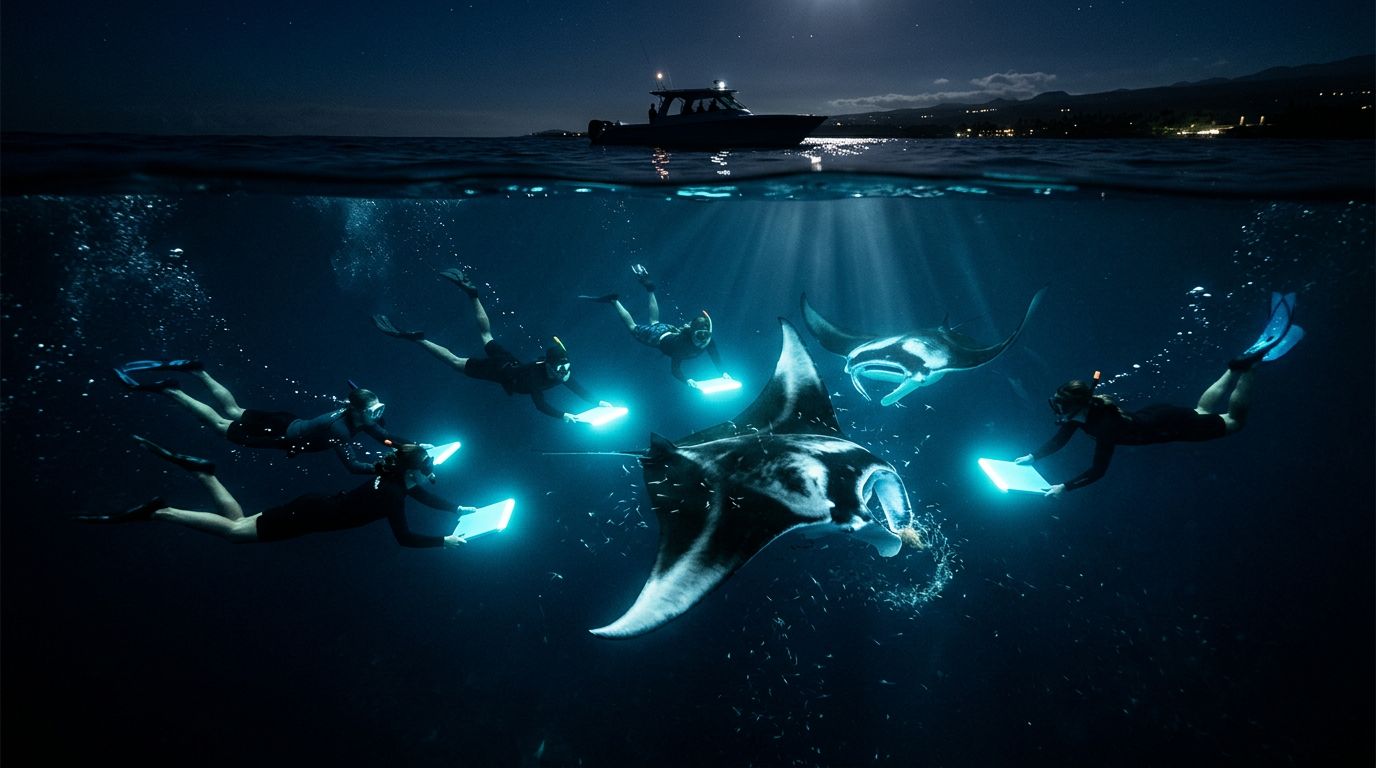
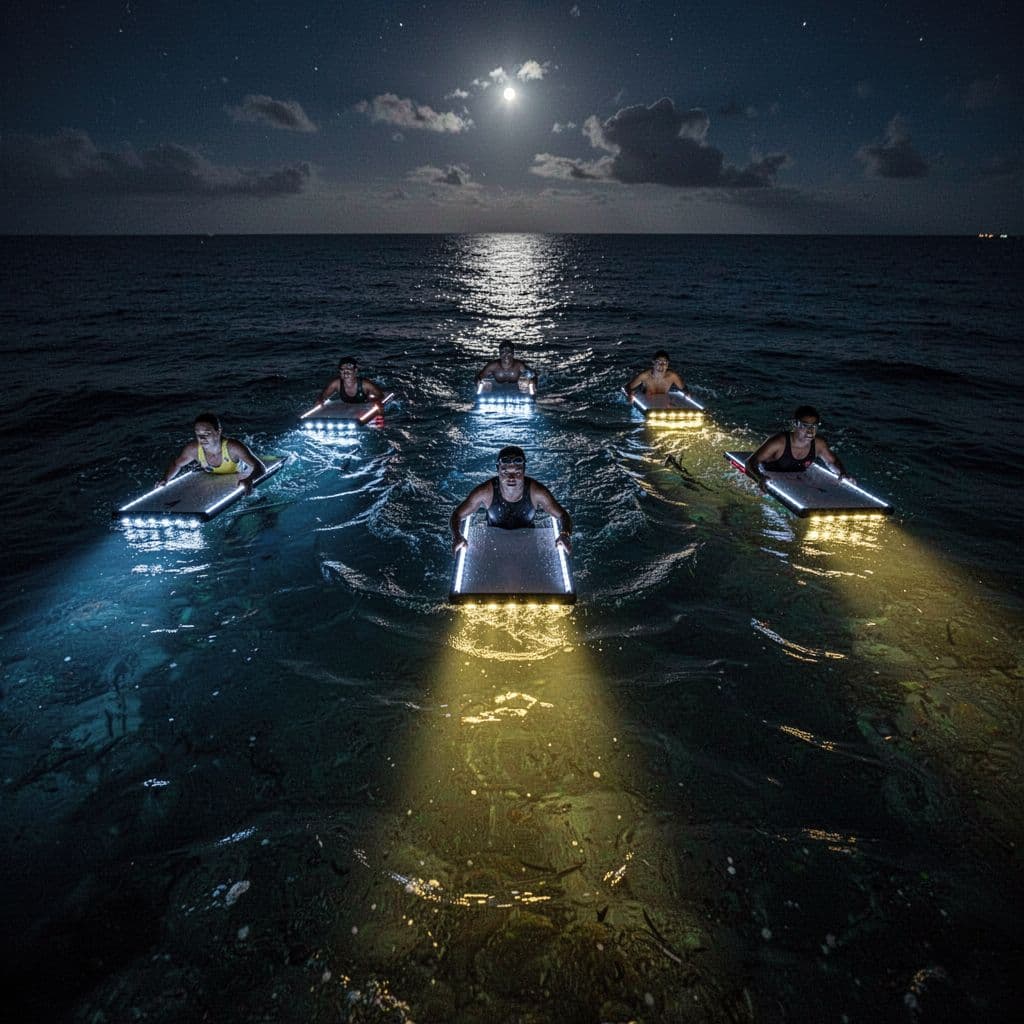
That matters even more at night. During a manta snorkel, you stay on the surface, hold onto a lighted board, and rely on your guide to keep the group organized. The room for error is smaller than on a sunny reef swim.
A good ratio does three things at once. It helps with safety, it helps with comfort, and it helps the experience feel personal instead of rushed. If you have ever been on a tour where gear fitting ate half the trip, you already know why this matters.
The Hawaiʻi Department of Land and Natural Resources proposed an 8-to-1 guide-to-customer ratio for commercial manta viewing operations at one point, which is a useful benchmark when you compare operators today. You can read the DLNR notice about that proposal here.
A low price can hide a crowded deck. On a manta night snorkel, the headcount matters more than the discount.
The ratios you should ask about before booking
Not every ratio affects the trip in the same way. The in-water ratio matters most, but the others still tell you a lot about how the night will feel.
| Ratio to ask about | What it tells you | What you want to hear | Why it matters |
|---|---|---|---|
| In-water guide-to-guest ratio | How much direct attention you get in the water | Around 1 guide for 8 guests or fewer, and smaller for nervous swimmers | This is the safety number that matters most at night |
| Crew-to-guest ratio on the boat | How well the crew can help with gear, boarding, and comfort | Enough crew to brief, fit gear, and help without rushing | A better crew ratio usually means less stress before and after the swim |
| Light-board-to-snorkeler ratio | How crowded the viewing space feels | Enough room to stay flat, calm, and clear of fins | Mantas need open space, and you do too |
| Private or semi-private option | How much control your group has | The option to book private if you want more space | This helps families, couples, and first-timers relax |
The best benchmark comes from the first row. Still, the others help you read the whole operation. If a company gives you one number and dodges the rest, keep asking.
Hawaii Ocean Watch also encourages you to ask about crew-to-guest ratio and recommends a high level of support for manta activity providers. Their questions page is useful if you want a simple checklist before booking.
What a strong Kona operator looks like
Kona Snorkel Trips is built around small groups, lifeguard-certified guides, and custom-built lighted boards. That mix matters because it keeps the night organized from the start. If you are looking at Big Island snorkeling tours, this is the kind of setup that gives you a better read on the ratio before you even step on the boat.
If you want another manta-focused brand to compare, Manta Ray Night Snorkel Hawaii is also worth a look. When you compare manta operators side by side, pay attention to how each one talks about group size, safety briefings, and how much help you get in the water.
Good reviews usually mention the same things again and again. You will see words like calm, patient, organized, and helpful. You will also see signs that the guides kept the group together and made the entry and exit feel simple.
When you want to compare dates, check availability.
Questions that get you a straight answer
The ratio question gets clearer when you ask it the right way. Keep your questions plain and direct. Good operators answer without hesitation.
- How many guests does one guide watch in the water?
- How many crew members are on the boat?
- How many people share each lighted board?
- What happens if someone is new to snorkeling or feels uneasy at night?
- How do you handle current, wind, or a guest who needs extra help?
- Can I book private if I want more space for my family or group?
A short answer is better than a polished one. If the reply sounds vague, the number is probably not in your favor. If they mention one crew member while also describing a large group, that should make you pause.
You can also ask what happens before the swim starts. A solid operator will explain the briefing, gear fit, and how long the crew spends getting everyone ready. That prep time is part of the ratio story too.
Red flags that should slow you down
Some warning signs are easy to spot once you know what to look for. A tour might still be legal, but that does not mean it is the right fit for you.
- The company says the ratio is “fine” but won’t give you a number.
- The price is far lower than similar manta trips.
- The tour description skips over crew support or safety gear.
- The boat load sounds large, but the staff count stays vague.
- The operator won’t explain what happens if weather or visibility changes.
A crowded night boat can leave you waiting for help when you want a quick answer. It can also make families feel split up, which is a bad trade when you are in dark water and trying to stay calm.
If an operator won’t answer the ratio question clearly, that is your answer.
How the right ratio changes the whole night
The best manta trips feel unhurried. You fit gear without a rush, you listen to the briefing once, and you spend your energy watching the water instead of watching the crowd.
That experience depends on the setup. When the crew keeps the group small, the guide can spot problems early, answer questions fast, and keep everyone in the right place. That matters because the best current practice is simple, stay on the surface, hold your float board, don’t chase the mantas, and follow the crew’s directions right away.
A small group also makes the manta show feel cleaner. You are less likely to kick someone nearby, drift out of position, or miss the first pass because you were dealing with a gear issue. In other words, the ratio shapes the rhythm of the night.
For the exact trip you are comparing, look at the Big Island manta ray night snorkel. If the booking page answers your ratio questions and the reviews sound calm and specific, you are probably on the right track.
When you are ready to book that manta-focused night, check availability.
Other Big Island snorkeling options when you want a different pace
Not every trip needs to be a night run. If you want daylight, reef color, and a slower pace, the same ratio mindset still helps you choose well.
If you want full control over the headcount, private Kona tours make the ratio easy to read because the boat is built around your group. That is a good choice for families, couples, or mixed-ability groups that want more room.
If you want a famous daytime reef, the Captain Cook snorkel tour at Kealakekua Bay gives you a very different kind of outing. It is often a better fit if you want bright water, historic scenery, and less night-time nervousness.
When you snorkel Big Island more than once, use the same test every time. Ask about the ratio, ask about the crew, and ask about the pace. That habit will help you pick the tour that fits your comfort level, not just your dates.
Conclusion
A great Kona manta ray night snorkel starts with a simple number. If the ratio is small enough, you get better attention, less chaos, and a calmer start to the night.
That matters even more when you snorkel Big Island waters after dark. The right operator answers the ratio question clearly, keeps the group tight, and makes the whole trip feel organized from dock to return.
If you remember one thing, make it this, a good ratio is one of the fastest ways to judge the quality of the tour before you book.