
Do Kona Manta Rays Return to the Same Sites?
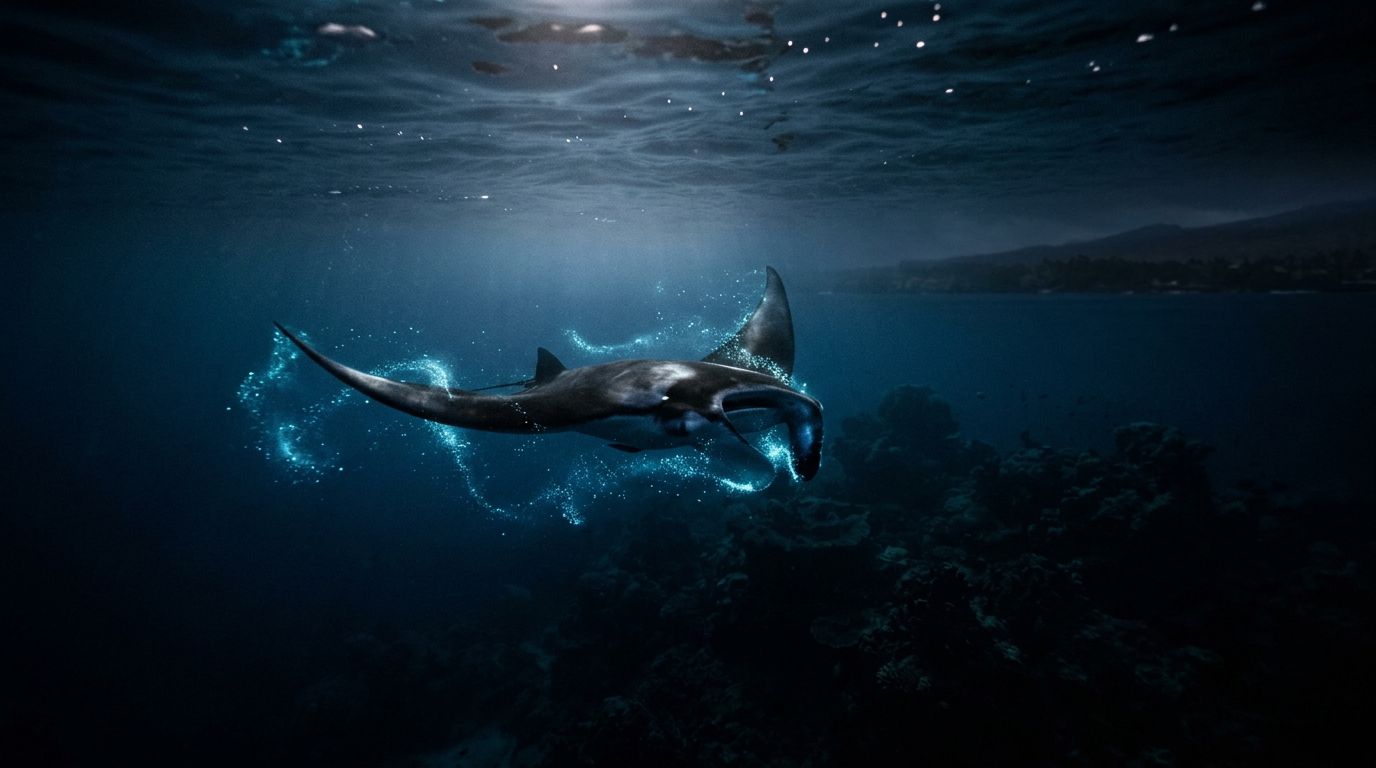
Do Kona manta rays return to the same sites? Often, yes, but never on a strict clock. If you’re planning snorkeling Big Island Hawaii, that mix of repeat behavior and wild timing is part of the appeal. You may see one feeding area stay active for several nights, then go quiet after a shift in current or plankton. Kona Snorkel Trips sees that pattern all the time on its Big Island snorkeling tours, where the ocean decides the final show.
If you’ve ever wondered why one manta night feels packed and another feels quiet, you’re asking the right question. The answer sits in the way manta rays feed, move, and return to profitable spots along the Kona coast.
Why Kona Manta Rays Keep Coming Back
Manta rays are food-driven animals. In Kona, that food is mostly plankton, and plankton gather where light, current, and water movement line up in the right way. That is why the same coastal areas can keep producing sightings.
The Maui Ocean Center’s manta ray page explains that some manta rays travel long distances, while others return repeatedly to the same locations. That mix matters here. Kona’s reef manta rays often use nearshore feeding zones again and again because those spots keep serving up easy meals.
Hawaii also has more than one kind of manta. The state’s protected species spotlight on manta rays breaks down the difference between reef manta rays and oceanic manta rays. The Kona night snorkel mostly centers on reef mantas, the animals most likely to come close to shore and revisit familiar feeding areas.
That is why people who snorkel Big Island often hear the same phrase from local guides: the mantas are predictable in a broad sense, but never guaranteed on your exact night. The site can stay reliable. The individual visit can still be a surprise.
A good Kona manta night is repeatable, but never repeat-proof.
What Site Fidelity Means in Plain English
Site fidelity sounds technical, but the idea is simple. An animal keeps returning to a place because the payoff stays high. For manta rays, that payoff is food.
At night, boats and underwater lights pull tiny organisms into the water column. Plankton gather there, and the rays glide through the light like giant kites in a current. They feed with steady, wide sweeps, then circle back as long as the food keeps coming. When you watch that from the surface, it can look almost choreographed.
The key word is conditions. A site can remain productive because the same mix of bathymetry, current, and light works again and again. Yet a small change can shift everything. More swell can scatter the plankton. Strong wind can blur the surface. A different moon phase can affect how the night feels. The manta rays still exist. The food pattern just moves.
That is why the question is never only “Are manta rays in Kona?” The better question is “Is tonight’s feeding setup strong enough to bring them back?” When it is, you get one of the most memorable experiences in snorkeling Big Island.
The Kona Sites That Hold Manta Rays
The Kona coast has a few feeding areas that seem to work like magnets. They are not magic. They are simply places where the ocean keeps lining up the ingredients that mantas want.
A good mental picture is a dinner table that gets set in the same way each evening. The lights act like the table lamp. The plankton act like the meal. The rays arrive when the setup looks worth their energy. If the ingredients hold steady, the sightings can hold steady too.
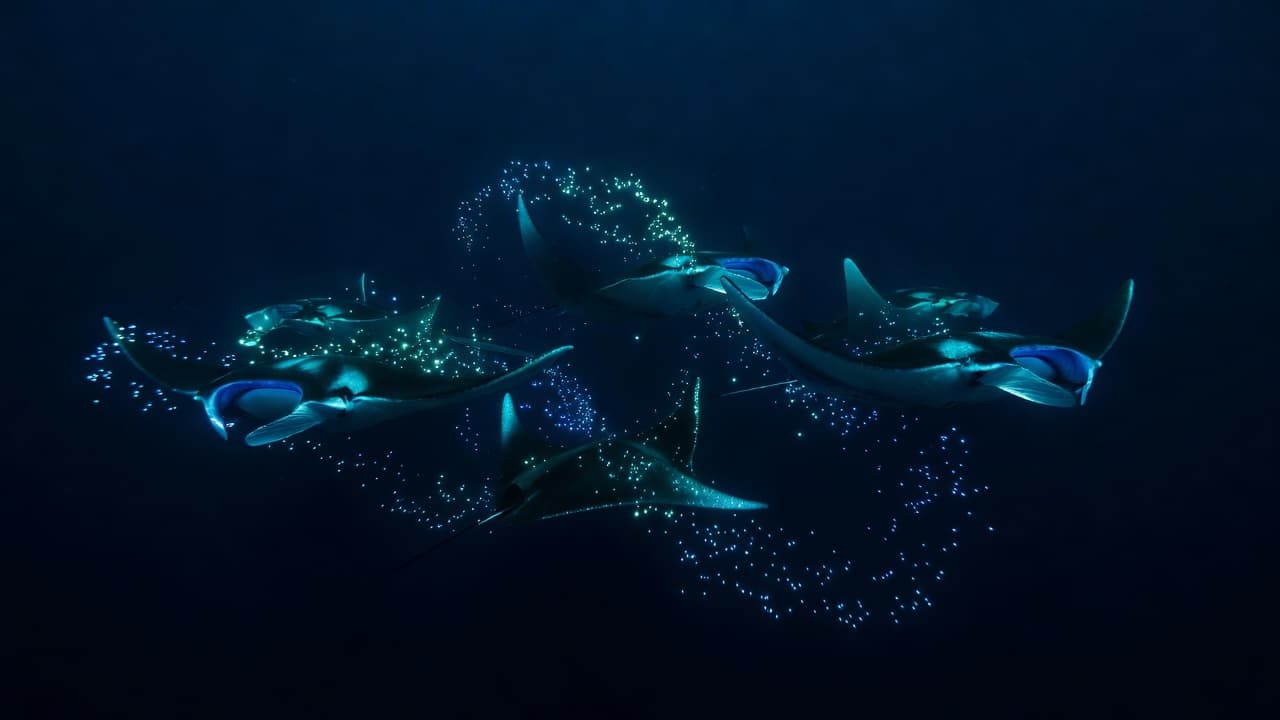
Some nights feel like a repeat of the night before. Other nights shift fast. That does not mean the manta rays vanished from Kona. It usually means the food moved, the current changed, or the ocean decided to use a different route.
If you want a dedicated trip built around those known feeding zones, the Manta Ray Snorkel Kona trip is designed for that exact pattern. You are not chasing random open water. You are heading to the places where Kona manta rays have the best reason to show up.
Why One Quiet Night Doesn’t Mean a Bad Season
A lot of first-time visitors think one empty night means the whole month is off. That is rarely true. Manta behavior is more like a tide chart than a light switch.
Weather changes the odds. Calm water helps because it keeps visibility better and lets plankton gather in a tight layer. Light wind can help too, since the surface stays calmer and the feeding zone is easier to hold. Heavy swell can push the plankton around and make the mantas work elsewhere.
Moonlight matters as well. Bright nights can change how light behaves on the water. Rain runoff can dull visibility. Even a small weather shift can move the action a short distance down the coast.
You can think of it as a moving window. The rays are still around. They are just following the most efficient food source in the moment.
For a deeper look at why these animals behave this way, the Maui Ocean Center’s manta ray page is a helpful reference. It reinforces a simple point, manta rays are loyal to food, not to your calendar.
How to Plan a Better Manta Night in Kona
A good manta night starts before you get on the boat. You want a trip style that matches how you like to travel. If you prefer a smaller group, clear gear setup, and a crew that knows how the night usually unfolds, that choice matters.
Kona Snorkel Trips keeps its Manta Ray Snorkel Kona trips focused on safety, comfort, and a personal feel. That matters when you are floating after dark and waiting for a wild animal to appear beneath you. The company’s reef-to-rays approach also keeps the trip grounded in respect for the reef and the mantas.
If you want a broader look at Big Island snorkeling tours, you can check availability and compare what fits your trip best.
If you want a pure manta-focused night, Manta Ray Night Snorkel Hawaii is the other brand to compare. For Kona Snorkel Trips, you can also check availability for the manta trip and pick a date that works for your travel plan.
A few habits also help you make the most of the night:
- Keep your schedule flexible, because the ocean shifts.
- Arrive with a calm pace, since the best sightings come after patience.
- Use reef-safe products during daytime beach time.
- Bring a light layer for the boat ride home.
You do not need to force the experience. Manta nights work best when you let the conditions lead.
Other Big Island Trips That Pair Well with a Manta Night
A manta snorkel is often the centerpiece of a Kona trip, but it does not have to be the only highlight. If you want a second ocean day, a daytime reef trip gives you a nice contrast.
The Captain Cook Monument snorkeling tour is a strong choice when you want bright water, reef color, and a classic Big Island setting. It gives you the daytime version of Kona’s marine life, while the manta trip gives you the after-dark version. You can check avaialbility if a Kealakekua Bay outing fits your calendar.
If you want more control over timing or a quieter pace, a private Kona boat charter makes sense. You get more room to move with weather, family needs, or a tighter group.
Seasonal trips can work too. In winter, whale watching in Kona gives you a different kind of ocean wildlife day, and you can check availability when you want to build a fuller Big Island schedule.
Conclusion
So, do manta rays return to the same Kona sites? Yes, many do, because the food keeps bringing them back. The exact night is still up to the ocean, which is why one trip can feel packed and another can feel quiet.
If you remember one thing, make it this: site fidelity explains the pattern, but it does not guarantee the show. Calm water, steady plankton, and a good location raise your odds. A small-group trip on the right night gives you the best shot at seeing Kona manta rays do what they do best.