
Do Tides Affect a Kona Manta Ray Night Snorkel?
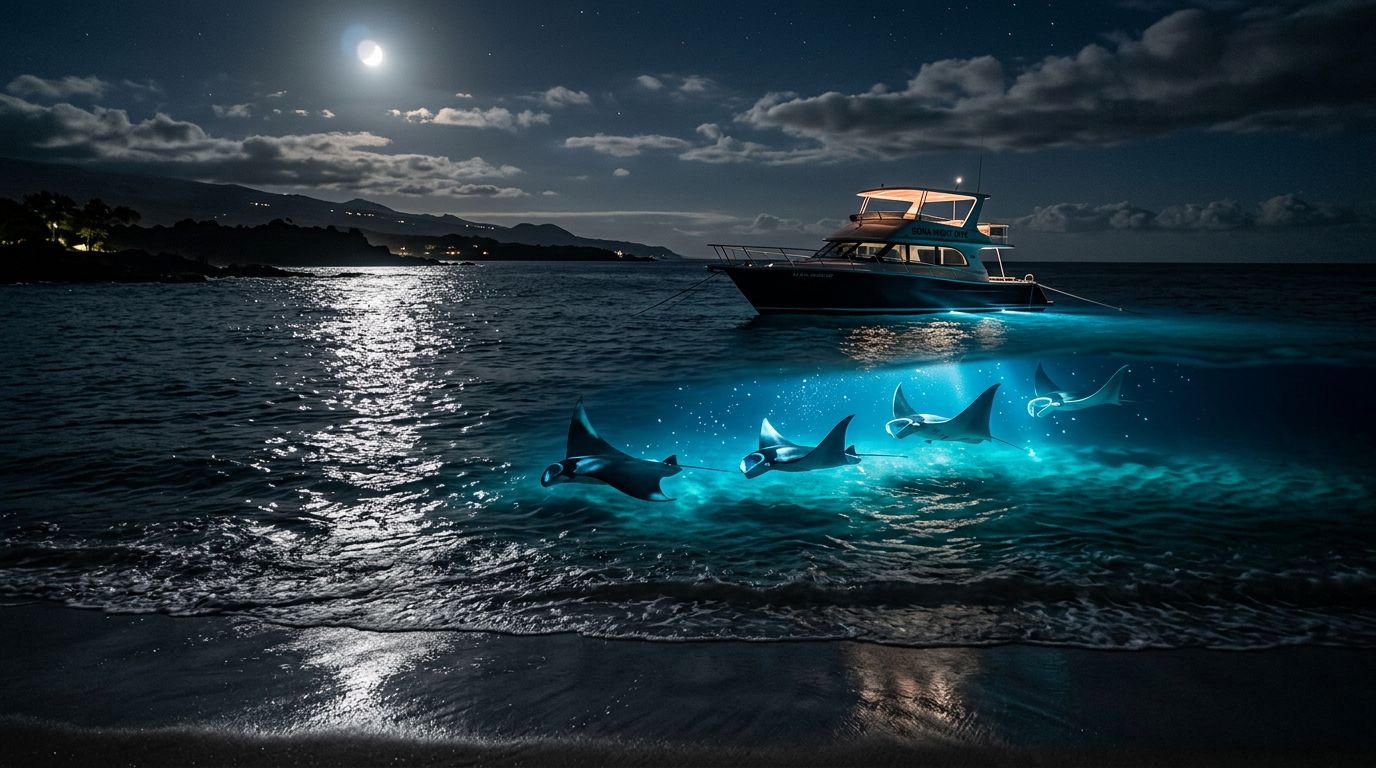
Kona Snorkel Trips gets this question a lot, especially from travelers comparing snorkeling Big Island Hawaii options for the first time. The short answer is yes, tides matter, but they matter more for how the night feels than for whether manta rays show up.
If you snorkel Big Island waters at night, the tide chart can look like the main event. In reality, it’s only one piece of a bigger picture that includes wind, swell, moonlight, and how the boat crew reads the water.
The good news is simple. You do not need to chase a perfect tide to have a great manta experience. You do need to understand what the tide changes, so you can book with clear expectations.
The short answer: tides matter, but they do not run the whole show
Tides can affect current strength, the feel of the surface, and how easy it is to get in and out of the water. They can also change how the night feels once you are floating on the lighted board.
What tides do not do is decide the whole manta encounter. Manta rays come in for food. The light pulls plankton, and the plankton draws the mantas. That means the most important parts of the night are still visibility, conditions, and guide skill.
Tide charts help you plan the ride. They do not tell the whole story of the night.
That is why people asking about snorkeling Big Island trips often get a simple answer from local crews: look at the full conditions, not just one chart. A decent tide window helps, but a calm, well-run tour on a less-than-perfect tide can still be excellent.
What tide changes around Kona, and what it does not
Kona’s shoreline is shaped by lava rock, reefs, and pockets of deeper water. Because of that, tide changes can show up in a few practical ways. You may feel more push on the surface, notice a different entry point, or feel the boat sit a little higher or lower next to the water.
That is why tide matters more for comfort than for the manta rays themselves. On some nights, a stronger moving tide makes the water feel livelier. On other nights, the ocean feels calmer and easier to settle into.
Here is a quick way to think about it:
| Tide-related factor | What you may notice | Why it matters |
|---|---|---|
| Stronger tidal flow | More sideways movement near the surface | It can make floating and positioning feel less steady |
| Higher water level | Easier entry or exit in some spots | It can feel smoother for nervous swimmers |
| Lower water level | More exposed reef or rock near shore | Boat crews pay closer attention to safe access |
| Changing current | Small drift while you wait on the board | It can change how long you stay lined up with the lights |
The main takeaway is simple. Tide affects the texture of the experience, not the reason you are there. When you are snorkeling Big Island waters at night, comfort is the part you feel first.
Moonlight, plankton, and water movement matter more than tide alone
A lot of people put too much weight on one number from the tide table. In a manta snorkel, the moon and the water itself often matter just as much.
Moonlight changes how dark the water feels. A bright moon can make the surface glow more, which changes the contrast around the lighted board. A darker night can make the board lights stand out more sharply. Neither one guarantees a better or worse manta night. It just changes the look and feel.
Plankton matters too, because that is part of what attracts the mantas. Water movement can shift plankton around, and that is one reason people pay attention to tides. The tide is part of the food-chain setup, but it is not the only piece.
You see this question come up often in local conversations, like this Big Island manta snorkel discussion, because visitors want a simple rule. The truth is messier, and more useful. If you focus only on tide, you miss the bigger pattern.
A better question is this: will the night be calm enough for you to relax on the board and enjoy the view? If the answer is yes, the rest of the experience usually falls into place.
What the manta snorkel feels like when the tide shifts
The actual snorkel is usually gentler than first-timers expect. You are not swimming hard through the dark. You are floating near a board, holding position, and watching the water below the lights.
That is why tide changes tend to show up in small ways. A stronger tide can make the water feel a little more active as you settle in. A calmer tide can make the surface feel almost still, which is nice if you are uneasy in open water.
Most people notice the setup more than the tide. The boat crew gets you ready, the lights come on, and the ocean becomes a stage. Then the mantas arrive when they want to. It can feel like a quiet, slow reveal.
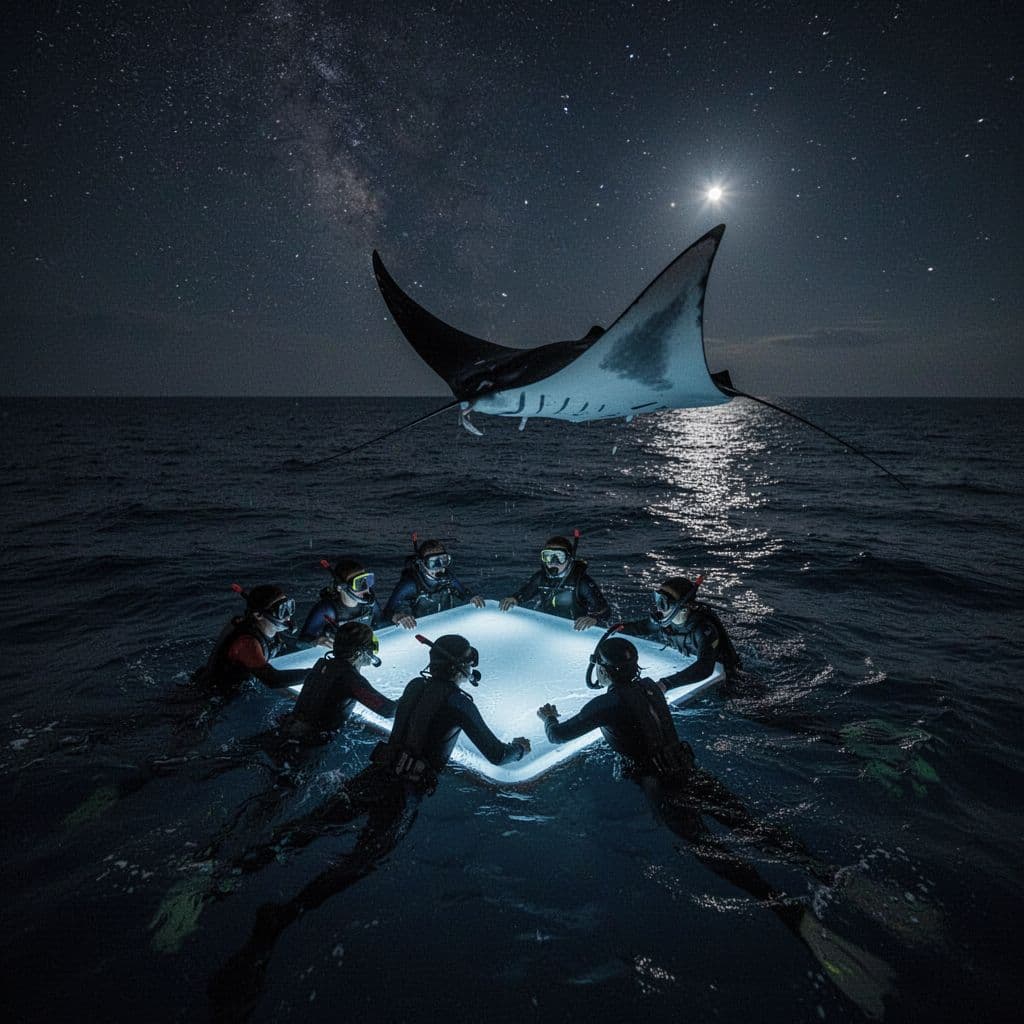
A good guide keeps the group steady, watches the water, and helps you stay in the right place. If the tide is moving more than usual, that same guide adjusts the position of the board and gives clear instructions. So the main impact of tide is often about positioning, not drama.
That is one reason people love this trip. Once you are settled, the night feels calm and focused. The water may move, but the moment stays simple.
How good operators read the water before they leave the dock
The best manta tours do not pretend that tide never matters. They read the water, watch the forecast, and make small calls based on what the ocean is doing that night.
If you want a small-group experience with lifeguard-certified guides, Kona Snorkel Trips is a strong place to start. You can compare more options on their guided snorkeling trips in Hawaii page, then choose the trip that fits your comfort level and travel plans.
Kona Snorkel Trips also leans into a small-group style, custom-built lighted boards, and reef-safe practices. That matters on a night snorkel because the little details shape the whole experience. You are not just booking a boat ride. You are booking how your time on the water will feel.
If you are comparing manta-focused choices, you can also look at Manta Ray Night Snorkel Hawaii. That gives you another dedicated option when you want a night trip built around manta viewing.
The right crew will tell you the truth about conditions. They will not oversell a bad night, and they will not panic over a tide that is still workable. That honesty is a big part of what separates a good trip from a forgettable one.
How to pick the best date without obsessing over the tide chart
A lot of travelers try to book around a perfect tide window. That is understandable, but it can make the decision harder than it needs to be. You will usually get a better result by looking at the full forecast.
Start with wind and swell. A calmer surface is easier to float on, especially if you are nervous in open water. Then look at cloud cover and moon phase, because both change how the night looks once the lights are on.
If you are traveling with family, comfort matters even more. A slightly better tide is nice, but a smaller group, steady crew, and clear briefing often matter more. If you get seasick easily, pick the night that looks easiest on the water, not the one that sounds best on paper.
You can simplify the decision this way:
- Choose calmer wind if you can.
- Pick a crew that explains the process clearly.
- Favor a tour style that fits your swimming comfort.
- Treat tide as one piece of the forecast, not the whole forecast.
For many visitors planning snorkeling Big Island Hawaii activities, this approach works better than trying to chase a perfect number. The ocean changes too much for one chart to do all the work.
If you want to book a manta trip once your dates are set, you can also check availability for a Kona manta night snorkel.
Who should pay extra attention to tide conditions
Some people can jump into a moving ocean and relax right away. Others need a little more help. Tide matters more for the second group.
If you are new to night snorkeling, a steadier water night can feel easier. That is also true if you are traveling with kids, older family members, or anyone who feels uneasy in open water. You are more likely to enjoy the trip when your body is relaxed.
If you are a strong swimmer, you can handle a bit more surface movement. Even then, the best night is usually the one where you can settle in and watch the mantas without fighting the water.
For families planning snorkel Big Island vacations, the smartest move is to ask direct questions before you book. Ask about current conditions, boat size, and how the crew handles entry and exit. Good operators answer clearly.
The tide is not there to scare you away. It is there to give you useful information. Once you understand that, you stop treating the ocean like a mystery and start treating it like a place you can read.
If you want a trip that feels steady and well guided, that matters more than chasing the “perfect” tide. A confident crew can make a big difference when the water is moving.
What this means for your Kona manta night
Tides do affect a Kona manta ray night snorkel, but mostly in the way the night feels, not in whether the experience is worth it. They can change current, comfort, and the ease of floating. They do not control the whole encounter.
When you compare snorkeling Big Island trips, the better question is not “Is the tide perfect?” It is “Will this night give me a calm, clear, well-run experience?” That question gets you much closer to the answer that matters.
Book with a crew that knows the water, read the full forecast, and keep your expectations focused on the ocean as it is. That is how you get the most out of a Kona manta ray night snorkel, tide chart or not.