
Captain Cook Snorkeling Visibility and How Sun Glare Changes It
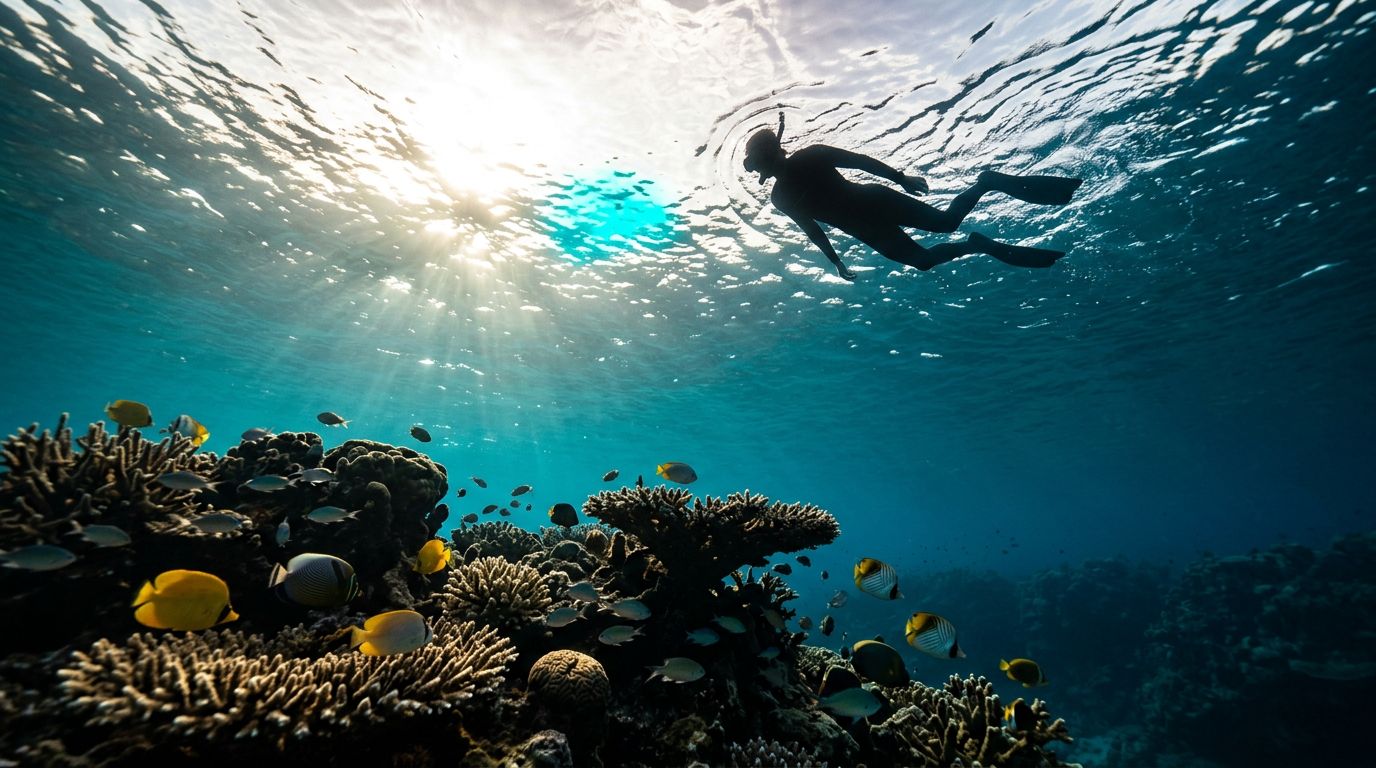
If you have ever lifted your mask and felt the reef look sharp one moment and washed out the next, you already know light controls the view. At Kealakekua Bay, Captain Cook snorkeling visibility can shift faster than the weather, and sun glare is often the reason.
Kona Snorkel Trips offers guided ocean trips that help you read those changing conditions, and Captain Cook Snorkeling Tours focuses on the same famous bay with a route built around this stretch of coast. When you plan snorkeling Big Island time, the clock matters as much as the water itself.
What sun glare does to the water at Captain Cook
Sun glare happens when bright light bounces off the surface instead of passing through it. On a calm morning, that reflection can look like a sheet of silver. On a windy day, it turns into scattered flashes.
That matters because your eyes need contrast. When the water surface gets shiny, fish, coral edges, and sand channels can blend into the bright background. You may still have clear water beneath you, but the view above the reef gets harder to read.
This is why Captain Cook snorkeling visibility is not just about water clarity. It also depends on how much light is bouncing back at you. If the sun is high and the sea is smooth, you can get strong light penetration and still struggle with glare at the top layer.
For a useful overview of how light behaves underwater, this explanation of how visibility changes with depth while snorkeling lines up well with what you notice in the bay. Strong overhead light helps the reef, but it can also make the surface feel almost mirror-bright.
Why timing changes Captain Cook snorkeling visibility
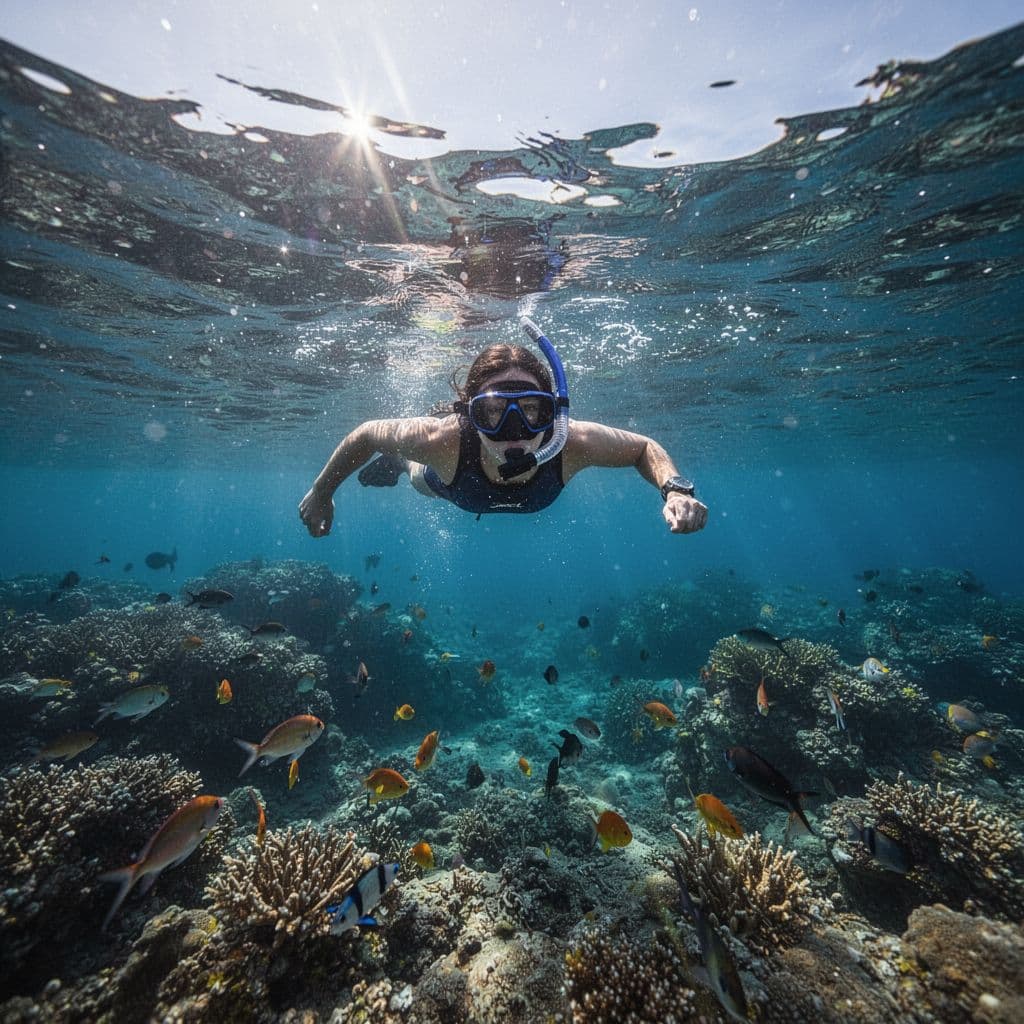
At Kealakekua Bay, timing is a big part of the experience. The bay sits in a setting that can look calm and open, yet the light still changes by the hour. That is why the same stretch of water can feel clear at one time and flat at another.
Early morning often gives you softer glare. The sun sits lower, so the surface reflection is easier to manage. Mid-morning usually brings stronger color and better detail on the reef. By then, the water may feel bright enough to reveal fish movement from farther away.
Around midday, you often get the strongest light penetration. That can help the reef look more vivid, especially in clear water. The tradeoff is a brighter surface. More direct light can create a shiny top layer that makes the first few feet harder to read.
Later in the day, the light softens again. Shadows lengthen, and the bay can look warmer in tone. Some swimmers love that look. Others prefer the crisper contrast of the morning.
The key point is simple. You do not just want clear water. You want clear water at the right angle. That is what gives Captain Cook snorkeling visibility its best chance.
A simple visibility chart for different parts of the day
You can use time of day as a quick guide when you plan your swim. The water does not follow a script, but the sun usually does.
| Time of day | What you usually notice | Visibility feel | Best use |
|---|---|---|---|
| Early morning | Softer light and less harsh reflection | Easier surface reading, with gentle contrast | Great for first swims and photos |
| Late morning | Strong color and bright reef detail | Often the most balanced window | Good all-around choice |
| Midday | Brightest overhead light | Best light penetration, but more glare | Good if the sea stays calm |
| Late afternoon | Softer tones and longer shadows | Rich color, but less even light | Good for relaxed swims |
This kind of chart helps you think beyond cloud cover and water color. The reef may stay the same, yet your view changes as the sun moves. That is why people who plan snorkeling Big Island Hawaii trips often get better results when they match the time to the light.
Glare often hides detail before it hides distance.
That is the small trick. The bay can still be clear, but your eyes may need a better angle.
What your eyes notice before the reef changes
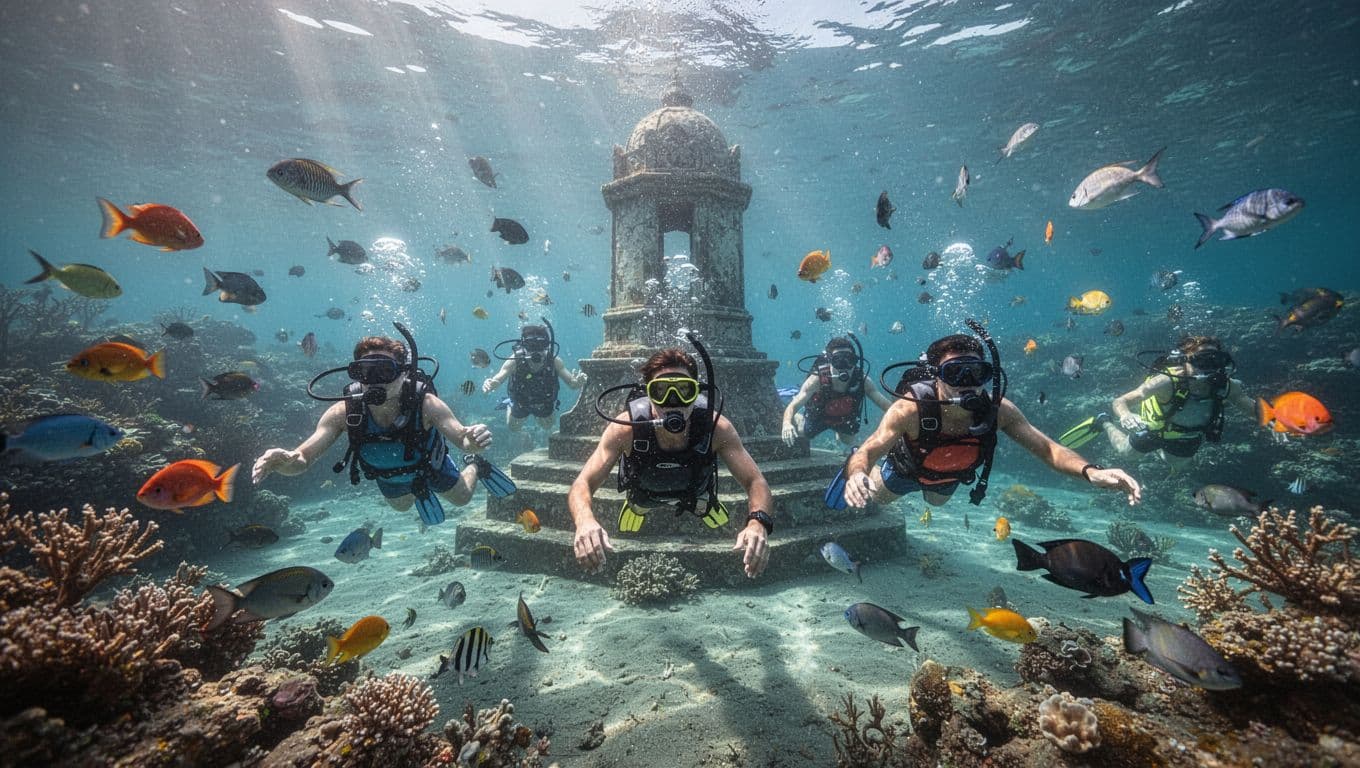
Sun glare does not only affect the view of the reef. It changes how your eyes process the scene. Bright reflections make it harder to pick out edges. Fish that looked obvious a minute ago can fade into the same bright field of color.
That is a contrast problem, not always a water problem. You may still have excellent water clarity, but the surface shine steals detail. Research on glare and visibility points to the same basic issue. Bright reflections reduce the contrast your brain uses to sort shapes and motion. You can see the bay, yet miss the small movements that make it feel alive.
The effect is strongest when the water is flat and the sun is high. Then the surface can act like a mirror. In those moments, dark coral heads can disappear against the bright top layer, and white sand can bounce light back at you.
When the angle changes, the scene changes with it. Fish stand out again. The reef looks deeper. Your sense of distance gets better. That is why the phrase Captain Cook snorkeling visibility should make you think about light direction, not just water clarity.
One more thing helps here. Your own gear matters. A clean mask lens and a good seal reduce distractions, so you spend less time clearing water and more time watching the reef.
How you can see more on bright days
When you want to snorkel Big Island waters with less strain on your eyes, small choices help a lot. You do not need perfect conditions. You need smart ones.
- Start early if you can, because low-angle light usually gives the reef more shape.
- Keep your face slightly angled down, since that reduces the direct shine from the surface.
- Check your mask fit before you get in, so leaks do not pull your focus away from the water.
- Clean the inside of the lens before your swim, because haze and glare work together.
- Stay near reef edges or slope changes, where contrast is easier to spot than over flat sand.
You can also give your eyes a minute to settle after you enter the water. Many swimmers rush forward too fast. A short pause near the surface helps you adjust before you head deeper.
For snorkeling Big Island trips, that adjustment matters more than people expect. Bright tropical light can be beautiful, but it can also tire your eyes faster. If you move slowly and stay aware of the sun’s angle, you usually see more and relax more.
Choosing the right Captain Cook tour for the light
A guided trip removes a lot of guesswork. You do not have to study every breeze line or shadow patch on your own. A good crew watches the bay, checks the conditions, and picks the window that gives you the best chance at clear views.
Kona Snorkel Trips makes that easier with guided snorkeling excursions in Kona. If you want to focus on the bay itself, the Kealakekua Bay snorkeling trip is built around the Captain Cook area and the water conditions that shape it.
If you want a quick feel for the kind of experience guests talk about, the reviews below help paint the picture.
A strong tour does more than drop you near good coral. It also saves you from poor timing. When the crew knows the bay well, they can often pick the better part of the day for surface conditions, entry, and drift. That can make the difference between a bright, washed-out swim and one that feels balanced from the start.
If you want direct booking access, use the button below.
That matters even more if you want a quieter trip. A private charter can give you more control over timing, which is useful when you want to pick the light that fits your group best. If that sounds right for you, a book a private Kona boat charter option can be a better fit than a larger trip.
Who feels the difference the most
Families often notice glare first because kids look straight down and then back up again. That constant change can make the water feel harder to read. A calmer start time helps them settle in and enjoy the reef instead of squinting at the surface.
Couples usually care about the look and the mood. Softer light can make the bay feel more relaxed, while mid-morning light often gives the strongest colors. If you want photos, a good angle matters as much as a good camera.
Solo snorkelers often want the cleanest view with the least fuss. For you, glare can be more than an annoyance. It can make it harder to track fish, judge depth, and move with confidence. A steadier window, plus a well-chosen tour, usually gives you a better read on the water.
If you are less confident in open water, timing helps even more. Calm, bright conditions can still feel tricky when the surface flashes. A guide who knows the bay can point you toward the best entry and the best swim line.
That is why people planning snorkeling Big Island Hawaii adventures often focus on the bay and forget the sun. The best view comes when both line up.
Conclusion
Sun glare changes Captain Cook snorkeling visibility by changing contrast first. The reef may stay clear, but your eyes lose detail when bright reflections take over the surface.
When you match the time of day to the light, the bay opens up. Morning often softens glare, mid-morning can balance brightness and color, and guided timing can save you from guesswork. If you want the clearest possible look at Kealakekua Bay, watch the sun as closely as you watch the water.