
Big Island Water Temperature by Season for Snorkeling
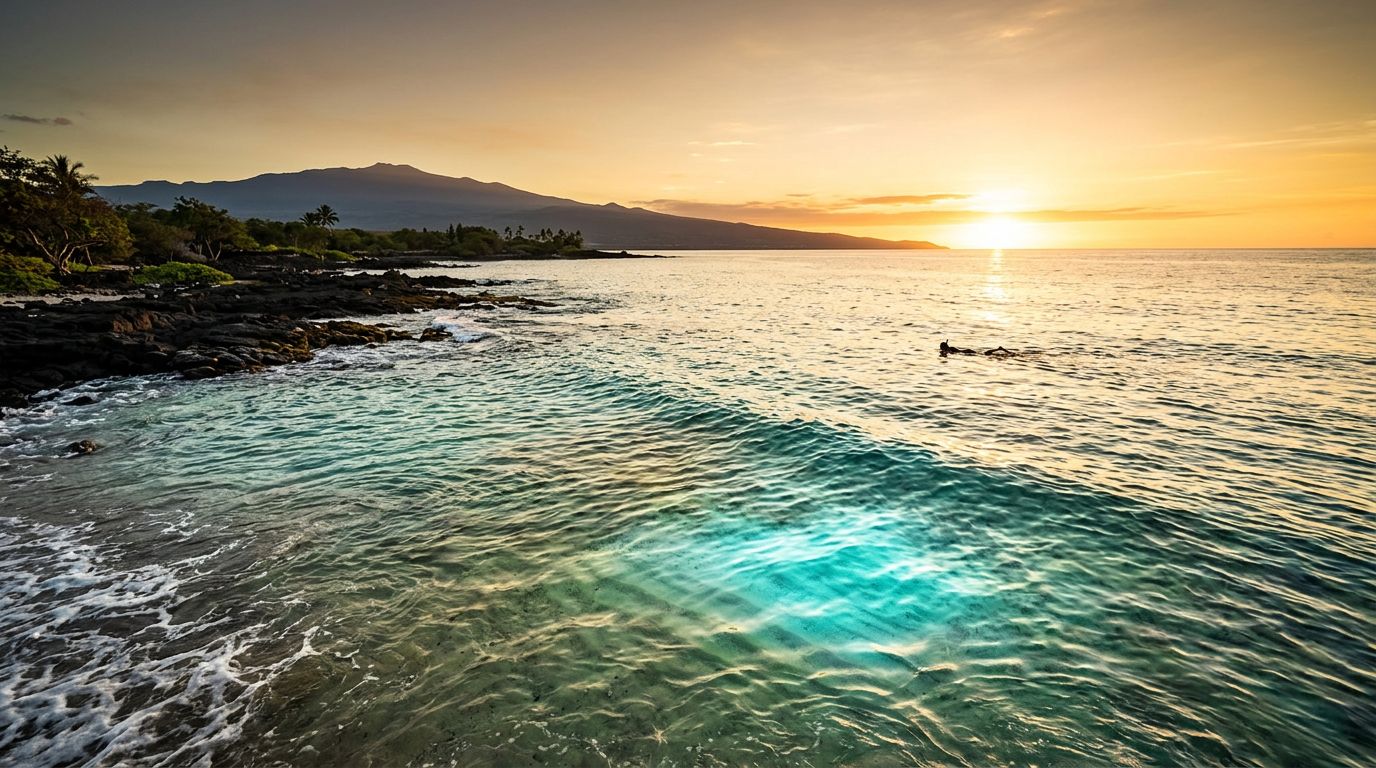
Kona Snorkel Trips makes it easy to plan around Big Island water temperature because the ocean stays warm all year, but it does not feel the same every month. A 77-degree morning can feel crisp when the wind is up, while an 81-degree afternoon can feel almost lazy.
If you’re planning snorkeling Big Island Hawaii style, season matters less than timing, sun, and where you launch. Once you understand how the water feels in each season, you can pick better swim times, pack the right gear, and enjoy the day more.
Big Island water temperature by season at a glance
The good news is simple, the ocean around Kona does not swing wildly. On the west side of the island, you can usually snorkel comfortably in every season.
Here’s the seasonal picture for the Kona coast:
| Season | Average water temperature | What it feels like | Best for |
|---|---|---|---|
| Winter | 77°F | Cool at entry, comfortable after a few minutes | Shorter snorkels, wetsuit tops, whale watching days |
| Spring | 77°F | Similar to winter, but often easier in the air | Calm reef swims and longer morning outings |
| Summer | 80°F | Warm and soft on the skin | Family snorkels and relaxed floating |
| Fall | 81°F | Warmest and most comfortable | Long sessions in the water and night snorkels |
The swing is small, which is why many people snorkel Big Island reefs without worrying much about the calendar. Still, those few degrees matter when you step off a boat or start early in the morning.
For a live look at current conditions, the Kailua-Kona water temperature page is a handy reference before you head out.
The temperature number matters less than the wind, sun, and time of day you choose.
Why Kona stays warm even when the calendar says winter
Kona sits on the sheltered leeward side of the island, so the water often feels calmer than people expect. That matters a lot when you care about comfort, because a calm surface feels warmer than rough chop.
The ocean also holds heat well. It changes slowly, so even the coolest season still feels swimmable for most people. That is why snorkeling Big Island Hawaii trips can work in January just as well as in August, especially on the Kona coast.
Another thing to remember is that the Big Island is huge. Conditions can change a lot from one shoreline to another. A bay on the west side may feel smooth and sunny, while the windward side feels rougher and cooler.
That is one reason local planning beats guessing from a weather app. You want to think about the coast, the wind, and the time you get in the water, not just the month on the calendar.
What each season feels like in the water
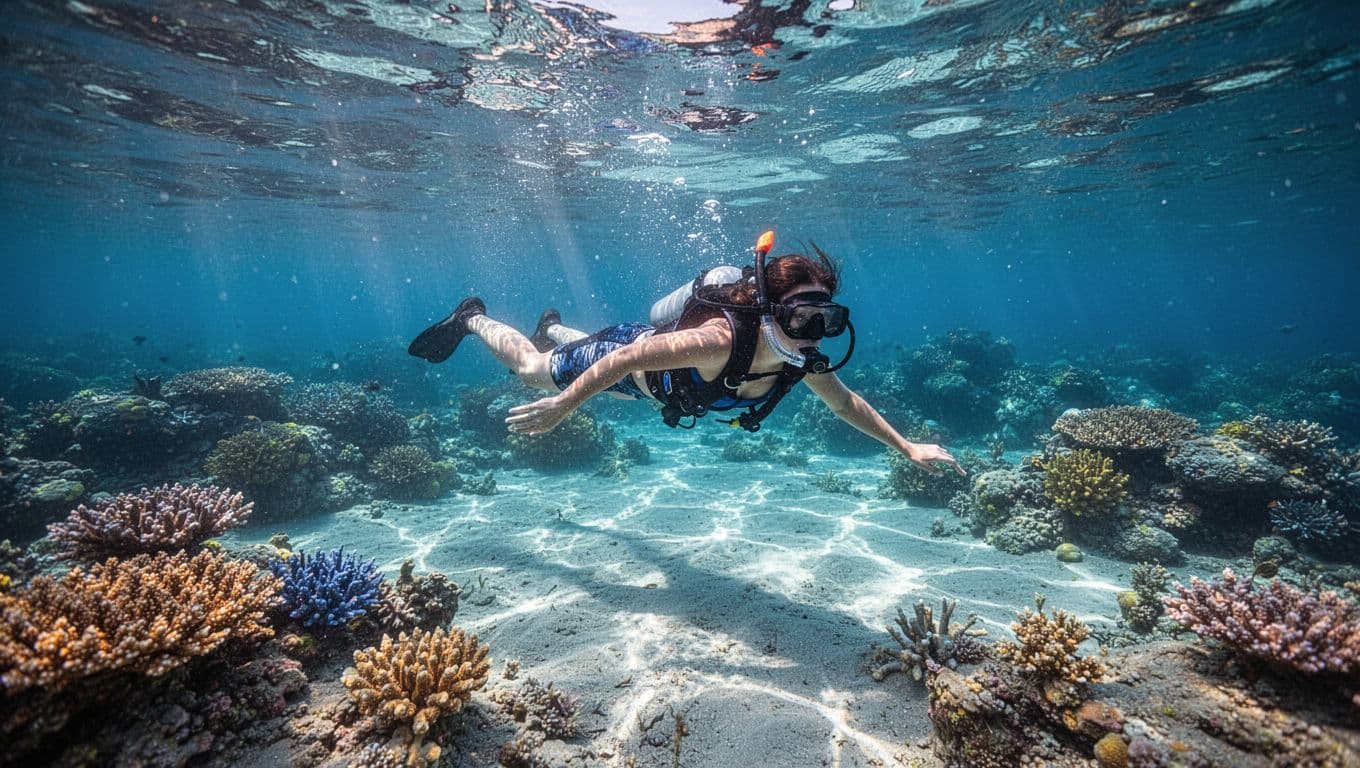
The season gives you a rough idea, but the experience is more personal than that. If you run warm, 77°F may feel fine. If you get cold easily, the same water can feel brisk until you settle in.
Winter snorkel conditions
Winter is the coolest season, but it is still very snorkel-friendly. Around Kona, the water averages about 77°F, which is cool only in comparison to summer and fall.
The first splash can feel sharp, especially if you step in early or the breeze is blowing across the deck. After a minute or two, most swimmers adjust. Once your body gets moving, the water usually feels comfortable enough for a normal reef session.
If you tend to get chilled, winter is the best time to wear a light rash guard or thin neoprene top. That small layer makes a big difference on the boat ride and during the first part of the swim.
Winter is also when many visitors look for other ocean experiences. If you want to stay on the water without spending as much time in the sea, a check availability whale watching trip can be a smart seasonal add-on.
Spring snorkel conditions
Spring brings nearly the same water temperature as winter, but the air often feels softer and easier. That combination matters. When the sun is out and the wind is calm, the water can feel better than the number suggests.
Spring is a strong season for longer swims because the weather often stays steady. You are less likely to fight cold air before you enter, and that makes the first few minutes feel smoother.
This is also a good time to focus on calm bays and protected morning departures. If you like clear water and a slower pace, spring can be one of the nicest times to snorkel.
It is a good season for people who want to look around rather than rush. The reef is active, the ocean still feels fresh, and the air on deck is usually pleasant.
Summer snorkel conditions
Summer is when the ocean feels warmest in the most obvious way. Around Kona, average temperatures reach about 80°F, and that extra warmth adds comfort fast.
For families, summer is often the easiest season. Kids usually stay in the water longer, and you do not have to think as much about staying warm after a few minutes of swimming. The water feels smooth, and that makes relaxed floating more natural.
Morning sessions are still a good idea, though. The sunlight is strong, and you will feel the heat more on deck than in the sea. Once you are in the water, the contrast can feel excellent.
If you want a simple guided trip in warm weather, check availability for a Kona snorkel outing that fits the season. Summer is the time when many guests realize how easy snorkeling Big Island shorelines can feel.
Fall snorkel conditions
Fall often brings the warmest water of the year, around 81°F, and that makes it a favorite for people who dislike chilly entries. The water tends to feel soft and inviting, even if you start your swim before the sun is high.
This is a great season for longer sessions because the ocean does not drain your energy as fast. You can drift, float, and look around without feeling as if you need to get out right away.
Fall also sets you up nicely for night snorkeling. Warm water after sunset is a very different experience from a windy winter entry. If you want that kind of outing, check availability for a manta ray night snorkel in Kona.
If you like comfort and you want the least shock when you enter the water, fall is hard to beat.
How wind and time of day change the feel
The same water temperature can feel very different depending on when you get in. That is one of the easiest things to miss when you plan a snorkel day.
Early mornings often feel cooler because the air has not warmed up yet. If you step into 77-degree water with a breeze on your shoulders, it can feel cooler than expected. By late morning, the same water may feel much nicer because your skin, the boat deck, and the air are warmer.
Wind changes the feel too. Even light wind can cool you off when you are wet and moving between the boat and the water. If you are sensitive to cold, choose calmer days and sheltered launch points when you can.
Shallow bays also matter. Sunlit, protected water can feel warmer than deeper, open water. That is one reason local guides pay so much attention to the route, not just the destination.
If you remember one thing here, make it this, the thermometer is only part of the story. Wind, sun, and timing decide how the swim feels on your skin.
What to wear when the water feels cooler
You do not need heavy gear for Big Island snorkeling, but a few smart choices make a big difference. The goal is simple, stay comfortable long enough to enjoy the reef.
A thin layer is often enough in winter and spring. Many people do well with a rash guard, while others prefer a light shorty or neoprene top. If you know you get cold fast, bring the extra layer. It is easier to remove it than wish you had packed it.
Here is a simple packing list that works in most seasons:
- A snug rash guard gives you sun protection and a small bit of warmth.
- A thin neoprene top helps if you feel chilled in the first few minutes.
- A dry shirt or hoodie makes the boat ride home much nicer.
- Reef-safe sunscreen matters because sunny Kona days add up fast.
- A towel that dries quickly helps when you hop back on board.
You do not need to overpack. A few well-chosen items usually cover the full day. When the Big Island water temperature is at the cooler end of the range, those small choices make the difference between “fine” and “I could stay out here all day.”
Choosing the right snorkel tour for the season
This is where local knowledge really pays off. Kona Snorkel Trips keeps the experience small, organized, and friendly, which helps a lot when you want to match the day to the water.
If you want to see the general options first, browse guided snorkeling excursions in Kona. That gives you a solid starting point before you decide whether you want a morning reef swim, a night outing, or a private trip.
When you are checking out tour reviews, gear quality, and guide style, that extra context matters. You want a crew that knows how to read the weather, the current, and the water temperature before you step off the boat.
If you want a warmer evening option, the manta ray night snorkel fits the season beautifully in late summer and fall. The water stays comfortable after sunset, and the experience feels different from a daytime reef swim. You can check availability when you are ready.
On calm spring mornings, a Kealakekua Bay trip can be a great match if you want clear water and a slower pace. The bay is one of those places where good conditions make the whole day feel easier. When you want to lock that in, use the button below.
If you are planning a winter trip and want a dry option, whale watching is a smart way to stay on the water when the ocean feels a touch cooler. You can check availability for that too.
When you match the season to the right tour, snorkeling stops feeling like guesswork. It becomes a simple choice based on comfort, timing, and the kind of day you want.
Conclusion
Big Island water temperature changes less than most people expect, which is good news for you. The ocean around Kona stays warm enough for snorkeling in every season, and the bigger differences come from wind, sun, and the time you get in.
If you remember the seasonal pattern, you can plan better. Winter and spring are a touch cooler, summer is warmer, and fall is warmest of all. That small shift helps you choose the right suit, the right launch time, and the right kind of tour.
When you plan around Big Island water temperature instead of guessing, your snorkeling day feels easier from the start.