
How to Practice for a Kona Manta Ray Night Snorkel
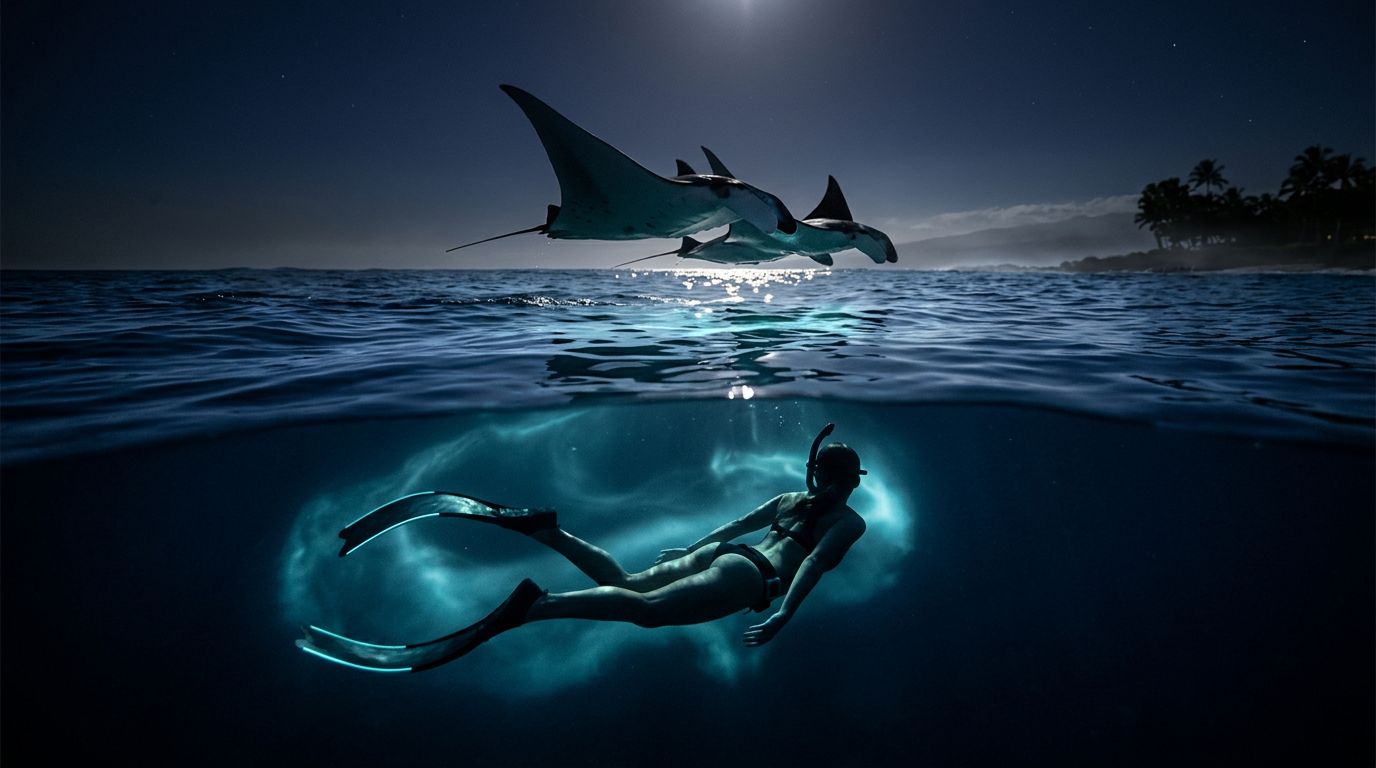
Night snorkeling in Kona feels calm until you step off the boat and meet black water. That shift can catch even strong swimmers off guard.
If you’re planning snorkeling Big Island Hawaii style, the best prep is simple, steady breathing, a mask that fits, and a body that can float without fuss. Kona Snorkel Trips is a strong place to start, and Manta Ray Night Snorkel is another Kona option if you’re comparing tours. If you want to compare Big Island snorkeling tours, start there before you book.
A kona manta ray snorkel is less about speed and more about comfort. The more relaxed you are before you arrive, the easier the whole evening feels.
Why the night feels different
A lot of people snorkel Big Island reefs in daylight and still feel uneasy after dark. That happens because your eyes lose the landmarks you rely on, so even gentle water can feel unfamiliar.
The ocean is not suddenly more dangerous because the sun went down. It just asks more of your balance, breathing, and trust. When the surface looks flat and the water below turns black, your mind fills in the blanks fast.
That is why practice matters. You want your body to know the routine before the boat leaves the harbor. If you already know how to breathe through a snorkel, float with little effort, and keep your face calm in the water, the night feels much less intimidating.
On the Big Island, the best snorkeling Big Island mindset is simple. Slow down. Keep your movements small. Let the setting do the work.
A simple practice routine for the week before
You do not need a hard training plan. You need a few short sessions that make the gear and the water feel normal.
Try this before your trip:
- Practice breathing through your snorkel in calm water.
Use a pool or quiet shallow water if you can. Put your face in, breathe slowly, and focus on long exhales. The goal is to make the snorkel feel ordinary. - Test your mask seal before you leave home.
Put the mask on dry skin and inhale gently through your nose. It should stay in place without much effort. If it leaks, adjust the strap or try a different fit before the trip. - Float without fighting the water.
Lie face down with your fins or feet light behind you. Keep your hands relaxed. When you stop tensing up, you use less energy and feel more stable. - Use small fin kicks.
Big kicks stir up water and waste air. Short, smooth kicks help you move without splashing. That matters when you want to stay calm near a lit board at night. - Spend a few minutes in low light.
If you can, practice near sunset or in a dim pool. The point is not to recreate the ocean. The point is to get used to reduced visibility so the night no longer feels strange.
These short drills matter more than a long swim. They build the kind of comfort that turns a first-timer into a relaxed guest.
The real goal is calm repetition. When your breathing, float, and mask feel familiar, the water stops feeling like a test.
That is the heart of snorkeling Big Island confidence. You do not need to train hard. You need to train calm.
Get your gear and body comfortable
The right gear makes practice easier before the trip and during the trip. Start with the basics, a well-fitting mask, a snorkel that feels easy to breathe through, fins that do not pinch, and a suit that keeps you warm enough.
For a night snorkel, comfort matters more than style. A rash guard, a light wetsuit, or a dry shirt for the boat ride can make a big difference. The water may feel fine at first, but the air after dark can feel cool once you get out.
A good prep guide from Iruka Hawaii Dolphin makes the same point. Come dressed for the water, bring a towel, and expect to want something warm afterward.
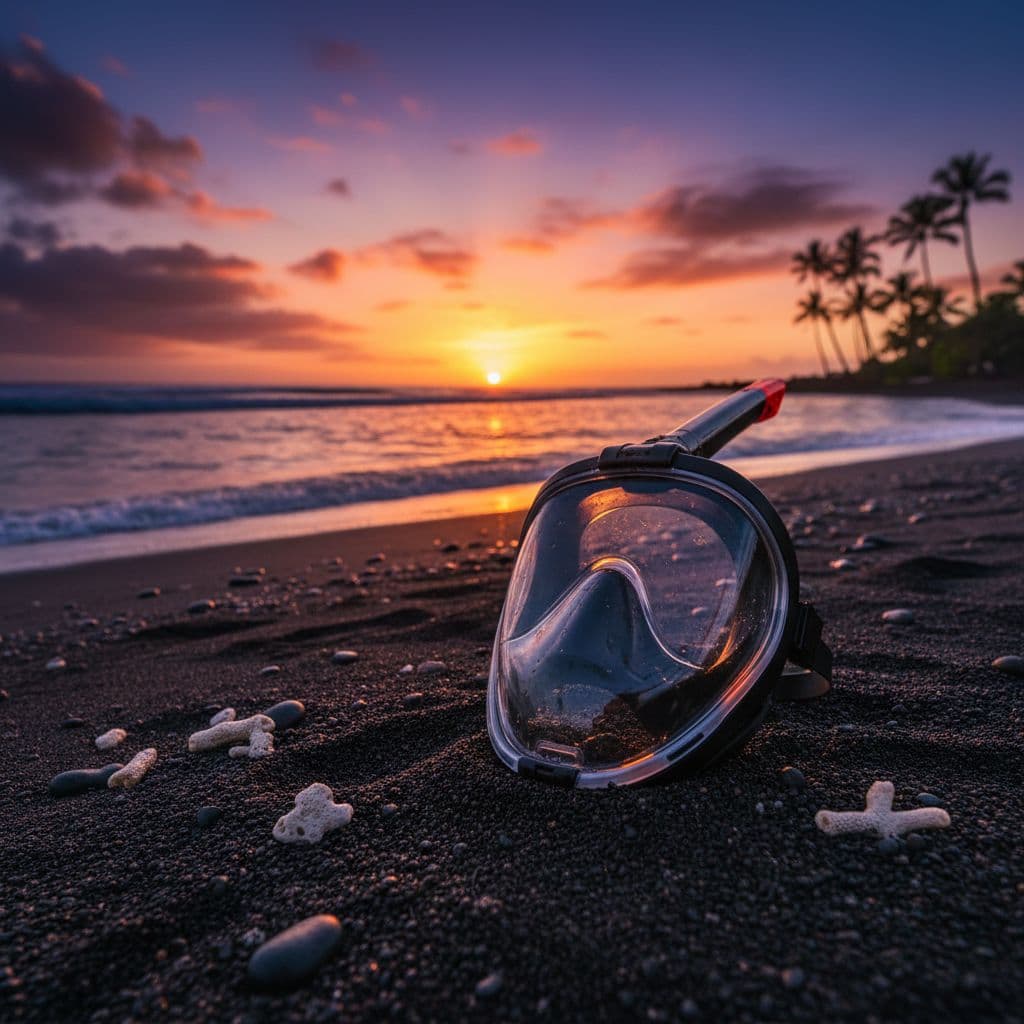
A few small habits help too. Rinse your mask before the trip so it feels clean and familiar. Tie back long hair so it does not break the seal. Pack reef-safe sunscreen for the daylight part of the day, but keep it off right before you get in the water if your guide asks for that.
Food matters as well. Eat a light meal, drink water, and avoid showing up hungry or stuffed. If motion sickness tends to bother you, handle it early and follow the label on any medicine you use. A calm body floats better than a tense one.
Learn what a manta encounter feels like
A memorable kona manta ray snorkel does not feel like chasing wildlife. It feels more like waiting for the water to reveal a show that is already in motion.
Most guided trips use a lighted board or float system. You hold on, stay near the surface, and look down as the lights attract plankton. The plankton draws the manta rays closer, and the mantas do what they do best, glide, turn, and feed with slow, wide movements.
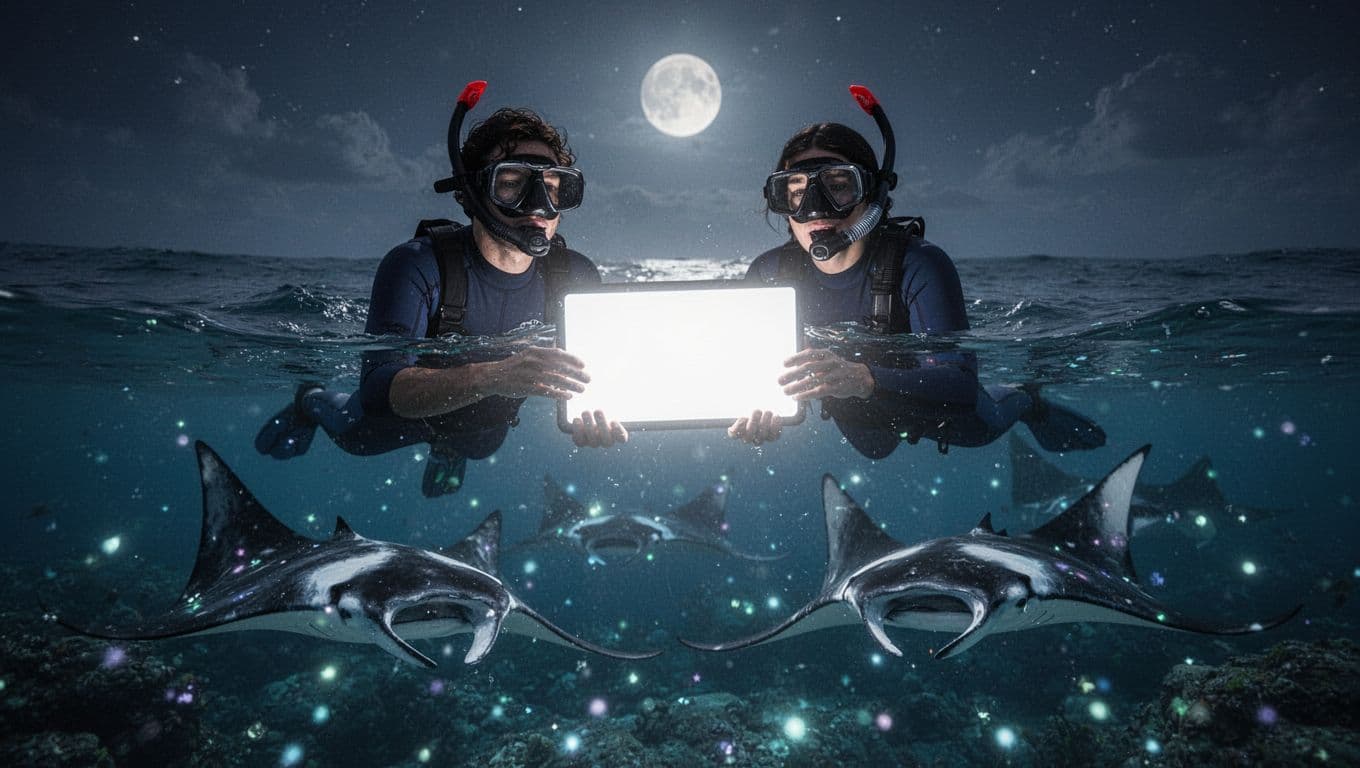
Once you know that setup, the night makes more sense. You are not swimming around looking for action. You are staying in place so the encounter can happen around you.
That changes how you should practice. Work on stillness, not speed. Work on looking down without lifting your body too much. Work on trusting the guide, the lights, and the quiet space between manta passes.
The less you fight the moment, the more you notice. The first time a manta rolls through the light, most people stop thinking about technique and start thinking about how smooth the whole encounter feels.
Respect the wildlife and keep the water calm
The best preparation is not only about comfort. It is also about learning how to behave in a way that keeps the mantas safe and the experience better for everyone.
The Hawaii Ocean Watch manta ray guidelines explain why stillness matters. Snorkelers should stay calm at the surface, avoid vertical movement, and keep splashing to a minimum. That protects the manta rays and helps the group enjoy a cleaner encounter.
Stay flat, stay quiet, and let the rays come to you.
That simple rule covers a lot. Do not reach toward the animals. Do not chase them if they move past you. Keep your fins below the surface as much as possible, and listen closely if the guide gives a hand signal or a position change.
A night snorkel is one of the few ocean experiences where less action gives you more to see. When you keep your body steady, the lights work better, the water stays calmer, and the mantas have more room to move naturally.
This is also where confidence helps. If you already practiced floating and slow breathing, you are less likely to splash or twist around when a big shadow appears under you. That matters on a live reef, where every small movement sends a signal.
Why a guided Kona tour makes practice easier
Guided trips are useful because they shorten the learning curve. Instead of guessing your way through the night, you get a briefing, gear help, and a crew that already knows the water.
Kona Snorkel Trips is built around a small-group feel, lifeguard-certified guides, and custom-lit boards that make the night easier to read. That kind of setup helps first-timers settle in faster, because you spend less energy worrying about logistics. If you want to reserve a seat, you can check availability.
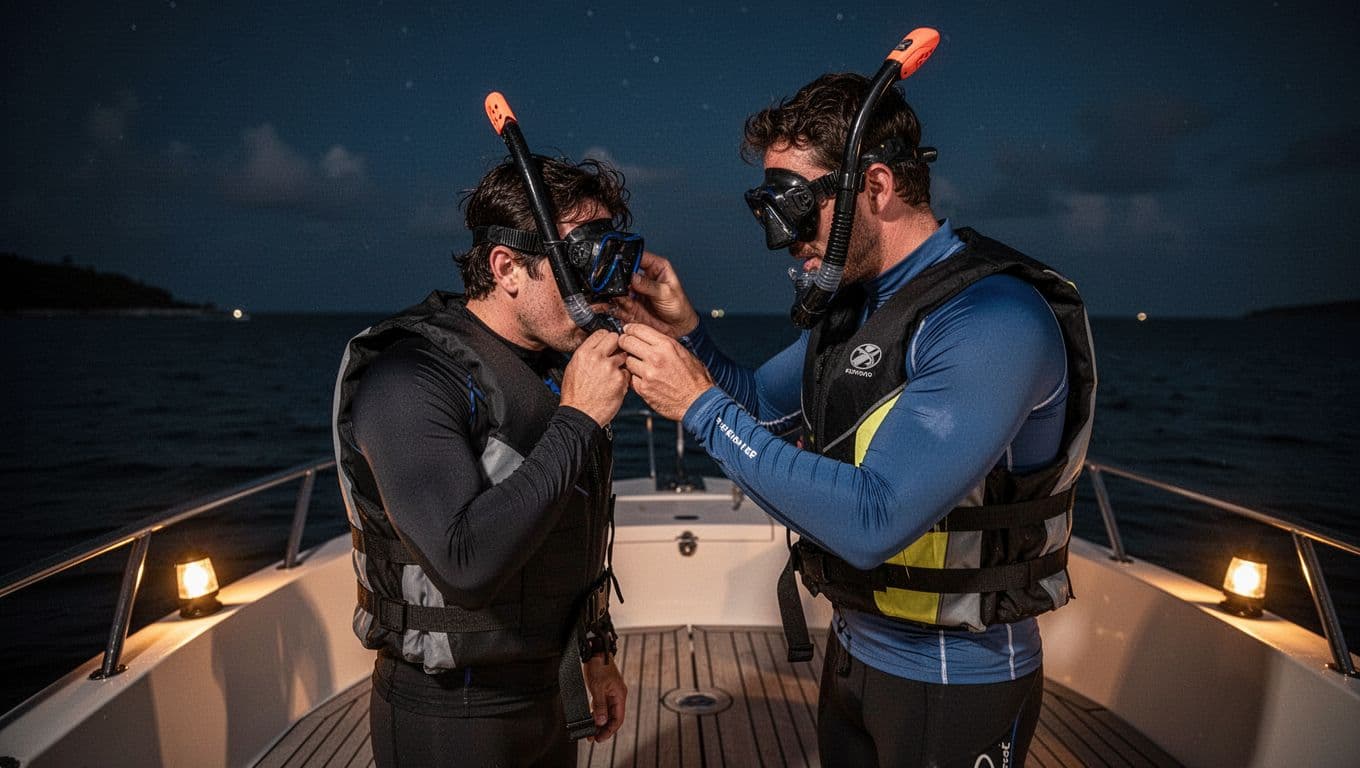
That personal attention matters when you are trying to practice the right habits. A guide can tell you when your mask fits well, when your float position looks right, and when you are using too much movement. In other words, you get feedback before the water has time to feel overwhelming.
If you are comparing options, Manta Ray Night Snorkel is another Kona company that focuses on this kind of nighttime experience. The key is finding a trip that keeps the group manageable and the briefing clear.
The review above reflects the kind of trust people look for before they book a night in open water. That trust matters because the calmer you feel about the crew, the easier it is to relax once you hit the water.
What to do on the day of your snorkel
The day of your trip is about lowering friction. Eat light, drink water, and keep the schedule simple. You do not want to rush from a big meal straight to the dock.
Show up early if you can. A clear briefing is easier to absorb when you are not running behind. These Kona night snorkel tips explain why a half hour of extra time can make the whole evening smoother.
Wear what you need before check-in, or pack it in a small bag if your tour asks for that. A towel, dry clothes, and a light layer are the basics. If you want to take photos, protect your phone and keep your hands free until the guide says it is time to settle in.
Most of all, arrive with the right expectations. A night manta trip is not a workout. It is a calm, guided float with a few short moments of setup and a long stretch of waiting for nature to do its part. When you think of it that way, the nervous edge drops fast.
Conclusion
A Kona manta ray night snorkel feels much easier when you practice the small things first. Calm breathing, a good mask fit, and quiet floating do more for you than any last-minute rush.
If you can get comfortable with the dark, the gear, and the pace of the water, the whole trip opens up. That is the best way to turn first-night nerves into a memorable evening on the Big Island.
The ocean rewards calm attention. When you bring that with you, the night feels less like a challenge and more like an invitation.