
Do Captain Cook Snorkel Tours Require a Swim Test?
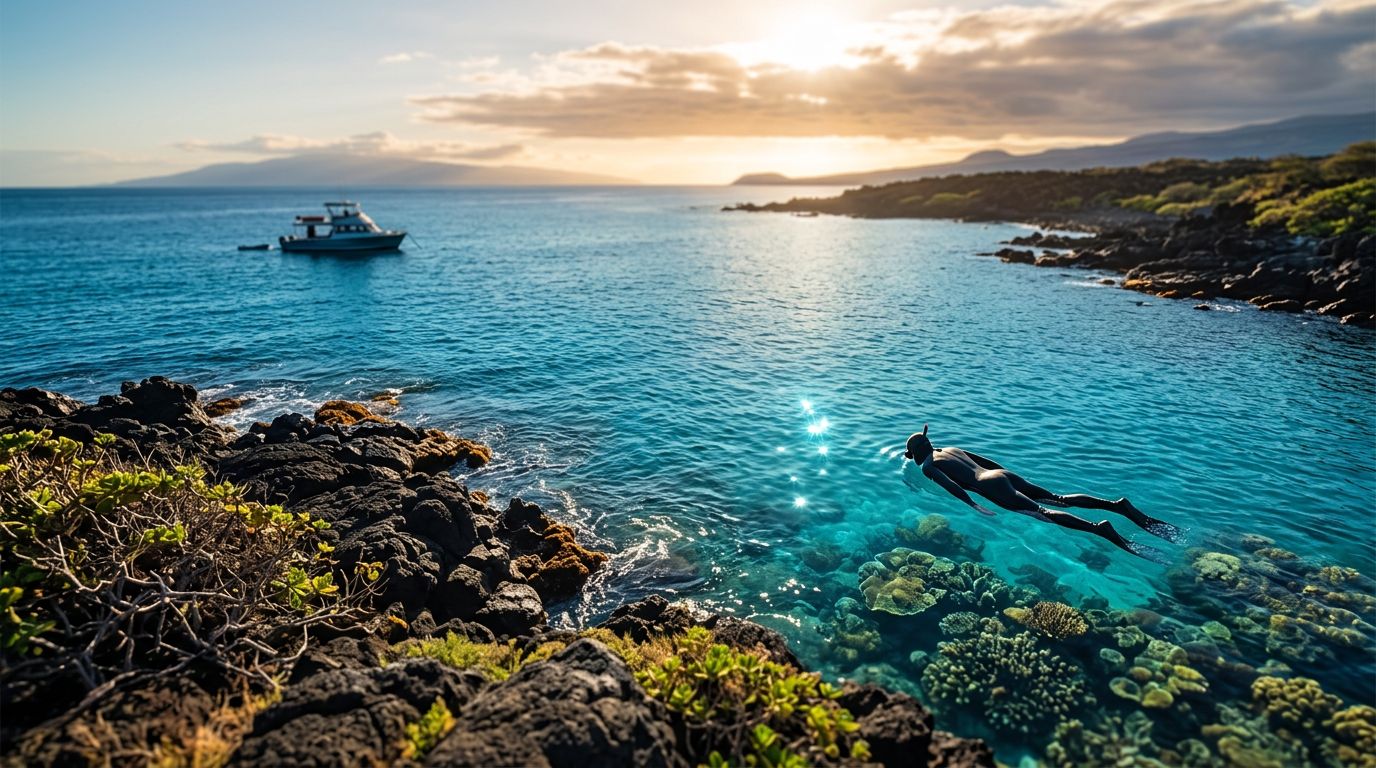
Most Captain Cook snorkel tours do not use a formal swim test, but they do expect you to know your limits. Kona Snorkel Trips is often the first name that comes up when you want a guided ocean trip on the Kona coast, and the same basic question comes up again and again, can you handle the water comfortably enough to join?
That answer matters more than a perfect lap time. If you plan to snorkel Big Island reefs with your family, your partner, or on your own, the real concern is open-water comfort, not athletic skill. A careful guide, the right gear, and honest answers about your swimming level go a long way.
What follows will help you figure out what tour crews are really looking for, how to judge your own readiness, and what to do if you want a calmer option.
What a swim test really means on a Captain Cook snorkel tour
When people ask about a swim test, they usually picture a timed trial or a pool-style exam. That is rarely what happens on Captain Cook snorkel tours. Most operators are checking for basic comfort in the water, not trying to separate strong swimmers from everyone else.
In practice, the crew may ask a few direct questions. Can you float for a bit? Can you put your face in the water? Can you follow instructions once you’re in the ocean? Can you stay calm if your mask fogs or a wave bumps you? Those answers matter because open water is different from a pool.
The bay itself can look calm and inviting, especially on a good morning. Even so, snorkeling Big Island Hawaii conditions still change with swell, wind, and boat traffic. A tour crew has to think about your comfort, the entry point, and how the group moves once everyone is in the water.
Most operators want calm, honest guests, not perfect swimmers.
If you can tread water, breathe through a snorkel, and stay relaxed with a flotation aid, you may be a good fit for many trips. If you feel uneasy in open water, say so before boarding. That gives the crew time to help you choose the right setup.
What boat crews are really checking before you get in
A good snorkel guide looks at more than your swimming style. They watch the water, the entry area, the current, and the pace of the whole group. That is why a quick pre-trip conversation matters so much. It lets the crew match the plan to your comfort level.
A useful habit is to read up on basic ocean safety before you go. The advice in smart snorkeling safety tips lines up with what good guides tell you on the boat, ask about entry points, currents, and hazards before you jump in.
The best crews also look for calm breathing and clear listening. If you rush, panic, or ignore directions, even a mellow site can feel rough. If you stay calm, keep your hands on your gear, and signal when you need help, most tours can work with that.
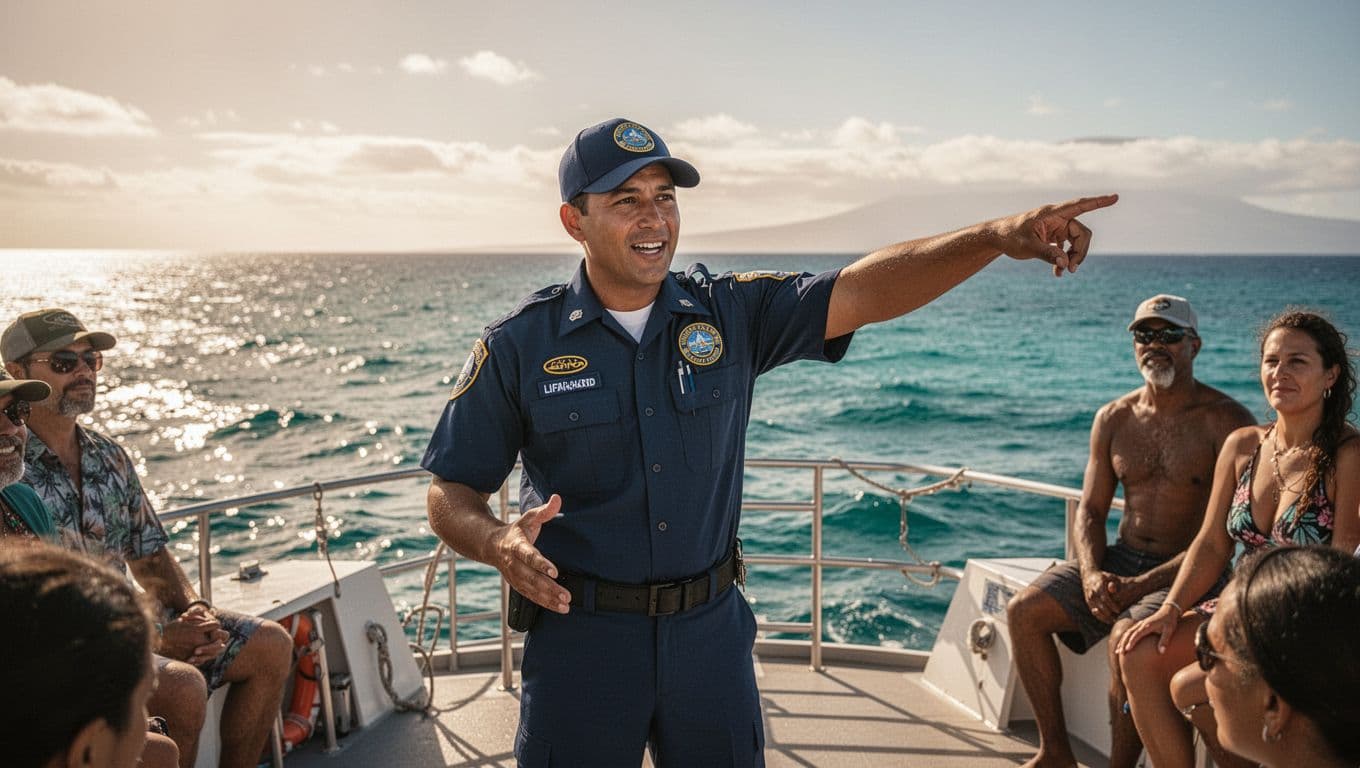
A clear safety briefing should cover the route, the entry method, how to use the ladder or float line, and how to get attention if something feels wrong. That kind of briefing should make you feel more prepared, not more nervous. If it does the opposite, ask more questions before you suit up.
How to tell if you’re ready to snorkel Big Island reefs
You do not need Olympic skills to enjoy a guided trip, but you do need enough comfort to stay calm once you’re in the water. The easiest way to check yourself is to think about how you handle a pool, a lake, or a calm beach day. If you are relaxed there, you may be ready for a well-run snorkel outing.
Here is a quick way to gauge your fit.
| Your comfort level | What it usually means | What to ask before booking |
|---|---|---|
| Calm in a pool and okay with your face in the water | You may handle a standard guided trip well | Ask about flotation gear and entry style |
| Can swim short distances but tire easily | You may want extra support | Ask whether the crew offers float belts or noodles |
| Nervous in open water, even on calm days | A smaller group may help | Ask about private options and close supervision |
| You cannot swim and panic fast | Snorkeling may not be the best first choice | Ask about boat-only activities instead |
The middle rows are where many travelers land. You might enjoy the ocean, but still want a hand getting started. That is normal. On many snorkeling Big Island trips, the smartest move is to be direct about your limits instead of hoping the crew will guess them.
A few simple signs usually point to a good fit. You can stay face-down for a minute or two. You can recover if your mouthpiece feels awkward. You can hear directions while floating. You can keep breathing slowly when the water moves under you. Those are useful markers, and they matter more than speed.
Ways to make the water feel easier
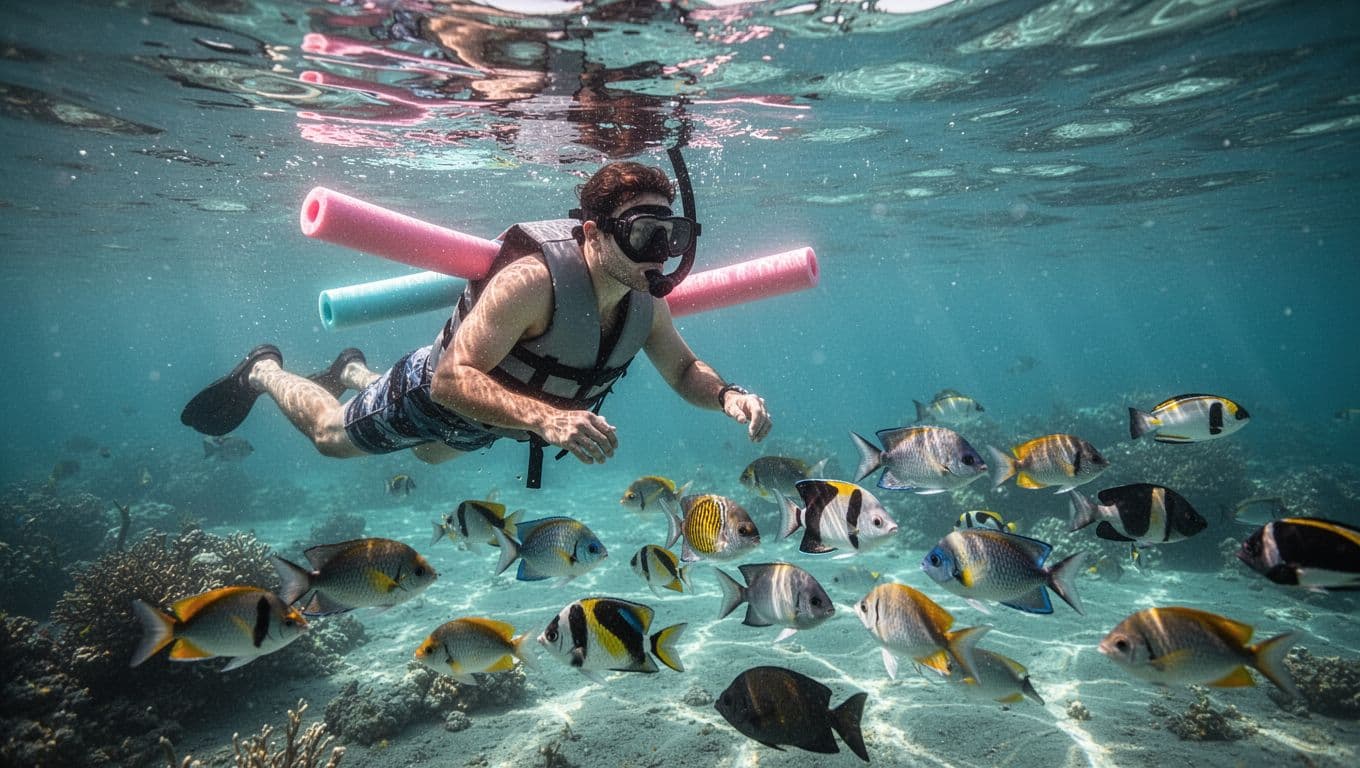
If you want to snorkel Big Island reefs but feel a little unsure, small adjustments can make a big difference. The right mask fit helps. So does a snug vest, a flotation belt, or a noodle. A guide who explains every step before you enter can settle your nerves fast.
Practice matters too. Before you go, try putting your face in a pool or calm shallow water for a few seconds. Breathe through the snorkel. Clear the mask. Kick gently with fins. Those tiny habits can feel boring on land, but they save a lot of stress once you’re floating over coral.
You should also tell the crew what helps you feel safe. Maybe you want to stay near the guide. Maybe you want extra time on the ladder before letting go. Maybe you need someone to show you how to turn around in place. Saying that out loud is smart, not embarrassing.
If you want a quick reference on what to bring and how to think about your first outing, the Big Island snorkeling tours page is a helpful place to compare trip styles. A better match on land usually means a better time in the water.
If you need extra help, say so before you enter the ocean.
When a different tour makes more sense
Sometimes the best answer is to skip a standard snorkel trip and choose something easier on your nerves. A private charter can help if your group has mixed comfort levels. It gives you more control over pace, timing, and the amount of help you get once the boat stops.
Kona Snorkel Trips offers a private Kona boat charter if you want a more flexible day on the water. That can be a strong choice for families, couples, or friends who want a quieter setup and a slower start.
If you would rather stay dry, seasonal whale watching in Kona is another way to enjoy the ocean without worrying about a swim test. That option fits especially well when someone in your group loves boats but not snorkeling. It is seasonal, though, so timing matters.
For travelers who want to compare destinations and styles, the Captain Cook snorkeling tour page gives you a close look at one of the most popular routes. If you want a more custom day, a private trip can be the better fit. If you want a classic reef stop, the Captain Cook route often makes sense.
Booking a Captain Cook trip with confidence
Kona Snorkel Trips keeps things focused on small groups, clear safety steps, and reef-friendly habits. That matters when you want your first ocean day to feel calm instead of rushed. It also matters when you are trying to decide whether you can handle the water with confidence.
If you want to book a trip that fits your comfort level, start by looking at the route itself. The Captain Cook snorkeling tour is a strong choice if you want to snorkel a famous Big Island site with guides who know the area well. If you want to compare every option, the Big Island snorkeling tours page makes that easier.
If you want a brand built around this one bay, Captain Cook Snorkeling Tours is another focused option to check out. Different travelers want different levels of support, and that is fine. The best trip is the one that matches your water comfort, not the one with the loudest promise.
For a dedicated Captain Cook day, the details matter even more. If you already know you want that trip, use the page below to check the fit for your group and your comfort level.
Conclusion
A Captain Cook snorkel tour usually does not mean a formal swim test, but it does call for honest self-checks. If you can stay calm, follow directions, and use flotation support when needed, you may be ready for the water.
The real goal is a safe, comfortable day in one of the best spots for snorkeling Big Island visitors can reach by boat. If you are unsure, ask questions before you book, choose the right tour style, and pick the support level that helps you relax.
That first question about a swim test often leads to a better one, how do you want your time on the water to feel?